Pruning
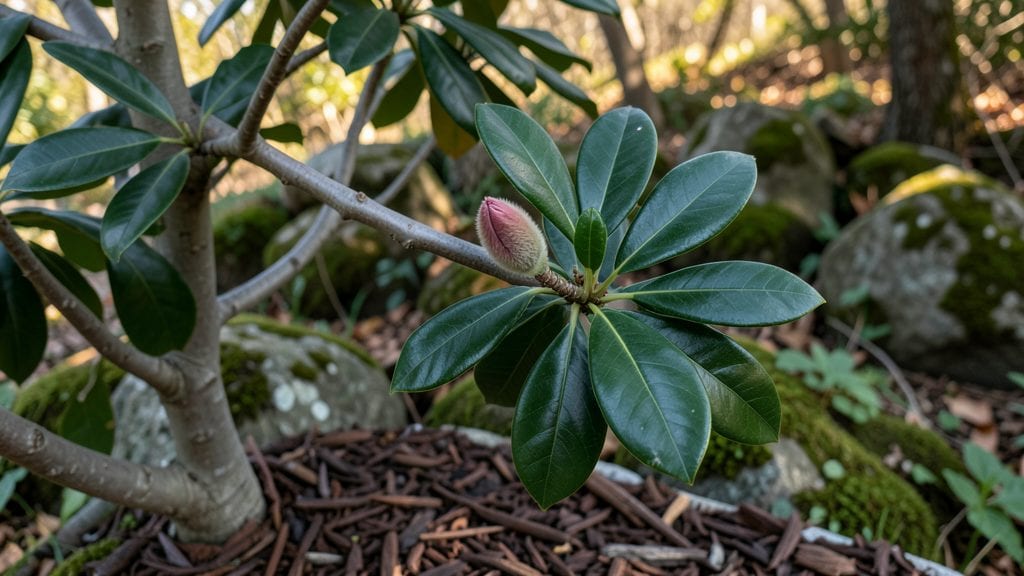
Pruning magnolia tree branches doesn’t have to be intimidating—just five strategic cuts can transform a struggling tree into a lush, vibrant centerpiece. I’ve pruned magnolias for over a decade, and the key is timing, technique, and knowing what to look for.
That first cut feels like a gamble, but trust me: the right approach keeps your tree thriving year-round.
The secret lies in clean cuts made at the right time—spring or early summer is ideal, but you can also shape lightly in late winter. Grab your pruners, a sterilizing solution (like rubbing alcohol), and a sharp saw for thicker branches.
Focus on removing dead wood, crossing limbs, and any branches growing toward the center. Every cut should aim to open up the canopy for better airflow and sunlight.
What you’ll end up with is a magnolia that blooms more abundantly, resists disease better, and grows stronger with each passing season. The branches will look neater, the flowers will be more visible, and you’ll avoid the heartbreak of a tree that slowly declines from neglect.
Plus, you’ll spot early signs of pests or disease before they become major problems.
This method works for all magnolia varieties—whether you’ve got a towering Southern magnolia or a compact saucer magnolia in your yard. The principles stay the same, and the results speak for themselves. Ready to give your tree the care it deserves?
📚 In This Guide
- What you need
- Instructions
- Tips and common mistakes
- Wrapping up and next steps
What you need
- ● Pruning shears: Sharp, bypass-style shears (for clean cuts on branches up to ½ inch thick). Example: Felco F-2 or Corona Tools Classic.
- ● Loppers: Bypass loppers (for branches ½ to 1½ inches thick). Look for ratcheting or bypass models for precision.
- ● Pruning saw: Curved-tooth saw for branches thicker than 1½ inches. Sterilize with rubbing alcohol between cuts to prevent disease.
- ● Gloves: Heavy-duty gardening gloves (cut-resistant, like those with Kevlar or nitrile coating).
- ● Disinfectant: 70% isopropyl alcohol or a 10% bleach solution (1 part bleach to 9 parts water).
- ○ Pruning sealant (optional but recommended): Tree wound sealant (like Tanglefoot Tree Wound Pruning Seal) for cuts larger than ½ inch.
- ● Ladder or step stool: Sturdy, extendable ladder (if branches are high—never stand on wobbly stools!).
- ● Safety gear: Safety glasses and long sleeves/pants to protect against thorns and debris.
- ● Marking twine or flags: For tagging branches to prune later.
- ● Sharpie or label maker: To mark cuts for reference.
- ● Trash bags: For collecting pruned branches and debris.
- ● Extension pole pruners: For high branches (if you lack a ladder).
- ● Camera or phone: To document your magnolia’s progress before/after!
Step-by-Step guide to pruning magnolia tree branches
Here’s how to keep your magnolia thriving with just five straightforward cuts—no complicated techniques required.
Identify Dead or Diseased Branches First
Start by scanning your magnolia for branches that are completely brown, brittle, or oozing sap—these are your top priority. Dead branches won’t regrow, so removing them now prevents pests from moving into the tree. Look closely at where the branch meets the trunk; if you see cracks or fungal growth, that’s a clear sign to cut it out.
I always prune these first because they’re the easiest to spot and the safest to remove. Use clean, sharp pruning shears to make a clean cut just outside the branch collar (the swollen area where the branch meets the trunk). This helps the tree heal faster and reduces the risk of infection spreading.
Thin Out Crowded or Crossing Branches
Next, focus on branches that are rubbing against each other or growing too close together. When branches cross, they create wounds that invite disease and weaken the tree’s structure. Look for places where the bark is worn or split—those are the spots that need attention.
Make your cuts at a 45-degree angle, about ¼ inch above an outward-facing bud. This encourages the tree to grow outward rather than inward, which keeps the canopy open and airy. If you’re unsure which bud to aim for, just follow the natural direction the branch was growing—you’ll see the bud clearly when you look closely.
Remove Branches Growing Straight Up or Down
Vertical branches—those growing straight up or down—are the next to go. These branches often become weak and break easily, especially during storms. They also compete with the tree’s main structure for energy, which can slow down flowering and overall growth.
Cut these branches back to a lateral branch (a side branch) that’s at least ½ inch in diameter. Avoid leaving stubs; a clean cut just outside the branch collar is key. If the branch is thick, use a pruning saw for a smooth cut—no jagged edges that could trap moisture and cause rot.
Lighten the Canopy for Better Airflow
Now, focus on the outer branches to improve airflow and sunlight penetration. Magnolias need good airflow to prevent fungal diseases like powdery mildew. Start at the top and work your way down, removing about 20% of the smallest branches to open up the canopy.
Look for branches that are growing inward or downward—they’ll create dense spots where air can’t circulate. Cut these back to a healthy lateral branch, and avoid over-pruning in one area. The goal is to create a balanced shape while keeping the tree’s natural form intact.
Shape the Tree for Balance and Beauty
Finally, step back and assess the tree’s overall shape. Magnolias have a graceful, rounded form, so aim to maintain that silhouette. Remove any branches that disrupt the natural flow, such as those growing at sharp angles or sticking out awkwardly.
Make your final cuts just above a bud or branch that will help guide the tree’s growth in the right direction. If you’re unsure, err on the side of caution—it’s better to leave a branch than to over-prune. A little shaping now will keep your magnolia looking its best for years to come.
Tips & tricks for pruning magnolia tree branches
Real talk: Pruning magnolias feels intimidating at first, but these simple tricks will help you work with confidence and keep your tree healthy for years. Here's what nobody tells you—
Tool Prep is Everything: Before you even touch a branch, take 5 minutes to clean and sharpen your pruning shears and saw. Dull tools crush fibers and tear bark, which slows healing and invites disease. I wipe mine down with rubbing alcohol between cuts to prevent spreading any potential pathogens. For thick branches, use a pruning saw with a fine-tooth blade—it makes cleaner cuts that heal faster than jagged ones.
The 20% Rule for Canopy Lightening: In Step 4, when you're removing 20% of the smallest branches, think of it as creating windows in your tree's canopy. This isn't about drastic changes—just strategic openings where sunlight can reach the inner branches. I always start with the top third first, working my way down. This prevents shading the lower branches while still maintaining that beautiful magnolia silhouette.
Bud Direction Matters More Than You Think: That ¼-inch cut above an outward-facing bud in Step 2 isn't arbitrary—it's about growth direction. When you look at the bud, imagine where the new branch will grow. Cutting above a bud that faces outward encourages the tree to grow away from the center, creating that open, airy canopy we want. If you're unsure which bud to aim for, just remember: follow the natural growth pattern of the branch you're removing.
Seasonal Timing Secrets: While the instructions work year-round, I've found that late winter to early spring (just before new growth starts) gives the best results. The tree is dormant but about to wake up, so it can heal quickly. For minor pruning, you can do it anytime, but avoid heavy pruning during flowering season—you'll sacrifice those beautiful blooms. And never prune when the tree is under stress from drought or extreme heat.
Pro Tips for Magnolia Tree Branch
- Real talk: Pruning magnolias feels intimidating at first, but these simple tricks will help you work with confidence and keep your tree healthy for years.
- Tool Prep is Everything: Before you even touch a branch, take 5 minutes to clean and sharpen your pruning shears and saw.
- The 20% Rule for Canopy Lightening: In Step 4, when you're removing 20% of the smallest branches, think of it as creating windows in your tree's canopy.
Frequently asked questions
Got questions about pruning your magnolia tree branch? You’re not alone! Here are some of the most common concerns—and their straightforward answers—to keep your tree thriving.
When is the best time to prune a magnolia tree branch?
The ideal time is late winter or early spring (just before buds swell) to avoid stressing the tree. Summer pruning is possible but may encourage tender growth that’s vulnerable to frost. Avoid heavy pruning in fall—it can stimulate late-season growth that won’t harden off before winter.
Can I prune a magnolia branch in summer?
Yes, but lightly! Summer pruning is best for removing dead, diseased, or crossing branches. Avoid heavy cuts—magnolias are sensitive to stress, and summer pruning can lead to weaker wood or increased pest risks. If you must prune, do it early in the season (June or July) and keep cuts minimal.
Why is my magnolia tree branch bleeding sap after pruning?
Sap bleeding is normal and harmless! Magnolias produce a sticky, milky sap when pruned, especially in spring. It’s the tree’s way of sealing wounds. To minimize mess, prune on a dry day and clean tools between cuts. The bleeding slows in 2–4 weeks as the wound heals.
How do I know if I’m over-pruning my magnolia tree branch?
Over-pruning signs include yellowing leaves, stunted growth, or excessive sap flow. Magnolias thrive with no more than 20–25% of their branches removed in a single session. Focus on structural cuts (dead wood, weak limbs) and avoid "haircutting" the canopy.
What’s a good alternative if I don’t want to prune my magnolia branch?
If pruning feels overwhelming, try selective thinning—just remove one or two problematic branches (like rubbing or crossing limbs) to improve airflow and light. Deadheading spent flowers in spring also keeps the tree tidy without heavy cuts. For large branches, consider hiring a certified arborist to do it safely.