Pruning
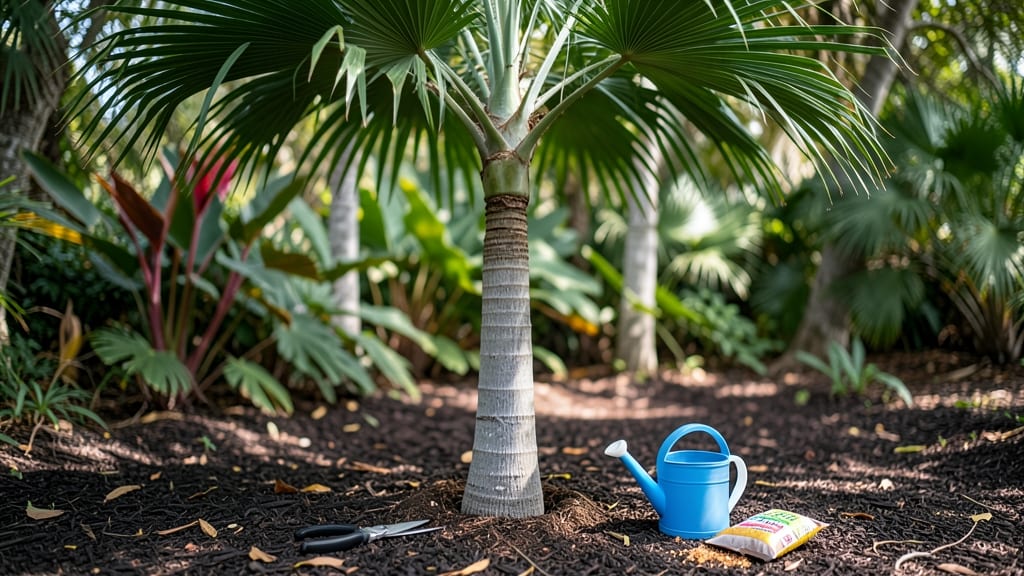
A majestic palm tree isn’t just a plant—it’s a statement piece that transforms any outdoor space into a tropical escape. 🌴 I’ve pruned palms for years, and the difference between a healthy, striking specimen and one that looks tired comes down to precision cuts that preserve its natural grace while strengthening its structure.
The key is timing and technique: prune when new fronds unfurl but before they fully unfurl, using sharp tools to avoid tearing. Most people overlook the importance of removing dead fronds at the base—this isn’t just about looks, it’s about preventing disease and pests.
A well-pruned palm stays stronger, fuller, and more resilient against storms or wind.
What you’ll end up with is a tree that commands attention—whether as a focal point in your front yard or a dramatic backdrop for patio seating. The right cuts reveal the elegant curve of the trunk and encourage lush, vibrant fronds that sway beautifully in the breeze.
Think of it as sculpting with nature.
Works for coastal homes, Mediterranean-style gardens, or even urban courtyards. The principles scale from small dwarf palms to towering Canary Island palms, so you can apply this to any size tree. Let’s get those shears ready!
📚 In This Guide
- What you need
- Instructions
- Tips and common mistakes
- Wrapping up and next steps
What you need
- ● Pruning shears or handsaw – Choose a sharp, bypass-pruning saw (12-14" blade) for clean cuts through thick fronds.
- ● Heavy-duty gloves – Garden-grade, cut-resistant gloves (e.g., Mechanix or Filson) to protect against jagged edges and sap.
- ● Ladder or lift – A stable, extendable ladder (20-30 ft) or cherry picker (rental recommended for tall palms).
- ● Pruning rope or zip ties – 1/4" nylon rope or heavy-duty zip ties (50+ ft) to bundle fronds for removal.
- ● Disinfectant (70% isopropyl alcohol or bleach solution) – To sterilize tools and prevent disease spread.
- ● Heavy-duty trash bags or tarp – 50-gallon contractor bags (2-3 bags) for debris disposal.
- ● Safety goggles & ear protection – Fronds can snap violently; ANSI-rated goggles and earplugs are a must.
- ● Pole saw or telescoping pruner – For hard-to-reach fronds without climbing.
- ● Respirator mask – If your palm produces irritating sap (e.g., coconut palms).
- ○ Tree wound dressing (optional) – Pruning sealant (like Tanglefoot Tree Wound Pruning Sealer) for large cuts (controversial—skip if unsure!).
- ● Extension cord & reciprocating saw – For emergency removal of dead fronds stuck in the crown.
- ● Camera or phone with timer – Capture before/after shots of your majestic palm tree’s transformation!
Step-by-Step guide to pruning palm trees for structural integrity
Precision cuts keep your palm tree healthy and prevent dangerous structural failure.
🌿 Step 1: Assess the Tree's Structural Health Before Pruning
Start by examining the palm for signs of disease, dead fronds, or weak growth points. Healthy fronds should be green and upright, while dead ones will be brown and brittle. I always begin at the base of the trunk and work my way up, checking for any visible damage or pest activity. This step is critical—you don’t want to accidentally remove healthy tissue while targeting dead or diseased areas.
Use a pair of gloves and safety glasses for protection, as palm fronds can be sharp and some pests may be present. If you notice any fungal growth or unusual discoloration, note the location for additional treatment after pruning. The goal here is to create a clear picture of what needs removal and what should stay intact for the tree’s long-term health.
✂️ Step 2: Remove Dead or Damaged Fronds with Clean Cuts
Dead fronds should be removed first, as they weigh down the tree and can harbor pests. Use sharp, bypass pruning shears or a pruning saw for larger fronds. Make your cuts at the base of the frond where it meets the trunk, angling slightly downward to prevent water from pooling and causing rot. Never leave stubs—always cut cleanly to avoid stressing the tree.
For smaller palms or delicate fronds, hand pruners work best. I like to make a small initial cut to test the resistance, ensuring the frond is fully dead before removing it entirely. Watch for any sap or resin—this is normal and indicates the tree is responding to the cut. If you encounter a frond that’s only partially dead, leave it for now and reassess in a few months.
☀️ Step 3: Thin Out Overcrowded or Weak Growth Points
Next, focus on thinning out any fronds that are overcrowded or growing in weak, uneven patterns. These can create weak spots in the canopy, making the tree more susceptible to wind damage. Look for fronds that are growing too close together or are significantly smaller than others—these are prime candidates for removal. The goal is to improve airflow and light penetration throughout the canopy.
When thinning, prioritize the outer fronds first. Remove no more than one-third of the total fronds in a single session to avoid shocking the tree. Use your pruners to make precise cuts just above a healthy growth node or bud. If you’re unsure whether a frond is viable, err on the side of caution and leave it—better to remove too little than too much.
⏰ Step 4: Monitor and Maintain Post-Pruning Care
After pruning, keep an eye on the tree for the first 4-6 weeks to ensure it’s recovering well. Healthy new growth should appear within this timeframe, and the remaining fronds should look vibrant and upright. If you notice any yellowing or wilting, it could indicate stress from over-pruning or an underlying issue like root damage.
Water the tree deeply but infrequently after pruning—palm trees are drought-tolerant once established, and overwatering can lead to root rot. Apply a balanced, slow-release fertilizer to support new growth, following the package instructions for application rates. Avoid heavy pruning during extreme heat or cold, as the tree will need extra time to recover.
Tips & tricks for pruning palm trees like a pro
Here's what nobody tells you about transforming your palm tree's structure with precision cuts—these are the secrets that separate a good prune from a truly majestic one.
Safety First: Beyond gloves and safety glasses, I recommend wearing long sleeves and closed-toe shoes when pruning palms. The sharp fronds can cause unexpected cuts, and the sap from some palms can irritate skin. I've learned this the hard way after dealing with a nasty sap burn that took a week to heal. Also, work with a partner if possible—they can help stabilize the ladder and spot potential hazards from below.
Tool Selection Matters: For Step 2, invest in a high-quality bypass pruning shears for clean cuts that heal faster. The blade should be sharp enough to cut through fronds with minimal resistance. I've tried dull tools that crushed the tissue instead of cutting cleanly, leading to ragged edges that took much longer to recover. For larger palms, a pruning saw with a fine-tooth blade will give you more control over those thick fronds without tearing the surrounding tissue.
Seasonal Timing: The best time to prune is during the tree's active growing season, typically spring or early summer. This gives the palm plenty of time to recover before winter dormancy. I've made the mistake of pruning in late fall when the tree was already slowing down, and it took nearly twice as long to show new growth. If you must prune in winter, limit yourself to removing only the most dead or hazardous fronds and avoid any major thinning.
Post-Pruning Observation: During the 4-6 week monitoring period from Step 4, look for signs of new growth emerging from the crown shaft. These are called "pups" and indicate the tree is actively regenerating. I've seen palms that appeared fine after pruning but were actually struggling internally—watch for these pups as a clear sign of recovery. If you don't see any new growth after 6 weeks, it might be time to consult an arborist about potential underlying issues.
Pro Tips for Majestic Palm Tree
- Here's what nobody tells you about transforming your palm tree's structure with precision cuts—these are the secrets that separate a good prune from a truly majestic one.
- Safety First: Beyond gloves and safety glasses, I recommend wearing long sleeves and closed-toe shoes when pruning palms.
- Tool Selection Matters: For Step 2, invest in a high-quality bypass pruning shears for clean cuts that heal faster.
Frequently asked questions
Got questions about pruning your majestic palm tree?
Here are answers to the most common concerns—from safety tips to timing tricks!
When is the best time to prune a palm tree?
Prune your palm tree during its dormant season (late fall to early spring) for optimal healing. Avoid heavy pruning in summer—heat stress can weaken the tree. Pro tip: If you spot dead fronds year-round, trim them carefully to prevent pests or disease from settling in.
Is it safe to prune a palm tree myself, or should I hire a pro?
Small palms (under 30 feet) with basic dead fronds can be pruned by homeowners with the right tools. However, tall palms or structural pruning require professional expertise to avoid damaging the crownshaft or trunk. Always prioritize safety—falling fronds or tools can cause serious injury!
How do I know if I’m over-pruning my palm tree?
Over-pruning happens when you remove more than 1/3 of the fronds at once or cut into the crownshaft (the thick, woody base above the trunk). Signs include yellowing leaves, slow growth, or exposed trunk. Let your palm recover by pruning lightly in future sessions.
Can I prune a palm tree in winter?
Yes, but moderately—winter is ideal for removing dead or damaged fronds since the tree isn’t actively growing. Avoid heavy cuts in freezing temperatures (below 30°F), as cold stress can harm the tree. If you live in a mild climate, winter pruning is a great way to prep for spring growth!
What should I do if my palm tree starts bleeding sap after pruning?
Sap bleeding is normal for 3–6 weeks post-pruning, but excessive oozing (like a sticky, dark residue) may signal infection. Clean cuts with a sterilized pruner and apply a wound sealant (like horticultural sealant) to large cuts. Monitor for mold or pests—if issues persist, consult an arborist.
Wrapping up and next steps
The majestic palm tree isn’t just a tropical icon—it’s a masterpiece of nature that thrives on care, especially when it comes to pruning. By mastering precision cuts, you’re not just shaping its beauty but ensuring its structural strength and longevity. 🌴✨
Ready to take your green thumb to the next level? Start small—pick one palm and practice your technique. Over time, you’ll see the difference in its health, resilience, and stunning silhouette. Happy pruning!