Flowers
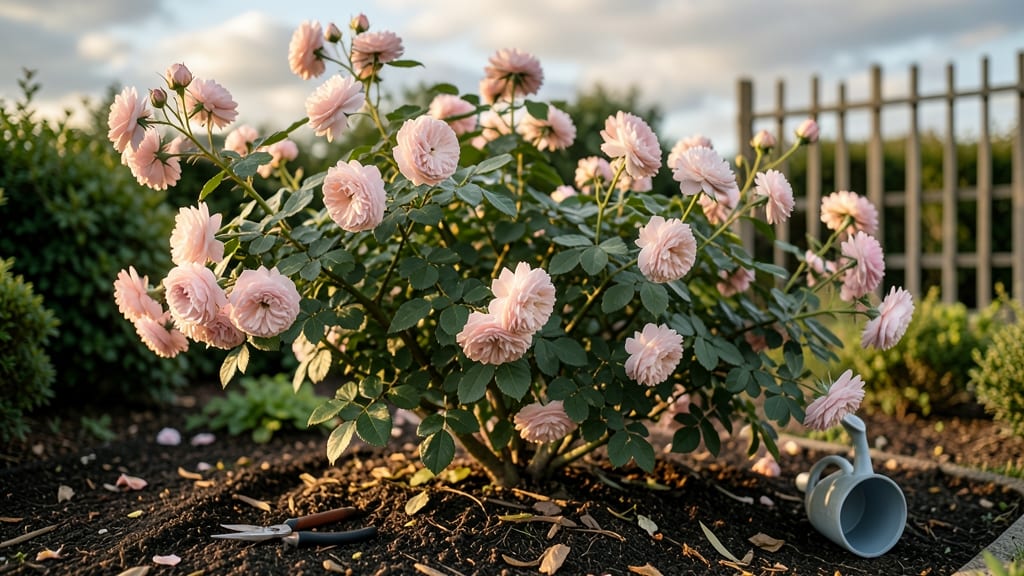
The Maurice Utrillo rose tree brings Art Deco elegance to your garden with its velvety, deep magenta blooms that cascade like a painter’s brushstroke. 🌹 I fell in love with this rose the first time I saw it arching over a pergola—it’s not just a plant, it’s a statement.
The petals have a satin-like sheen that catches the light, and its fragrance is a whisper of spice and honey that lingers in the afternoon breeze.
This climbing rose thrives as a focal point, draping gracefully over arbors, trellises, or even old-fashioned iron gates. It pairs beautifully with silver foliage like lamb’s ear or dusty miller, which makes those rich magenta blooms pop even more.
In mixed borders, it complements lavender’s soft purple and the deep green of hostas, creating a layered, romantic look that feels straight out of a 1920s garden magazine.
What makes it truly special is how it transforms a plain wall or fence into a living tapestry. By midsummer, you’ll have a dramatic, 8-foot-high curtain of blooms that lasts well into fall.
The thornless canes mean it’s also perfect for containers or small spaces—just give it a sturdy support to climb. Imagine sipping tea on your patio while this rose weaves its way through the air above you.
For maximum impact, plant it where it gets at least 6 hours of sunlight daily and prune lightly after flowering to encourage next year’s growth. Pair it with clematis for vertical interest or annuals like sweet peas at its base for a burst of seasonal color.
This isn’t just a rose—it’s a piece of living art that turns heads every season.
📚 In This Guide
- What you need
- Instructions
- Tips and common mistakes
- Wrapping up and next steps
What you need
- ● Rose bushes: 3–5 Climbing roses (e.g., 'New Dawn,' 'Blaze,' or 'Zephirine Drouhin') for a lush, Utrillo-esque effect. Choose pink, white, or deep red varieties for drama.
- ● Trellis or arbor: A curved metal or wooden arch (6–8 ft tall) to train vines upward. Utrillo’s style thrived on organic, flowing shapes—avoid rigid grids!
- ● Potting soil: 5–10 bags of well-draining, nutrient-rich mix (add compost for extra richness). Roses love aerated roots!
- ● Pruning shears: Sharp, bypass-style shears (for clean cuts) and hand pruners for trimming.
- ● Fertilizer: Slow-release rose fertilizer (e.g., Osmocote) or organic options like fish emulsion.
- ● Art Deco accents: Wrought-iron geometric planters or black-painted metal frames to frame the trellis.
- ● String lights: Solar-powered fairy lights (warm white) for an evening glow—Utrillo’s Parisian charm shines at dusk!
- ● Mulch: Dark brown or black mulch (e.g., cedar chips) to contrast the roses and add depth.
- ● Garden stakes: Decorative metal or bamboo stakes to support early growth (hide them behind foliage later!).
- ● Sunlight: A south- or west-facing spot with 6+ hours of direct sun daily (roses are sun-worshippers!).
- ● Space: At least 8 ft in diameter for the trellis + bush spread (or a vertical wall garden for small spaces).
- ● Watering system: A drip irrigation kit or hose with a gentle spray nozzle (roses hate soggy roots!).
- ● Patience: Roses take 1–2 years to reach full Utrillo-esque glory—plan ahead for dramatic payoff!
Step-by-Step guide to planting and caring for a Maurice Utrillo rose tree
Here's how to bring this iconic Art Deco beauty into your garden with confidence.
🌱 Step 1: Choose the Perfect Planting Spot
Maurice Utrillo roses thrive in full sun to partial shade, with at least 6 hours of direct sunlight daily. Look for a location with afternoon shade if you live in a hot climate—this prevents leaf scorch. I always check the microclimate around my house first, testing spots for 3-4 hours of sun exposure before committing.
The soil must drain well—these roses hate soggy roots. If your yard has heavy clay, amend with 2-3 inches of compost mixed into the top 12 inches of soil. Dig a hole twice as wide as the root ball but only as deep—planting too deep suffocates the graft union, which is critical for this variety's health.
🪴 Step 2: Plant with Care for Long-Term Health
Remove the rose tree from its container and gently loosen the roots if they're circling. This prevents transplant shock later. Place the tree in the hole so the graft union sits 2-3 inches above soil level—this protects it from soil-borne diseases. Backfill with native soil mixed with 1 cup of bone meal for phosphorus, which encourages strong root growth.
Water deeply right after planting to settle the soil and eliminate air pockets. You'll know it's right when water pools slightly at the surface but drains within 15-20 minutes. Mulch with 2-3 inches of organic mulch around the base, keeping it 3 inches away from the trunk to prevent rot. This mimics the rose's natural woodland habitat and retains moisture.
☀️ Step 3: Establish a Consistent Care Routine
Water deeply once weekly during the first growing season, aiming for 1-1.5 inches of water per week. Check soil moisture by sticking your finger 2 inches deep—if it feels dry, water again. Overwatering is the #1 killer of young rose trees, so always let the top inch dry out between waterings. In hotter months, you may need to water twice weekly, but always adjust based on rainfall.
Feed your Maurice Utrillo rose with a balanced rose fertilizer (10-10-10) every 4-6 weeks during the growing season. I like to mix it with water and apply it directly to the soil, avoiding the leaves. This variety responds beautifully to regular feeding, producing those lush, velvety blooms that make it so special. Stop fertilizing in late summer to encourage dormancy.
✂️ Step 4: Prune for Art Deco Elegance
Prune your rose tree in early spring before new growth begins. Remove any dead, diseased, or crossing branches first—this opens the center for better airflow. Then, cut back last year's growth by one-third to encourage bushier, more dramatic growth. I always make cuts just above an outward-facing bud to shape the tree naturally.
Throughout the season, deadhead spent blooms by cutting back to the first healthy leaf below the flower. This redirects the plant's energy into producing more of those stunning, dark pink blooms. In late fall, give your rose a final trim, removing any weak or leggy growth. This keeps the tree compact and prepares it for winter dormancy.
Tips & tricks for perfect Maurice Utrillo rose tree planting
Real talk: These little details make all the difference between a struggling rose bush and a showstopper that steals the show every spring.
Sunlight Strategy: That 6-hour minimum sunlight requirement is non-negotiable, but here's the thing—morning sun is your best friend. If you're in a hot climate, prioritize morning sunlight with afternoon shade. I've seen roses in full afternoon sun get crispy leaves by noon, even when they had enough total hours. Test potential spots with a simple sun calculator app for 3-4 days before committing.
Soil Science: The 2-3 inches of compost recommendation isn't just about drainage—it's about creating the perfect sponge-like texture. For heavy clay soil, mix in perlite or coarse sand too. I learned this the hard way after my first rose tree struggled in pure clay—now I always do a soil test before planting. The goal is soil that holds moisture but drains within 15-20 minutes, just like the instructions say.
Planting Precision: That graft union sitting 2-3 inches above soil level is more important than most gardeners realize. If you bury it too deep, the rose will grow weak and spindly. Mark the graft union with a small piece of tape before planting—it's easy to lose track when you're backfilling. And here's what nobody tells you: The bone meal in Step 2? Mix it into the bottom of the hole first, not the backfill soil. This gives roots instant access to phosphorus as they establish.
Watering Wisdom: The 1-1.5 inches weekly guideline works, but timing matters just as much. Water in the morning so leaves dry quickly—this prevents fungal diseases that love damp foliage. I set a rain gauge near my roses and adjust my watering schedule accordingly. In summer heat, I actually water twice weekly but give each session a deep soak to encourage deep root growth.
Pro Tips for Maurice Utrillo Rose Tree
- Real talk: These little details make all the difference between a struggling rose bush and a showstopper that steals ...
- Sunlight Strategy: That 6-hour minimum sunlight requirement is non-negotiable, but here's the thing—morning sun is yo...
- Soil Science: The 2-3 inches of compost recommendation isn't just about drainage—it's about creating the perfect spon...
Frequently asked questions
Got questions about Maurice Utrillo’s iconic Rose Tree and how to bring its Art Deco elegance to life? Here are answers to the most common inquiries—from practical tips to creative alternatives!
What makes the Rose Tree design so unique in Art Deco gardens?
The Rose Tree by Maurice Utrillo blends organic and geometric beauty, featuring cascading roses trained to grow in a structured, almost sculptural form. Its Art Deco charm lies in the contrast between the soft, romantic roses and the sharp, symmetrical lines of the trellis or metal framework—perfect for adding drama to any garden space.
Can I grow a Rose Tree in a small garden or urban space?
Utrillo’s design is versatile—opt for a climbing rose variety like 'New Dawn' or 'Blaze' and train it on a vertical trellis, wall-mounted frame, or even a large container. Just ensure it gets 6+ hours of sunlight daily and prune regularly to maintain its shape. For small spaces, a miniature rose tree on a compact lattice works beautifully!
How long does it take for a Rose Tree to reach its full dramatic look?
Patience is key! A Rose Tree typically takes 2–3 years to establish its structure, with full blooms and lush growth appearing in the second or third year. Start with a healthy rose bush, prune it aggressively in early spring, and guide its growth along the trellis. Bonus tip: Use soft ties to avoid damaging the stems while training!
What’s the best trellis material for an authentic Utrillo-style Rose Tree?
Utrillo’s original works often featured wrought iron or metal lattice for a sleek, Art Deco vibe. For durability, choose powder-coated steel or aluminum—these resist rust and add a modern twist. Wooden trellises (like cedar) work too but may require sealing. Avoid flimsy plastic; it won’t support the rose’s weight or last long-term.
Are there alternatives to roses for this look?
Yes! If roses aren’t your style, try clematis, jasmine, or climbing hydrangeas for a similar cascading effect. For a bold Art Deco statement, pair ornamental grasses (like fountain grass) with a metal trellis. Just ensure your chosen plant is climbing-friendly and thrives in your climate. Pro tip: Mix textures—like roses with wisteria—for extra drama!
Why aren’t my roses blooming as dramatically as Utrillo’s paintings?
Don’t worry—even expert gardeners face this! Common culprits include over-pruning, poor sunlight, or nutrient deficiencies. Boost blooms by fertilizing in early spring (use a rose-specific feed), ensuring full sun exposure, and deadheading spent blooms. If pests (like aphids) are the issue, treat with neem oil. Remember: Utrillo’s roses were hand-painted—real life takes time to match the magic!