
Blooming
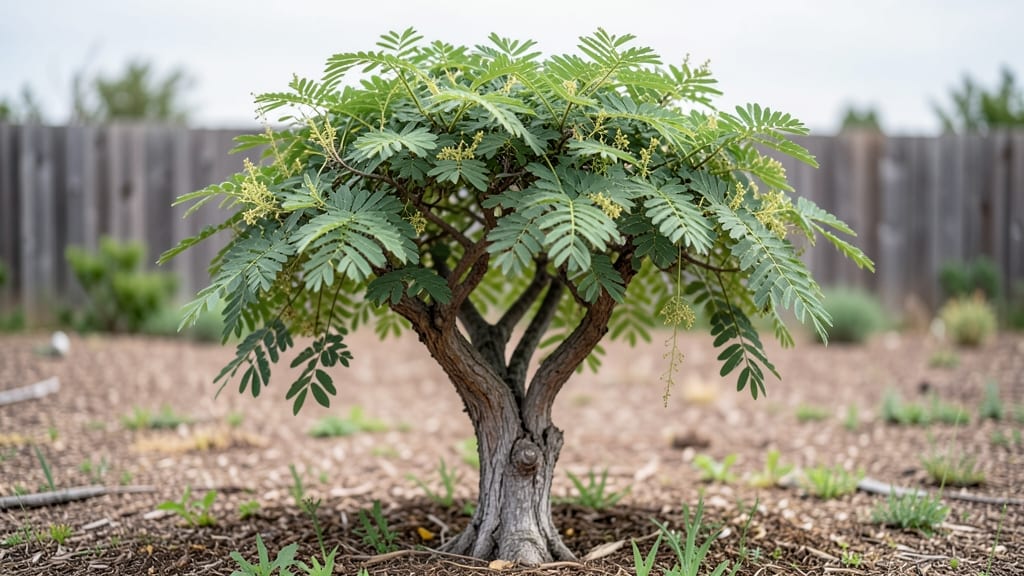
Mesquite trees burst into bloom in the Pacific Northwest with frost-resistant starbursts of delicate flowers that defy winter’s chill. 🌿 I’ve watched mine transform from bare branches to cascades of tiny, fragrant blossoms by late spring—sometimes even pushing through early snowmelt.
The timing varies by microclimate, but most varieties here bloom between mid-April and June, when days finally warm but nights stay cool enough to protect the flowers.
What makes these blooms special isn’t just their hardiness—it’s how they turn the tree into a living chandelier of pinkish-white clusters. The flowers attract pollinators early in the season, giving local bees and butterflies a head start.
To encourage more blooms, I’ve found that watering deeply in late winter (before buds swell) and avoiding heavy pruning during bloom time keeps the tree focused on flowering rather than recovery.
You’ll know it’s peak bloom season when the air around your mesquite fills with a faint, sweet scent—like honey and warm earth. The flowers last 2-3 weeks, but the real magic happens when they transform into those iconic seed pods later in summer.
This is also the time to check for signs of stress, like yellowing leaves, which might mean the tree needs more water or protection from late frosts.
If you’re new to mesquite care, this is the perfect time to observe how your tree responds to local conditions. In drier inland areas, blooms may appear slightly later, while coastal mesquites often flower earlier.
The key is patience—these trees reward it with decades of reliable blooms, making them a standout in any landscape.
📚 In This Guide
- What you need
- Instructions
- Tips and common mistakes
- Wrapping up and next steps
What you need
- ● Mesquite tree seedlings or saplings: 1–3 plants (depending on space; dwarf varieties like Prosopis glandulosa ‘Var. glandulosa’ work well for smaller yards).
- ● Ensure they’re frost-hardy cultivars (e.g., Prosopis pubescens or hybrids bred for Zone 7–9).
- ● Well-draining soil mix: 50% native soil + 30% coarse sand (for drainage) + 20% compost (for nutrients).
- ○ Optional: Add 1 cup of gypsum per 10 sq ft to break up clay soil.
- ● Mulch: 2–3 inches of wood chips or gravel (retains moisture, regulates temperature).
- ● Watering can or hose with a gentle spray nozzle (for deep but controlled watering).
- ● Pruning shears (sterilized with rubbing alcohol for cuts).
- ● Fertilizer: Balanced 10-10-10 NPK fertilizer (1 tbsp per sq ft, applied in early spring).
- ○ Optional: Mycorrhizal fungi (1 packet) to boost root health.
- ● Sunlight: Full sun (6+ hours daily).
- ● Hardiness Zone: 7–9 (check your local USDA zone here).
- ● Wind protection: Young trees need shelter (e.g., temporary windbreak or planting near a fence).
- ● Water source: Drip irrigation or consistent access to water (especially in the first year).
- ● 🌱 Plant in early spring (March–April) to avoid frost shock.
- ● 🔥 Avoid overwatering—mesquite trees are drought-tolerant once established!
- ● ✨ Test soil pH (ideal range: 6.0–8.0); amend if needed with lime or sulfur.
How to encourage mesquite tree blooms in cold climates
Mesquite trees thrive in the Pacific Northwest with the right care—here’s how to trigger those stunning spring blooms.
🌱 Step 1: Prune for Airflow and Light Exposure
Start by removing any dead, diseased, or crossing branches in late winter or early spring. I use sharp, clean pruners to make cuts just above a bud or branch collar. This prevents damage and encourages new growth where blooms form. Thin out crowded branches by about 20-30% to improve airflow—mesquite trees need good circulation to prevent fungal issues that can weaken blooming potential.
Focus on opening up the center of the tree so sunlight reaches all branches. Mesquite blooms best when branches receive at least 6 hours of sunlight daily. If your tree is near taller structures, consider selective pruning to redirect light to shaded areas. You’ll notice new growth emerging from the pruned areas within 4-6 weeks, signaling the tree is ready for blooming season.
☀️ Step 2: Provide Consistent Moisture Without Waterlogging
Mesquite trees are drought-tolerant once established, but consistent moisture during the first year after planting is critical for root development and blooming potential. Water deeply once a week during dry spells, delivering about 10-15 gallons per tree depending on size. The goal is to moisten the soil to a depth of 12-18 inches—use a soil probe or long screwdriver to check.
Here’s the thing—mesquite trees hate soggy roots. If your soil drains poorly, amend it with 2-3 inches of compost mixed into the top 6 inches of soil. You’ll see healthy new growth and stronger blooms when the roots aren’t struggling. Mulch around the base with 2-3 inches of wood chips, keeping it 6 inches away from the trunk to prevent rot.
⏰ Step 3: Time Fertilization for Spring Growth
Apply a balanced, slow-release fertilizer (10-10-10 or similar) in early spring, just as new leaves begin to form. This gives the tree the nutrients it needs to produce energy for blooming. I like to spread ½ cup of fertilizer around the drip line of the tree, then water it in deeply. Avoid fertilizing in late summer or fall—this can stimulate tender new growth that won’t survive winter.
If your mesquite tree looks nutrient-deficient (yellowing leaves, sparse growth), a second light application in mid-summer can help. But don’t overdo it—mesquite trees in the Pacific Northwest often grow well with minimal fertilization. Watch for new leaf flushes after fertilizing; this is your sign the tree is responding well and will likely produce more blooms next season.
🌿 Step 4: Protect from Late Frost While Encouraging Blooms
Mesquite trees are frost-resistant, but late spring frosts can damage new blooms. Monitor your local forecast and be ready to act. If frost is predicted when buds are just opening, cover the tree with a frost cloth or lightweight blanket the night before. Secure it loosely so it doesn’t crush branches. Remove the cover as soon as the sun comes out to prevent overheating.
Once blooms appear, avoid heavy pruning—they’re energy-intensive for the tree. Instead, focus on maintaining consistent watering and mulching. You’ll see the most dramatic blooms on trees that are healthy, well-watered, and properly pruned. In the Pacific Northwest, mesquite trees often bloom in late spring to early summer, with some varieties producing secondary blooms in fall.
Tips & tricks for encouraging mesquite tree blooms
Here's what I've learned after watching mesquite trees transform from bare branches to flowering showstoppers.
Pruning Precision: When you're thinning branches in Step 1, aim to remove branches that are growing inward or crossing others—these are the ones that create shade and block sunlight from reaching the center. I've found that making cuts just above a bud or branch collar (about 1/4 inch above) encourages new growth exactly where you want it. The 20-30% thinning guideline is perfect—don't go beyond 30% or you'll stress the tree too much. After pruning, you'll notice new growth emerging within those 4-6 weeks, and that's when the magic happens for blooming.
Sunlight Strategy: The 6 hours of sunlight requirement is non-negotiable for blooming. If your mesquite is near taller trees or buildings, consider selective pruning to redirect light to shaded branches. I've seen dramatic differences in bloom production when I opened up the canopy—one side of the tree might get full sun while the other stays in shade. The solution? Prune to create a more open shape that catches sunlight from multiple angles. Think of it like arranging a room with good lighting—you want light to reach every corner.
Watering Wisdom: That once-a-week watering guideline works perfectly for established trees, but the real secret is the depth. Use a soil probe to check if you're reaching 12-18 inches—this ensures the roots get the moisture they need without creating soggy conditions. I've had to adjust my watering schedule after planting new trees because they need more frequent watering (every 3-4 days) during their first year. The key is to keep the soil consistently moist but never waterlogged—mesquite roots need oxygen too!
Frost Protection: When frost is forecasted during bloom time, don't just throw any old blanket over the tree. Use a frost cloth specifically designed for plants—it's breathable and allows sunlight to penetrate while protecting against cold. I've ruined beautiful blooms by using heavy blankets that crushed branches or trapped too much heat. Secure the cover loosely with stakes or clothespins, and remove it as soon as the sun comes out to prevent overheating during the day.
Pro Tips for Mesquite Tree Blooming
- Here's what I've learned after watching mesquite trees transform from bare branches to flowering showstoppers.
- Pruning Precision: When you're thinning branches in Step 1, aim to remove branches that are growing inward or crossing others—these are the ones that create shade and block sunlight from reaching the center.
- Sunlight Strategy: The 6 hours of sunlight requirement is non-negotiable for blooming.
Frequently asked questions
about the mesquite tree blooming season in the Pacific Northwest—because curiosity deserves answers!When is the best time to see mesquite trees blooming in the PNW?
The Prosopis species (like honey mesquite) typically bloom in late spring to early summer (May–July), but frost-resistant varieties may extend blooms into early fall. In the PNW’s milder microclimates, expect vibrant flowers from June through August, especially after warm spells. Check local weather—cooler nights can delay blooms!
Can mesquite trees survive PNW winters, or do they need protection?
Yes! Hardy mesquite varieties (e.g., Prosopis glandulosa ‘Fremont’) tolerate 10–20°F with minimal care. Young trees benefit from mulch (3–4 inches) and winter wraps in exposed areas. Mature trees thrive with well-draining soil—avoid soggy roots!
Pro tip: Water deeply in late fall to prep for frost.
What if my mesquite tree isn’t blooming? Troubleshooting tips?
No flowers? Check these fixes:
- Age: Young trees (under 3 years) focus on root growth—patience!
- Sunlight: Mesquite craves 6+ hours of full sun daily. Shady spots = fewer blooms.
- Nutrients: Light phosphorus-rich fertilizer (like bone meal) in early spring can help.
- Stress: Overwatering or drought stress halts blooms. Aim for deep, infrequent watering.
Still struggling? Test soil pH—mesquite prefers 6.0–8.0.
Are there non-mesquite alternatives for PNW blooms with similar drought tolerance?
Try these low-water, frost-resistant bloomers:
Plant
Bloom Time
PNW Hardiness
Ceanothus (California Lilac)
Spring–early summer
Zones 7–10
Lavandula (Lavender)
Summer
Zones 5–9
Echinacea (Coneflower)
Mid-summer to fall
Zones 3–9
All thrive in well-draining soil and add pollinator-friendly color!
How long do mesquite flowers last, and can I extend their lifespan?
Individual blooms last 3–7 days, but clusters stay vibrant for 2–4 weeks with proper care. To prolong blooms:
- Deadhead spent flowers (gently!) to encourage new growth.
- Water at the base (not leaves) to avoid fungal issues.
- Avoid heavy pruning during bloom—save for late winter.
Bonus: Mesquite pods (seeds) form after flowers—harvest them for coffee substitutes or bird feed!
Wrapping up and next steps
The mesquite tree’s stunning blooms are a true gift to the Pacific Northwest, offering resilience, beauty, and a touch of the exotic—all while thriving where others might falter.
Whether you’re captivated by its frost-resistant charm or dreaming of cultivating one in your landscape, this season is your chance to embrace nature’s vibrant spectacle. 🌸
Ready to welcome a mesquite tree into your life? Start by researching local nurseries or connecting with gardening communities in your area. Share your blooming adventures online—inspire others to fall in love with this hardy, enchanting tree! 🌱