
Pruning
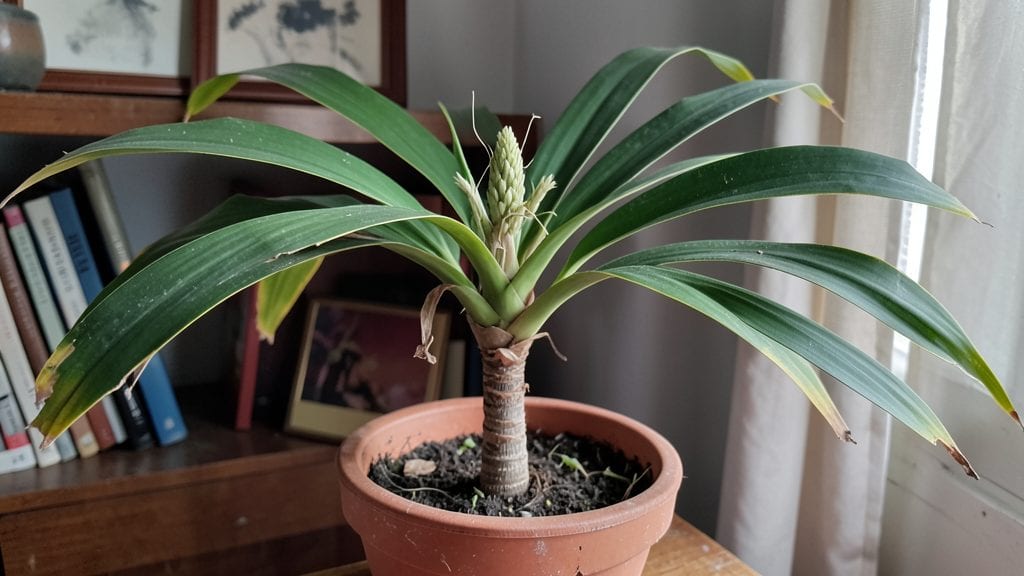
Growing a mini coconut tree in the Pacific Northwest isn’t just possible—it’s thriving in my sunroom this winter. 🌿 The key isn’t forcing a tropical plant to adapt; it’s pruning it to survive our chilly winters while keeping that lush, palm-like presence year-round.
I’ve learned that with the right cuts and care, these trees can bounce back stronger than ever after frost.
Here’s the thing—most people assume coconut trees need heat to survive, but with frost-resistant pruning, you can keep yours alive through our damp winters.
Start with a well-draining soil mix in a container large enough for roots to spread, and place it where it gets bright, indirect light for most of the day.
The pruning itself is simple: trim back any brown or damaged fronds in early spring, and avoid cutting into the trunk unless absolutely necessary.
By summer, you’ll see new fronds unfurling with vibrant green leaves, and the tree will reward you with that classic tropical vibe—even in Seattle. The secret is patience: these trees grow slowly, but with consistent care, yours could produce small coconuts in 5-10 years, depending on the variety.
The best part? You’ll never have to worry about losing it to a cold snap again.
Whether you’re growing it in a pot on your patio or bringing it indoors for winter, this method works for any Pacific Northwest climate. The only real challenge is resisting the urge to over-prune—less is more when it comes to keeping these tropical beauties happy in our cool, wet weather.
📚 In This Guide
- What you need
- Instructions
- Tips and common mistakes
- Wrapping up and next steps
What you need
- ● Pruning shears or bypass pruners – Sharp, clean, and sterilized (70% isopropyl alcohol works!). 1 pair (or 2 for larger branches).
- ● Disinfectant (hydrogen peroxide or rubbing alcohol) – 1 small bottle (4 oz) for tool sterilization between cuts.
- ● Gloves (cut-resistant & garden-grade) – 1 pair to protect from thorns and sap.
- ● Rake or leaf blower – 1 unit to clear debris post-pruning.
- ○ Pruning sealant (optional but recommended) – 1 small tube (e.g., Tanglefoot Tree Wound Pruning Seal) to prevent disease entry.
- ● Sharpie or permanent marker – 1 for marking cuts (if needed).
- ● Bucket or trash bag – 1 large for collecting pruned branches.
- ● Hand saw (for thicker branches) – 1 small pruning saw (if your mini coconut has stubborn growth).
- ● Frost cloth or burlap – 1 roll (for post-pruning protection in sudden freezes).
- ● Compost or mulch – 5-10 gallons to replenish soil after pruning.
- ● Camera or phone – 1 to document your tree’s progress!
Frost-resistant pruning techniques for Pacific Northwest mini coconut trees
Here's how to keep your tropical beauty thriving through cooler seasons—without losing its charm.
🌿 Step 1: Assess Growth Before Pruning Season
Start by examining your mini coconut tree in late winter (just before new growth begins). Look for woody stems that have thickened over the past year—these are your pruning targets. Healthy growth should show green buds along the main trunk and branches, signaling it's ready to respond well to pruning.
I always wait until after the last frost date in my zone (around mid-March for most of the PNW). Pruning too early risks exposing tender new growth to cold snaps. Use sharp, clean pruning shears to make cuts—dull blades crush stems and invite disease.
✂️ Step 2: Remove Weak or Damaged Branches First
Start with dead, diseased, or crossing branches—these compete with healthy growth for energy. Cut back to the main trunk or outer bud where the branch originates. For dead wood, you'll see brown, brittle stems that snap easily when bent.
Here's the thing—never remove more than 25% of the tree's foliage in one pruning session. Mini coconut trees store energy in their trunks, and aggressive pruning stresses them. Watch for yellowing leaves after pruning—this is normal as the tree adjusts, but excessive yellowing means you've pruned too much.
🌱 Step 3: Shape for Cold Resistance
Focus on opening the canopy to improve airflow, which reduces frost damage. Thin out overcrowded branches by cutting back to the nearest outward-facing bud. This creates a more upright, vase-like shape that sheds snow and ice better in winter.
For frost-prone areas, I recommend light heading cuts—trimming back the top 2-3 inches of new growth on side branches. This encourages bushier growth lower on the tree, which is less likely to suffer frost damage. Avoid heavy heading cuts on the main trunk, as this can stunt growth.
☀️ Step 4: Post-Pruning Care for Pacific Northwest Winters
After pruning, water deeply to help the tree recover. The roots need moisture to support new growth, especially if winter was dry. Apply a 2-inch layer of mulch (like bark or straw) around the base to insulate roots from temperature swings.
Move potted mini coconut trees to a sheltered location (like against a south-facing wall) before the first 20°F nights. Even frost-resistant varieties benefit from protection. If you notice brown leaf tips after pruning, it's often a sign of low humidity—mist the leaves occasionally to mimic tropical conditions.
Tips & tricks for frost-resistant mini coconut tree pruning
Pruning your mini coconut tree for winter resilience takes a few strategic moves—here's how to do it right the first time.
Timing is Everything: The late winter timing in Step 1 is non-negotiable. I learned this the hard way after pruning too early and watching new growth get nipped by surprise frosts. Check your local last frost date—most PNW zones hit it around mid-March. If you're unsure, wait a week longer rather than risking tender new shoots.
Tool Prep Matters: Before you start cutting in Step 1, take 5 minutes to sharpen your pruning shears. Dull blades tear stems rather than cleanly cut them, creating wounds that invite disease. I keep a small file in my gardening toolkit just for this purpose—it makes all the difference in clean cuts that heal properly.
Visual Cues for Healthy Growth: When assessing growth in Step 1, look for these telltale signs: healthy green buds should be plump and firm, while woody stems will feel hard and slightly rough. The 25% foliage rule in Step 2 is your safety net—if you're unsure, count branches before cutting. I like to sketch a quick diagram of the tree's shape first to visualize what I'm removing.
Winter Protection Hacks: For the 20°F nights mentioned in Step 4, consider adding a layer of frost cloth around potted trees. It's lightweight but adds crucial insulation. I've also had success with bubble wrap wrapped around the pot—it's cheap, reusable, and works surprisingly well. Just remember to remove it during the day to prevent overheating.
Pro Tips for Mini Coconut Tree
- Pruning your mini coconut tree for winter resilience takes a few strategic moves—here's how to do it right the first time.
- Timing is Everything: The late winter timing in Step 1 is non-negotiable.
- Tool Prep Matters: Before you start cutting in Step 1, take 5 minutes to sharpen your pruning shears.
Frequently asked questions
Got questions about growing and pruning your mini coconut tree in the Pacific Northwest? You’re not alone! Here are answers to the most common queries to help your tropical thriver stay happy and healthy—even in cooler climates.
How cold can a mini coconut tree tolerate?
A mini coconut tree (Cocos nucifera) thrives in USDA zones 10–11 but can handle brief dips to 30°F (-1°C) with protection. In the PNW, wrap the trunk in burlap and cover with frost cloth or a mini greenhouse during winter. Young trees are more vulnerable—consider potted varieties for flexibility.
When is the best time to prune my mini coconut tree?
Prune in late winter or early spring (before new growth starts) to avoid stressing the tree. Focus on removing dead fronds, yellowing leaves, and any crossing branches. Avoid heavy pruning in fall—it limits winter hardiness. Pro tip: Sterilize shears with rubbing alcohol to prevent disease!
Can I grow a mini coconut tree indoors in the PNW?
Potted mini coconut trees (like Cocos nucifera ‘Malayan Green’) thrive indoors with bright, indirect light (south-facing window) and humidity (mist leaves or use a pebble tray). Keep temps above 55°F (13°C) and rotate the pot monthly for even growth. Just expect slower growth than outdoor trees.
Why are my mini coconut tree’s fronds turning brown?
Brown fronds often signal underwatering, overwatering, or cold stress. Check soil moisture—it should stay slightly moist but not soggy. If roots are exposed or the pot feels icy, move it to a warmer spot. Yellowing fronds may indicate nutrient deficiency; fertilize lightly with a balanced palm fertilizer in spring/summer.
Are there frost-resistant alternatives to coconut trees?
If coconut trees feel too high-maintenance, try these PNW-friendly tropicals:
- Ponytail Palm (Beaucarnea recurvata): Drought-tolerant and cold-hardy to 20°F (-7°C).
- Kentia Palm (Howea forsteriana): Thrives indoors and handles temps down to 40°F (4°C).
- Dwarf Date Palm (Phoenix roebelenii): Cold-hardy to 20°F (-7°C) and perfect for containers.
Wrapping up and next steps
Growing a mini coconut tree in the Pacific Northwest is totally doable—with the right pruning techniques and a little patience! 🌱 By mastering frost-resistant trimming, you’ll keep your tropical beauty thriving year-round, even in cooler climates.
Whether you’re a seasoned gardener or just starting out, these tips will help you nurture a healthy, compact coconut tree that’s as resilient as it is stunning.
Ready to take the next step? Start small—pick a sunny spot, gather your tools, and give your mini coconut tree the care it deserves. Before you know it, you’ll be harvesting (or admiring!) those iconic coconuts! 🌴✨