
Pruning
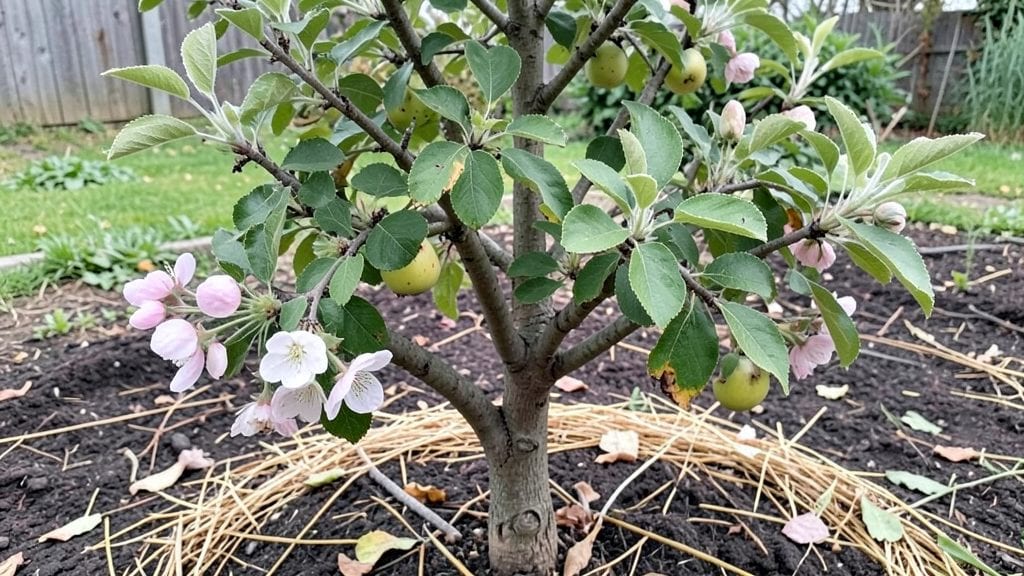
Growing a miniature apple tree in your backyard means crisp, homegrown fruit without the space of a full orchard. 🌳 I planted mine last spring, and now it’s already bearing tiny, sweet apples—proof that dwarf varieties pack big flavor in small packages.
The secret lies in choosing the right variety, giving it proper sunlight, and pruning like a pro to keep it productive and compact.
You’ll need a sunny spot with at least 6 hours of light daily, well-draining soil, and a container or small hole if space is tight. Dwarf trees thrive in 5-gallon pots or directly in the ground, making them perfect for patios, balconies, or even large planters.
With consistent watering and a little winter care, you’ll harvest fruit in just 2-3 years—much faster than full-size trees.
The real magic happens when you prune strategically. A well-shaped tree produces more fruit and stays manageable. I learned the hard way that skipping pruning leads to tangled branches and fewer apples, but once you master the basics, it becomes second nature.
Your reward? A tree that fits your space but tastes like a farm-fresh harvest.
Whether you’re growing in a container or planting directly, these trees adapt beautifully to small gardens. The key is patience—dwarf trees take a little longer to mature than you might expect, but the payoff of picking your own apples is worth every season of waiting. Let’s get your orchard started!
📚 In This Guide
- What you need
- Instructions
- Tips and common mistakes
- Wrapping up and next steps
What you need
- ● Miniature apple tree sapling: Choose a dwarf variety (e.g., 'Columnar,' 'Spindle,' or 'Bush' types) from a reputable nursery. Pro tip: Look for disease-resistant varieties like 'Liberty' or 'Enterprise'!
- ● Well-draining potting mix: A blend of 60% topsoil, 20% compost, and 20% perlite or sand (for containers). 💡 For in-ground planting, amend clay soil with organic matter.
- ● Container (if growing in pots): A 15–25 gallon pot with drainage holes for dwarf trees. ✨ Ensure it’s at least 12 inches deep to accommodate root growth.
- ● Pruning tools: Bypass pruners (sharp, for clean cuts)
- ● Loppers (for thicker branches)
- ● Hand saw (for stubborn branches)
- ● Disinfectant: Rubbing alcohol or a 10% bleach solution to sterilize tools between cuts.
- ● Fertilizer: Slow-release granular or organic fertilizer (e.g., 10-10-10 NPK ratio) for spring/summer feeding.
- ● Mulch: Wood chips or straw to retain moisture and regulate soil temperature.
- ● Tree ties or soft garden twine for support during windy conditions.
- ● Drip irrigation system or soaker hose for consistent watering.
- ● Fruit tree spray (organic or copper-based) to prevent pests/diseases.
- ● Grafting tools (if propagating from cuttings or grafting).
- ● Gloves and long sleeves to protect against thorns and sap.
Step-by-step instructions for growing a miniature apple tree
Here's how to nurture a dwarf apple tree into a thriving, fruit-bearing beauty.
🌱 Step 1: Choose the Right Location and Plant Your Tree
Select a sunny spot with at least 6-8 hours of direct sunlight daily. Miniature apple trees need full sun to produce fruit. Dig a hole twice as wide as the root ball but only as deep—planting too deep can suffocate the roots. Gently remove the tree from its container and loosen any circling roots with your fingers.
Place the tree in the hole so the graft union (the bump where the dwarfing rootstock meets the apple scion) sits 2-3 inches above soil level. This prevents the scion from rooting and keeps the tree true to its dwarf size. Backfill with native soil, tamping lightly as you go to eliminate air pockets. Water deeply to settle the soil around the roots.
☀️ Step 2: Provide Proper Care for Healthy Growth
Water your miniature apple tree 1-2 times per week during the first growing season, keeping the soil evenly moist but never soggy. You'll know it's time to water when the top 2 inches of soil feel dry to the touch. Overwatering can lead to root rot, while underwatering causes stress that stunts fruit production.
Apply a balanced 10-10-10 fertilizer in early spring and again in midsummer, following package instructions. Miniature apple trees are heavy feeders but need less than full-size trees. Prune in late winter or early spring to remove dead or crossing branches, and thin out crowded growth to improve airflow. This prevents disease and encourages stronger fruit production.
✂️ Step 3: Prune and Train for Optimal Fruit Production
Prune your tree annually to maintain its shape and encourage fruiting spurs. Use clean, sharp pruners to make cuts just outside the branch collar—the swollen area where the branch meets the trunk. Remove any suckers that grow below the graft union, as these will revert to the rootstock and produce large, unwanted fruit.
Train the main branches to spread outward in a well-balanced shape. This creates a sturdy framework for future growth and makes harvesting easier. Thin out excess fruit in early summer to leave 6-8 inches between each apple. This ensures larger, higher-quality fruit and reduces the risk of branches breaking under the weight.
🍏 Step 4: Protect and Harvest Your Fruit
Watch for signs of pests like aphids or codling moths, which can damage leaves and fruit. Use organic sprays like neem oil or insecticidal soap if needed, applying them in the evening to avoid harming bees. Miniature apple trees are generally more resistant to pests than full-size varieties, but vigilance is key.
Harvest apples when they're fully colored and easily detached from the tree with a gentle twist. Use a small ladder if needed to reach higher branches safely. Store harvested fruit in a cool, dark place with good airflow to extend shelf life. Enjoy your homegrown apples fresh, baked into pies, or preserved as applesauce!
Tips & tricks for perfect miniature apple trees
Here's what I've learned from growing these compact fruit producers—tricks that'll help you avoid common pitfalls and get the most from your little orchard.
Sunlight Strategy: While the instructions call for 6-8 hours of direct sunlight, I've found that morning sun (east-facing) combined with afternoon shade (west-facing) actually works better in hot climates. The intense midday sun can stress young trees. If you're in a shadier spot, consider a dwarf variety that tolerates partial shade, like 'Columnar' apples.
Planting Depth Secret: That 2-3 inch graft union height above soil is critical—don't guess! Use a small stick or ruler to measure as you're planting. I've seen beginners bury the graft union completely, which causes the tree to revert to its rootstock and grow much larger than intended. This simple measurement saves years of frustration.
Watering Wisdom: The 1-2 times per week guideline works for average conditions, but I've learned to adjust based on your soil type. Sandy soil drains quickly and may need watering every 2-3 days, while clay soil can go 5-7 days between waterings. Always check that top 2 inches before watering—your finger is the best tool!
Pruning Pro Tip: When thinning fruit in early summer to leave 6-8 inches between apples, I recommend doing this in stages. Remove the weakest fruit first, then wait 2 weeks before removing the next batch. This gradual approach prevents shock to the tree and gives you multiple harvest opportunities throughout the season.
Pro Tips for Miniature Apple Tree
- Here's what I've learned from growing these compact fruit producers—tricks that'll help you avoid common pitfalls and get the most from your little orchard.
- Sunlight Strategy: While the instructions call for 6-8 hours of direct sunlight, I've found that morning sun (east-facing) combined with afternoon shade (west-facing) actually works better in hot climates.
- Planting Depth Secret: That 2-3 inch graft union height above soil is critical—don't guess!
Frequently asked questions
Got questions about growing your own miniature apple tree? You’re not alone! Here are answers to the most common queries—from pruning to placement—so you can cultivate a thriving compact orchard with confidence.
How often should I prune a miniature apple tree?
Prune your miniature apple tree twice a year: late winter (before buds swell) for shaping and summer (after harvest) to remove suckers or overgrown branches. Light trimming between seasons keeps it tidy. Pro tip: Use sharp, sterilized tools to avoid disease!
Can a miniature apple tree grow in a pot?
Miniature apple trees thrive in 5-10 gallon containers with drainage holes. Use well-draining soil (like a mix of potting soil and perlite) and repot every 2-3 years. Place in full sun (6+ hours/day) and water when the top inch of soil feels dry. Bonus: Pots make them perfect for patios or balconies!
When will my miniature apple tree produce fruit?
Patience is key! Most dwarf varieties bear fruit in 2–5 years, depending on care and variety. Choose self-pollinating types (like ‘Columnar’ or ‘Spindle’) for easier fruiting. Fun fact: Some mini trees yield dozens of apples—tiny but mighty!
What if my miniature apple tree’s leaves turn yellow?
Yellow leaves often signal overwatering, nutrient deficiency, or pests. Check the soil moisture (let it dry slightly between waterings) and inspect for aphids or mites. Feed with balanced fertilizer in spring. If the issue persists, test soil pH (ideal: 6.0–6.5). Quick fix: Trim affected leaves to encourage new growth!
Are there alternatives to traditional miniature apple trees?
Yes! Consider columnar apple trees (narrow, upright growth) or espalier-trained varieties for vertical spaces. Dwarf rootstocks (like M.9 or B.9) also work well. For instant gratification, try bush-type apples (e.g., ‘Liberty’ or ‘Zestar!’), which fruit early and stay compact. Pick your style: Columnar = space-saving; espalier = decorative!
How do I protect my miniature apple tree from pests?
Prevent pests with neem oil sprays (early spring/fall) and row covers for young trees. Watch for apple maggots, aphids, or scale insects. Encourage beneficial insects (like ladybugs) and remove fallen fruit promptly. Organic hack: Plant garlic or marigolds nearby to deter pests naturally!
Wrapping up and next steps
Growing a miniature apple tree is a rewarding way to bring a touch of orchard charm to your backyard—without the space or upkeep of a full-sized tree! 🌳 With the right pruning techniques, you’ll enjoy bountiful harvests and a stunning focal point year-round.
Whether you’re a seasoned gardener or just starting, these tips will help you nurture a thriving, compact apple tree.
Ready to take the next step? Start small—choose your favorite variety, gather your tools, and begin pruning with confidence! 🌟 Your tiny orchard awaits, and the first crisp apple of the season could be just a few seasons away.