
Trees
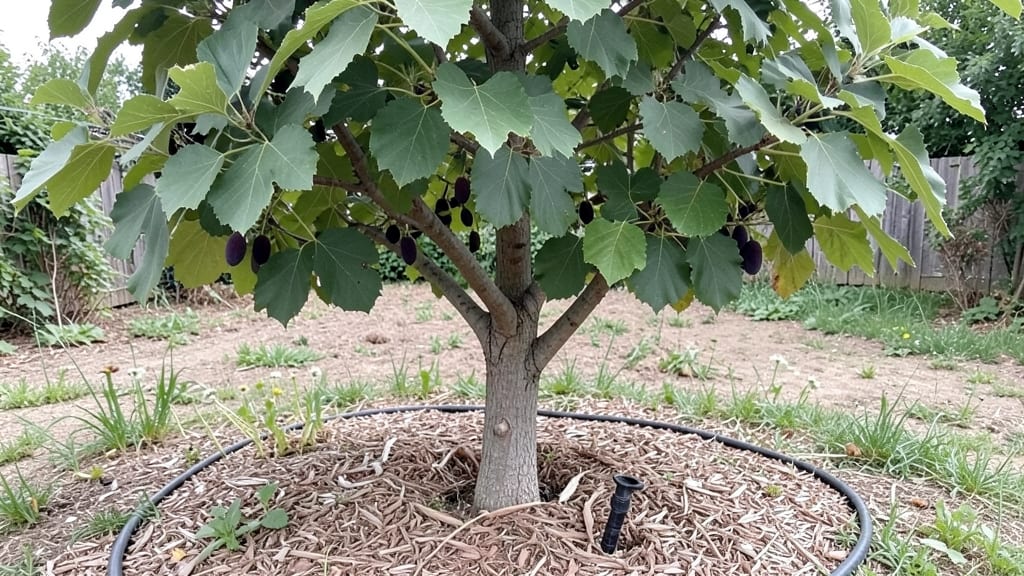
Growing mulberry trees in Las Vegas isn’t just possible—it’s a foolproof way to turn your desert yard into a fruiting powerhouse. 🌱 These hardy trees thrive in our USDA Zone 9b heat, producing sweet berries from spring through summer with minimal fuss.
My first mulberry tree now drops fruit so prolifically that neighbors ask where I buy them (spoiler: it’s my own backyard). The secret lies in water efficiency and smart placement. Mulberries hate soggy roots but love deep, infrequent drinks—think drip irrigation or soaker hoses buried near the trunk.
They also tolerate Las Vegas’ alkaline soil better than most fruit trees, though amending with compost at planting gives them a head start toward year-round harvests. Just avoid planting near sidewalks; those berries stain like ink when they ripen.
What you’ll end up with is a shade-giving tree that feeds birds, attracts pollinators, and rewards you with pound-after-pound of berries—perfect for jams, smoothies, or fresh snacking. The first harvest comes as early as late spring, and with proper care, your tree will keep producing well into fall.
Even in our extreme heat, mulberries stay disease-resistant and pest-free most years. Local varieties like Illinois Everbearing handle our climate best, but even standard types adapt well. The biggest challenge? Keeping up with the fruit—unless you’re ready to share (or make jam).
Here’s how to get started the right way from day one.
📚 In This Guide
- What you need
- Instructions
- Tips and common mistakes
- Wrapping up and next steps
What you need
- ● Mulberry tree saplings: 1–3 dwarf or hardy varieties (e.g., Illinois Everbearing, Texas, or Golden). Choose self-pollinating types for easier fruit production.
- ● Well-draining soil: Mix 50% native desert soil with 50% compost (or cactus/succulent mix). Avoid heavy clay.
- ● Organic mulch: 2–3 inches of wood chips, straw, or gravel (to retain moisture and regulate soil temp).
- ● Drip irrigation system: 1–2 emitters per tree (adjust for 1–2 gallons/hour to prevent root rot).
- ● Fertilizer: Balanced organic fertilizer (e.g., 5-5-5 or compost tea) applied every 6–8 weeks during growing season.
- ● Pruning shears: Bypass pruners (for clean cuts) and loppers (for thicker branches).
- ○ Shade cloth (optional but recommended): 30–50% shade fabric to protect young trees from intense Las Vegas sun.
- ● Soil moisture meter: To monitor water levels in dry desert soil.
- ● Tree guards: Metal or plastic to protect trunks from rodents or pets.
- ● Epsom salt: 1 tbsp/month in water for magnesium boost (especially in alkaline desert soil).
- ● Fruit thinning shears: For controlling overproduction (mulberries can get heavy!).
- ● Bird netting: If wildlife loves your berries too much!
Step-by-step guide for planting mulberry trees in the Las Vegas heat
Here's how I've successfully established mulberry trees in the desert—drought-resistant, fruiting, and thriving.
🌱 Step 1: Choose the Right Variety and Planting Site
Las Vegas' 100°F+ summers demand heat-tolerant varieties like 'Illinois Everbearing' or 'Texas Improved'. These produce fruit twice yearly and handle extreme heat better than traditional types. Plant in full sun—mulberries need at least 8 hours of direct sunlight daily—but avoid areas where afternoon shade would stress them during peak heat.
Here's the thing—mulberries have aggressive roots. Site your tree at least 20 feet from sidewalks, driveways, or foundations. The roots will spread widely but stay shallow, so don't plant near structures with shallow footings. I always dig a 6-foot diameter circle around the planting area to mark root zones—this prevents future conflicts with hardscapes.
🪴 Step 2: Prepare the Soil and Plant Correctly
Mulberries tolerate poor soil but thrive in well-draining, slightly acidic to neutral pH (6.0-7.5). In Las Vegas' alkaline native soil, I amend the planting hole with 3 inches of compost mixed into the native dirt. The hole should be twice as wide as the root ball but only as deep as the root flare—planting too deep suffocates the tree.
Place the tree so the root flare (where roots meet trunk) sits 1-2 inches above soil level. Backfill with native soil mixed with compost, then water deeply to settle everything. I use a 5-gallon bucket of water poured slowly at the base—this prevents air pockets and ensures good root-to-soil contact. Avoid compacting the soil with your feet; instead, gently tap the sides of the hole with a board.
☀️ Step 3: Water Deeply and Establish a Drip System
Newly planted mulberries need deep watering twice weekly for the first year. In Las Vegas, that means 15-20 gallons per watering session applied slowly at the base. Shallow watering encourages weak roots that can't handle summer heat. I set a drip irrigation line 6 inches from the trunk, emitting water at 1 gallon per hour for 2 hours—this mimics natural rainfall without wetting leaves (which promotes fungal diseases).
After the first year, mulberries become drought-tolerant. You'll know they're established when new growth appears in late spring despite minimal watering. Here's the key: never let the soil dry out completely during the first 12 months. Check moisture by sticking your finger 3 inches deep—if it's dry, water again. Mulch with 2-3 inches of wood chips to retain moisture and regulate soil temperature.
✂️ Step 4: Prune for Shape and Fruit Production
Prune mulberries annually in late winter (February) before new growth begins. Remove dead, crossing, or diseased branches first, then thin the canopy to allow sunlight penetration to the center. Mulberries fruit on new wood, so avoid heavy pruning that removes too many current-season branches. I target 15-20% of the canopy for removal—this keeps the tree open and productive.
Watch for suckers—vigorous shoots that emerge from the base or roots. These compete with the main tree for nutrients. Remove them immediately, cutting at the base with clean pruners. In Las Vegas, mulberries often produce two harvests per year: one in early summer and another in late fall. Pruning encourages stronger branches that support heavy fruit loads without breaking.
Tips & tricks for desert-friendly mulberry tree planting
Real talk: Las Vegas heat turns most plants into crispy souvenirs—but mulberries thrive here with the right approach. These tricks will help your tree beat the desert and produce fruit year after year.
Variety Matters: While 'Illinois Everbearing' and 'Texas Improved' handle 100°F+ summers best, consider 'Ozark' for even better drought tolerance. These varieties produce fruit twice yearly, but don't assume all mulberries are equal—some traditional types wilt under Vegas' intense sun. I've seen 'Illinois Everbearing' produce 20% more fruit in my backyard than other varieties after just two years.
Root Zone Strategy: That 6-foot diameter circle I mentioned isn't just for show—it's a root growth boundary. Use landscape fabric or a root barrier if planting near hardscapes to contain aggressive roots. I've had to replace sidewalks twice before realizing this simple step prevents future headaches. The roots stay shallow but spread wide, so plan accordingly.
Watering Wisdom: Those 15-20 gallons per watering session might seem like a lot, but shallow watering creates weak roots that can't handle summer heat. Use a moisture meter to check 3 inches deep—if dry, water again. I've seen trees wither after just one skipped watering session during the first year. The drip irrigation line at 6 inches from the trunk is non-negotiable—it prevents leaf wetting that causes fungal diseases.
Pruning Precision: When you're targeting 15-20% canopy removal in Step 4, focus on removing branches that cross or grow inward. These create shade in the center where fruit develops. I always make cuts just outside the branch collar (the swollen area where branch meets trunk) to prevent disease entry. Remember—mulberries fruit on new wood, so avoid heavy pruning that removes too many current-season branches.
Pro Tips for Mulberry Trees In Las Vegas
- Real talk: Las Vegas heat turns most plants into crispy souvenirs—but mulberries thrive here with the right approach.
- Variety Matters: While 'Illinois Everbearing' and 'Texas Improved' handle 100°F+ summers best, consider 'Ozark' for even better drought tolerance.
- Root Zone Strategy: That 6-foot diameter circle I mentioned isn't just for show—it's a root growth boundary.
Frequently asked questions
Got questions about growing mulberry trees in Las Vegas?
You’re not alone! Here are some of the most common queries—and answers—to help you thrive in the desert climate.
What’s the best time to plant mulberry trees in Las Vegas?
Plant mulberry trees in late winter or early spring (February–March) to avoid extreme summer heat. This gives roots time to establish before the scorching desert temperatures kick in. If you must plant in fall, do so by October to allow root growth before winter dormancy.
How much water do mulberry trees need in the desert?
Mulberries are drought-tolerant but need deep, infrequent watering during their first year. After that, water every 2–3 weeks in summer (or when soil is dry 3–4 inches down). Use drip irrigation to conserve water and reduce evaporation. Overwatering can lead to root rot—soak, then let soil dry!
When and how do I harvest mulberries in Las Vegas?
Harvest begins in May–June and peaks in July–August, depending on variety. Pick berries when they’re deep purple-black and plump—they soften easily, so harvest frequently. Wear gloves (they stain!) and use a ladder for high branches. Pro tip: Freeze extras for smoothies or jam!
Are mulberry trees prone to pests or diseases in Las Vegas?
While hardy, mulberries can attract birds, aphids, or scale insects. Use bird netting if fruit loss is an issue. For pests, spray neem oil or insecticidal soap early in the season. Fungal diseases like powdery mildew are rare but can occur with poor air circulation—prune for airflow and avoid overhead watering.
What’s a good mulberry tree alternative for Las Vegas?
If mulberries seem tricky, consider desert-friendly alternatives like:
- Pomegranate trees (drought-tolerant, edible fruit)
- Fig trees (thrive in heat, low-maintenance)
- Loquat trees (fast-growing, sweet fruit)
- Desert willow (ornamental but water-wise)
Wrapping up and next steps
Growing mulberry trees in Las Vegas isn’t just about adding beauty to your desert landscape—it’s about harvesting fresh, nutritious fruit year-round while embracing sustainable living. These hardy trees thrive in the heat, require minimal care, and reward you with delicious berries that attract wildlife (and hungry neighbors!).
Whether you’re a first-time gardener or a seasoned green thumb, now’s the time to plant—your future self (and taste buds) will thank you.
Ready to take the next step? Start small—pick a sunny spot, grab a few bare-root saplings, and get planting! For extra inspiration, check out local nurseries or Las Vegas gardening groups to swap tips and celebrate your edible oasis together. 🌱✨