
Pruning
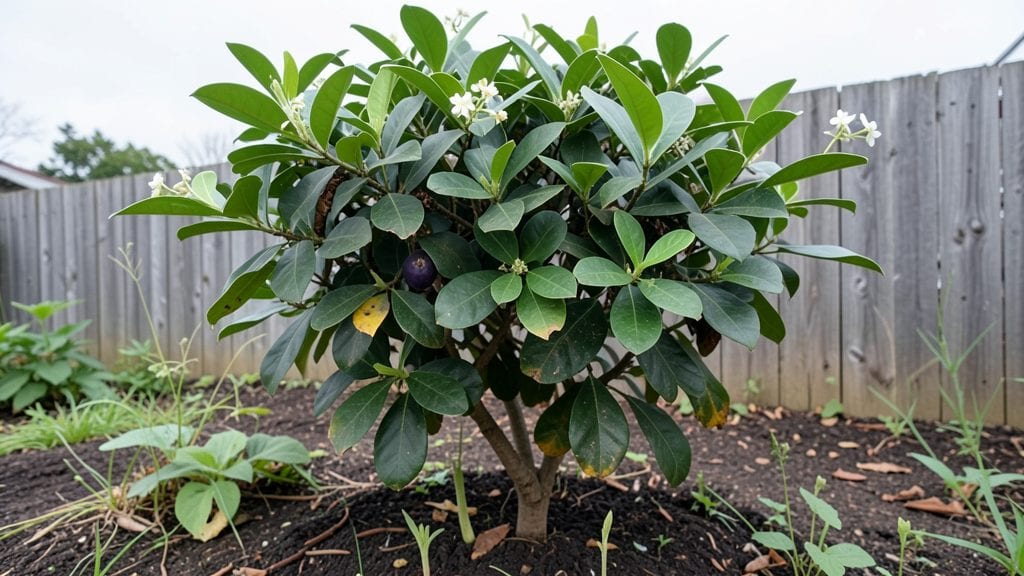
Growing a murraya koenigii tree in the Pacific Northwest means defying its tropical roots—this curry leaf tree thrives with the right pruning tricks to survive our cooler winters. 🌿 I’ve kept mine alive for five years by treating it like a high-maintenance houseguest: bring it inside before frost, then coax it back outside in spring with strategic cuts.
The key isn’t just trimming; it’s shaping its growth to match our climate’s short, wet seasons.
Start with a well-draining potting mix (equal parts perlite, compost, and cactus soil) and a pot with drainage holes—this tree hates soggy roots.
Place it in bright, indirect light (a south-facing window or grow light) when indoors, and move it outdoors only after last frost when temperatures stay above 50°F.
Prune in late winter to remove dead branches and shape it, but avoid heavy cuts—this tree responds better to gentle guidance than drastic changes.
By summer, you’ll harvest fragrant leaves for curries, teas, or garnishes—just pinch off sprigs as needed. The leaves stay vibrant if you keep the soil lightly moist (never waterlogged) and fertilize monthly with a balanced liquid feed during growing season.
With patience, your murraya koenigii will reward you with lush, glossy foliage year after year, even in our chilly climate.
For extra resilience, mulch around the base in fall to insulate roots, and consider a mini greenhouse or cold frame if winters dip below 25°F. The trade-off? More flavorful leaves and a tree that outlasts most tropical plants in our region. Let’s get yours thriving!
📚 In This Guide
- What you need
- Instructions
- Tips and common mistakes
- Wrapping up and next steps
What you need
- ● Pruning shears: Bypass pruners (sharp, 6–8" blade) for clean cuts on small branches. Quantity: 1 pair.
- ● Loppers: 18–24" for thicker branches (½–1" diameter). Quantity: 1 pair.
- ● Pruning saw: Curved-tooth saw for stubborn, woody stems. Quantity: 1.
- ● Disinfectant: 70% isopropyl alcohol or diluted bleach (1 part bleach to 9 parts water) to sterilize tools between cuts. Quantity: Small bottle.
- ● Gloves: Heavy-duty gardening gloves (cut-resistant for safety). Quantity: 1 pair.
- ● Rag or paper towels: For wiping tools and branches. Quantity: 2–3.
- ○ Pruning sealant (optional): Wound dressing for large cuts (½" or wider) to prevent disease. Quantity: Small tube.
- ● Trash bag or bucket: For collecting pruned branches. Quantity: 1–2.
- ● Ladder (if needed): Sturdy, extendable ladder for tall trees (ensure stability!). Quantity: 1 (rent if necessary).
- ○ Marking twine or flags (optional): To tag branches for removal if planning a multi-step prune. Quantity: Small roll.
- ○ Notebook & pen (optional): To sketch your tree’s structure before pruning. Quantity: 1.
- ● Timing: Prune in late winter or early spring (before new growth) for best results.
- ● Weather: Choose a dry, calm day to avoid spreading disease or damaging the tree.
- ● Tree health: Inspect for pests/diseases (e.g., powdery mildew) before pruning. Treat if needed!
- ● Safety first: Wear long sleeves/pants to protect from thorns and avoid working near power lines.
How to prune Murraya koenigii for cold-hardy growth in the Pacific Northwest
Here's how I keep my curry leaf tree thriving through wet winters—no fancy tools, just smart cuts.
✂️ Step 1: Time Your First Pruning for Late Winter
Wait until mid-February when the tree has entered dormancy but before new growth begins. Look for brown, dead branches—these are your first targets. I prune mine right after the last frost warning, when daytime highs reach 50°F consistently. This timing prevents late-season flushes that won't harden off before winter.
Use sharp bypass pruners to make clean cuts at a 45-degree angle just above a leaf node or outward-facing bud. Avoid cutting flush with the trunk—leave ¼ inch of stub to prevent disease entry. Here's the thing—if you see yellowing leaves before pruning, that's a sign of overwatering in winter, not pruning needs.
✂️ Step 2: Shape for Airflow and Sun Exposure
Step back and examine the tree's structure. Pacific Northwest winters bring heavy moisture, so focus on opening the canopy to prevent fungal issues. Remove crossing branches first—they rub together and create wounds. Then thin out overly dense areas by cutting back one-third of the growth from the center outward.
For cold protection, I avoid heavy topping. Instead, I lift the canopy by pruning lower branches that block sunlight from reaching the trunk. Aim for a rounded shape—this helps snow slide off cleanly without breaking limbs. If you see water-soaked wood, that's your cue to remove those branches immediately to prevent rot.
☀️ Step 3: Summer Maintenance Pruning After Flowering
Wait until late June or early July after the tree finishes flowering but before new growth hardens. You'll notice new leaves appear—this is your signal to prune. During summer, focus on removing only dead or diseased wood and lightly trimming leggy growth to encourage bushiness.
For cold-hardy growth, I make small cuts—never more than 10% of the tree's total foliage at once. Use sterilized pruners (wipe with rubbing alcohol) to prevent spreading any summer diseases into winter. If you see brown leaf edges in summer, that's normal—it's the tree's way of conserving moisture for winter.
⏰ Step 4: Prepare for Winter with Final Adjustments
In late October, do a light cleanup—remove any suckers at the base and weak, thin branches that won't survive winter. This is also when I wipe down the trunk with a 1:9 water-vinegar solution to remove any fungal spores. The goal is to enter winter with a clean, open structure that allows air circulation.
For extra cold protection, I mulch the base with 3-4 inches of shredded bark (using the 3 gallons of mulch you've set aside). Keep mulch 6 inches away from the trunk to prevent rot. If you're in a microclimate where temps drop below 15°F, consider wrapping the trunk with burlap for the harshest months—just remove it in early spring.
Tips & tricks for Pacific Northwest curry leaf tree pruning
These simple strategies will help you keep your Murraya koenigii thriving through our damp winters—without losing branches to rot or frost.
Timing is Everything: The mid-February window is critical for your first pruning because that's when your tree has fully entered dormancy but hasn't started new growth yet. I always check for consistent 50°F daytime highs—this means the tree's sap flow has slowed, so it can handle pruning without stress. If you prune too early, you risk encouraging tender new shoots that won't survive our late frosts. And if you wait too long, you'll be cutting back growth that could have hardened off naturally.
Tool Preparation Matters: Before you start, take 5 minutes to sharpen your bypass pruners and wipe them with rubbing alcohol. Dull blades tear wood fibers, creating jagged wounds that invite disease—especially important in our wet climate. I also keep a small container of 70% isopropyl alcohol handy to sterilize between cuts on different branches. This simple step prevents spreading fungal spores from one part of the tree to another.
Visual Cues for Healthy Cuts: When making your 45-degree angle cuts in Step 1, look for the leaf node or outward-facing bud just above where you're cutting. The node should be slightly raised and have a small bump where new growth will emerge. If you're unsure, make your cut just above the point where the branch naturally narrows—this is where the tree's natural growth pattern tells you to stop. Remember, leaving that ¼-inch stub isn't just about looks; it's about preventing water from pooling in the wound.
Winter Prep Checklist: As you prepare for winter in late October, don't forget to inspect your 3 gallons of mulch for any signs of mold or pests. Fresh mulch should have a woodsy aroma and look like shredded bark, not compacted sawdust. When you apply it, mound it slightly higher on the north side of the trunk where cold winds come from. This creates extra insulation where your tree needs it most during our coldest nights.
Pro Tips for Murraya Koenigii Tree
- These simple strategies will help you keep your Murraya koenigii thriving through our damp winters—without losing branches to rot or frost.
- Timing is Everything: The mid-February window is critical for your first pruning because that's when your tree has fully entered dormancy but hasn't started new growth yet.
- Tool Preparation Matters: Before you start, take 5 minutes to sharpen your bypass pruners and wipe them with rubbing alcohol.
Frequently asked questions
Can a murraya koenigii tree survive winter in the PNW?
The Murraya koenigii is tropical at heart, but with proper care, it can handle mild PNW winters (USDA Zones 9-11). In colder zones (like Seattle or Portland), grow it indoors year-round or in a protected greenhouse. If outdoors, mulch heavily and wrap the trunk to prevent frost damage.
When is the best time to prune my curry leaf tree?
Prune Murraya koenigii in late winter or early spring (before new growth starts) to avoid cold stress. Avoid heavy pruning in summer or fall, as it can weaken the tree. Focus on shaping, removing dead branches, and thinning for airflow—especially critical in humid PNW summers!
How do I encourage bushier growth?
To promote bushier, fuller growth, prune the top 1/3 of new shoots in spring. This stimulates lateral branching. Also, ensure it gets 6+ hours of sunlight daily and well-draining soil. Avoid over-fertilizing with nitrogen, which can lead to leggy growth.
Why are my curry leaves turning yellow or dropping?
Yellowing or dropping leaves often signal overwatering, underwatering, or nutrient deficiency. Check soil moisture—Murraya koenigii prefers slightly moist but well-draining soil. Yellow edges? Likely underwatering or low humidity. Brown spots? Fungal issues from poor airflow. Adjust care and trim affected leaves to improve airflow.
Are there cold-hardy alternatives to murraya koenigii?
If you love the aromatic leaves but need a cold-hardier option, consider:
- Bay laurel (Laurus nobilis) – Hardy to Zone 7, but slower-growing.
- Sweet bay (Umbellularia californica) – Native to the PNW, hardy to Zone 7.
- Lemon verbena (Aloysia citrodora) – Perennial in Zones 8-10, citrusy scent.
Wrapping up and next steps
The Murraya koenigii tree is a resilient, flavorful gem that can thrive even in the Pacific Northwest’s cooler climates—with the right pruning know-how!
By mastering seasonal trims, protecting it from frost, and leveraging its cold-hardy adaptability, you’re not just growing a plant; you’re cultivating a year-round culinary and ornamental powerhouse. 🌿✨
Ready to elevate your garden (and spice cabinet)? Start small: grab your pruners, mark those branches, and give your tree the care it deserves. Watch it flourish—and enjoy the harvest!