
Pruning
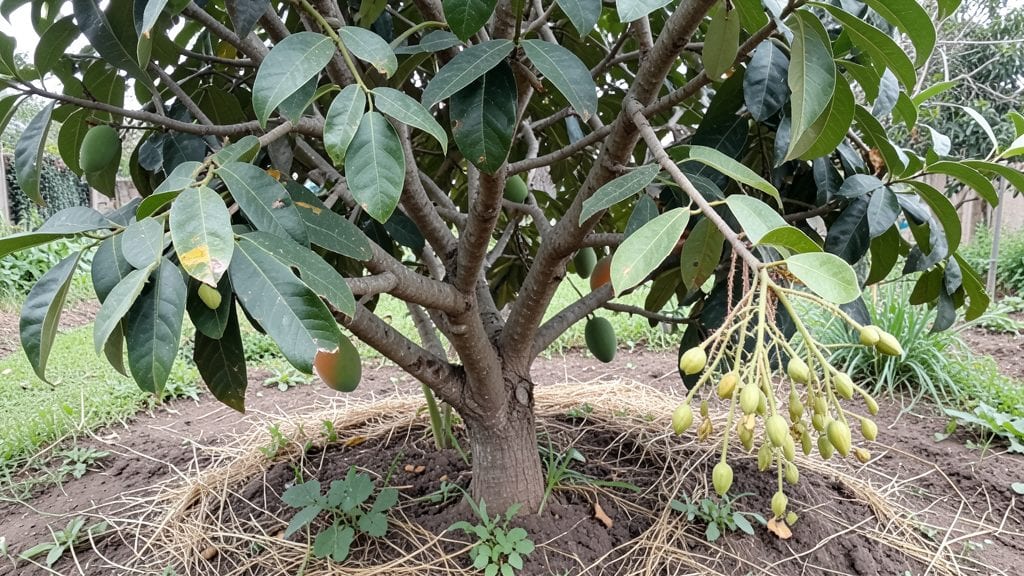
Growing a fruit mango tree in the Pacific Northwest means defying the odds—because these tropical beauties thrive where others freeze. I’ve pruned my own cold-hardy variety for years, and the secret isn’t just timing, but understanding how to shape the tree for survival and sweet, juicy rewards.
The first year, I nearly gave up after a late frost blackened my branches, but adjusting my cuts changed everything.
You’ll need sharp pruning shears, a clear day (never prune when wet), and a plan to open the canopy for airflow—critical in rainy climates. Focus on removing dead wood first, then thin out crowded branches to let sunlight reach the center.
My tree now produces 20-30 pounds of fruit annually, and the pruning itself takes just 30 minutes in early spring.
The payoff? A tree that survives winters with proper care and rewards you with fragrant blossoms by summer. Those first ripe mangoes—sweet, golden, and dripping with juice—make every cold snap worth it. You’ll know you’ve done it right when neighbors ask where you got your "miracle" tree.
This method works for both container-grown trees (protected in winter) and in-ground plantings. The key is consistency: prune annually, fertilize lightly in spring, and watch your tree grow stronger each year. Let’s get those branches shaped for success!
📚 In This Guide
- What you need
- Instructions
- Tips and common mistakes
- Wrapping up and next steps
What you need
- ● Cold-hardy mango tree sapling: Choose a variety like ‘Julie’ or ‘Ice Cream’ (USDA Zones 9-11, but can be grown in containers and overwintered indoors in Zones 7-8).
- ● Large container (20-30 gallons): Ensure it has drainage holes and is made of weather-resistant material (e.g., plastic or fiberglass).
- ● High-quality potting mix: Use a well-draining blend (60% potting soil, 30% perlite, 10% compost).
- ● Pruning tools: Bypass pruners (for small branches)
- ● Loppers (for thicker branches, up to 1.5 inches)
- ● Hand saw (for stubborn, larger branches)
- ● Disinfectant (70% isopropyl alcohol or bleach solution): Clean tools between cuts to prevent disease.
- ○ Garden twine or pruning sealant: For larger wounds (optional but helpful).
- ● Grow lights or sunlamps: For indoor overwintering (12-14 hours of light daily).
- ● Fertilizer (balanced 10-10-10 or citrus-specific): Apply every 4-6 weeks during growing season.
- ● Mulch (straw or pine bark): Retains moisture and regulates soil temperature.
- ● Thermometer/hygrometer: Monitor indoor conditions during winter (ideal: 50-60°F).
- ● Spray bottle: For misting leaves if humidity drops below 40%.
Step-by-Step guide to pruning cold-hardy mango trees
Here’s how I prepare Pacific Northwest mango trees for winter while maximizing fruit production next season.
Time Your Pruning for Dormancy
Prune your cold-hardy mango tree during late winter or early spring, just before new growth begins. This is typically 2-4 weeks before your last frost date, when temperatures remain consistently above 40°F during the day. Pruning too early risks exposing tender wood to cold snaps, while waiting too long removes protective buds needed for spring recovery.
I start by assessing the tree’s structure—look for dead, diseased, or crossing branches that compete for energy. These are your priority cuts. Use sharp, clean pruners to make angled cuts just above a healthy bud or lateral branch. This ensures clean wounds that heal faster and directs growth where you want it.
Remove Problem Branches First
Begin with dead or diseased wood, which saps energy from the tree. These branches often appear brittle, discolored, or devoid of leaves. Cut them back to the main trunk or a strong lateral branch, avoiding jagged edges that invite pests. If you see suckers (shoots growing from the base or trunk), remove them entirely—they drain resources from fruit production.
Next, tackle crossing or rubbing branches. When two branches grow toward each other, they create wounds that weaken the tree and invite rot. Select the smaller or weaker of the two branches and cut it back to its origin. This opens the canopy to better airflow and sunlight penetration, which is critical for fruit development in cooler climates.
Thin the Canopy for Light and Airflow
Mango trees in the Pacific Northwest need open, airy canopies to prevent fungal diseases and ensure even ripening. Aim to remove 20-30% of the tree’s foliage, focusing on branches that grow inward or block sunlight from reaching the center. Start at the outer edges and work inward, cutting back to a strong lateral branch or the trunk if necessary.
Pay special attention to water sprouts—fast-growing, vertical shoots that steal energy from fruit production. These often appear in clusters and can be identified by their thin, upright growth. Prune them back to a side branch or bud to redirect the tree’s focus toward existing fruit-bearing limbs.
Shape for Balance and Fruit Production
Use pruning to encourage a balanced, vase-like shape that maximizes sunlight exposure and air circulation. Mango trees naturally grow upward, so I prune to reduce height while maintaining a wide, open structure. Cut back the tallest branches first, then prune side branches to create a tiered effect, starting with the lowest limbs.
For fruit production, prioritize branches with fruit buds—these are often thicker and have small, rounded swellings. Avoid over-pruning these limbs, as they carry next year’s harvest. Instead, focus on lightening the load by removing excess leaves or small, non-fruiting branches. This ensures the tree’s energy goes toward developing high-quality fruit rather than maintaining unnecessary foliage.
Clean Up and Protect the Tree
After pruning, sterilize your tools with rubbing alcohol to prevent spreading disease. Remove all pruned branches and debris from the base of the tree—this reduces hiding spots for pests and limits the spread of fungal spores. If your mango tree is in a cooler microclimate, consider applying a light layer of mulch around the base to insulate roots during winter.
Finally, apply a balanced, slow-release fertilizer in early spring to replenish nutrients lost during pruning. This supports new growth and fruit development. Water deeply after fertilizing to help the tree absorb nutrients and recover from the pruning process. Monitor the tree closely for new shoots or signs of stress, adjusting care as needed to ensure a strong, productive season ahead.
Tips & tricks for pruning cold-hardy mango trees
Pruning your Pacific Northwest mango tree isn't just about cutting branches—it's about setting up your tree for a bountiful harvest next season. Here's what I've learned after years of trial and error with these resilient trees.
Timing is Everything: The 2-4 week window before your last frost date is critical for cold-hardy mango trees. I've seen trees stressed by early pruning when temperatures dip below 40°F, so always check your local frost forecast. In colder microclimates, consider pruning slightly later—just as buds begin to swell—rather than risking cold damage to fresh cuts. This timing ensures the tree has time to heal before spring growth begins.
Branch Selection Strategy: When deciding which branches to remove in Step 2, focus on the "three Ds"—dead, diseased, and damaged. I've made the mistake of keeping branches that looked questionable just because they had leaves. Use a sharp knife to make a small cut in the bark—if it's green inside, the branch is alive; if it's brown or hollow, it's dead and should be removed. This careful selection prevents energy drain and disease spread.
Canopy Architecture: The goal in Step 3 should be creating a "light capture system" for your tree. Think of it like designing a solar panel array—you want maximum surface area exposed to sunlight while maintaining airflow. I aim for a 20-30% reduction in foliage, but I always prioritize removing branches that grow inward or upward (water sprouts). These vertical shoots create shade and block sunlight from reaching lower fruit-bearing branches.
Tool Maintenance Matters: Your pruners are more important than you might think. I sterilize my tools with rubbing alcohol between every 3-4 cuts, especially when moving between different branches. This prevents cross-contamination of diseases like anthracnose, which can devastate mango trees. After pruning, I give my tools a thorough cleaning with soapy water and store them in a dry place to prevent rust—rusty blades create jagged cuts that heal poorly.
Pro Tips for Fruit Mango Tree
- Pruning your Pacific Northwest mango tree isn't just about cutting branches—it's about setting up your tree for a bountiful harvest next season.
- Timing is Everything: The 2-4 week window before your last frost date is critical for cold-hardy mango trees.
- Branch Selection Strategy: When deciding which branches to remove in Step 2, focus on the "three Ds"—dead, diseased, and damaged.
Frequently asked questions
Got questions about growing and pruning your fruit mango tree in the Pacific Northwest? You’re not alone! Here are answers to the most common concerns—from cold-hardy care to pruning hacks—so you can keep your tree thriving and fruiting.
Can mango trees survive winter in the Pacific Northwest?
Most fruit mango trees (especially cold-hardy varieties like 'Julie' or 'Cogshall') can handle brief dips to 15–20°F with proper care. To protect yours, wrap the trunk in burlap, mulch heavily, and move potted trees indoors or under a frost blanket. Young trees or tropical varieties need extra shelter—like a greenhouse or heated garage.
When is the best time to prune a mango tree for fruit?
Prune your fruit mango tree in late winter or early spring (before buds swell) to shape the tree and encourage fruiting. Avoid heavy pruning in fall—it can stimulate new growth that’s vulnerable to cold. Focus on removing dead wood, crossing branches, and thinning dense areas to improve airflow and sunlight exposure.
How do I prune a mango tree for more fruit?
To boost fruit production, prune to open the tree’s canopy and redirect energy to flowering branches. Cut back 1/3 of the oldest wood every 2–3 years to rejuvenate growth. Also, trim suckers (shoots at the base) and water sprouts (vertical shoots) to avoid energy drain. Pro tip: Prune just above a leaf node or bud for faster healing!
What if my mango tree isn’t fruiting? How can I fix it?
Non-fruiting mango trees often need more sunlight (6+ hours/day), balanced fertilization (high in potassium and phosphorus), or proper pruning. Check for pests (like aphids or scale) and ensure consistent watering—drought stress can delay flowering. If your tree is young (<3 years), be patient! Some varieties take time to mature.
Can I grow a mango tree in a container in the PNW?
Yes! Dwarf or semi-dwarf varieties (like 'Ice Cream' or 'Keitt') thrive in large containers (15+ gallons) with well-draining soil. Move pots indoors or into a garage when temps drop below 30°F. Use a slow-release fertilizer and water only when the top 2 inches of soil are dry. Just remember: container-grown trees need more frequent pruning to control size!
Wrapping up and next steps
Growing a fruit mango tree in the Pacific Northwest is absolutely doable with the right care—especially when it comes to pruning! By following these cold-hardy techniques, you’ll encourage vibrant growth, better fruit production, and a tree that thrives despite the cooler climate. 🌱✨
Ready to take the next step? Start small—pick one pruning session to master first, then expand your skills as your tree grows. With patience and practice, you’ll be harvesting juicy, sun-ripened mangoes in no time!