
Blooming
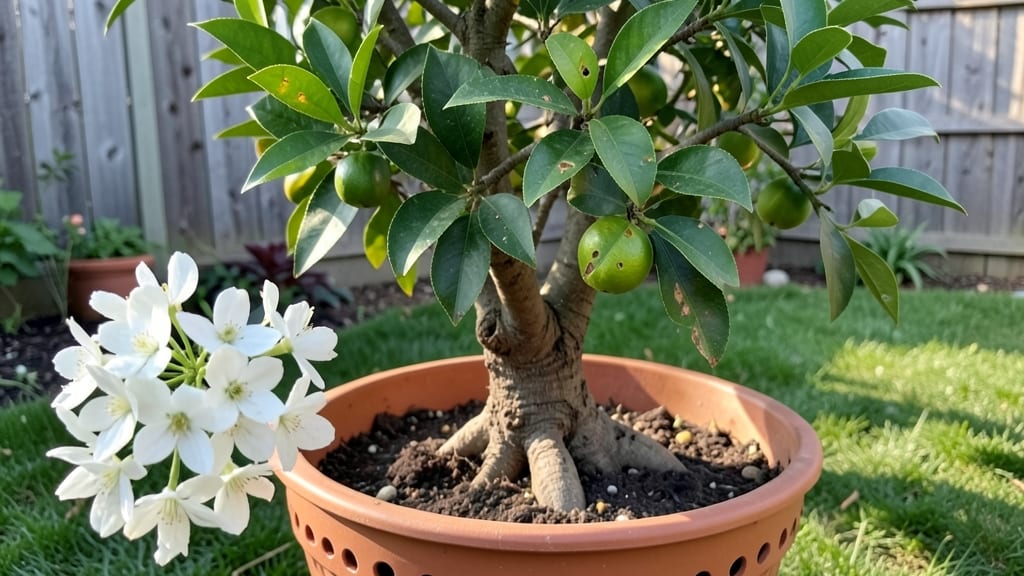
Growing an orange blossom tree in the Pacific Northwest means waking up to the sweetest scent drifting through your garden every spring. 🌸 The key is choosing the right variety—like the cold-hardy 'Flying Dragon' or 'Lisbon' lemon—since true citrus struggles with our damp winters.
These trees reward you with fragrant white blossoms and occasional fruit, but they demand well-draining soil and shelter from wind.
Start with a 6-8 gallon container or plant in full sun with afternoon shade, since PNW summers can scorch tender leaves. Amend native soil with compost and gritty sand to prevent root rot—the #1 killer of citrus in our climate.
Water deeply once a week, letting the top 2 inches dry between soakings, and fertilize lightly with citrus-specific food in spring and summer.
You'll love the 3-4 foot tall shrub bursting with blossoms by late spring, its heady perfume drawing bees for weeks. Even if fruit rarely ripens here, the foliage stays glossy green year-round, and pruning after flowering keeps the shape tidy.
The real magic happens when neighbors stop to sniff your yard—this is the tree that makes PNW gardens feel like Mediterranean escapes.
For our cooler climate, overwinter pots in an unheated garage or mulch heavily if planted in-ground. Avoid heavy pruning—citrus blooms on old wood—and watch for scale insects, which thrive on stressed trees. With these adjustments, your orange blossom will outperform expectations, proving PNW gardens can have tropical charm too.
📚 In This Guide
- What you need
- Instructions
- Tips and common mistakes
- Wrapping up and next steps
What you need
- ● Orange Blossom Tree (Citrus × aurantium or related hybrid): 1-3 trees (for cross-pollination, if growing fruit)
- ● Choose dwarf varieties (3-6 ft) for containers or small spaces
- ● Well-draining soil mix: 50% native soil (or potting mix for containers)
- ● 30% compost or aged manure
- ● 20% perlite or coarse sand (critical for PNW’s wet winters!)
- ○ Container (optional but recommended for PNW climates): 15-20 gallon pot with drainage holes (if indoors or frost-prone)
- ● Fabric grow bag (for easy root inspection)
- ● Basic gardening tools: Trowel or small shovel
- ● Pruning shears (sterilized with rubbing alcohol)
- ● Gloves (orange blossom sap can irritate skin!)
- ● PNW-specific prep: Cold frame or greenhouse (for overwintering young trees)
- ● Frost cloth or bubble wrap (to protect blossoms in late spring)
- ○ Optional (but helpful!): pH test kit (ideal soil pH: 6.0–7.0)
- ● Slow-release citrus fertilizer (e.g., Espoma Citrus-Tone)
- ● Mulch (straw or wood chips to retain moisture)
Step-by-step guide to planting and caring for an orange blossom tree in the Pacific Northwest
Here's how to give this fragrant everbloomer the perfect start in our cooler, wetter climate.
🌱 Step 1: Choose the Right Location and Planting Time
Orange blossom trees thrive in USDA Zones 7-10, but with careful selection, you can grow them in the Pacific Northwest's milder microclimates. Look for cold-hardy varieties like 'Frostweed' or 'Champagne' that can handle brief dips to 20°F. Plant in early spring after the last frost date—typically mid-April in most PNW regions.
Select a spot with full sun exposure (at least 6-8 hours daily), but choose a sheltered area where cold winds won't scorch the delicate blossoms. The tree's roots need well-draining soil—amend heavy clay with 3-4 inches of compost if your soil feels compacted when squeezed. Test drainage by digging a 12-inch hole and filling it with water; if it doesn't drain within 30 minutes, raise the planting area with a mound of soil.
🪴 Step 2: Plant with Proper Spacing and Soil Preparation
Dig a hole twice as wide as the root ball but only as deep—planting too deep can suffocate the tree. Gently remove the tree from its container and loosen any circling roots with your fingers. Place it in the hole so the top of the root ball sits 1 inch above ground level—this prevents water from pooling around the trunk.
Backfill with the native soil mixed with 1 part compost to improve fertility. Water deeply to settle the soil, then add a 2-inch layer of mulch (avoid wood chips near the trunk). Space multiple trees 15-20 feet apart—they grow slowly but can reach 15-20 feet tall with proper care. Here's the thing—don't overwater immediately after planting. Let the soil settle for 3-4 days before watering again to prevent root rot.
☀️ Step 3: Maintain Year-Round Care for Continuous Blooms
Water deeply once a week during the first growing season, ensuring the soil stays moist but not soggy—stick your finger 2 inches down to check. Once established, orange blossom trees are drought-tolerant but will reward you with more blooms if you keep soil consistently moist. Fertilize in early spring with a balanced 10-10-10 fertilizer, using 1/2 cup per year of tree age (max 2 cups for mature trees).
Prune lightly in late winter to remove dead or crossing branches, but avoid heavy pruning—this tree blooms on old wood. Watch for aphids or scale insects, common in PNW's humid summers. Spray with neem oil at the first sign of pests, and remove heavily infested leaves immediately. The key to continuous blooms is consistent care—don't skip fertilizing or watering during rainy seasons, as the tree relies on stored nutrients.
⏰ Step 4: Protect from Winter Chill and Encourage Spring Growth
In the Pacific Northwest, where winters can be damp and cool, wrap the trunk of young trees with burlap during the coldest months to prevent frost cracks. Older trees usually handle our winters fine, but avoid pruning in late fall—new growth won't harden off before winter. Here's where it gets fun: watch for early spring buds in late February or early March. These are your signal to reduce watering slightly—too much moisture now can delay blooming.
Once buds appear, increase watering gradually and apply a second fertilizer dose in early May to support the energy demands of new growth. The tree's signature sweetly fragrant white blossoms will appear in late spring to early summer, lasting for weeks. Real talk: don't trim blooms—they're not just pretty, they feed the tree for next year's flowers. Let them fall naturally or collect petals for tea or potpourri.
Tips & tricks for perfect orange blossom tree growth in the PNW
Between us, these little details make all the difference when growing orange blossom trees in our damp Pacific Northwest climate.
Location and Sunlight: That 6-8 hours of full sun is non-negotiable—find a spot where your tree gets morning sun and afternoon shade if possible. I've seen trees struggle when planted against north-facing walls that block winter sun. Also, avoid low spots where cold air settles—those delicate blossoms need to stay warm enough to open fully.
Soil Preparation: The 3-4 inches of compost is your secret weapon for our heavy clay soils. Mix it thoroughly with the native soil and consider adding a handful of perlite if your soil feels particularly dense. I learned this the hard way after watching roots suffocate in compacted soil—always test that drainage with the 12-inch hole test before planting.
Watering Wisdom: Don't overwater immediately after planting—that 3-4 day wait prevents root rot in our wet climate. Once established, let the soil dry slightly between waterings—stick your finger 2 inches down to check. I've seen trees drown in soggy soil during our rainy winters, so good drainage is everything.
Winter Protection: That 20°F cold tolerance is impressive, but young trees still need help. Wrap trunks with burlap during our coldest months (usually December-February) to prevent frost cracks. I've seen trees split right down the middle when we get sudden cold snaps—better safe than sorry with this delicate wood.
Pro Tips for Orange Blossom Tree
- Between us, these little details make all the difference when growing orange blossom trees in our damp Pacific Northwest climate.
- Location and Sunlight: That 6-8 hours of full sun is non-negotiable—find a spot where your tree gets morning sun and afternoon shade if possible.
- Soil Preparation: The 3-4 inches of compost is your secret weapon for our heavy clay soils.
Frequently asked questions
Got questions about growing and enjoying your orange blossom tree? You’re not alone! Here are answers to the most common queries from Pacific Northwest gardeners—plus a few pro tips to keep your tree thriving.
What’s the best time to plant an orange blossom tree in the PNW?
Plant your tree in early spring (March–April) or fall (September–October) for ideal root establishment. Avoid summer heatwaves or winter freezes, which can stress young roots. If planting in fall, choose a mild-microclimate spot to protect it from early frosts.
How do I encourage more blooms on my orange blossom tree?
Prune lightly in late winter to remove dead wood and shape the tree—avoid heavy pruning, which can reduce flowering. Ensure it gets 6+ hours of sunlight daily and fertilize with a balanced, citrus-friendly formula in early spring. Overwatering can also deter blooms, so let the top 2 inches of soil dry between waterings.
What pests or diseases should I watch for in the PNW?
Common issues include aphids, scale insects, and citrus leaf miners. Treat early with neem oil or insecticidal soap. Fungal diseases like root rot thrive in soggy soil—improve drainage and avoid overhead watering. If leaves yellow or drop, check for nutrient deficiencies (e.g., iron or zinc) and amend soil with compost or a citrus-specific fertilizer.
Can I grow an orange blossom tree in a container? How?
Yes! Use a large pot (15+ gallons) with drainage holes and a well-draining potting mix. Choose a dwarf variety like ‘Calamondin’ or ‘Mexican Lime’ for smaller spaces. Repot every 2–3 years and move containers indoors (near a sunny window) if temps drop below 30°F. Water regularly but avoid soggy roots.
Will my orange blossom tree produce edible fruit?
Most ornamental varieties (like Citrus × aurantium) have bitter, inedible fruit, but their fragrant blossoms are perfect for teas, syrups, or garnishes! If you want edible oranges, opt for ‘Improved Meyer Lemon’ or ‘Satsuma’ mandarin—they’re cold-hardier and fruit-bearing. Always confirm the variety before planting!
Wrapping up and next steps
The orange blossom tree is a fragrant, everblooming gem that brings charm and sweetness to the Pacific Northwest’s gardens. Whether you’re drawn to its delicate blooms, resilient nature, or the joy of year-round color, this tree is a rewarding addition for any green thumb. 🌸
Now that you’re equipped with the how-to’s and answers to common questions, it’s time to roll up your sleeves!
Start by selecting the perfect spot in your yard, gather your supplies, and dive into planting or caring for your tree. Watch it thrive—and enjoy the sweet, citrusy scent that will fill your garden for seasons to come!