
Pruning
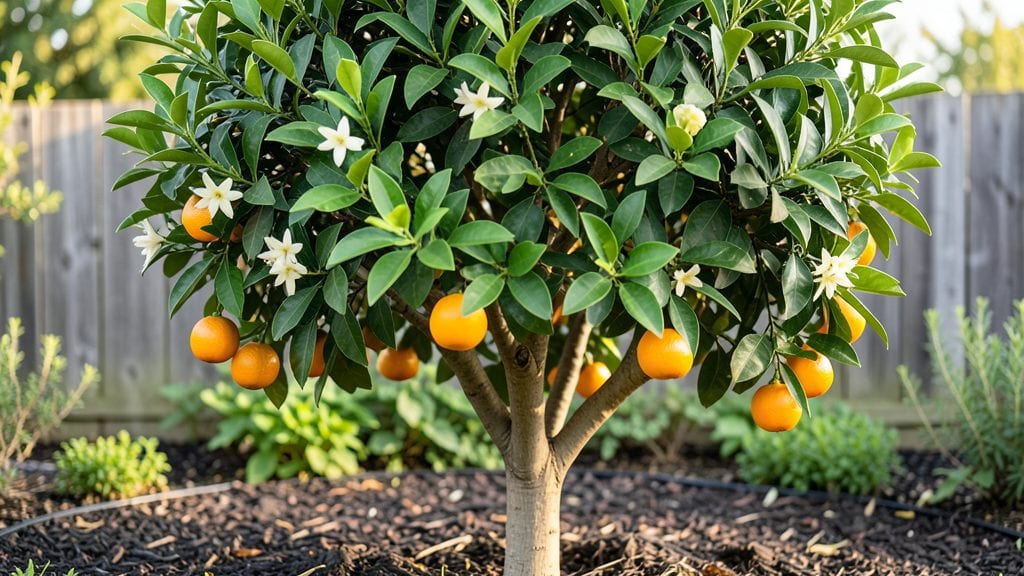
Watching an orange tree go from a tiny seed to a fruit-bearing giant is one of gardening’s most rewarding journeys. 🌱 The orange tree life cycle unfolds over years—not weeks—demanding patience, but the payoff is worth it when you finally taste your homegrown citrus.
My first attempt took three years to bear fruit, and every stage taught me something new about nurturing these sun-loving trees.
This cycle starts with a seed or sapling, where the right soil, warmth, and moisture set the foundation. In the first year, you’ll focus on establishing strong roots and branches, while years two and three bring flowering—if you’ve given the tree enough sunlight and protection from frost.
The magic happens in year four or five, when those first bitter-sweet oranges appear, signaling the tree’s full maturity.
What makes this cycle special is how each stage builds on the last: pruning young trees shapes their structure, while mature trees need careful watering and pest control to protect their blossoms.
By the time you’re harvesting, you’ll understand why citrus trees thrive in Mediterranean climates and why they reward gardeners who give them time and attention.
Whether you’re starting from seed or planting a young tree, the key is consistency—watering, fertilizing, and protecting from pests at the right times.
The first fruit might be small, but each tree improves with age, and before you know it, you’ll have a productive orange tree that feeds your family for decades. Here’s how to guide it through every stage.
📚 In This Guide
- What you need
- Instructions
- Tips and common mistakes
- Wrapping up and next steps
What you need
- ● Orange seeds: 3–5 fresh, plump seeds from a ripe, organic orange (avoid hybrid varieties like clementines—they won’t produce true fruit).
- ● Well-draining potting soil: 1–2 bags (10–15 quarts each) of a mix designed for citrus trees or a blend of 60% potting soil + 40% perlite/sand.
- ● Small pots (3–4 inches in diameter): 3–5 pots with drainage holes for seed germination.
- ● Larger container (5–7 gallons): A nursery pot or grow bag with drainage holes for transplanting seedlings (diameter ≥ 12 inches).
- ● Watering can or spray bottle: With a fine mist nozzle for gentle hydration.
- ● Fertilizer: A balanced citrus-specific fertilizer (e.g., 6-6-6 NPK ratio) or organic options like fish emulsion.
- ● Pruning shears: Sharp, sterilized shears (for future shaping and maintenance).
- ● Sunlight access: A south-facing window or grow lights (12–16 hours/day) for indoor cultivation.
- ● Humidity dome or plastic wrap: To retain moisture during germination.
- ○ Heat mat (70–80°F): Speeds up germination (optional but useful in cooler climates).
- ● pH test kit: Ensures soil pH stays between 6.0–7.0 (ideal for citrus).
- ● Mulch (straw or wood chips): For outdoor plantings to retain moisture and regulate temperature.
- ● Trellis or support stakes: If growing outdoors in windy areas.
- ● Pest control (neem oil, insecticidal soap): For organic pest management.
Step-by-step guide to understanding an orange tree's journey
Here's how nature transforms a tiny seed into a towering fruit producer.
🌱 Stage 1: Germination (0-3 Months)
The adventure begins when you plant a fresh orange seed. Place it just ½ inch deep in moist, well-draining soil and keep it warm—around 70-80°F. You'll notice the first tiny shoot appear in 2-4 weeks, though some stubborn seeds take up to 8 weeks.
Once the sprout reaches 2 inches tall, it's time to move it to a pot with 4-6 inches of depth. Keep the soil consistently moist but never soggy—orange seedlings hate wet feet. The first true leaves (not the seed leaves) will emerge after 6-8 weeks, signaling the seedling is ready for brighter light.
🌿 Stage 2: Sapling Growth (3 Months-2 Years)
This is where your little tree starts stretching its legs. By 6 months old, your sapling should be 1-2 feet tall with a sturdy stem. I always transplant mine to a 5-gallon container at this stage to give roots room to explore.
Place the sapling in full sun (6+ hours daily) and watch for new branches forming. Prune any leggy growth to encourage bushier development. You'll know it's thriving when you see bright green, glossy leaves and a steady stream of new growth in spring.
☀️ Stage 3: Juvenile Maturity (2-5 Years)
The real transformation happens here. Your tree will suddenly shoot up 3-6 feet per year and develop its first flower buds—though they might not produce fruit yet. This is the stage where many growers give up, but patience pays off.
Feed your tree with citrus-specific fertilizer every 2-3 months starting at year 3. You'll notice the bark turning rougher and the leaves developing that classic orange scent. Real talk: this is the hardest stage because growth slows, but it's setting up for the big payoff.
🍊 Stage 4: Flowering and First Fruits (5-7 Years)
Watch for clusters of white, fragrant flowers in spring—this is your first sign of maturity. Not all will turn to fruit, but you'll see tiny orange spheres forming. The first harvestable oranges might not appear until 7-10 years, depending on variety and care.
Thin the fruit when they're golf-ball sized—leave only the largest, healthiest oranges on each branch. This ensures bigger, sweeter fruit. You'll know they're ripe when they're deep orange, slightly soft to the touch, and release that unmistakable citrus aroma.
🌳 Stage 5: Full Maturity (10+ Years)
A fully mature orange tree becomes a powerhouse, producing hundreds of pounds of fruit annually in ideal conditions. The tree itself may reach 20-30 feet tall with a wide, spreading canopy. Prune annually to maintain shape and improve air circulation.
Here's the thing—mature trees need 10+ gallons of water weekly during dry spells. You'll know it's happy when you see new flushes of leaves after pruning and fruit setting every spring. This is where the real magic happens—decades of care culminate in a tree that feeds generations.
Tips & tricks for growing an orange tree through its life stages
Growing an orange tree from seed is a marathon, not a sprint—but these little details can make all the difference between a thriving tree and a casualty of impatience.
Germination Success: The 70-80°F temperature range is critical during germination. If your home runs cooler, place the seedling on a heat mat or near a sunny window. I learned this the hard way after watching seeds rot in cooler conditions. Also, avoid overwatering—those first 2-4 weeks are about patience, not persistence. Let the soil stay moist but never soggy, or you'll smother the seed before it even sprouts.
Transplanting Timing: When your sprout reaches 2 inches tall, it's ready for its first upgrade to a 4-6 inch pot. This isn't just about space—it's about giving those delicate roots room to establish proper structure. I always use a pot with drainage holes to prevent root rot, which can silently kill a seedling. The first true leaves appearing at 6-8 weeks are your green light to move it to brighter light conditions.
Sunlight Strategy: Full sun (6+ hours daily) is non-negotiable, but here's what nobody tells you—morning sun is gentler than afternoon heat. If you're in a hot climate, provide afternoon shade during the first year to prevent leaf scorch. I've seen saplings go from lush to crispy in days when moved too abruptly to full sun. Gradual acclimation is key, especially when transitioning from indoor starts to outdoor conditions.
Fertilizer Timing: Starting citrus-specific fertilizer at year 3 every 2-3 months is your secret weapon for breaking through the juvenile maturity plateau. I use a slow-release fertilizer in spring to avoid overfeeding, which can burn tender roots. The rougher bark and that unmistakable citrus scent are your first signs the fertilizer is working—don't skip this stage, even though growth slows. This is where your tree builds the foundation for future fruit production.
Pro Tips for Orange Tree Life Cycle
- Growing an orange tree from seed is a marathon, not a sprint—but these little details can make all the difference between a thriving tree and a casualty of impatience.
- Germination Success: The 70-80°F temperature range is critical during germination.
- Transplanting Timing: When your sprout reaches 2 inches tall, it's ready for its first upgrade to a 4-6 inch pot.
Frequently asked questions
Got questions about nurturing your orange tree from seed to sweet fruit? You’re not alone! Here are some of the most common queries—and their straightforward answers—to help you grow a thriving citrus tree with confidence.
How long does it take for an orange tree to bear fruit?
Patience is key! Most orange trees take 3 to 5 years to produce fruit from seed, while grafted varieties (like those from nurseries) may fruit in 1 to 2 years. Factors like climate, soil quality, and care play a big role—so give your tree love and time!
Can I grow an orange tree indoors? What do I need?
Yes, but it’s tricky! Indoor orange trees thrive in bright, sunny spots (south-facing windows or grow lights) and need well-draining pots. Use a citrus-specific potting mix, fertilize monthly in spring/summer, and expect smaller fruit—or none at all—since they need cross-pollination. A balcony or greenhouse works better for fruit production.
Why aren’t my orange tree’s flowers turning into fruit?
No fruit? Don’t panic! Common culprits include lack of pollination (hand-pollinate with a soft brush), temperature swings (oranges need warm, stable weather), or nutrient deficiencies (try a citrus fertilizer). Young trees or harsh pruning can also delay fruiting. Check for pests (like aphids) too—they stress the tree.
How do I know if my orange tree is healthy?
A healthy orange tree has vibrant green leaves, no yellowing or wilting, and a steady growth rate. Look for white flowers in spring and small green oranges forming. Watch out for drooping leaves (overwatering), brown edges (underwatering), or sticky residue (pests). Regular pruning and proper drainage keep it thriving!
What’s the best time to prune an orange tree for fruit production?
Prune late winter or early spring (just before new growth starts) to shape the tree and encourage fruiting. Avoid heavy pruning in fall—it can stress the tree before winter. Focus on removing dead/diseased branches and thinning dense areas to improve airflow. Use sterilized tools to prevent disease!
Wrapping up and next steps
Understanding the orange tree life cycle from seed to fruit-filled maturity is both rewarding and empowering! 🌱 Each stage—seed germination, sapling growth, flowering, fruiting, and maturity—plays a vital role in nurturing a thriving tree.
Whether you're a seasoned gardener or just starting, your patience and care will yield sweet, juicy rewards.
Now that you’re armed with knowledge, why not plant your own orange tree? Start small, stay consistent, and watch your efforts bloom—literally! 🍊 For extra guidance, explore pruning tips or soil care techniques to keep your tree flourishing.