Pruning
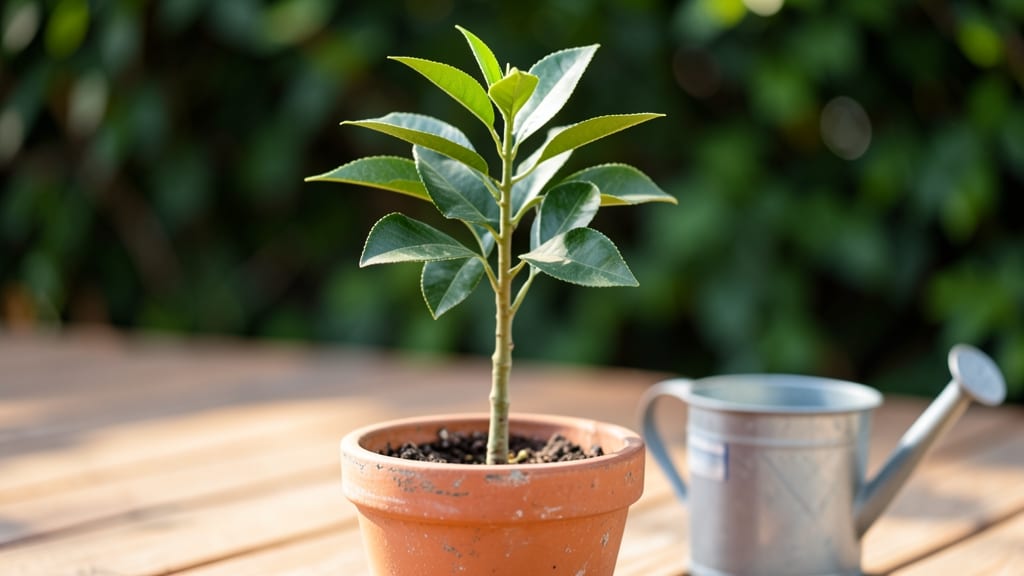
That tiny orange tree sprout in your hand could become a sun-drenched centerpiece of your yard—if you prune it right from the start. 🌱 I’ve nursed my own citrus saplings through lopsided growth and weak branches, and the difference between a scraggly shrub and a vibrant, fruitful tree often comes down to the first few cuts.
The key isn’t just trimming; it’s shaping the tree’s future while it’s still young and flexible.
You’ll need sharp pruners (clean ones prevent disease), a small trowel for soil adjustments, and a bright, sunny spot with well-draining soil—citrus hates soggy roots. The real magic happens in late winter or early spring, when the tree’s dormant but about to burst with new growth.
Start by removing any dead or crossing branches, then cut back leggy stems by about a third to encourage bushier growth. Think of it like sculpting: you’re guiding the tree’s energy toward strength, not just height.
Within weeks, you’ll see fresh green shoots replacing those sparse stems, and by next year, you could have a compact, sturdy tree with room for fruit. The best part?
Proper pruning now means fewer struggles later—no tangled branches, no weak limbs snapping in storms, and a tree that actually produces oranges instead of just leaves. Let’s get those shears ready and turn that sprout into something extraordinary.
This works for both dwarf varieties (perfect for containers) and full-sized trees in warm climates—just adjust the pruning intensity based on your zone. And don’t worry if your first cuts feel hesitant; even experienced growers second-guess themselves.
The goal is progress, not perfection. By summer, you’ll be pinching back new growth to keep the tree balanced, and before you know it, you’ll have a thriving orange tree that’s the envy of the neighborhood.
📚 In This Guide
- What you need
- Instructions
- Tips and common mistakes
- Wrapping up and next steps
What you need
- ● Pruning shears: Sharp, bypass-style shears (4–6 inches) for clean cuts on small branches.
- ● Loppers: For thicker branches (up to 2 inches in diameter)—look for ratchet-style for ease.
- ○ Pruning saw: Heavy-duty bow saw for branches over 2 inches (optional but handy for mature trees).
- ● Disinfectant: 70% isopropyl alcohol or rubbing alcohol to sterilize tools between cuts (prevents disease!).
- ● Garden gloves: Durable, cut-resistant gloves (e.g., leather or Kevlar) to protect your hands.
- ● Rag or paper towels: For wiping down tools and cleaning sap.
- ○ Marking twine or tape: To flag branches for removal (optional but useful for complex pruning).
- ● Hand pruners with a bypass blade: For precision work on delicate sprouts.
- ● Extension pole: If your tree is tall—attach shears to reach high branches safely.
- ● Sealant (e.g., pruning paint): To cover large cuts (though not always necessary for citrus trees).
- ● Notebook & pen: To jot down notes on cuts, growth patterns, or seasonal reminders.
- ● Safety glasses: If working near dusty or debris-heavy areas.
Step-by-Step pruning for your orange tree sprout
Here's how to shape your young citrus tree for strong, fruitful growth.
✂️ Step 1: Identify and Remove Dead or Diseased Branches
Start by examining your orange tree sprout for any branches that look brown, brittle, or mushy at the base. These are dead or diseased and need immediate removal. Use sharp pruning shears to cut just outside the branch collar—the swollen area where the branch meets the trunk. This ensures clean cuts that heal properly.
Real talk: If you see any blackened spots or oozing sap, don't hesitate to cut those branches off entirely. Healthy wood should be firm and greenish-yellow inside when you make a small cut. I always sterilize my shears with rubbing alcohol between cuts to prevent spreading any potential disease.
🌿 Step 2: Prune for Better Airflow and Light Penetration
Next, focus on the tree's center where branches grow inward. These "water sprouts" compete for sunlight and nutrients but don't produce fruit. Cut them back to an outward-facing bud or branch. Aim to create an open center that lets sunlight reach all parts of the tree—this is crucial for fruit development.
Here's the thing—you want to maintain a vase-like shape for young trees. Remove any branches growing straight up from the trunk (called "vertical water sprouts") unless they're part of your main scaffold branches. These vertical shoots rarely bear fruit and create dense growth that blocks light.
☀️ Step 3: Shape the Tree's Growth Pattern
For your orange tree sprout, establish 3-5 main scaffold branches spaced evenly around the trunk. These should be primary branches growing at a 45-60 degree angle from the trunk. Cut back any competing branches that would grow directly opposite these main branches—this prevents future crowding.
When pruning these scaffold branches, cut just above an outward-facing bud. This encourages new growth to continue in the direction you want. I like to make my cuts at a slight angle to help water run off. Remember, you're shaping the tree's future fruit-bearing structure, so take your time with this step.
⏰ Step 4: Time Your Pruning for Optimal Healing
The best time to prune your orange tree sprout is during late winter or early spring, just before new growth begins. This timing gives the tree plenty of time to heal before summer's heat. Avoid heavy pruning during hot weather, as it stresses the plant and can invite pests.
After pruning, give your tree a light watering to help it recover. You'll notice new growth emerging from the buds you left behind within a few weeks. This is your signal that the pruning worked! Just be patient—it may take a full growing season before you see significant changes in the tree's shape and structure.
Tips & tricks for pruning your orange tree sprout
These simple strategies will help you transform your young citrus tree into a thriving fruit producer.
Tool Prep: Sterilize your pruning shears with rubbing alcohol before you begin—this prevents spreading disease between cuts. I also like to sharpen my blades regularly; dull shears can tear wood instead of making clean cuts. For larger branches, use bypass pruners rather than anvil pruners to avoid crushing the branch.
Visual Cues for Healthy Wood: When checking for healthy branches in Step 1, look for greenish-yellow wood when you make a small cut. Healthy wood should snap cleanly rather than tear. If you see brown or blackened areas, those branches need immediate removal. In Step 2, aim for an open center where sunlight can reach all branches—this is key for fruit development.
Bud Direction Matters: In Step 3, always cut just above an outward-facing bud. This encourages new growth to continue in the direction you want, creating a more open and accessible tree structure. The 45-60 degree angle for scaffold branches helps create that perfect vase shape while allowing sunlight to reach all parts of the tree.
Seasonal Timing: The late winter/early spring timing in Step 4 gives your tree time to heal before summer heat. If you must prune at other times, do it during cooler months and avoid heavy pruning during hot weather. After pruning, a light watering helps the tree recover—you'll see new growth emerging from the buds within a few weeks.
Pro Tips for Orange Tree Sprout
- These simple strategies will help you transform your young citrus tree into a thriving fruit producer.
- Tool Prep: Sterilize your pruning shears with rubbing alcohol before you begin—this prevents spreading disease betwee...
- Visual Cues for Healthy Wood: When checking for healthy branches in Step 1, look for greenish-yellow wood when you ma...
Frequently asked questions
Got questions about nurturing your orange tree sprout? You’re not alone! Here are some of the most common concerns—and straightforward answers—to help you grow a thriving citrus tree.
How often should I prune my young orange tree sprout?
For the first two to three years, prune your orange tree sprout lightly once a year—ideally in late winter or early spring before new growth begins. Avoid heavy pruning; focus on removing dead, diseased, or crossing branches to encourage an open canopy. Once established (year 3+), you can prune twice a year (spring and summer) to shape and improve airflow.
How long does it take for an orange tree sprout to bear fruit?
Patience is key! Most citrus trees, including orange sprouts, take 3 to 5 years to produce fruit—sometimes even longer if grown from seed (vs. grafted trees). Dwarf varieties may fruit sooner (2–4 years), but consistent care (sunlight, water, and pruning) speeds up the process. Pro tip: Grafted trees (like those from nurseries) often fruit in 1–2 years!
What should I do if my orange tree sprout’s new growth looks weak or yellow?
Weak or yellowing growth could signal overwatering, nutrient deficiency, or pests. First, check the soil—it should be slightly moist but not soggy. If roots are waterlogged, let the soil dry out. Yellow leaves often mean nitrogen deficiency; fertilize with a citrus-specific blend. Inspect for aphids or spider mites on undersides of leaves and treat with neem oil if needed.
Can I propagate an orange tree sprout from cuttings?
Yes, but success rates are lower than with grafted trees. Take 4–6 inch cuttings from healthy, semi-hardwood branches in late spring or early summer. Dip the cut end in rooting hormone, plant in perlite or sand, and keep humid (use a plastic bag). Roots may take 4–8 weeks to form. Note: Seed-grown sprouts (from fruit) are easier to propagate this way than grafted varieties.
Will pruning my orange tree sprout reduce fruit production?
Not if done correctly! Pruning increases fruit yield by improving airflow (reducing fungal diseases) and sunlight penetration (boosting photosynthesis). Just avoid over-pruning—never remove more than 25% of the canopy in one session. Focus on selective pruning: trim back dense growth, water sprouts, and branches growing inward to encourage stronger, fruit-bearing limbs.
Wrapping up and next steps
Growing a thriving orange tree starts with understanding the art of pruning—a simple yet powerful way to shape its future! By mastering the right techniques, you’ll encourage lush foliage, abundant fruit, and a stronger root system.
Remember, patience and consistency are your best tools; every trim brings your tree one step closer to bearing sweet, juicy oranges. 🍊✨
Ready to take the next step? Grab your pruners, review your notes, and schedule your first pruning session—your orange tree’s future is in your hands! Happy pruning!