
Pruning
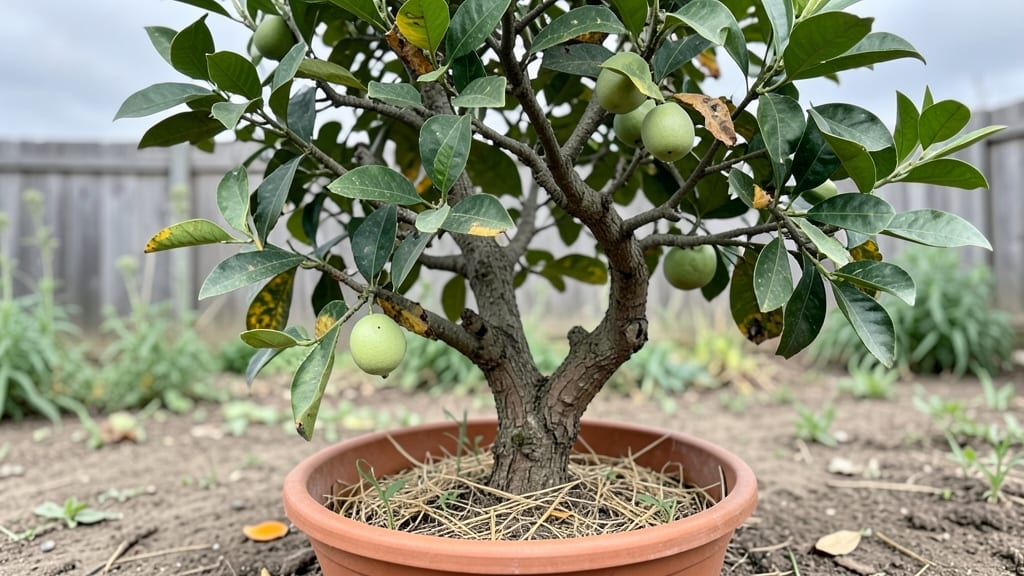
Growing an orange tree from seed means your kitchen counter could soon smell like a Florida grove. 🌱 The secret isn't complicated—it's about patience, the right soil mix, and consistent warmth.
My first attempt took three months just to crack the shell, but that stubborn little sprout became my first lesson in citrus resilience.
You'll need just three things: fresh orange seeds (never dried), a small pot with drainage holes, and a sunny windowsill or grow light. The soil should stay damp but never soggy—think of a wrung-out sponge. Most people overwater, and that's how you lose seedlings faster than you grow them.
By month six, you'll have a 6-inch sapling with glossy leaves that could make a houseplant jealous. It'll take years before you see fruit, but the journey—watching it grow from a speck to a tabletop tree—is what makes it magical.
The real payoff? A tree that's uniquely yours, with roots in your own hands.
Indoor growers can keep theirs thriving year-round with a south-facing window, while outdoor gardeners in zones 9-11 can transplant after the last frost. Either way, expect slow growth—citrus trees from seed take their time, but they're worth every wait.
📚 In This Guide
- What you need
- Instructions
- Tips and common mistakes
- Wrapping up and next steps
What you need
- ● Orange seeds: 5–10 fresh, plump seeds (harvested from ripe, organic oranges for best results).
- ● Small pots or containers: 3–4 (4–6 inches wide) with drainage holes. Use biodegradable pots if transplanting later.
- ● Well-draining potting mix: 2–3 cups of a blend designed for citrus or seed-starting soil (or DIY: 50% peat moss, 30% perlite, 20% sand).
- ● Watering can or spray bottle: With a fine mist nozzle for gentle hydration.
- ● Plastic wrap or clear lid: To create a mini greenhouse effect.
- ● Bright, indirect light source: A sunny windowsill (south-facing) or a grow light (12–16 hours/day).
- ● Patience and love! 💚
- ● Seed-starting trays: For organized germination (holds 6–12 seeds).
- ● Heating mat: (70–80°F) to speed up germination (especially in cool climates).
- ● Humidity dome: Keeps moisture levels ideal without manual covering.
- ● Fertilizer: Balanced liquid fertilizer (5-5-5 NPK) diluted to half-strength for seedlings after 4–6 weeks.
- ● Pruning shears: Tiny pair for future sapling maintenance (once they’re a few inches tall!).
Step-by-step guide to growing orange tree saplings from seeds
Here's how to coax those tiny orange seeds into sturdy saplings ready for years of growth.
🌱 Step 1: Extract and Prepare the Seeds
Start with fresh, plump orange seeds—avoid dried-out or shriveled ones. Cut open a ripe orange, scoop out the seeds, and rinse them thoroughly under cool water to remove any fruit pulp clinging to the surface. This prevents mold and speeds up germination.
Place the seeds in a bowl of room-temperature water for 24 hours. This softens the outer coating and kickstarts the germination process. Here's the thing—don't skip this soak. Seeds left dry may take weeks longer to sprout, if they sprout at all.
💧 Step 2: Set Up Germination Trays
Fill a shallow tray or seed-starting container with a mix of 50% perlite and 50% peat moss—this ensures excellent drainage while retaining enough moisture. Moisten the mix until it feels like a damp sponge, but not dripping. Press it down gently to create a firm, even surface.
Arrange the seeds about 1 inch apart on the soil surface. Press them lightly into the mix so they make contact but aren't buried—orange seeds need light to germinate. Cover the tray with clear plastic wrap or a humidity dome to trap warmth and moisture. Place it in a warm spot, ideally 70-75°F, like on top of a refrigerator or near a sunny window.
☀️ Step 3: Monitor and Transplant Seedlings
Check the tray daily for moisture—mist lightly with water if the soil feels dry to the touch. Germination typically takes 14-30 days, depending on your climate. You'll see tiny green shoots first, followed by the first true leaves. Real talk: if nothing appears after 30 days, try again with fresh seeds.
Once seedlings reach 2-3 inches tall and have developed their first set of true leaves, it's time to transplant. Gently lift each seedling with a small spoon or your fingers, and place it into its own 4-inch pot filled with well-draining potting mix. Water lightly to settle the soil around the roots.
🌿 Step 4: Care for Young Saplings
Place the pots in bright, indirect light for the first week to help them adjust. After that, gradually introduce them to 4-6 hours of morning sun daily. Orange trees love light but can scorch in intense afternoon rays. You'll notice the leaves turning a deeper green—that's your sign they're thriving.
Water the saplings when the top inch of soil feels dry, but avoid soggy conditions. Overwatering is the fastest way to kill young citrus trees. Use a small watering can with a narrow spout to target the soil directly, and always water at the base to prevent fungal issues.
Tips & tricks for perfect orange tree seedlings
Here's what nobody tells you about turning those tiny orange seeds into thriving saplings—these tricks make all the difference.
Soaking Strategy: That 24-hour soak in room-temperature water isn't just optional—it's critical. I learned this the hard way after waiting weeks for seeds that never sprouted. The soak softens the tough outer coating and kickstarts the germination process. For even better results, change the water after 12 hours to prevent bacterial buildup, which can cause mold and kill your seeds before they even sprout.
Lighting Secret: Orange seeds need light to germinate, but direct sunlight during the germination phase can actually inhibit growth. Place your covered tray in bright, indirect light—like near an east-facing window—until you see those first tiny green shoots. Once sprouted, you can gradually introduce more direct light, but don't rush this transition. Think of it like helping a baby take its first steps—slow and steady wins the race.
Transplant Timing: Wait until your seedlings reach 2-3 inches tall with true leaves before transplanting, no matter how impatient you get. I've seen beginners transplant too early, and those delicate roots get damaged, setting back growth by weeks. When you do transplant, handle the seedlings by their leaves, not the stems—you'll avoid crushing the tender root system that's just starting to establish itself.
Temperature Troubleshooting: That ideal 70-75°F range is crucial, but every home has hot and cold spots. If your kitchen stays cooler, consider using a seedling heat mat underneath the tray—it's a game-changer for slower germination. And if you're in a warm climate, don't let temperatures exceed 80°F during germination, or you'll risk damping-off disease, which turns healthy seedlings into sad, mushy messes overnight.
Pro Tips for Orange Tree Seeds
- Here's what nobody tells you about turning those tiny orange seeds into thriving saplings—these tricks make all the difference.
- Soaking Strategy: That 24-hour soak in room-temperature water isn't just optional—it's critical.
- Lighting Secret: Orange seeds need light to germinate, but direct sunlight during the germination phase can actually inhibit growth.
Frequently asked questions
Got questions about growing orange tree seeds?
You’re not alone—germinating citrus saplings from seeds can feel tricky! Here are answers to the most common queries to help you succeed.
How long does it take for orange tree seeds to germinate?
Patience is key! Most orange seeds sprout within 2–4 weeks if kept warm (70–85°F) and moist. Some may take up to 6–8 weeks—don’t give up if nothing happens in the first 2 weeks. Consistency is everything!
Why aren’t my orange seeds sprouting?
Seeds often fail due to dryness, cold temps, or poor seed quality. Double-check these fixes:
- Ensure soil stays moist but not soggy (use a spray bottle).
- Move pots to a sunny windowsill or heat mat (citrus loves warmth!).
- Test seed viability by soaking a few in water—if they sink, they’re likely good.
Can I speed up germination?
Yes! Try these pro tips to encourage faster growth:
- Soak seeds overnight in warm water before planting.
- Use a seedling heat mat (or place pots on top of a fridge).
- Cover seeds with plastic wrap to trap humidity (remove once sprouts appear!).
Will my seedling grow into a fruit-bearing tree?
Probably not the same variety as the parent tree! Orange seeds produce wild-type seedlings with unpredictable fruit (often bitter or different colors). For true-to-type oranges, grafting is the gold standard—but seeds are great for experimenting or growing as ornamentals!
Can I grow orange trees from seeds indoors?
Start seeds indoors in spring (after last frost) using a sunny window or grow lights. Once seedlings are 6–12 inches tall and temperatures warm, transplant them outdoors. Use well-draining pots (citrus hates wet feet!) and move them to a permanent outdoor spot (USDA zones 9–11) after the last frost.
Wrapping up and next steps
Growing an orange tree from seeds is a rewarding journey that blends patience with the joy of nurturing life! 🌱 With the right materials, techniques, and a dash of care, you’ve unlocked the secret to cultivating your very own citrus sapling.
Whether you’re dreaming of homegrown oranges or simply embracing the magic of gardening, every small step—from seed to sprout—matters.
Ready to take the next step? Start small: plant your first seed today, and watch as your green thumb grows stronger with each watering. Who knows? You might just be nurturing the future fruit-bearing star of your garden! 🍊✨