
Pruning
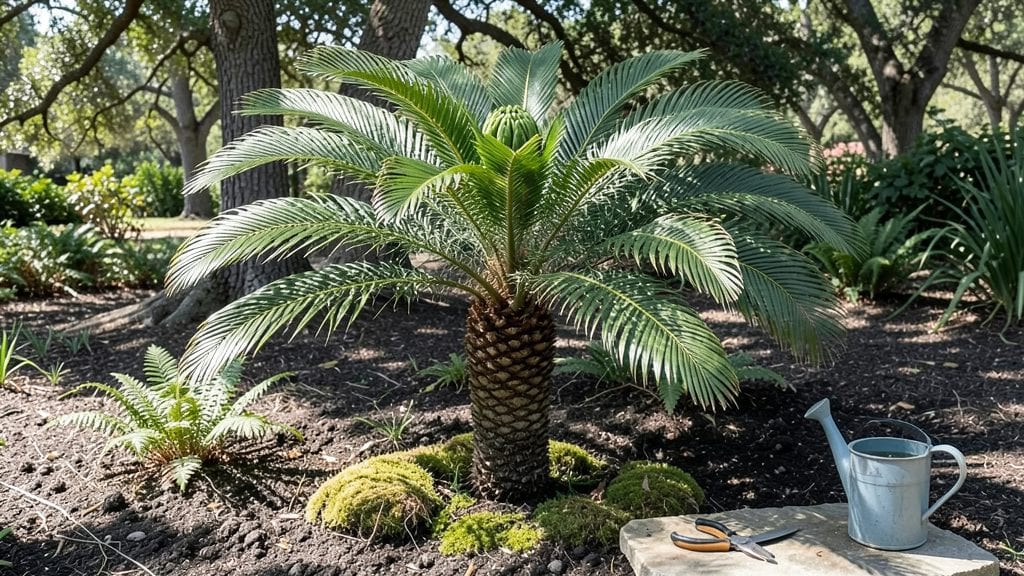
Growing a palm tree sprout from seed is like nurturing a tiny tropical dream—one that can survive your winter if you start it right. 🌱 I’ve watched these delicate shoots transform into sturdy saplings, and the key lies in mimicking their natural habitat: warmth, humidity, and gentle care.
The biggest mistake? Treating them like houseplants—they need more than just a sunny windowsill to thrive.
Your first challenge is creating the perfect indoor nursery—a warm spot (70-80°F) with bright, indirect light and a humidity tray to keep those tender leaves from drying out.
Outdoor growers in mild climates can start sprouts in well-draining soil under shade cloth until they’re 2 feet tall, but frost will kill them without protection. The secret weapon? A clear plastic dome (like a mini greenhouse) to trap warmth and moisture while they grow.
By the time your sprout hits 6 inches, you’ll see real progress—thicker stems, longer fronds, and roots eager to stretch. Transplanting too soon is the fastest way to shock them, so wait until roots fill the pot before moving them outside.
With patience, you’ll have a frost-resistant sapling ready to handle cooler nights, though it’ll still need winter wraps in chilly zones.
This method works for both indoor decor and outdoor landscaping, but the early stages demand attention. Skip the shortcuts—those first few months determine whether your palm grows into a towering beauty or a sad, stunted plant. Let’s get those sprouts off to the right start.
📚 In This Guide
- What you need
- Instructions
- Tips and common mistakes
- Wrapping up and next steps
What you need
- ● Palm tree seeds: 3–5 fresh, viable seeds (preferably from Trachycarpus fortunei or Rhapidophyllum hystrix for frost resistance).
- ● Seed-starting mix: 2–3 quarts of sterile, well-draining potting soil (avoid garden soil—it can harbor pests or diseases).
- ● Seed trays or small pots: 4–6 biodegradable or plastic pots (3–4 inches in diameter) with drainage holes.
- ● Plastic wrap or humidity dome: To maintain moisture while seeds germinate.
- ● Spray bottle: For gentle watering (avoid over-saturating the soil).
- ● Grow lights or sunny windowsill: A warm, bright spot (70–85°F) with 12+ hours of light daily.
- ○ Heat mat (optional but helpful): A seedling heat mat (55–65°F) to speed up germination.
- ● Pruning shears or scissors: For trimming seed pods or cleaning seeds (sterilize with rubbing alcohol).
- ● pH testing kit: Ensure soil pH is between 5.5–6.5 (palms prefer slightly acidic soil).
- ● Fertilizer: A balanced, water-soluble fertilizer (5-5-5 or 10-10-10) for young seedlings (use sparingly!).
- ● Thermometer: To monitor soil and air temperature (critical for frost-resistant varieties).
- ● Hardening-off tray: A shallow tray for acclimating seedlings to outdoor conditions before transplanting.
- ● Fungicide (like neem oil or copper-based spray) to prevent damping-off disease.
- ● Moisture meter to track soil hydration levels.
- ● Growth regulator (like seaweed extract) to boost early development.
- ● Larger nursery pots (5–7 inches) for faster-growing sprouts.
Step-by-step instructions for growing frost-resistant palm tree saplings
Here’s how to nurture hardy palm seedlings into sturdy saplings ready for outdoor planting.
🌱 Step 1: Prepare the Germination Environment
Palm seeds need warmth and humidity to break dormancy. Start by soaking the seeds in lukewarm water for 24 hours—this softens the tough outer shell and kickstarts germination. Place them in a sealed container with a damp paper towel to maintain moisture. I like to use a plastic bag with a tiny air hole to trap warmth while preventing rot.
Keep the container in a spot where the temperature stays between 75-85°F. A seedling heat mat works wonders here—it mimics tropical conditions and speeds up germination. Check daily for mold; if you see fuzzy white growth, open the container immediately to improve airflow. Germination can take 2-6 weeks, so patience is key.
🌿 Step 2: Transplant Sprouted Seeds into Soil
Once the radicle (the first root) emerges, it’s time to move the seedlings into well-draining potting mix. Use small, shallow containers—palm roots are sensitive to overcrowding. I prefer 4-inch pots because they give roots room to establish without becoming waterlogged. Fill each pot halfway, then gently place the seed on top of the soil, ½ inch deep.
Cover the seed lightly with soil and water gently until the mix is moist but not soggy. Place the pots under a grow light or in a bright, indirect window. Palms need 12-14 hours of light daily to prevent leggy growth. You’ll know the seedling is thriving when the first true leaves (not the initial cotyledons) appear—this usually happens within 4-8 weeks.
💧 Step 3: Maintain Moisture and Light for Sapling Growth
Frost-resistant palms like Trachycarpus fortunei or Sabal minor need consistent moisture but hate soggy roots. Water when the top 1 inch of soil feels dry, and always use room-temperature water to avoid shocking the roots. I water from the bottom of the pot to encourage deep root growth—this helps the sapling develop a sturdy trunk later.
Rotate the pots weekly so the seedlings grow straight toward the light. If you notice stems stretching or leaves turning pale, move the grow light closer—6-12 inches away is ideal. Once the saplings reach 6-12 inches tall and have 3-4 fronds, they’re ready for their next phase: hardening off.
⏰ Step 4: Harden Off and Prepare for Outdoor Planting
Before moving saplings outside, gradually introduce them to outdoor conditions over 2-3 weeks. Start by placing them in a sheltered spot for 1-2 hours daily, then slowly increase exposure to wind and sun. Frost-resistant palms can handle cooler temps, but avoid sudden temperature drops below 30°F—this can stunt growth.
Once hardened off, choose a permanent spot with partial shade to full sun, depending on your climate. Dig a hole twice as wide as the root ball but no deeper. Amend the soil with compost to improve drainage, then transplant the sapling, watering deeply to settle the roots. Mulch around the base to retain moisture and protect against temperature swings.
Tips & tricks for perfect palm tree sprout growth
A few strategic adjustments can dramatically improve your palm tree sprouts' survival rate and growth vigor.
Germination Temperature: The 75-85°F range is critical for breaking dormancy, but consistency matters more than exact degrees. I've found placing the container on top of a refrigerator (not inside) creates a stable warm spot without overheating. If your home runs cooler, consider a small space heater with a thermostat set to 80°F—this mimics tropical conditions without risking mold from excess moisture.
Lighting Strategy: For the 12-14 hours of daily light, position your grow lights 6-12 inches above the seedlings and adjust based on leaf color. Pale leaves mean more light, while brown tips indicate too much intensity. I use LED grow lights on a timer to automate this—palms won't tolerate inconsistent light cycles. Rotate pots weekly so all sides receive equal exposure, preventing lopsided growth.
Hardening Off: The 2-3 week hardening process is where most saplings fail. Start with just 1-2 hours in sheltered outdoor conditions, then gradually increase exposure. Watch for leaf curling or wilting—these are signs the plant isn't ready for more sun. I've had success using a mesh shade cloth (30-50% coverage) during the first week to filter sunlight while still acclimating the plants.
Soil Preparation: While well-draining potting mix is essential, I recommend adding perlite or vermiculite (20% of the mix) to improve aeration. Palm roots need oxygen as much as they need water. For the ½-inch planting depth in 4-inch pots, use a dibble tool to create a small hole—this prevents damaging the delicate radicle during transplanting.
Pro Tips for Palm Tree Sprout
- A few strategic adjustments can dramatically improve your palm tree sprouts' survival rate and growth vigor.
- Germination Temperature: The 75-85°F range is critical for breaking dormancy, but consistency matters more than exact degrees.
- Lighting Strategy: For the 12-14 hours of daily light, position your grow lights 6-12 inches above the seedlings and adjust based on leaf color.
Frequently asked questions
Got questions about growing your own palm tree sprout from seed? You’re not alone—this tropical adventure can feel tricky at first! Below, we’ve rounded up the most common questions (and answers) to help you navigate frost-resistant palm tree cultivation like a pro.
How long does it take for a palm tree sprout to germinate?
A palm tree seed typically takes 30 to 90 days to germinate, depending on the species and conditions. Some varieties, like the Windmill Palm (which is frost-tolerant), may sprout faster in warm, moist soil (70–85°F). Patience is key—keep the soil consistently damp and avoid overwatering, which can cause rot.
Can palm tree sprouts survive light frost?
Most palm tree sprouts are not frost-resistant until they’re established saplings (2+ years old). Young sprouts can tolerate brief dips to 28°F with proper care, but prolonged cold (<25°F) will likely kill them. If frost is forecasted, move potted sprouts to a sheltered spot or cover them with frost cloth. Hardy varieties like Trachycarpus fortunei (windmill palm) handle cold better than others.
What’s the best alternative if my palm tree sprout isn’t thriving?
If your sprout struggles with slow growth, yellowing leaves, or pest issues, consider these alternatives:
- Transplanting: If soil drainage is poor, repot into a well-draining mix (60% peat moss, 30% perlite, 10% sand).
- Fertilizer boost: Use a balanced palm fertilizer (like 8-2-12) every 2–3 months during growing seasons.
- Switch to a hardier species: Try Dypsis lutescens (areca palm) or Chamaedorea elegans (parlor palm) for indoor-friendly options.
Why is my palm tree sprout’s leaves turning brown or yellow?
Brown or yellow leaves usually signal overwatering, underwatering, or nutrient deficiencies. Check the soil moisture—it should stay evenly damp but not soggy. Yellowing at the tips often means fluoride toxicity (from tap water) or iron deficiency. Flush the soil with distilled water and adjust fertilizer to a low-iron formula if needed.
How do I know when to transplant my palm tree sprout outdoors?
Transplant outdoors only after the last frost in your zone and when your sprout has 3–5 mature leaves (usually 1–2 years old). Choose a location with full sun (6+ hours/day) and well-draining soil. Harden off the plant by gradually exposing it to outdoor conditions over 1–2 weeks. In colder climates, wait until soil temps stay above 55°F at night.
Wrapping up and next steps
Growing a palm tree sprout from seed to a frost-resistant sapling is a rewarding journey that blends patience with nature’s beauty! 🌱 By following the right steps—from selecting cold-hardy varieties like the Trachycarpus fortunei to nurturing your sprout with care—you’re not just cultivating a plant; you’re creating a resilient piece of the outdoors.
Whether you’re a seasoned gardener or a beginner, every small effort brings you closer to a thriving palm.
Ready to watch your hard work flourish? Plant your seeds today and take the first step toward a lush, green future. Need extra guidance? Check out our pruning tips for young palms to keep your sapling healthy and strong!