
Lawn
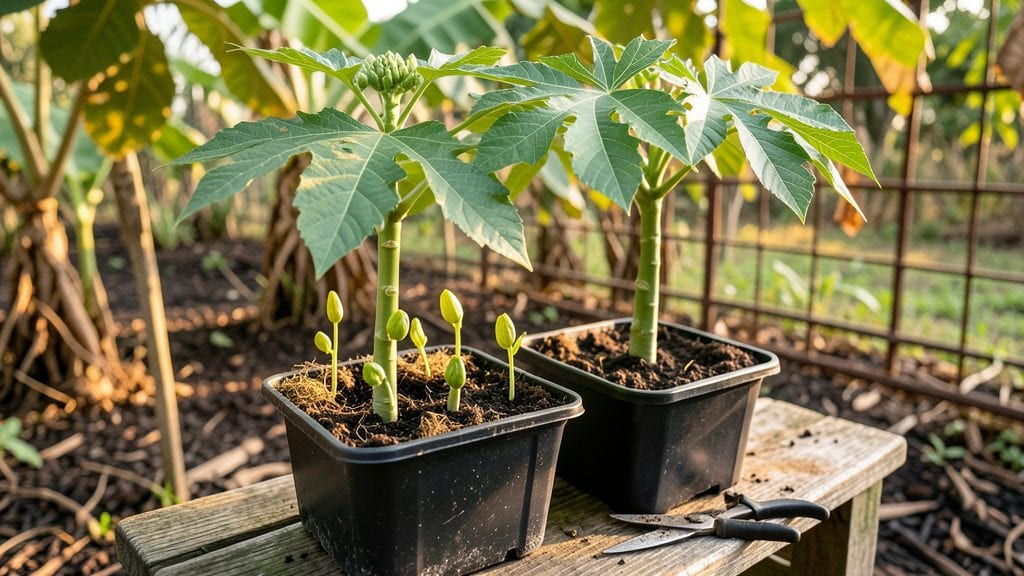
Growing a papaya tree from seed gives you a taste of the tropics right in your own space—even if you live in a cooler climate. 🌱 I’ve grown papayas from seed three times, and each time, that first sweet fruit feels like a victory.
The key is understanding how these tropical plants behave when you’re not in Hawaii or Florida.
The process starts with fresh seeds, warm soil, and patience—lots of it. You’ll need a sunny spot (or grow lights), well-draining soil mix, and a way to keep humidity high during germination.
Most seeds take 2-4 weeks to sprout, and some never make it, but when they do, you’re on your way to a 6-foot-tall tropical plant in just a few months.
By day 60, you’ll have a sturdy young tree with broad leaves and maybe even a few tiny flowers. With the right care—consistent watering, occasional fertilizer, and protection from drafts—you could be harvesting fruit in 12-18 months.
The first fruit might be small, but the thrill of growing something this exotic from scratch makes it worth it.
Whether you’re growing indoors near a sunny window or outdoors in a warm microclimate, this guide covers the basics. Let’s get those seeds sprouting!
📚 In This Guide
- What you need
- Instructions
- Tips and common mistakes
- Wrapping up and next steps
What you need
- ● Papaya seeds – 3–5 fresh, viable seeds (harvested from a ripe papaya or purchased from a reputable supplier). Pro tip: Soak seeds in warm water for 24 hours to speed up germination! 💡
- ● Seed-starting mix – 1 small container (4–6 inches deep) filled with sterile, well-draining potting soil (e.g., coconut coir or peat-based mix).
- ● Grow tray or small pots – 1–2 biodegradable pots (3–4 inches in diameter) or a seed tray with drainage holes.
- ● Plastic wrap or humidity dome – To maintain moisture and warmth during germination.
- ● Spray bottle – For gentle watering to keep soil moist but not soggy.
- ● Grow lights or sunny windowsill – A warm, bright spot (70–85°F) with at least 6–8 hours of indirect light daily.
- ○ Fertilizer (optional but helpful) – A balanced, water-soluble fertilizer (e.g., 10-10-10) diluted to half-strength for young seedlings.
- ● Pruning shears or scissors – For trimming seedlings or transplanting.
- ○ pH testing kit (optional) – To ensure soil pH is between 6.0–7.0 (papayas prefer slightly acidic to neutral soil).
- ○ Heat mat (optional) – Speeds up germination if your climate is cool (75–85°F ideal).
- ● Mulch or straw – Once transplanted outdoors, to retain moisture and regulate soil temperature.
- ● Gloves (recommended) – Papaya sap can irritate skin—protect your hands! 🧤
Step-by-Step instructions for growing a papaya tree from seed
Here's how to coax a tropical fruit tree from a single seed—no nursery needed.
🌱 Step 1: Prepare Seeds for Faster Germination
Papaya seeds have a tough outer shell that slows sprouting. I like to speed things up by soaking them first. Place the seeds between two damp paper towels in a sealed plastic bag for 24 hours at room temperature (70-75°F). Check daily—they're ready when the outer coating softens and splits slightly.
Real talk: If you skip this step, germination could take 3-4 weeks instead of 10-14 days. The soak mimics tropical rainfall and tricks the seed into thinking it's time to grow. Once softened, plant immediately while the seeds are still moist.
💧 Step 2: Plant in Warm, Well-Draining Soil Mix
Use a lightweight seed-starting mix (never garden soil—it's too dense). Fill a small pot (3-4 inches deep) with the mix and moisten it until damp but not soggy. Press a seed ½ inch deep into the soil, spacing 2-3 seeds per pot in case some don't sprout.
Cover the pot with clear plastic wrap to retain warmth and humidity. Place it in a warm spot (75-85°F)—a seedling heat mat works wonders if your home runs cooler. Keep the soil consistently moist but never waterlogged. You'll see tiny sprouts in 7-10 days if conditions are right.
☀️ Step 3: Provide Bright, Indirect Light Immediately
The moment seedlings break through the soil, remove the plastic wrap and move them to bright, indirect light. A south-facing window or grow light 4-6 inches away prevents leggy growth. Papaya seedlings need 12-14 hours of light daily—without it, stems stretch weak and pale.
Watch for first true leaves (the second set after the initial seed leaves). These will be broader and darker green. Once they appear, you can thin to the strongest seedling per pot. Here's the thing—if leaves yellow or stems bend toward the light, your seedlings need more intensity.
🪴 Step 4: Transplant to Larger Containers When Ready
After 4-6 weeks, when seedlings have 4-6 true leaves and 4-6 inches tall, transplant them into 5-gallon containers with fresh potting mix. Handle roots gently—they're delicate. Bury the stem slightly deeper than before to encourage stability.
Papaya trees grow fast, so choose containers with drainage holes. Place them in full sun (6+ hours daily) and water deeply when the top inch of soil feels dry. You'll notice new leaves emerge within a week—that's your signal everything is working. Fertilize lightly with a balanced 10-10-10 mix every 4-6 weeks once established.
⏰ Step 5: Harden Off and Prepare for Outdoor Life
When nighttime temperatures stay above 55°F (typically 6-8 months after planting), it's time to acclimate your papaya to outdoor conditions. Start by placing the pot outside in partial shade for 2 hours daily, gradually increasing exposure over 10-14 days. This prevents shock from sudden sun or wind.
Once hardened off, choose a permanent warm location (zones 10-11) or keep it in a large container. Papaya trees thrive in full sun and heat, but they won't survive frost. If you live in a cooler climate, grow it as a houseplant near a sunny window—just expect smaller fruit.
Tips & tricks for growing a papaya tree from seed
Here's what I wish I'd known before starting my first papaya tree—these simple tricks will help you avoid common pitfalls and get better results faster.
The Soak Secret: That 24-hour soak in Step 1 isn't just helpful—it's critical. I learned this the hard way after waiting three weeks for seeds that never sprouted. The key is keeping the paper towels consistently damp, not soaked. If they dry out during the 24 hours, start over. You'll know it's working when the seed coats split slightly and look translucent. Plant immediately after soaking—they'll dry out quickly once exposed to air.
Temperature Matters: Maintaining that 75-85°F range in Step 2 is easier said than done if your home runs cool. I use a small seedling heat mat under my pots, which adds just enough warmth to compensate. If you don't have one, place your pots on top of your fridge or near a sunny window during the day. The moment your seedlings break soil, move them to bright, indirect light—but keep that warmth consistent until they're established. Cold soil slows growth dramatically.
Lighting Hacks: For Step 3, I've found that a simple LED grow light on a timer (12-14 hours daily) works better than most windows, especially in cloudy climates. Position it just 4-6 inches above the seedlings and adjust as they grow. Watch for those first true leaves—they're your signal to thin to the strongest seedling. If your seedlings stretch toward the light with weak stems, they need more intensity. Rotate the pot daily so all sides get even exposure.
Transplanting Wisdom: When you reach Step 4, be gentle with those delicate roots. I like to water the seedling thoroughly first, then tip the pot to slide the root ball out intact. The 4-6 week mark is perfect for transplanting—you'll see new leaves emerging within days of moving to a larger container. Burying the stem slightly deeper helps stabilize the plant, and those drainage holes are non-negotiable. Soggy roots will kill your papaya faster than anything else.
Pro Tips for Papaya Tree Seed
- Here's what I wish I'd known before starting my first papaya tree—these simple tricks will help you avoid common pitfalls and get better results faster.
- The Soak Secret: That 24-hour soak in Step 1 isn't just helpful—it's critical.
- Temperature Matters: Maintaining that 75-85°F range in Step 2 is easier said than done if your home runs cool.
Frequently asked questions
Got questions about growing papaya from seed? You’re not alone! Here are answers to the most common queries to help you succeed with your tropical fruit adventure.
How long does it take for a papaya seed to sprout?
Papaya seeds typically sprout within 7–14 days if kept warm (70–85°F) and moist. Use a heat mat or sunny windowsill to speed things up. Patience is key—some seeds take up to 3 weeks! Pro tip: Soak seeds in warm water for 24 hours before planting to kickstart germination.
Can I grow a papaya tree indoors?
Yes, but with limitations! Papaya trees thrive in warm climates (USDA Zones 10–11), but you can try container growing indoors near a sunny window or under grow lights. Expect slower growth and smaller fruit. For best results, move seedlings outdoors during summer or use a greenhouse.
What if my papaya seedling wilts or turns yellow?
Yellowing leaves or wilting often signal overwatering, underwatering, or poor drainage. Check soil moisture (top inch should be dry) and ensure pots have drainage holes. Too much sun can also stress seedlings—start with bright, indirect light and gradually increase exposure.
How do I know if my papaya tree is male or female?
Papaya trees are dioecious, meaning male and female flowers grow on separate plants. Female trees produce fruit, while males focus on pollination. Look for small fruit-like structures near flowers on females (these are immature papayas). Male flowers lack this feature.
Are there alternatives to fresh papaya seeds?
If fresh seeds are hard to find, try these options:
- Store-bought papaya seeds: Rinse and dry seeds from organic papayas (avoid treated fruit).
- Online seed suppliers: Specialty nurseries sell papaya seeds (e.g., Baker Creek Heirloom Seeds).
- Grafting: For faster results, graft a papaya cutting onto a rootstock (advanced technique).
Pro tip: Save seeds from heirloom varieties for genetic consistency!
Wrapping up and next steps
Growing a papaya tree from seed is a rewarding journey that brings tropical flavors right to your doorstep! With just a little patience and care—like warm soil, sunlight, and consistent watering—you can enjoy fresh, homegrown papayas in as little as 60 days.
Whether you’re a green thumb or a beginner, this project is a fun way to connect with nature and savor the sweet taste of success.
Ready to take the next step? Start with one seed today—plant it, nurture it, and watch your tiny effort bloom into a thriving tree! Share your progress with fellow gardeners or even gift a sapling to a friend. Happy growing! 🌱✨