
Blooming
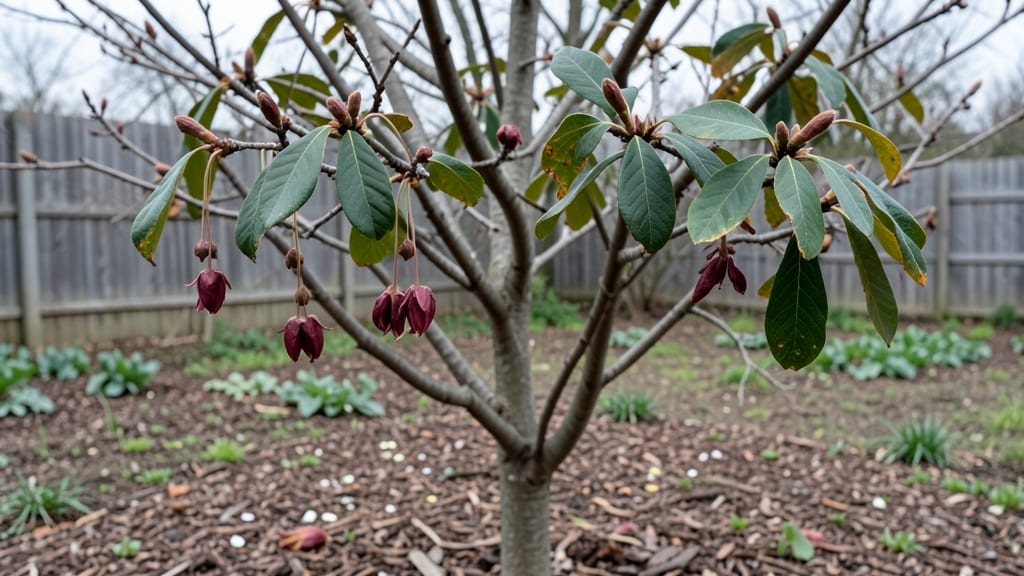
The Pacific Northwest's frost-resistant paw paw tree blooms transform spring gardens into fragrant, velvety canopies. 🌿 I’ve watched these starburst flowers unfurl each year—delicate, maroon-tinged blooms that smell like a mix of banana and bubblegum.
The timing is precise: buds swell in late April, opening fully by early May, just as the rain tapers off.
What makes these blooms special is their resilience—paw paws thrive where other tropicals fail, enduring late frosts that would kill competitors. The secret? Their deep roots and thick bark. For gardeners in zones 5-9, this means fewer failed seasons and more reliable fruit later.
The trade-off? They need patience—full bloom takes 3-5 years from seed, but the payoff is worth it.
You’ll know a tree is ready to fruit when clusters of blooms appear along the branches, not just at the tips. Bees and flies do the heavy lifting for pollination, so a healthy population of these pollinators nearby boosts your harvest.
Even a single tree can produce 20-40 pounds of fruit if conditions are right—imagine that: homegrown tropical treats from a backyard tree.
For best results, plant in full sun with well-draining soil and mulch heavily to protect roots. Prune in late winter to open the canopy, and watch as those fragrant blooms return year after year.
It’s a slow process, but the reward is a garden that feels like a hidden tropical escape—right in the Pacific Northwest.
📚 In This Guide
- What you need
- Instructions
- Tips and common mistakes
- Wrapping up and next steps
What you need
- ● Paw paw tree saplings or seeds: 1–3 cold-hardy cultivars (e.g., Asimina triloba varieties like 'Sunflower' or 'Pennsylvania Golden'). Seeds require stratification (4–6 weeks in a moist, cold environment) for germination.
- ● Well-draining soil mix: 50% native soil, 30% compost, 20% perlite/sand (for sandy or clay-heavy PNW soil). pH 5.5–7.0 (test with a soil kit if unsure).
- ● Mulch: 2–3 inches of wood chips or pine straw (retains moisture, regulates temperature).
- ● Organic fertilizer: Balanced 10-10-10 or compost tea (apply in early spring).
- ● Hand trowel or transplanting spade (for digging holes 2–3x wider than the root ball).
- ● Garden hose or watering can (deep-water 1–2x weekly during dry spells).
- ● Pruning shears (sterilized with rubbing alcohol for cuts).
- ○ Optional but helpful: Soil moisture meter (for drought-prone areas).
- ● Frost cloth (for young trees in late frosts, Zone 6–7).
- ● Tree stakes & ties (if planting in windy sites).
- ● 📅 Best planting time: Early spring (March–April) or fall (September–October) for PNW’s mild climate.
- ● 🌡️ Site selection: Full sun to partial shade (6+ hours sunlight for blooms). Avoid low spots (paw paws hate soggy roots!).
- ● 🌿 Space: Mature trees need 20–30 feet of clearance (spreading canopy!).
How to encourage stunning paw paw tree blooms in the Pacific Northwest
Paw paw trees reward patience—here’s how to coax those fragrant spring blooms to life.
🌱 Step 1: Plant in the Right Spot for Frost Resistance
Paw paws thrive in partial shade to full sun with 6-8 hours of light daily, but their real secret is moist, well-draining soil that stays cool in summer. In the Pacific Northwest, choose a site with morning sun and afternoon shade—this protects blooms from late frosts while keeping roots cool. I dig a hole twice as wide as the root ball but only as deep, then loosen the sides to encourage root spread.
Real talk: If your soil drains poorly, amend with 2-3 inches of compost mixed into the bottom of the hole. Waterlogged roots mean fewer blooms. Test drainage by digging a 1-foot hole—if water pools after 30 minutes, you’ll need to improve soil structure before planting.
☀️ Step 2: Prune for Airflow and Light Penetration
Prune in late winter or early spring before buds swell, removing dead, crossing, or inward-growing branches. I aim to keep the center of the tree open—this lets light and air reach inner blooms, preventing fungal issues. Cut back to an outward-facing bud just above a leaf node, using clean, sharp shears.
Here’s the thing—paw paws bloom on new wood, so avoid heavy pruning after summer. If you see thick, leggy growth, it’s a sign of too much shade. Move the tree to a sunnier spot next season, and you’ll see more clusters of maroon-and-white starburst flowers within 2-3 years.
💧 Step 3: Water Deeply During Bloom Season
Paw paws need consistent moisture from late winter through early summer—this is when flower buds form. Water once a week (or more in dry spells) until the soil feels damp 6 inches deep. Overhead watering can cause fungal diseases, so I use a soaker hose at the base of the tree.
Watch for wilting leaves—this is your signal to water immediately. In the Pacific Northwest’s unpredictable spring, mulch with 3-4 inches of organic mulch (like wood chips) to retain moisture and regulate soil temperature. Keep mulch 6 inches away from the trunk to prevent rot.
⏰ Step 4: Fertilize for Blooms in Early Spring
Feed with a balanced 10-10-10 fertilizer in early March, just as buds begin to swell. Scatter ½ cup per year of tree age (up to 1 cup for mature trees) around the drip line, then water deeply to activate nutrients. Paw paws don’t need heavy feeding, but a light spring boost ensures vibrant blooms.
Skip fall fertilization—it encourages late-season growth that’s vulnerable to frost. If your tree’s leaves turn yellow in spring, it’s a sign of over-fertilizing or poor drainage. Cut back on feeding and focus on improving soil moisture instead.
Tips & tricks for perfect paw paw tree blooms
Took me years to figure out these little details that make all the difference with paw paw blooms—here's what actually works.
Soil Test First: Before planting, grab a handful of your native soil and squeeze it tightly. If it stays in a clump longer than 30 seconds, you’ll need to amend it. Mix in 2-3 inches of compost at the bottom of the planting hole to improve drainage, which is critical for those 6-8 hours of daily light to reach the roots properly. I’ve seen trees with perfect light exposure fail because of poor soil structure.
Pruning Timing Secret: Late winter pruning—right before buds swell—is non-negotiable. I mark my calendar for February 15th every year because that’s when our Pacific Northwest frosts typically end. Cutting back to outward-facing buds ensures new growth that will bloom next season, while removing crossing branches prevents fungal issues that can rot flower clusters.
Watering Visual Cue: The 6-inch deep dampness check is easier than it sounds—just push a screwdriver into the soil. If it goes in easily but feels slightly resistant, you’re golden. If it slides in like butter, water immediately. I’ve learned the hard way that wilting leaves mean the tree is already stressed, and once that happens, blooms get delayed by weeks.
Fertilizer Application Hack: When scattering that ½ cup per year of age of 10-10-10 fertilizer, focus on the drip line—not the trunk. This is where the roots spread horizontally and will absorb nutrients most efficiently. I use a small shovel to create shallow trenches along the drip line, then cover with mulch to lock in moisture and nutrients.
Pro Tips for Paw Paw Tree Blooms
- Took me years to figure out these little details that make all the difference with paw paw blooms—here's what actually works.
- Soil Test First: Before planting, grab a handful of your native soil and squeeze it tightly.
- Pruning Timing Secret: Late winter pruning—right before buds swell—is non-negotiable.
Frequently asked questions
Got questions about paw paw tree blooms?
Here are some of the most common ones—plus answers to help you make the most of this stunning Pacific Northwest native!
When do paw paw trees bloom, and how long does it last?
Paw paw trees typically bloom in late spring to early summer (May–June in the PNW), with fragrant, maroon-colored flowers that last 7–10 days. Timing depends on your local climate—warmer microclimates may see earlier blooms. The flowers are short-lived but stunning, so plan to enjoy them in person!
Why aren’t my paw paw tree flowers opening, or they’re sparse?
Several factors can affect blooms: young trees (under 5 years) may produce few flowers, poor pollination (hand-pollinate with a paintbrush if needed), or environmental stress (drought, frost, or nutrient deficiencies). Ensure your tree gets well-draining soil and partial shade—too much sun can stress it. Patience helps too!
Can paw paw trees bloom without producing fruit?
Yes! While paw paw trees are dioecious (male and female flowers on separate trees), male trees focus on blooms and may produce no fruit. Female trees need a male pollinator nearby for fruit. If you want fruit, plant at least one male tree per 4–6 female trees for cross-pollination. Blooms are still gorgeous, though!
Are paw paw blooms edible, or just the fruit?
While the fruit (paw paws) is delicious and nutritious, the flowers and leaves are toxic if ingested in large quantities. Enjoy the blooms as pollinator magnets (bees and butterflies love them!) but avoid eating them. The real star is the tropical-tasting fruit that follows—harvest when yellow and soft!
Will frost damage paw paw blooms or young fruit?
Paw paws are frost-resistant but blooms are vulnerable to late frosts (<32°F). Protect young trees with frost cloth or choose late-blooming cultivars for colder zones. If frost hits, don’t panic—the tree may still produce fruit later, just in smaller quantities. Focus on soil health to help it recover!
What’s the best way to attract pollinators to paw paw blooms?
Paw paw flowers rely on bees, flies, and beetles for pollination. To boost visitors:
- Plant native companion plants like serviceberry or elderberry nearby.
- Avoid pesticides—opt for organic controls like neem oil.
- Leave leaf litter around the base for overwintering pollinators.
Wrapping up and next steps
Witnessing a paw paw tree blooms in the Pacific Northwest isn’t just a treat for the eyes—it’s a celebration of nature’s resilience and beauty. These frost-resistant giants bring a unique charm to gardens and forests, offering both visual splendor and delicious rewards.
Whether you’re a gardener, a nature lover, or just someone who adores seasonal surprises, now’s the perfect time to plant, nurture, or simply admire these stunning trees.
Ready to bring a touch of the Pacific Northwest’s magic to your space? Start small—research local nurseries, prepare your soil, and take the first step toward growing your own slice of this blooming wonder! 🌿✨