Blooming
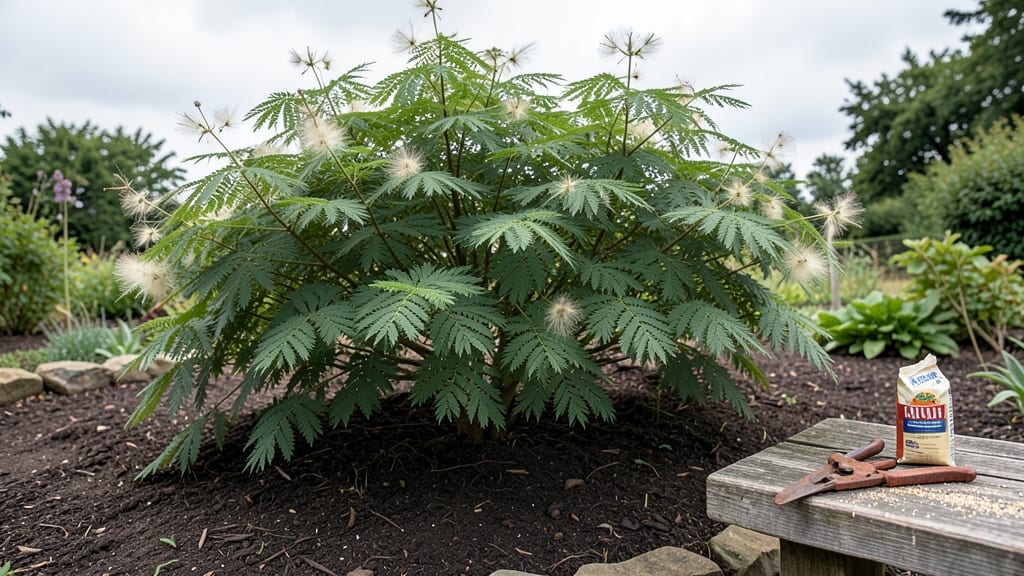
The Pacific Northwest's smoke tree in bloom looks like a firework exploded in your garden. 🌟 Its wispy, starburst petals shimmer in pink, purple, or white, creating a cloud-like effect that hummingbirds can't resist. This isn't just a shrub—it's a showstopper that transforms any landscape into a living painting.
What makes this plant special is its dual appeal: velvety foliage that shifts colors through the seasons and those dramatic plumes that dance in the breeze. In the right spot, it becomes the heart of your garden, drawing in pollinators while adding texture and movement.
The best part? It thrives in partial shade, making it perfect for understory plantings or mixed borders.
Imagine your garden in late spring when the smoke tree bursts into bloom, its jewel-toned plumes contrasting against deep green or burgundy leaves. Pair it with ornamental grasses for height, lavender for fragrance, or hydrangeas for a soft, romantic feel.
The combination creates layers of color and movement that keep your landscape dynamic all season.
Whether you use it as a focal point near a patio or weave it into a shrubbery border, the smoke tree delivers drama with minimal fuss. It’s drought-tolerant once established, low-maintenance, and adaptable to different soil types—ideal for busy gardeners who still want high impact.
Let’s make your garden unforgettable with this PNW favorite.
📚 In This Guide
- What you need
- Instructions
- Tips and common mistakes
- Wrapping up and next steps
What you need
- ● Smoke tree (Cotinus spp.): Choose between Cotinus obovatus (American smoke tree) or Cotinus coggygria (European smoke tree). Opt for a 1–3 gallon container-grown plant for faster establishment.
- ● Well-draining soil: A mix of 50% native soil, 30% compost, and 20% perlite or coarse sand (1–2 cubic yards for in-ground planting). For containers, use a 10–15 gallon pot with fast-draining potting mix.
- ● Organic mulch: 2–3 inches of wood chips or shredded bark to retain moisture and suppress weeds.
- ● Slow-release fertilizer: 10–10–10 NPK ratio (1–2 lbs per 100 sq ft) applied at planting time.
- ● Watering can or hose with a gentle spray nozzle: For post-planting hydration (aim for 1–2 gallons per week during the first year).
- ● Garden trowel or spade: For digging holes (size should be 2–3 times wider than the root ball).
- ● Gloves: Heavy-duty work gloves to protect your hands.
- ● Pruning shears: Bypass pruners (for shaping and maintenance).
- ● Measuring tape: To ensure proper spacing (10–15 feet apart for mature trees).
- ○ Optional: Soil pH test kit (ideal pH: 6.0–7.5).
- ● Epsom salt (1 tbsp per gallon of water) for magnesium-rich foliage.
- ● Bird-friendly feeder (to attract hummingbirds and pollinators!).
- ● Sunlight: Full sun (6+ hours daily) for optimal blooming and that signature "smoky" effect.
- ● Climate zone: Hardy in USDA Zones 5–9. Pacific Northwest’s mild winters are perfect!
- ● Patience: Smoke trees grow 1–2 feet per year—full bloom may take 3–5 years.
How to cultivate a thriving smoke tree for stunning Pacific Northwest blooms
Here's the method I've used to coax vibrant smoke tree blooms in my PNW garden—hummingbirds can't resist.
🌱 Step 1: Select and Prepare the Perfect Planting Site
Smoke trees (Cotinus) love full sun to partial shade—at least 6 hours of direct sunlight daily—but in hotter inland PNW areas, afternoon shade helps prevent leaf scorch. Choose a spot with well-draining soil (they hate soggy roots) and shelter from strong winds, which can tear delicate panicles.
I dig a hole twice as wide as the root ball but only as deep—planting too deep suffocates the roots. Loosen the sides of the hole with a shovel to encourage root spread. The reason we don't amend the soil heavily is that smoke trees thrive in lean conditions; over-fertilizing leads to lush foliage but fewer showy blooms.
☀️ Step 2: Plant at the Right Time for Maximum Bloom Impact
Spring is ideal—plant after the last frost when soil warms to 50°F or above. In the PNW, this is typically late April to early May, but watch for nighttime temperatures dropping below 40°F, which can stunt root growth. I always plant on a cool, overcast day to reduce transplant shock.
Remove the plant from its container and gently tease the roots apart if they're circling. Place the smoke tree in the hole, backfill with native soil, and water deeply to settle it. The key here is watering immediately after planting—this eliminates air pockets and helps roots make contact with soil. You'll see the soil surface sink slightly as it absorbs moisture; that's your signal it's done.
💧 Step 3: Water Strategically for Long-Lasting Blooms
Water deeply once a week during the first growing season, ensuring moisture reaches 12-18 inches down—this encourages deep root growth. In the PNW's mild summers, you'll often need less frequent watering once established, but never let the soil dry out completely. Smoke trees are drought-tolerant but bloom best with consistent moisture.
Here's the thing—I mulch heavily with 3-4 inches of wood chips right after planting. This keeps roots cool, retains moisture, and prevents weeds. Just keep the mulch 2 inches away from the trunk to avoid rot. You'll notice fewer watering needs after the first year because the mulch does half the work for you.
✂️ Step 4: Prune for Health and Spectacular Panicles
Prune late winter or early spring before new growth begins. Remove dead, diseased, or crossing branches first—this improves airflow and reduces pests. Then, cut back one-third of the oldest stems to encourage new growth and more abundant blooms. I always prune just above a leaf node or bud to promote branching.
Never prune in fall—new growth won't harden off before winter, and you'll risk dieback. After pruning, give the tree a light fertilizer application (½ cup of 10-10-10 per mature tree) to support regrowth. You'll see fresh, vibrant foliage and more dramatic smoke-like panicles the following season.
🪴 Step 5: Maintain for Year-Round Interest and Hummingbird Visits
Smoke trees are low-maintenance, but fall cleanup makes a difference. Remove spent flower panicles in late fall to tidy the plant, but leave seed heads if you want winter interest. They also provide food for birds during lean months. In the PNW, where winters are mild, you'll often see hummingbirds visiting even in late autumn if you leave some blooms intact.
Watch for aphids or spider mites—they love the tender new growth. A strong spray of water usually knocks them off, but for persistent infestations, I use neem oil in early summer. The secret to long-term success? Don't over-fertilize—smoke trees reward restraint with brighter fall foliage and more dramatic blooms each year.
Tips & tricks for perfect smoke tree blooms
Here's what nobody tells you about getting those showstopping smoke tree panicles—lessons I learned after watching my first few trees disappoint.
Location is Everything: In the PNW's coastal areas, you can push smoke trees to full sun all day, but inland? That afternoon sun becomes brutal. I've seen leaf scorch on trees planted in hotter inland spots—move them to partial shade after 2 PM, and you'll preserve those delicate panicles. The 6 hours of sunlight rule is your baseline, but adjust for microclimates.
Soil Prep Matters More Than You Think: I used to skip the "don't amend soil" advice, thinking a little compost couldn't hurt. Wrong! Smoke trees actually thrive in lean, native soil. If your garden soil is heavy clay, mix in 20% coarse sand to improve drainage before planting. The goal is to mimic their natural habitat—well-drained but not nutrient-rich. Too much fertilizer = lush leaves, but those panicles? They'll be half the size.
Timing Your Planting Makes All the Difference: That 50°F soil temperature threshold isn't just arbitrary—it's when roots become active. In colder inland valleys, wait until May 1st minimum to avoid frost damage. Pro tip: Check soil temp with a thermometer at 10 AM for accuracy. If it's below 50°F, wait another week. Trust me, your tree will thank you with bigger blooms next season.
Pruning Strategy for Hummingbird Magnet Blooms: When you cut back those one-third oldest stems in Step 4, make sure you're targeting the thickest, woody branches—these are the ones that produce the most dramatic panicles. Thin out crowded branches too; better fewer but larger smoke puffs than a dense but unimpressive display. And here's the secret: prune on a dry day—wet tools spread disease, and you don't want that ruining your tree's potential.
Pro Tips for Smoke Tree In Bloom
- Here's what nobody tells you about getting those showstopping smoke tree panicles—lessons I learned after watching my...
- Location is Everything: In the PNW's coastal areas, you can push smoke trees to full sun all day, but inland? That af...
- Soil Prep Matters More Than You Think: I used to skip the "don't amend soil" advice, thinking a little compost couldn...
Frequently asked questions
Got questions about the stunning smoke tree in bloom? Here are some of the most common inquiries from gardeners and nature lovers in the Pacific Northwest:
When is the best time to see a smoke tree in full bloom?
The Cotinus genus typically blooms in late spring to early summer (May–June in the PNW). However, timing varies by variety—some, like Cotinus 'Royal Purple', may have a slightly delayed or extended show. For the best display, check local bloom reports or plant tags, as microclimates can shift peak bloom by a week or two!
Why aren’t hummingbirds visiting my smoke tree?
Smoke trees are hummingbird magnets, but a few factors might deter them: timing (blooms may be past peak), location (place it near feeders or other nectar sources), or pesticides. Try adding a hummingbird feeder nearby or plant companion flowers like bee balm or fuchsia to create a buzz-worthy hub!
Can smoke trees handle the Pacific Northwest’s rainy climate?
Smoke trees are drought-tolerant once established and thrive in the PNW’s USDA Hardiness Zones 5–8. Their deep roots help them withstand wet winters, but avoid soggy soil—ensure proper drainage to prevent root rot. Mulching (2–3 inches) helps regulate moisture and protect roots from temperature swings.
What if my smoke tree isn’t blooming? Troubleshooting tips?
No blooms? Check these common culprits:
- Age: Young trees (under 3 years) may focus on foliage. Be patient!
- Pruning: Over-pruning or cutting back after blooming can reduce flowers. Prune in late winter to encourage new growth.
- Nutrients: A light balanced fertilizer (10-10-10) in early spring can boost blooms.
- Sunlight: Ensure it gets full sun (6+ hours/day)—shady spots limit flowering.
Still stumped? Test soil pH (ideal: 6.0–7.0) or consult a local nursery for tailored advice.
Are there smoke tree alternatives for smaller gardens?
If space is limited, consider these compact, hummingbird-friendly options:
- Dwarf Ninebark (Physocarpus opulifolius 'Little Devil') – Vibrant foliage + spring blooms.
- Butterfly Bush (Buddleia davidii) – Fragrant spikes loved by pollinators (choose non-invasive varieties).
- Oregon Grape (Mahonia aquifolium) – Native PNW shrub with yellow blooms and berries.
- Cotinus 'Golden Spirit' – A smaller cultivar (6–8 ft tall) with golden foliage and plumes.
All thrive in similar conditions but offer varied heights and colors!
Wrapping up and next steps
The smoke tree in bloom is a true gem of the Pacific Northwest, offering a dazzling display of starburst petals that hummingbirds adore. Its vibrant colors and low-maintenance nature make it a perfect addition to any garden, bringing life and beauty with minimal effort.
Whether you're a seasoned gardener or just starting out, this stunning tree is a worthwhile investment for both your landscape and local wildlife.
Ready to bring a touch of magic to your outdoor space? Start by researching the best local nurseries or online retailers to find your perfect smoke tree sapling. With a little care, you'll soon be enjoying its breathtaking blooms—and the delightful hummingbirds they attract!