Size
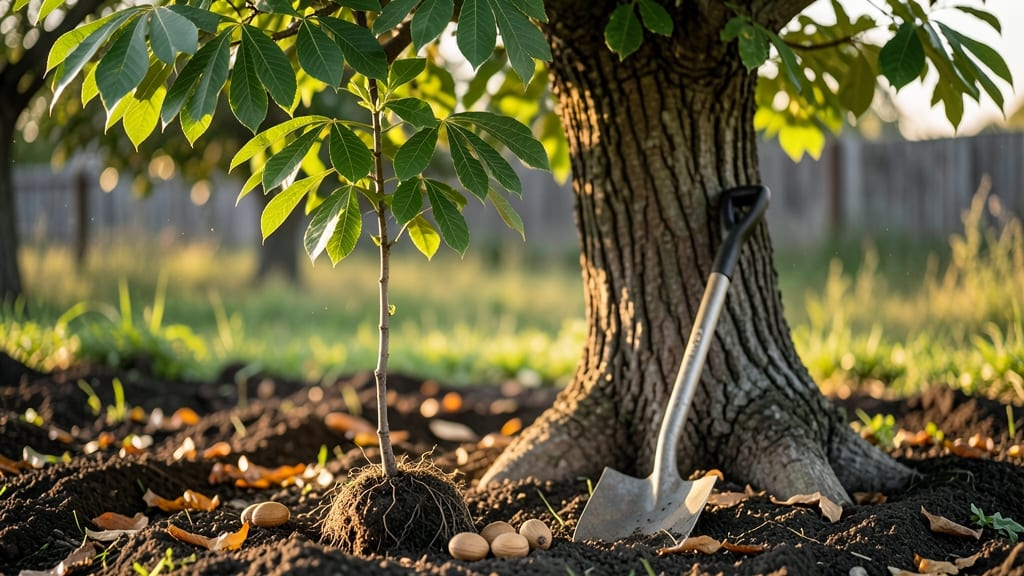
Growing pecan nut trees from seed or sapling means waiting for decades—but the first taste of your own homegrown nuts makes every year worthwhile. These sun-loving giants thrive in warm climates, where they reward patience with rich, buttery flavor and towering shade.
My first pecan tree now stands 20 feet tall, and its first serious harvest taught me everything about soil, water, and timing.
You’ll need full sun, well-draining soil, and space—these trees need 50-75 feet between neighbors. Start with a young sapling from a reputable nursery (growing from seed takes 10+ years for nuts).
The real secret? Consistent watering in dry spells and annual deep pruning to shape the tree. Fertilize lightly in early spring, and watch for pests like aphids or pecan weevils.
By year 5, you’ll see the first flowers, and by year 10, real nuts. The harvest happens in late fall, when the shells crack open easily.
Store them in a cool, dry place, and you’ll have homegrown pecans for months. Every crack of a shell feels like a victory—worth every season of waiting.
Perfect for warm climates (zones 6-9), but even cooler areas can grow them in containers or greenhouses. The key? Start small, plan long-term, and enjoy the journey. Here’s how to make it happen.
📚 In This Guide
- What you need
- Instructions
- Tips and common mistakes
- Wrapping up and next steps
What you need
- ● Pecan tree saplings or seeds: 2–4 dwarf or semi-dwarf varieties (like 'Desirable' or 'Cape Fear') for smaller spaces, or 1–2 standard varieties (like 'Pawnee' or 'Moore') for larger yards (15–20 ft mature height).
- ● Well-draining soil: Pecan trees thrive in sandy loam with a pH of 6.0–7.5. Amend clay soil with compost or sand (1 part compost to 3 parts soil).
- ● Sunlight: A full-sun location (6+ hours of direct sunlight daily).
- ● Watering supplies: Hose with adjustable nozzle or drip irrigation system.
- ● 5-gallon watering can (for young seedlings).
- ● Fertilizer: Balanced fertilizer (10-10-10 or 8-3-9) at planting (1 lb per tree).
- ● Slow-release nitrogen (e.g., 13-0-44) in early spring (follow package rates).
- ● Mulch: 3–4 inches of wood chips or pine straw (keep mulch 3 inches away from the trunk).
- ● Basic tools: Shovel or trowel (for planting).
- ● Pruning shears (for shaping young trees).
- ● Garden gloves (to protect your hands!).
- ○ Soil testing kit: Check local extension offices for free or low-cost testing (optional but recommended).
- ● Tree supports: Stakes and ties (for young trees in windy areas).
- ● Pest control: Neem oil or horticultural oil (for aphids/mites).
- ○ Traps for pecan weevils (optional but helpful in high-risk areas).
- ● Harvesting tools: Ladder (for tall trees).
- ● Harvest bags or buckets (to collect nuts).
Step-by-step guide to planting and cultivating pecan nut trees
These towering trees reward patience with rich harvests—here's how to give them the strong start they need.
🌱 Step 1: Select and Prepare the Planting Site
Pecan trees thrive in full sun with at least 6-8 hours of direct light daily, so choose a location with open sky exposure. They demand well-draining soil—avoid low spots where water pools. Test your soil's pH; pecans prefer 6.0-7.5 and tolerate slightly acidic conditions better than alkaline ones.
Dig a hole twice as wide as the root ball but no deeper—this prevents root suffocation. Loosen the sides of the hole to encourage root spread. If your soil is heavy clay, mix in 2-3 inches of compost from your 2 cubic yards of compost to improve drainage and fertility. The tree's roots will extend far beyond the canopy, so avoid planting near sidewalks or structures.
🪴 Step 2: Plant the Tree with Proper Spacing and Support
Position the tree so the top of the root ball sits 1-2 inches above ground level—settling soil can bury the graft union over time. Spread the roots gently outward, ensuring they aren’t twisted or bent. Backfill with the native soil (not amended mix) to avoid disrupting root establishment.
For young trees, install a stake only if needed—pecans grow tall naturally, but windy sites may require temporary support. Space trees 60-80 feet apart for proper air circulation and future harvest access. Water deeply immediately after planting to eliminate air pockets in the soil. Mulch with 3 inches of wood chips (from your 1 cubic yard of mulch) in a 3-foot diameter ring, keeping it 6 inches away from the trunk to prevent rot.
☀️ Step 3: Establish a Watering and Fertilizing Routine
Young pecan trees need 1-1.5 inches of water weekly during the first 2 years, delivered deeply at the base rather than frequent shallow watering. Use a soaker hose to avoid wetting foliage, which reduces disease risk. Check soil moisture by inserting a finger 3-4 inches deep—if dry, water again. Overhead sprinklers can spread fungal spores, so prioritize drip irrigation.
Apply a balanced 10-10-10 fertilizer (from your 5 pounds of fertilizer) in early spring before new growth begins. Use half the recommended rate for the first year to avoid burning tender roots. Spread granules 6 inches from the trunk and water thoroughly to activate them. Pecans are heavy feeders, but over-fertilizing leads to excessive top growth at the expense of nut production.
✂️ Step 4: Prune for Structure and Health
Prune dormant trees in late winter (before buds swell) to remove dead, crossing, or diseased branches. Use clean, sharp pruners to make cuts just outside the branch collar. Avoid heavy pruning—pecans produce nuts on current season’s growth, so maintain an open canopy to allow sunlight penetration. Thin out suckers (shoots from the base) immediately to direct energy upward.
Watch for pecan scab (a fungal disease causing dark spots on leaves) and aphids—both thrive in dense foliage. Spray with neem oil (from your 1 quart of neem oil) as a preventive measure in late spring. Prune again in early summer to remove water sprouts (vigorous vertical shoots) that steal energy from nut development. Always sterilize tools with rubbing alcohol between cuts to prevent pathogen spread.
⏰ Step 5: Monitor for Maturity and Harvest Readiness
Pecan trees take 5-10 years to bear significant crops, but you’ll know they’re maturing when new shoots grow 12+ inches annually. Harvest readiness varies by variety, but nuts are ripe when the outer husk splits open and the shell turns brown and hard. Shake the tree gently—if nuts drop easily, they’re ready.
Collect fallen nuts daily to prevent squirrel damage and mold growth from humidity. Cure nuts by drying them in a well-ventilated, shaded area for 2-4 weeks before storage. Avoid storing in plastic bags—pecans need cool, dry conditions (below 50°F) to prevent rancidity. With proper care, a single tree can yield 50-100 pounds of nuts annually once mature.
Tips & tricks for perfect pecan nut tree cultivation
Growing these sun-loving giants requires patience and precision—here's how to maximize your chances of success.
Site Selection Strategy: When evaluating potential planting spots, prioritize areas with southern exposure to capture maximum sunlight during those critical 6-8 hours of direct light. I always check for overhead power lines or nearby structures that might limit future growth—pecan trees can reach 70-100 feet tall! Consider future shade patterns too; their expansive canopies will cast significant shade after just a few years of growth.
Root Ball Preparation: The way you handle the root ball during planting makes all the difference. Gently loosen any circling roots before placing the tree in the hole—this encourages outward growth rather than girdling. I've seen many gardeners skip this step and end up with trees that struggle to establish properly. Remember, those roots will spread far beyond the canopy, so give them room to breathe from the start.
Watering Wisdom: Those 1-1.5 inches of water weekly during the first two years are non-negotiable, but timing matters just as much as quantity. Water deeply in the morning to allow foliage to dry completely before evening—a crucial defense against fungal diseases like pecan scab. I've found that using a soaker hose not only delivers water efficiently but also helps prevent soil compaction around the roots.
Long-Term Maintenance: The 50-100 pounds of nuts annually promise only materializes with consistent care. I recommend establishing a yearly pruning schedule starting in late winter to remove dead wood and maintain an open canopy. This open structure allows sunlight to penetrate all the way to the inner branches where most nuts develop. Don't forget to sterilize your pruners between cuts—this simple step prevents spreading diseases that can devastate your harvest.
Pro Tips for Pecan Nut Trees How To Grow
- Growing these sun-loving giants requires patience and precision—here's how to maximize your chances of success.
- Site Selection Strategy: When evaluating potential planting spots, prioritize areas with southern exposure to capture...
- Root Ball Preparation: The way you handle the root ball during planting makes all the difference. Gently loosen any c...
Frequently asked questions
Got questions about growing pecan trees?
You’re not alone! Here are some of the most common concerns—plus straightforward answers to help you grow like a pro.
How long does it take for a pecan tree to produce nuts?
A newly planted pecan tree typically takes 5–7 years to bear nuts, though some varieties may start producing as early as year 3 with ideal care. Patience is key—young trees focus on root and branch growth before flowering. Pro tip: Choose fast-maturing varieties like ‘Desirable’ or ‘Cape Fear’ if you’re eager for harvests!
Can pecan trees survive cold winters?
Pecan trees thrive in USDA Zones 6–9, but young trees (under 5 years) may need winter protection in colder zones. Mulch heavily around the base and wrap the trunk with burlap if temps dip below 10°F (-12°C). Mature trees are hardier and often bounce back from light freezes. Warning: Avoid planting in windy areas—young trees are vulnerable to cold winds.
Do pecan trees need cross-pollination?
Yes! Most pecan varieties are not self-pollinating and require a second tree of a compatible cultivar within 50–100 feet for good nut production. Check your tree’s tag for pollination partners—popular pairs include ‘Desirable’ + ‘Elliot’ or ‘Pawnee’ + ‘Sioux.’ Fun fact: Bees love pecan flowers, so planting near pollinator-friendly plants boosts yields!
What pests or diseases should I watch for?
Keep an eye out for pecan weevils (they burrow into nuts), aphids (sap-sucking pests), and fungal diseases like scab or powdery mildew. Use neem oil or insecticidal soap for mild infestations, and prune for airflow to prevent fungal spread. Prevention tip: Remove fallen nuts and debris in autumn to reduce overwintering pests.
Can I grow pecan trees in containers?
While possible, pecan trees are not ideal for containers long-term—they need deep roots and space to thrive. If you’re set on container growing, use a 20+ gallon pot with drainage and repot every 2–3 years. However, they’ll produce far better in the ground, especially in warm climates. Alternative idea: Try dwarf varieties like ‘Western Schley’ for smaller spaces!
Wrapping up and next steps
Growing pecan nut trees is a rewarding journey that blends patience with the joy of nurturing a sun-loving giant. With the right location, soil, and care, you’ll be on your way to harvesting sweet, crunchy pecans in just a few years!
Start small—whether it’s a single tree or a grove—and let nature do the rest. Now’s the time to plant that seed (or sapling) and watch your future harvest grow!
🌱 Next step: Mark your calendar for planting season and gather your supplies—your pecan trees are waiting for you! 🌳