
Pruning
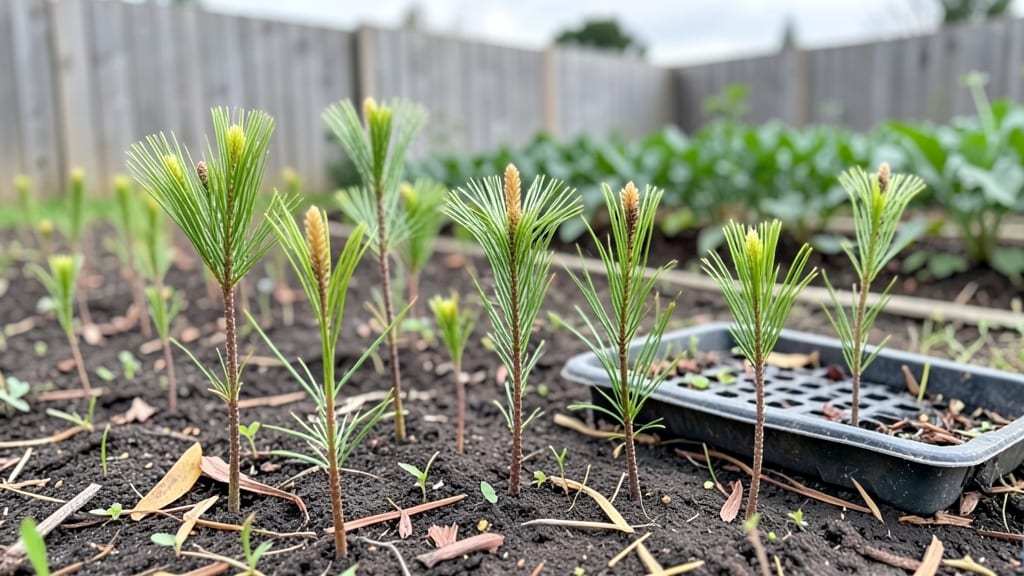
Caring for pine tree seedlings isn’t as tricky as it seems—once you know the three pruning rules that keep them thriving. 🌲 I’ve nursed dozens of these finicky young trees back from the brink, and the secret lies in balancing water, light, and strategic cuts at the right time.
Most people overwater or prune too late, which stunts their growth or invites disease.
The right soil mix is half the battle: sandy, well-draining loam with a touch of peat moss mimics their natural forest floor. Water deeply once a week (twice in summer heat), but never let them sit in soggy soil—pine roots rot faster than you’d think.
Sunlight is non-negotiable; seedlings need at least six hours of direct light daily, or they’ll stretch into weak, leggy shadows.
Your seedlings will reward you with sturdy, vibrant green needles by next spring if you stick to these basics. The three pruning rules—cutting only dead branches, shaping in early spring, and avoiding summer trims—keep them healthy without stress.
You’ll see the difference in just a few months: thick trunks, fuller canopies, and trees that outpace their neighbors.
This works for all pine varieties, from fast-growing ponderosa to slow-growing bristlecone. Whether you’re growing in containers or straight in the ground, the same principles apply. Let’s get those seedlings on the fast track to maturity—without the common pitfalls that trip up beginners.
📚 In This Guide
- What you need
- Instructions
- Tips and common mistakes
- Wrapping up and next steps
What you need
- ● Pine tree seedlings: 3–5 healthy, disease-free seedlings (choose fast-growing varieties like Pinus strobus or Pinus sylvestris for beginners).
- ● Well-draining soil: 5–10 gallons of a mix of: 60% peat moss or coconut coir
- ● 30% perlite or pumice
- ● 10% sand (for grit)
- ● Containers (if not planting outdoors): 5–7 gallon pots with drainage holes (1 per seedling)
- ● OR a raised bed (minimum 12" deep)
- ● Watering can or hose with a gentle spray nozzle (avoid over-saturating roots).
- ● Pruning shears: Sharp, bypass-style shears (sterilize with rubbing alcohol between cuts).
- ● Gloves and long sleeves (pine needles can be prickly!)
- ● Slow-release fertilizer: 1–2 tbsp of 10-10-10 or pine-specific fertilizer per seedling (apply in early spring).
- ● Mulch: 1–2 inches of pine bark or wood chips (keeps moisture in and weeds out).
- ● Shade cloth (30–50%) for seedlings in hot climates (protects from scorching).
- ● Root stimulator: Mycorrhizal fungi or a diluted seaweed solution (boosts root growth).
- ● Stakes and twine (for young seedlings in windy areas).
Step-by-Step instructions for year-round pine seedling survival
Here's how I protect young pines through every season—no guesswork, just reliable growth.
🌱 Step 1: Establish Proper Planting Depth and Soil Conditions
Plant pine seedlings at the same depth they grew in their nursery container—burying too deep suffocates roots, while planting too shallow exposes them to drying winds. Use well-draining soil with a pH between 4.5 and 6.5 (test kits are cheap and worth it). I mix in 1 part sand to 3 parts native soil to prevent compaction, which pines hate.
Water immediately after planting to settle the soil around roots, then let the top 2 inches dry out before watering again. Overwatering at this stage causes root rot—you'll see yellowing needles first, then brown patches. Mulch with 2-3 inches of pine straw (not wood chips) to retain moisture while keeping roots cool.
☀️ Step 2: Manage Light and Shelter for First Two Years
Pine seedlings need full sun (6+ hours daily) but can't handle harsh afternoon winds. I stake young trees with 3-foot bamboo stakes tied loosely with soft twine—tight ties strangle stems as they grow. Place stakes on the north side so they don't cast shade. For the first winter, wrap the trunk with tree guard (not plastic wrap) to prevent rodent damage.
Watch for needle browning on the windward side—this means exposure is too severe. If you see this, add a breathable shade cloth (30%) on the sunny side for a few hours daily. Real talk: I've lost seedlings to winter sunburn when I forgot to remove protective netting too early in spring.
✂️ Step 3: Apply the Three Pruning Rules for Healthy Growth
Rule 1: Never prune in fall or winter—new cuts invite fungal infections when moisture lingers. Wait until late spring when buds swell but haven't opened yet. Remove only dead or crossing branches with clean, sharp shears. I disinfect blades between cuts with rubbing alcohol to prevent disease spread.
Rule 2: Prune for structure, not size—cut back to a side branch or outward-facing bud, never to a bare stem. You'll see vigorous new growth at the cut site within 4-6 weeks. Avoid "topping" (cutting the main leader)—this creates weak, bushy growth that attracts pests.
Rule 3: Light pruning in summer—if you notice long, leggy new growth, trim the tips by 1/3 to encourage bushier form. Do this in early July when the tree has established roots but before fall dormancy. Water deeply after pruning to reduce stress.
Tips & tricks for perfect pine seedling care
Here's what nobody tells you about keeping young pines thriving through every season.
Soil Mix Matters: The 1 part sand to 3 parts native soil ratio in Step 1 is non-negotiable—pine roots need that perfect drainage. I've seen seedlings drown in clay-heavy soil even when watered "just right." If your native soil is dense, add perlite instead of sand for even better aeration. The top 2 inches drying out between waterings is crucial too—stick your finger in the soil to check moisture; it should feel like a wrung-out sponge, not a damp washcloth.
Wind Protection Hack: When staking in Step 2, I place the bamboo stakes at a 45-degree angle rather than straight up. This creates a natural windbreak while still allowing the tree to sway slightly—just enough movement to strengthen the stem without inviting breakage. And that 30% shade cloth? I cut it into 3-foot squares and tie them loosely around the trunk with twine, creating a movable barrier I can adjust as the sun moves across the sky.
Pruning Timing Secret: The 4-6 week window for new growth after pruning (Rule 2) is your best indicator of success. If you don't see fresh green buds emerging within 6 weeks, you've either pruned too late in spring or cut too aggressively. I mark my calendar for early July pruning and set reminders for 6 weeks later to check progress. This timing ensures the tree has energy stored from spring growth but hasn't entered fall dormancy yet.
Winter Survival Tip: That tree guard wrapping in Step 2 isn't just about rodents—it also prevents "sunscald" where winter sun warms the bark, then freezing nights cause cracks. I double-wrap the guard in early December and remove it in late February, giving the tree time to harden off before full sun exposure. The key is keeping the guard snug but not tight—you should be able to slide a finger between it and the trunk.
Pro Tips for Pine Tree Seedlings Care
- Here's what nobody tells you about keeping young pines thriving through every season.
- Soil Mix Matters: The 1 part sand to 3 parts native soil ratio in Step 1 is non-negotiable—pine roots need that perfect drainage.
- Wind Protection Hack: When staking in Step 2, I place the bamboo stakes at a 45-degree angle rather than straight up.
Frequently asked questions
Got questions about keeping your pine tree seedlings thriving? You’re not alone! Here are answers to the most common concerns—so you can grow confidently, year-round.
How often should I water pine tree seedlings?
Water pine seedlings deeply but infrequently—about once a week (or more in extreme heat). Overwatering is worse than underwatering; let the top 1–2 inches of soil dry out between waterings. Mulch helps retain moisture while preventing root rot. Pro tip: Use a moisture meter for accuracy!
When is the best time to plant pine tree seedlings?
Plant in early spring or fall (avoid summer heat or winter frost). Seedlings need time to establish roots before extreme temps. If planting in containers, use well-draining soil and keep them shaded until they acclimate. Fall planting gives them a head start for spring growth!
Can I prune pine tree seedlings, and if so, how?
Yes! Prune only to remove dead, diseased, or crossing branches—never for shaping. Use sterilized shears and cut just above a bud or branch collar. Avoid heavy pruning; pines are slow to recover. Rule #1: Never cut into the main trunk—it won’t regrow!
What pests should I watch for in pine seedlings?
Common pests include pine beetles, spider mites, and aphids. Check for sawdust-like frass (beetle sign) or sticky residue (aphids). Treat with neem oil or insecticidal soap early. Healthy seedlings resist pests better—keep soil moist but not soggy!
How do I protect pine seedlings from winter cold?
Young seedlings need winter protection if temps drop below 10°F (-12°C). Wrap the base with burlap or frost cloth and mulch heavily (3–4 inches). Avoid heavy snow buildup—gently brush it off. Rule #3: Never prune in late fall; wait until early spring!
Wrapping up and next steps
Caring for pine tree seedlings is all about patience, precision, and consistency—but with the right pruning rules and year-round attention, you’ll set them up for a thriving future. 🌲 From proper watering and soil prep to strategic trimming and seasonal adjustments, every step matters.
Now that you’re armed with expert tips, it’s time to roll up your sleeves and give your seedlings the love they deserve!
Ready to watch them grow? Start small—pick one seedling this week, apply what you’ve learned, and observe the difference. Before you know it, you’ll have a lush, healthy pine tree standing tall! 🌱