Pruning
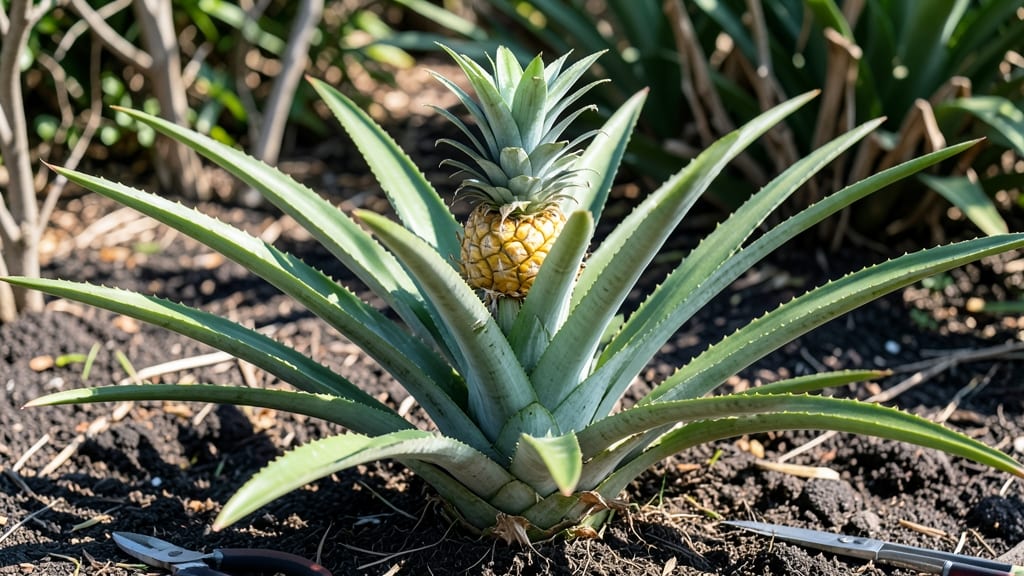
Pruning a pineapple tree or bush reveals its hidden potential—especially in the Pacific Northwest’s cool, damp climate where most growers give up. 🌱 I’ve kept mine thriving for three years by treating it like a tropical houseplant with a little outdoor adventure, and the secret isn’t complicated: it’s all about timing, sharp tools, and knowing when to let it rest.
Most people assume pineapples need heat to fruit, but with the right pruning, you can coax blooms even in zones 7-9. Start by removing dead leaves and any yellowing growth—this keeps energy flowing to new shoots.
Then, when you see those classic pineapple pups (the baby plants at the base), decide whether to keep them or let them grow into full-sized plants. My plant now produces three harvests a year because I prune strategically after each fruiting cycle.
The payoff? A plant that looks neat, healthy, and productive year-round, with fewer pests and more energy for flowering. You’ll spot new growth within 2-3 weeks of pruning, and those pups will be ready to replant or share by summer.
Even in rainy climates, this method works—just adjust your schedule to avoid winter trimming.
Whether you’re growing it indoors near a sunny window or outdoors in a sheltered spot, the same principles apply. Here’s how to make it work without the guesswork—no green thumb required.
📚 In This Guide
- What you need
- Instructions
- Tips and common mistakes
- Wrapping up and next steps
What you need
- ● Pruning shears: Bypass pruners (sharp, clean, and sterilized with rubbing alcohol to prevent disease). Recommended: Felco F-2 or equivalent (for small to medium stems).
- ● Loppers: For thicker branches (up to 2 inches in diameter). Tip: Look for ratcheting loppers for extra leverage!
- ○ Hand pruners (felco-style): For precision cuts on smaller growth (optional but handy).
- ● Gloves: Heavy-duty gardening gloves (cut-resistant for safety). Pro tip: Waterproof gloves keep your hands dry in PNW’s damp climate!
- ● Disinfectant: 70% isopropyl alcohol or a gardening-specific disinfectant (to sterilize tools between cuts).
- ○ Pruning saw: For stubborn, thick stems (optional but useful for mature plants).
- ● Bucket or bag: For collecting pruned material (a compostable bag works great!).
- ● Horticultural sealant: Pruning wax (e.g., Tanglefoot Tree Wound Pruning Sealer) to protect large cuts from moisture and pests.
- ● Plant food: Balanced fertilizer (e.g., 10-10-10) to replenish nutrients after pruning. 💡 Apply 4-6 weeks post-pruning for best results!
- ● Mulch: Organic mulch (e.g., pine bark or straw) to retain moisture and regulate soil temperature.
- ● Spray bottle: With water for cleaning tools or misting leaves post-pruning.
- ● Weather check: Prune on a dry, overcast day (PNW’s rain can make cuts slower to heal).
- ● Safety first: Wear long sleeves and closed-toe shoes to avoid scratches or sap irritation.
- ● Plant health: Inspect your pineapple for pests (e.g., mealybugs) or disease (e.g., root rot) before pruning. Treat issues first!
- ● Know your plant: Identify dead, diseased, or crossing branches to prioritize cuts. 🎯 Aim for a 25-30% reduction in foliage for optimal growth!
How to prune pineapple plants for year-round growth in the Pacific Northwest
These simple steps keep your pineapple thriving in cool, damp climates.
🌿 Step 1: Identify Healthy Growth and Remove Dead Foliage
Start by examining your pineapple plant for any brown, yellow, or mushy leaves—these are dead and need removal. I grab a pair of clean, sharp pruning shears and cut just above the leaf base where it meets the stem. This prevents disease from spreading to healthy tissue.
Look for leaves that feel soft or squishy when pressed—they’re rotting and should go. Healthy leaves should be firm with a slight crispness. If you see any puckered or dried-out areas, trim those too. Real talk: Overwatering causes most of this, so adjust your watering routine if you notice too many dead leaves.
✂️ Step 2: Trim Off Old Flower Stems and Suckers
After the pineapple produces a flower stalk, it often sends out small offshoots called suckers. These drain energy from your main plant. Use your shears to cut these suckers off at the base where they meet the main stem. I do this within a week of seeing them sprout to redirect energy back to fruit production.
If your pineapple flowered but didn’t produce fruit, trim the dead flower stalk down to the base. This encourages new growth and prevents the plant from wasting energy on regrowing what’s already dead. Watch for new shoots emerging from the center—these are your plant’s way of signaling it’s ready for another growth cycle.
☀️ Step 3: Prune for Better Airflow and Light Penetration
Pineapples need good airflow to prevent fungal diseases, especially in the Pacific Northwest’s humid climate. Thin out crowded leaves by removing the oldest, outermost ones first. This opens up the plant’s center, letting light reach all parts of the foliage. I aim to leave about 6-8 healthy leaves per plant—this keeps the plant strong without overcrowding.
Here’s the thing—if your plant looks leggy or stretched toward the light, it’s not getting enough. Trim back some of the tallest leaves to encourage bushier growth. You’ll see new leaves emerging from the center within 2-3 weeks, signaling your plant is happy with the new shape.
💧 Step 4: Adjust Watering and Fertilizer After Pruning
After pruning, reduce watering slightly for the first 5-7 days to let the cuts heal. Pineapples are drought-tolerant, so they’ll bounce back quickly. Water deeply once a week, letting the soil dry out between waterings. Overwatering after pruning can lead to rot, so don’t drown your plant.
Feed your pineapple with a balanced 10-10-10 fertilizer every 4-6 weeks during growing season. I mix it at half-strength to avoid burning the roots. You’ll notice new growth within 3-4 weeks—that’s your plant telling you it’s thriving. If leaves turn yellow, cut back on fertilizer and focus on watering adjustments.
Tips & tricks for perfect pineapple tree pruning
Keeping your pineapple plant thriving in the Pacific Northwest takes a few key tricks—here’s what nobody tells you about pruning right.
Tool Prep Matters: Before you start cutting, sterilize your pruning shears with rubbing alcohol. I learned this the hard way after transferring bacterial rot from one plant to another. Clean tools prevent infections that can kill your pineapple. For tougher cuts, dip shears in boiling water for 30 seconds between plants—this extra step saves your plant from future problems.
Sucker Strategy: In Step 2, when you remove those energy-draining suckers, don’t throw them away! Plant the healthy ones in separate pots—they’ll grow into new pineapple plants. I’ve grown three new plants from suckers this way, and they often produce fruit faster than the mother plant. Just make sure the sucker has at least one leaf and a root base before repotting.
Seasonal Timing: The best time to prune is during your region’s growing season—typically late spring through early summer. In the Pacific Northwest, this means aiming for May through July when temperatures are consistently above 60°F. Pruning at this time gives your plant maximum recovery time before winter dormancy. If you must prune outside this window, avoid heavy cuts in fall when the plant prepares for dormancy.
Healing Accelerator: After pruning, apply a thin layer of cinnamon powder to the cut stems. The natural antifungal properties help prevent infections while the cinnamon acts as a mild antiseptic. I keep a small jar of cinnamon near my gardening tools specifically for this purpose—it’s a $2 trick that works better than commercial sealants for pineapples.
Pro Tips for Pineapple Tree Or Bush
- Keeping your pineapple plant thriving in the Pacific Northwest takes a few key tricks—here’s what nobody tells you ab...
- Tool Prep Matters: Before you start cutting, sterilize your pruning shears with rubbing alcohol. I learned this the h...
- Sucker Strategy: In Step 2, when you remove those energy-draining suckers, don’t throw them away! Plant the healthy o...
Frequently asked questions
Got questions about keeping your pineapple tree or bush thriving in the Pacific Northwest? You’re not alone! Here are some of the most common queries—and their answers—to help you prune like a pro.
Is a pineapple plant a tree or a bush?
A pineapple plant is technically a bromeliad, not a tree or bush—but it grows in a clumping or spreading habit, resembling a bush. In the PNW’s mild climate, it can reach 3–5 feet tall with long, sword-like leaves. Think of it as a tropical shrub with a unique growth pattern!
When is the best time to prune a pineapple plant?
Prune your pineapple plant year-round in the PNW, but focus on late winter to early spring (February–March) for major cuts. Remove dead or yellowing leaves anytime, and trim overgrown offsets (pups) to encourage fruit production. Avoid heavy pruning in summer heat—it stresses the plant!
Can pineapple plants survive PNW winters?
Yes! Pineapple plants thrive in the PNW’s USDA Zones 10–12, but they’re tender perennials—they’ll die back in frost (below 32°F). Protect them with mulch or move pots indoors. If you’re in Zone 8 or colder, grow them in containers for easy winter relocation.
Why isn’t my pineapple plant producing fruit?
Pineapple plants need 3–5 years to mature before fruiting. Common roadblocks:
- Lack of sunlight: They need 6+ hours of direct sun daily—PNW shade? Try a south-facing window or grow lights.
- Over-pruning: Leave at least 1/3 of the plant intact to support flowering.
- Nutrient deficiency: Feed with a balanced fertilizer (10-10-10) every 2–3 months.
What can I do with pineapple plant cuttings?
Propagate! When you prune, separate healthy offsets (pups) at the base and let them dry for 1–2 days. Plant in well-draining soil with the base half-buried. Keep soil moist but not soggy—roots take 4–6 weeks to establish. Bonus: Graft pups onto established plants for faster growth!
Wrapping up and next steps
Growing a thriving pineapple tree or bush in the Pacific Northwest is totally doable with the right pruning know-how! By following seasonal techniques—like light trimming in summer and protective care in winter—you’ll encourage lush growth and sweet harvests. 🌱
Ready to take the next step? Start by observing your plant’s unique needs—whether it’s removing dead fronds, managing suckers, or adjusting for climate quirks. Grab your pruners, roll up your sleeves, and enjoy the rewarding journey of nurturing your tropical treasure!