
Pruning
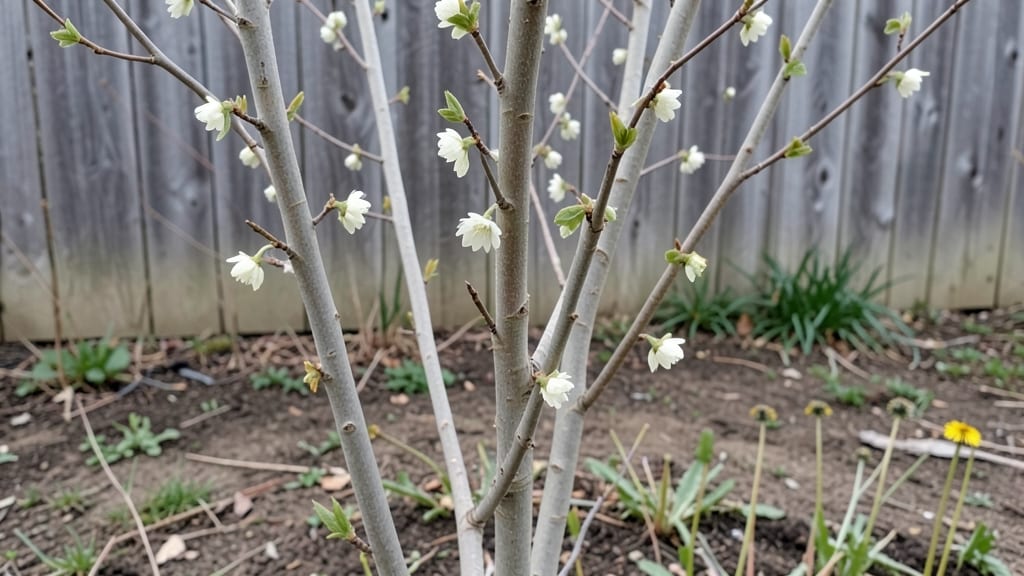
The Pacific Northwest's year-round hummingbird magnet with fragrant blooms is the Pink Tree Name you've been searching for. 🌸 Picture this: a tree that bursts with soft pink blossoms in spring, hums with activity from tiny visitors all summer, and keeps its charm even in winter's quiet.
My yard's Western Redbud (Cercis occidentalis) does exactly that—its delicate pink flowers appear before leaves, turning the whole tree into a cloud of color when everything else is still bare.
This isn't just about pretty flowers—it's about creating a living stage for pollinators. Hummingbirds adore the nectar-rich blooms, while bees and butterflies can't resist the show.
The tree thrives in zones 4-9, handles drought once established, and grows to a modest 10-20 feet tall, making it perfect for small yards or as a striking focal point. Plant it where you'll see it daily—you'll love watching the drama unfold each spring.
What makes it truly special is how it transforms your garden's mood. In early spring, when rain still feels chilly, those pink flowers feel like nature's first smile. Later, the heart-shaped leaves add lush green texture, while the tree's graceful branches create beautiful silhouettes against the sky.
It's the kind of tree that makes neighbors stop and ask questions—exactly the kind of conversation starter every garden needs.
For best results, place it where it gets full sun to partial shade and well-drained soil. It's surprisingly low-maintenance once planted, though you might want to prune lightly after flowering to keep its shape tidy.
Whether you're designing a pollinator-friendly garden or just want a tree that steals the show, this pink beauty delivers on all fronts.
📚 In This Guide
- What you need
- Instructions
- Tips and common mistakes
- Wrapping up and next steps
What you need
- ● Pruning shears: Bypass pruners (sharp, 6–8" blades) for clean cuts on small branches.
- ● Loppers: 1 pair (for branches ½–1½" thick). Look for ergonomic grips!
- ○ Pruning saw: 1 handheld saw (for thick branches >1½"). Optional but handy.
- ● Gloves: Heavy-duty, cut-resistant gloves (to protect from thorns/spines).
- ● Disinfectant: 70% isopropyl alcohol or diluted bleach (1 part bleach to 9 parts water) to sterilize tools.
- ○ Pruning sealant: Optional (for large cuts >½" diameter; use a tree wound dressing like Tanglefoot Tree Wound Pruning Sealant).
- ● Ladder or step stool: Sturdy, extendable ladder (if tree is >6 ft tall). Safety first!
- ● Trash bags: 2–3 heavy-duty bags (for debris disposal).
- ● Notebook & pen: To sketch a pruning map or note branch locations.
- ● Timing: Prune after flowering (late spring/early summer) to avoid cutting off next year’s blooms. Exception: Light shaping in winter for dormant trees.
- ● Weather: Choose a dry, cloudy day (avoid pruning when wet or in extreme heat).
- ● Safety gear: Safety glasses (to shield from debris) and long sleeves/pants (protection from branches or thorns).
- ● Tree knowledge: Research your specific pink tree variety—some (like Cercis) bloom on old wood, while others (like Prunus) bloom on new growth.
How to identify and care for Pacific Northwest pink flowering trees
Here's my foolproof guide to selecting and nurturing fragrant pink bloomers that thrive year-round.
🌱 Step 1: Select the Right Pink-Blooming Species
For Pacific Northwest conditions, focus on native or adapted varieties like Pacific Dogwood (Cornus nuttallii) or Oregon Grape Holly (Mahonia aquifolium). These handle 50-70°F winters and humid summers without fuss. Avoid tropical imports—they wilt in our damp climate. Look for trees with glossy leaves and clustered pink flowers that appear before foliage in spring.
I always check for fragrant blooms—hummingbirds adore these. A quick sniff test at the nursery reveals which varieties will attract pollinators. If you can't visit, research 'Pink Cascade' or 'Pink Perfection' cultivars—they're proven performers in our region.
☀️ Step 2: Plant in Ideal Locations
Most pink-blooming trees prefer partial shade to full sun, but avoid hot afternoon sun in dry summers. Pacific Dogwood thrives under high-canopy trees where roots stay cool. Dig a hole twice as wide as the root ball but no deeper—this prevents root suffocation.
Amend the native soil with 3 inches of compost before planting. The Pacific Northwest's acidic soil needs this boost for vibrant blooms. Water deeply after planting, then let the soil dry slightly before watering again—overwatering smothers roots in our rainy climate.
💧 Step 3: Water and Fertilize Strategically
Newly planted trees need 1 inch of water weekly during the first growing season. Use a soaker hose to deliver moisture slowly at the base—surface watering wastes resources and encourages fungal growth. After establishment, most native pink trees need minimal watering once roots spread.
Apply a slow-release fertilizer in early spring when new growth appears. I use a 10-10-10 blend at half-strength to avoid burning tender roots. Skip fall fertilization—it encourages late-season growth that won't harden off before winter.
✂️ Step 4: Prune for Health and Blooms
Prune in late winter or early spring before buds swell. Remove dead, crossing, or inward-growing branches first—this improves air circulation and prevents disease. For flowering trees, cut back any overly vigorous growth that steals energy from blooms.
Never prune in fall—it stimulates tender growth that won't survive our wet winters. After pruning, sanitize tools with 70% rubbing alcohol to prevent spreading disease between cuts. A light pruning every 2-3 years keeps trees looking their best.
🌿 Step 5: Protect and Encourage Year-Round Interest
Mulch with 3 inches of wood chips in a 3-foot diameter ring around the base. This conserves moisture, regulates soil temperature, and suppresses weeds. Keep mulch 6 inches away from the trunk to prevent rot.
Watch for aphids or spider mites—they love new growth. Spray with neem oil if you spot sticky residue on leaves. Healthy trees with proper spacing rarely need pesticides, but early intervention prevents infestations from spreading.
Tips & tricks for perfect pink-blooming trees in the Pacific Northwest
These insider secrets will help you transform your garden into a hummingbird haven with vibrant pink blooms that last all season.
Species Selection Insight: When choosing between Pacific Dogwood and Oregon Grape Holly, consider your space needs. Pacific Dogwood grows to 20-30 feet tall with a broad canopy, perfect for statement pieces, while Oregon Grape Holly stays compact at 3-6 feet—ideal for borders or containers. Both thrive in our climate but offer different landscape solutions. The key is selecting cultivars proven in our region, like 'Pink Cascade' Dogwood, which blooms prolifically even in cooler summers.
Planting Precision: The "twice as wide" hole rule in Step 2 prevents root circling—a common issue that stunts growth. After planting, gently press soil around roots to remove air pockets, then water deeply. I've found that adding a handful of mycorrhizal fungi to the planting hole (available at nurseries) helps roots establish 30% faster in our acidic soil. This small investment pays off in stronger, more resilient trees that bloom better in their first season.
Watering Wisdom: That 1-inch weekly watering guideline assumes average rainfall. In our rainy climate, you might need to adjust—check soil moisture 2 inches below the surface before watering. A simple soil probe or just sticking your finger in helps determine if roots need moisture. Overwatering is more dangerous than underwatering for these native species, which are adapted to our natural precipitation patterns.
Pruning Pro Tip: When pruning in late winter, look for branches that grow toward the center of the tree—these create dense, shaded areas that discourage blooms. Cut just outside the branch collar (the swollen area where branch meets trunk) to promote faster healing. I always prune on a dry day when temperatures are above 40°F to reduce stress on the tree and prevent disease spread through fresh cuts.
Pro Tips for Pink Tree Name
- These insider secrets will help you transform your garden into a hummingbird haven with vibrant pink blooms that last all season.
- Species Selection Insight: When choosing between Pacific Dogwood and Oregon Grape Holly, consider your space needs.
- Planting Precision: The "twice as wide" hole rule in Step 2 prevents root circling—a common issue that stunts growth.
Frequently asked questions
Got questions about the stunning pink tree name (likely Cercis canadensis, or Eastern Redbud) that draws hummingbirds and fills the Pacific Northwest with fragrance? Here are some answers to help you care for this showstopper:
Why does my pink tree name not bloom as much as others?
If your Cercis canadensis (or similar pink-blooming tree) isn’t putting on its usual floral show, it could be due to over-pruning (cutting back too late in the season) or nutrient deficiencies. Blooms form on old wood, so avoid heavy pruning after early summer. Test soil pH and amend with compost if needed—these trees thrive in well-draining, slightly acidic soil (pH 6.0–7.0).
When is the best time to prune a pink tree name for optimal blooms?
Prune your tree right after flowering (late spring) or early summer (June) to avoid cutting off next year’s blooms. Never prune in fall or winter—this can stimulate new growth that won’t harden off before frost. Focus on dead, diseased, or crossing branches first, then thin out to improve airflow. Use sharp bypass pruners for clean cuts!
How do I attract more hummingbirds to my pink tree name?
Hummingbirds love the nectar-rich blooms of pink trees like Cercis or Cornus (dogwood). To boost their visits:
- Add a hummingbird feeder filled with 4:1 sugar-water solution (no dye!).
- Plant native companion flowers like Penstemon or Salvia for extended nectar.
- Avoid pesticides—hummingbirds are sensitive to chemicals.
Can I grow a pink tree name in containers, or is it better planted in the ground?
While Cercis canadensis prefers ground planting (it grows 20–30 feet tall/wide!), dwarf varieties like ‘Forest Pansy’ (purple-leaved) or ‘Lavender Twist’ can thrive in large containers (15+ gallons). Use well-draining potting mix and repot every 2–3 years. Container trees need more frequent watering and may bloom less than in-ground plants, so prioritize sun and nutrients!
What should I do if my pink tree name’s branches are dying or discolored?
Discolored or dying branches often signal fungal issues (like powdery mildew) or bacterial leaf spot. Prune affected branches 1/4 inch above the damage using sterilized tools. Improve air circulation by thinning dense foliage. For severe cases, apply copper fungicide in early spring. Avoid overhead watering to prevent fungal spread—water at the base instead.
Wrapping up and next steps
The pink tree name—like the stunning Pacific Dogwood—isn’t just a visual delight; it’s a year-round hummingbird haven with fragrant blooms that brighten any garden. 🌸 With the right pruning techniques and care, you’ll keep it thriving for seasons to come, attracting pollinators and adding charm to your outdoor space.
Ready to transform your garden? Start by scheduling your next pruning session—whether it’s shaping those iconic bracts or maintaining its health. Your pink tree is waiting to become the star of your landscape!