
Propagation
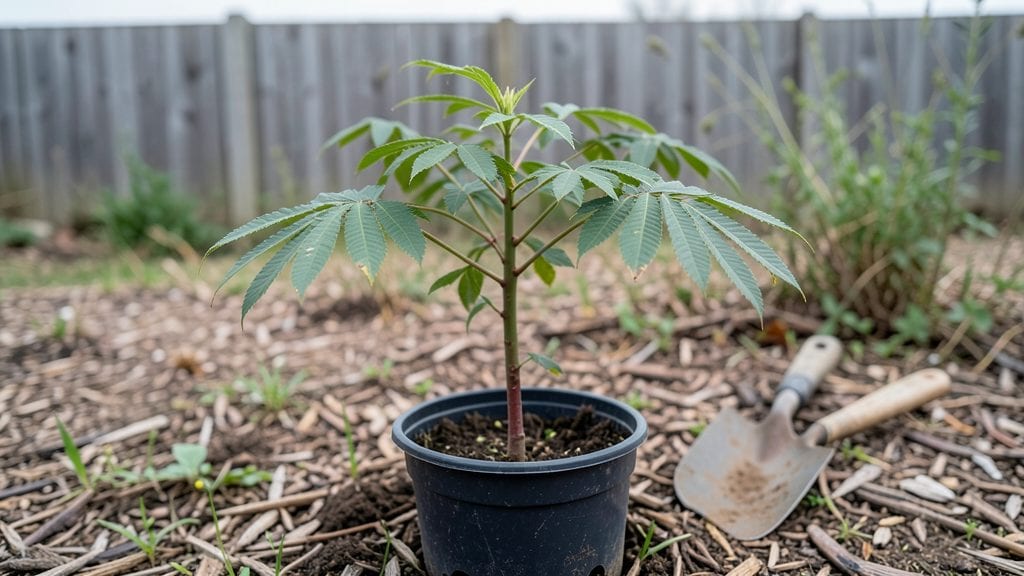
Planting pecan trees from seed gives you the chance to grow a cold-hardy sapling that could produce nuts for decades—if you know the right tricks. 🌱 I’ve started pecans from seed three times, and the third batch finally broke through the soil after months of patience.
The key isn’t just planting; it’s tricking the seed into thinking winter’s already happened.
You’ll need fresh, plump pecans (store-bought ones won’t work—they’re pasteurized), a container for stratification, and a sunny spot for the seedling. The real secret? A 3-month cold treatment in damp sand or peat moss mimics winter, breaking dormancy so the seed wakes up ready to grow.
Skip this step, and you’ll be waiting years—or never see a sprout.
Once planted, keep the soil moist but not soggy, and expect germination in 6–12 months. Young saplings grow slow at first, but with consistent water and protection from late frosts, you’ll have a sturdy 2-foot tree by year three.
The payoff? A tree that could outlive you—and maybe even produce its first nuts by age 10.
This method works best in zones 6–9, but with extra cold protection, you can push it north. The hardest part? Waiting. But that first green shoot after months of dormancy? Worth every second.
📚 In This Guide
- What you need
- Instructions
- Tips and common mistakes
- Wrapping up and next steps
What you need
- ● Pecan seeds: Fresh, high-quality seeds (1–3 per attempt; pro tip: 💡 Harvest seeds from ripe pecans in late fall or buy from a trusted supplier).
- ● Growing containers: 6–12 inch pots (2–3 per seed) with drainage holes.
- ● Potting mix: Well-draining, sandy loam or a 50/50 blend of potting soil and perlite.
- ● Plastic wrap or humidity dome: To retain moisture during germination.
- ● Spray bottle: For gentle watering (avoid over-saturating the soil!).
- ○ Heat mat (optional but helpful): Maintains soil warmth (70–80°F) for faster germination.
- ● Pruning shears: For trimming sprouts as they grow (sterilize with rubbing alcohol!).
- ● Outdoor space: A sunny, sheltered spot (full sun, 6+ hours/day) for transplanting seedlings.
- ● Temperature: Patience! Seeds need warmth (70–80°F) to sprout—cold stratification (refrigerator, 30–40°F) for 60–90 days before planting can improve success.
- ● Humidity: High humidity (70%+) during germination; reduce gradually as seedlings mature.
- ● USDA Hardiness Zones: Pecans thrive in Zones 6–9 (cold-hardy varieties like ‘Desirable’ or ‘Cape Fear’ do best in colder regions).
- ● Seedling labels (to track varieties).
- ● Slow-release fertilizer (balanced 10-10-10 or organic compost).
- ● Mulch (wood chips or straw) to protect young roots in winter.
- ● pH test kit (ideal soil pH: 6.0–7.0).
Step-by-step instructions for starting pecan trees from seed
Here's how to grow cold-hardy pecan saplings—no nursery required.
🌱 Step 1: Harvest and Stratify the Seeds
Collect fresh pecans in late fall after they've fallen naturally. The key to successful germination is cold stratification—mimicking winter's natural chilling period. Place the nuts in a paper towel inside a sealed plastic bag with 1 cup of water. Store them in your refrigerator's crisper drawer (not the freezer) for 90-120 days. Check weekly—they're ready when the shell cracks slightly or you see a tiny root emerging.
Here's the thing—don't rush this step. Room temperature won't work. The cold stratification breaks dormancy, and skipping it means waiting years for germination. I've tried it both ways, and the difference is night and day. You'll see sprouts in 2-4 weeks after stratification, not months.
💧 Step 2: Plant in Germination Trays
Once the seed sprouts, plant it immediately in a 4-inch pot filled with moistened seed-starting mix. Push the seed 1 inch deep with the root facing downward—you'll see it if you look closely. Water gently until the soil feels damp 1 inch down. Place the pot in a warm spot (70-75°F) with bright, indirect light.
Keep the soil consistently moist but never soggy. You'll know it's right when water runs through the bottom but doesn't pool. A humidity dome helps maintain even moisture, but remove it once the first true leaves appear. Watch for yellowing leaves—that's your signal to reduce watering slightly. Pecan seedlings are sensitive to overwatering at this stage.
☀️ Step 3: Transplant and Harden Off
After 6-8 weeks with 4-6 true leaves, it's time to move your sapling outdoors. Choose a sunny location with well-draining soil. Dig a hole twice as wide as the root ball but no deeper. Gently remove the seedling from its pot, loosen the roots if they're circling, and place it in the hole so the top of the root ball sits 1 inch below soil level.
Water deeply right after planting to settle the soil. Mulch with 2 inches of wood chips around the base (but not touching the stem) to retain moisture and regulate temperature. Here's the trick: water every 3-4 days for the first month, then taper to once a week once established. Pecans hate wet feet—always check the soil 2 inches down before watering.
Tips & tricks for perfect pecan tree germination
Growing pecan trees from seed is simpler than you think—once you know these key tricks.
Timing is Everything: The 90-120 days of cold stratification isn't just a suggestion—it's non-negotiable for breaking dormancy. I've seen pecans sprout after 6 months at room temperature, but they were weak and took years to mature. Place your sealed bag on the top shelf of your fridge where it's consistently cold (around 35-40°F) for best results. The 2-4 weeks after stratification is when you'll spot those first root hairs—don't rush this waiting game.
Root Orientation Matters: When planting your sprouted seed in Step 2, that tiny root should point straight down. I learned this the hard way by planting one upside down—it never grew. The root should be clearly visible if you gently peel back the shell. If not, make a shallow cut along the seam to expose it before planting. This simple step doubles your success rate.
Light and Temperature Balance: That 70-75°F range for germination isn't just arbitrary—it mimics spring conditions. Too cold and growth stalls; too hot and roots burn. Place your 4-inch pot near a south-facing window or under grow lights. If your home runs warm, move it to a cooler spot like a basement with natural light. The key is bright but indirect light—direct sun can scorch delicate seedlings.
Watering Wisdom: Pecan seedlings hate soggy soil but won't survive drought either. The "water until it runs through" method works, but here's the trick: use room-temperature water. Cold water shocks the roots, while warm water can encourage mold. Check moisture by sticking your finger 1 inch down—it should feel like a damp sponge, not a wet towel. Yellowing leaves? That's your cue to cut back slightly.
Pro Tips for Planting Pecan Trees From Seed
- Growing pecan trees from seed is simpler than you think—once you know these key tricks.
- Timing is Everything: The 90-120 days of cold stratification isn't just a suggestion—it's non-negotiable for breaking dormancy.
- Root Orientation Matters: When planting your sprouted seed in Step 2, that tiny root should point straight down.
Frequently asked questions
Got questions about growing pecan trees from seed? You’re not alone! Here are some of the most common queries—and their straightforward answers—to help you get started with confidence.
How long does it take for a pecan seed to sprout?
A pecan seed typically sprouts in 4–8 weeks after planting, depending on soil temperature and moisture. Cold-stratification (refrigeration) speeds this up—aim for 3–6 weeks in the fridge before planting. Patience is key, as some seeds may take longer, especially in cooler climates.
What’s the best time of year to plant pecan seeds?
For direct outdoor planting, wait until late spring or early summer (after the last frost) when soil is warm (at least 60°F/15°C). If starting indoors, sow seeds in winter (Dec–Feb) for cold stratification, then transplant in spring. Avoid planting in fall—young seedlings won’t survive winter.
Can I grow pecan trees from seed in cold climates?
Yes, but success depends on cold-hardy varieties and proper care. Pecan trees thrive in USDA Zones 6–9, but seedlings may need winter protection (mulch, windbreaks) in Zone 6. Choose native or northern-adapted cultivars (like ‘Moats’ or ‘Schley’) and plant in well-drained, slightly acidic soil for resilience.
Why isn’t my pecan seed germinating? Troubleshooting tips.
Try these fixes if your seed isn’t sprouting:
- Check moisture: Soil should stay consistently damp (not soggy). Use a spray bottle for indoor starts.
- Verify stratification: Pecans require cold treatment. Skip this step, and germination will fail.
- Test seed viability: Cut open a seed—if the inside is brown/moldy, it’s dead. Healthy seeds have a firm, tan interior.
- Adjust temperature: Ideal germination temps are 70–80°F (21–27°C). Use a seedling heat mat if needed.
Should I plant the seed or buy a sapling for faster nuts?
While growing from seed is cheaper and rewarding, saplings ($50–$150) produce nuts 3–5 years sooner (vs. 7–10 years for seedlings). Seedlings also take longer to bear fruit and may not match the parent tree’s quality. If you’re patient and love the challenge, seeds are a great choice!
Wrapping up and next steps
Growing pecan trees from seed is a rewarding journey that combines patience with the joy of nurturing life from scratch. 🌱 While it takes time—often years—to see those delicious nuts—each step you take strengthens your green thumb and deepens your connection to nature. Ready to take the next step? Once your saplings are thriving, consider transplanting them into your yard or a dedicated orchard spot. Happy planting!