
Pruning
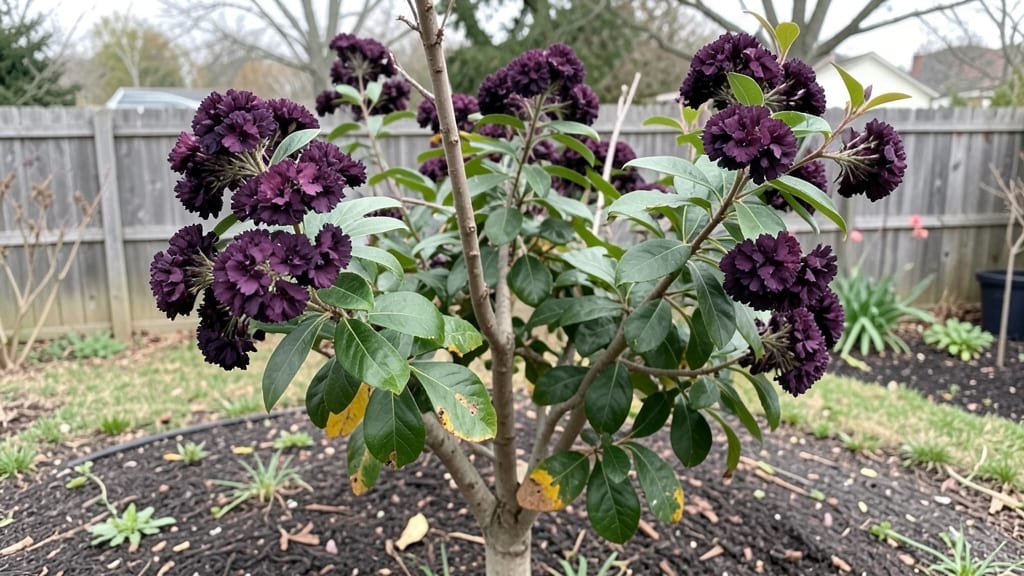
The plum magic crape myrtle tree thrives where others freeze—its stunning lavender blooms and tough-as-nails resilience make it a standout in the Pacific Northwest’s chilly winters. 🌿 I’ve grown this variety for years, and it’s the only one that survives our damp, cool summers and occasional late frosts without flinching.
The secret isn’t just its hardiness, though—it’s how you prune it to keep those vibrant flowers coming back bigger each year.
This tree isn’t fussy about soil as long as it drains well, and it soaks up sunlight like a champ—though it tolerates partial shade better than most crape myrtles.
The real magic happens when you prune it right: cutting back old wood in late winter unlocks a flush of new growth and even more blooms by summer. I’ve seen neighbors’ crape myrtles struggle with powdery mildew or weak stems, but Plum Magic just keeps growing, year after year.
By following a few simple pruning rules—like removing dead wood early and shaping it to avoid congestion—you’ll end up with a tree that’s both disease-resistant and showstopping. The blooms start in early summer and last through fall, turning your yard into a fragrant, purple-hued paradise even when temperatures dip.
Plus, the bark adds winter interest, so it’s beautiful no matter the season.
Whether you’re a first-time pruner or a seasoned gardener, this blueprint works for any Pacific Northwest yard—from urban backyards to rural homesteads. Let’s get those shears ready and make sure your Plum Magic crape myrtle steals the show every year.
📚 In This Guide
- What you need
- Instructions
- Tips and common mistakes
- Wrapping up and next steps
What you need
- ● Pruning shears: Bypass pruners (sharp, clean, and sterilized with rubbing alcohol to prevent disease). Quantity: 1 pair (or 2 if working on a large tree).
- ● Loppers: For thicker branches (1–2 inches in diameter). Look for: Long handles (20+ inches) and a bypass blade.
- ● Pruning saw: For branches too thick for loppers (2+ inches). Recommended: Folding saw with a fine-toothed blade.
- ● Gloves: Heavy-duty gardening gloves (cut-resistant, like mechanics-grade or pruning gloves).
- ● Disinfectant: 70% isopropyl alcohol or a pruning sealant (like Tanglefoot Pruning Seal) to coat cuts.
- ○ Ladder (optional but helpful): Extendable fiberglass or aluminum ladder (16–20 ft) for tall branches. Safety tip: Use stabilizers!
- ● Heavy-duty trash bags: For collecting pruned branches (5–10 gallon size).
- ● Marking twine or flags: To tag branches for removal (if needed).
- ● Hand saw: For precision cuts on stubborn branches.
- ● Pruning paint: To seal large cuts (e.g., Tree Seal by Espoma).
- ● Work vest or apron: With pockets for tools and quick access.
- ● Safety glasses: To protect from debris.
- ● Wheelbarrow: For hauling away pruned branches efficiently.
- ● Weather check: Prune on a dry, calm day (avoid rain or wind).
- ● Time commitment: Allocate 2–4 hours for a mature tree (adjust for size).
- ● Tree health assessment: Inspect for diseased or dead branches before starting.
- ● Local regulations: Check if your area requires permits for large-scale pruning.
Step-by-Step pruning guide for Plum Magic Crape Myrtle in the Pacific Northwest
Here's how to keep your frost-hardy beauty thriving year after year.
✂️ Step 1: Time Your First Cut for Late Winter
Wait until late February or early March—after the worst winter frosts have passed but before new growth begins. The Plum Magic variety handles cold well, but fresh cuts need time to heal before spring rains arrive. Look for dormant branches with no green buds as your signal to start.
Grab your pruning shears and remove any dead, diseased, or crossing branches first. These are easy to spot—they're brown, brittle, or growing inward. Cut just outside the branch collar where it meets the trunk to prevent unsightly stubs. I always make my cuts at a 45-degree angle about ¼ inch above a bud facing outward.
🌿 Step 2: Shape for Airflow and Light Penetration
Step back and assess your tree's natural shape. The Plum Magic grows best with an open, vase-like form that lets sunlight reach all branches. Start by thinning out 10-20% of the smallest branches from the center—these are the ones blocking light from lower limbs. You'll see them growing straight up or crowded together.
For lateral branches, cut back to just above an outward-facing bud to encourage new growth in the right direction. Avoid "topping" (cutting the main stem flat)—this creates weak, bushy growth that snaps in winter storms. Instead, aim for a gradual taper from bottom to top, with the lowest branches about 3-4 feet off the ground for easy maintenance.
☀️ Step 3: Summer Maintenance for Healthy Growth
After the initial pruning, monitor your tree through June and July. This is when you'll spot suckers (shoots growing from the base or trunk) and water sprouts (fast-growing vertical shoots). Remove these immediately—they drain energy from your tree's best blooms. Use your fingers or small pruners for suckers and sharp bypass pruners for thicker water sprouts.
Here's the thing—Plum Magic blooms on new wood, so don't worry about cutting back flower clusters after they appear. Instead, focus on keeping the tree's structure open. After a heavy bloom cycle, you can do a light cleanup in late summer to remove any dead flowers or crossing branches before winter dormancy sets in.
⏰ Step 4: Winter Prep for Frost Resilience
In November, give your tree one final check before winter. Remove any damaged branches from late-season storms, but avoid heavy pruning now—new growth won't harden off before frost. Instead, focus on cleaning up debris around the base to prevent fungal issues.
For younger trees (under 5 years old), wrap the trunk with tree guard if your winters get below 10°F. The Plum Magic handles cold well, but extra protection gives peace of mind. Mulch the base with 2-3 inches of wood chips, keeping it 6 inches away from the trunk to prevent rot. This insulates roots while allowing airflow to prevent moisture buildup.
Tips & tricks for perfect pruning of Plum Magic Crape Myrtle
Common pruning mistakes can turn your beautiful Plum Magic Crape Myrtle into a tangled mess. Here's what I've learned after years of working with these frost-resistant trees in the Pacific Northwest.
Timing Secret: The late February to early March window is critical for Step 1. If you prune too early, you risk exposing fresh cuts to late frosts, while waiting too long means you'll be pruning new growth instead of dormant branches. I always check the local frost forecast and wait until we've had at least three nights above 28°F before starting. This ensures your cuts heal properly before spring rains arrive.
Tool Technique: Your pruning shears matter more than you might think. For Step 1 and Step 3, use sharp bypass pruners—they make cleaner cuts that heal faster. I've seen dull blades tear bark, creating entry points for diseases. Before you start, sharpen your tools or use a dedicated pruning saw for any branches thicker than your wrist. The 45-degree angle mentioned in Step 1 should be made about ¼ inch above the bud using a single, smooth motion.
Visual Cues for Step 2: When shaping your tree, look for these visual clues: branches growing straight up are usually blocking light, while those crossing others create weak attachment points. For lateral branches, aim to cut just above a bud that faces outward—you'll see these buds are slightly larger and more prominent than others. This simple visual guide helps create that perfect vase-like shape without needing measurements.
Winter Protection Strategy: For younger trees in Step 4, don't skip the tree guard if your winters dip below 10°F. I've seen Plum Magic trees survive -20°F winters without protection, but the extra insulation prevents trunk splitting during rapid temperature swings. When wrapping, leave a small gap at the top for airflow—this prevents moisture buildup that can lead to rot. The 2-3 inches of mulch should be spread evenly, creating a donut shape around the trunk.
Pro Tips for Plum Magic Crape Myrtle Tree
- Common pruning mistakes can turn your beautiful Plum Magic Crape Myrtle into a tangled mess.
- Timing Secret: The late February to early March window is critical for Step 1.
- Tool Technique: Your pruning shears matter more than you might think.
Frequently asked questions
Got questions about caring for your Plum Magic Crape Myrtle? You’re not alone!
Here are some of the most common queries from gardeners in the Pacific Northwest—plus expert answers to keep your tree thriving year after year.
How cold can a Plum Magic Crape Myrtle handle in the PNW?
The Plum Magic is one of the hardiest Crape Myrtles, surviving temperatures down to 0°F (-18°C). However, young trees or those in exposed areas may need winter protection (like burlap wraps) during harsh freezes. Established trees in zones 6-9 typically handle PNW winters with ease!
When’s the best time to prune my Plum Magic?
Prune late winter or early spring (before buds swell) to avoid removing next year’s blooms. If you missed the window, lightly shape the tree in summer after flowering, but avoid heavy cuts—this can stress the tree. Never prune in fall (it encourages tender growth vulnerable to frost).
Can I prune too much? What’s the ‘magic’ ratio?
Yes! Over-pruning weakens the tree and reduces blooms. Aim to remove no more than 25% of the canopy per year. Focus on dead, crossing, or overcrowded branches first, and avoid "topping" (cutting back to stubs). The Plum Magic rewards patience—think less is more!
What if my tree isn’t blooming? Is it dying?
Not necessarily! Crape Myrtles often take 3-5 years to mature and bloom. If your tree is healthy (green leaves, no pests) but still sparse, check for:
- Over-fertilizing (too much nitrogen = leafy, no flowers).
- Poor sunlight (they need 6+ hours of sun daily).
- Improper pruning (late cuts or aggressive trimming).
Are there frost-resistant alternatives if Plum Magic isn’t available?
Try these PNW-friendly Crape Myrtle varieties:
- ‘Tonto’ (zones 6-9, compact, early blooms).
- ‘Muscle Shoals’ (zones 5-9, disease-resistant).
- ‘Biloxi’ (zones 6-9, heat-tolerant, great for urban areas).
Wrapping up and next steps
Transforming your Plum Magic Crape Myrtle into a stunning, frost-resistant beauty doesn’t have to be daunting—just follow your new pruning blueprint! 🌿 With the right tools, timing, and techniques, you’ll nurture a tree that thrives in the Pacific Northwest’s unique climate while boosting its health and blooms.
Now, grab those shears and watch your tree shine brighter than ever!
Your next step? Mark your calendar for late winter or early spring—when the magic happens! Start small, stay consistent, and soon, your Plum Magic will be the talk of the neighborhood. Happy pruning! ✂️🌸