
Pruning
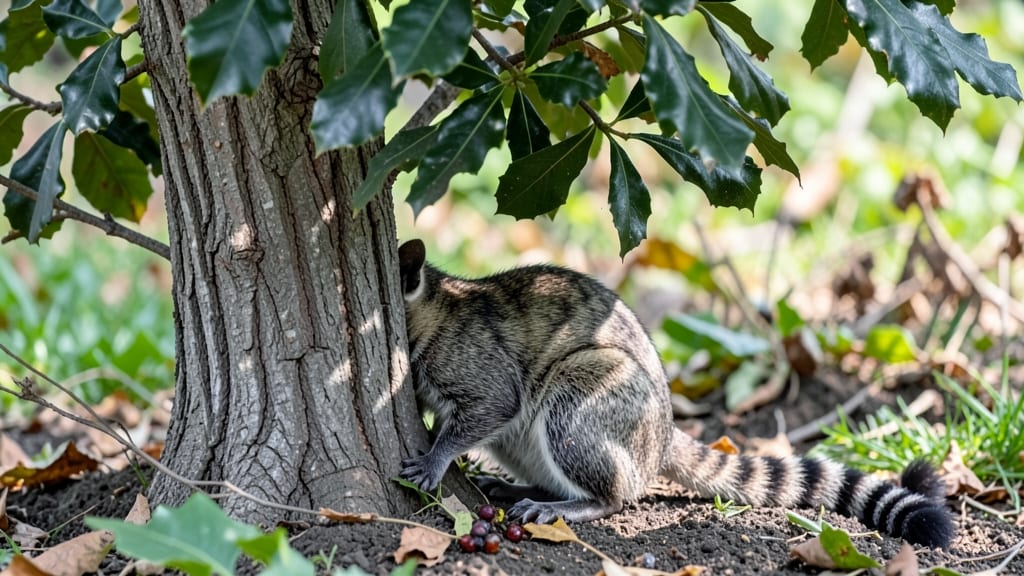
That possumhaw holly tree thrives where others fail—its glossy leaves and bright red berries stay vibrant even through Pacific Northwest winters. I’ve watched mine stand tall through icy winds, its branches heavy with berries that feed birds long after other hollies have shed theirs.
The secret isn’t just its cold hardiness; it’s how you shape it in winter that unlocks its full potential.
This holly loves full sun but tolerates partial shade, making it perfect for yards with mixed light. Plant it in well-draining soil—sandy loam works best—and water deeply once established, though it’s surprisingly drought-tolerant once rooted.
The real magic happens in winter pruning: focus on removing dead wood and thinning crowded branches to let light reach the center. This keeps the tree’s natural pyramid shape while encouraging those showstopping berries.
By late winter, you’ll see fresh green growth pushing through, and by summer, the foliage will be so dense it feels like a living fence. Those berries? They’ll stay bright red until birds devour them in winter, providing a feast for wildlife when food is scarce.
The tree’s versatility means it works as a specimen plant, a privacy screen, or even a container tree on patios.
Here’s the kicker: possumhaw holly is one of the few hollies that drops its leaves in fall, giving you that classic holly look year-round without the winter browning.
Start with a young tree, prune it right, and you’ll have a low-maintenance, high-impact centerpiece that outshines any other Pacific Northwest native. Let’s get yours thriving!
📚 In This Guide
- What you need
- Instructions
- Tips and common mistakes
- Wrapping up and next steps
What you need
- ● Pruning shears: Bypass pruners with sharp, clean blades (1 pair, bypass recommended for clean cuts).
- ● Loppers: For thicker branches (½"–1.5" diameter), with bypass blades (1 pair).
- ● Pruning saw: Curved-tooth saw for branches >1.5" in diameter (1 saw, folding handle preferred).
- ● Gloves: Heavy-duty, cut-resistant gardening gloves (1 pair) to protect hands from thorns.
- ● Disinfectant: 70% isopropyl alcohol or rubbing alcohol (small bottle) to sterilize tools between cuts.
- ● Rubbing alcohol wipes: For quick tool cleaning (10–20 wipes).
- ● Ladder: Sturdy, extension ladder (20–30 ft, non-slip feet) if tree exceeds 6 ft tall.
- ● Tarp or drop cloth: To collect debris (1–2 large sheets, waterproof).
- ○ Pruning sealant: Optional but helpful for large cuts (>½") to prevent disease (small jar, latex-based).
- ● Notebook & pen: To sketch a pruning plan before starting.
- ● Pole pruner: For high branches (1, adjustable length).
- ● Safety glasses: To shield eyes from debris (1 pair).
- ● Long-sleeve shirt & pants: Protects against thorns and scratches.
- ● Garden kneeler: For comfort if working near the base.
- ● String or twine: To mark branches for removal (small roll).
- ● Camera: To document before/after progress!
Step-by-step guide for pruning possumhaw holly in the Pacific Northwest
Winter’s the perfect time to sculpt your possumhaw holly’s natural form—here’s how to do it right.
✂️ Step 1: Assess the Tree’s Natural Shape and Health
Start by examining the tree’s overall structure from all sides. Possumhaw hollies grow with a naturally dense, rounded shape, so your goal is to enhance—not alter—that form. Look for branches that cross or rub against each other; these are prime candidates for removal to prevent bark damage and disease entry.
Check for dead, diseased, or weak branches by gently scraping the bark with your thumbnail. Healthy bark should be smooth and greenish underneath, while dead wood will reveal dry, dark layers. Mark these branches with a small flag or twine for easy identification during pruning. This step ensures you’re only removing what’s necessary, preserving the tree’s natural beauty.
✂️ Step 2: Remove Dead, Diseased, or Problematic Branches First
Using sharp, clean pruning shears, cut out the marked branches at their point of origin—where they meet the trunk or another branch. Make your cuts just outside the branch collar, the slightly swollen area where the branch meets the trunk. Avoid leaving stubs, as they can invite rot or pest infestations.
For larger branches, use a pruning saw to avoid tearing the bark. After removing a branch, inspect the cut to ensure it’s clean and smooth. If the branch is over 4 inches in diameter, consider making a three-cut technique to prevent bark from tearing. This step keeps your tree healthy and prevents future issues from spreading.
✂️ Step 3: Thin Out the Canopy for Better Airflow and Light
Possumhaw hollies thrive with good airflow and light penetration. Focus on thinning the canopy by selectively removing branches that are growing inward or too densely. Aim to reduce the density by about 20-30% to allow sunlight to reach the inner branches, which encourages berry production and overall vigor.
Start from the outer edges and work your way inward. Remove branches that are growing straight up or downward, as these can create a "skirt" effect and reduce the tree’s natural openness. Step back frequently to assess the tree’s shape—you’re looking for an open, airy structure that still retains its rounded silhouette. This step ensures your tree stays healthy and productive for years to come.
✂️ Step 4: Shape the Tree’s Silhouette for Winter Structure
Now’s the time to refine the tree’s overall shape. Possumhaw hollies respond well to light shaping, so focus on creating a balanced, symmetrical form. Use hand pruners to trim back any branches that are growing too aggressively in one direction, keeping cuts just above a leaf bud or lateral branch.
For a more natural look, avoid making drastic cuts—possessumhaw hollies grow slowly, and over-pruning can stress the tree. Instead, make small adjustments to encourage a fuller, more balanced growth pattern. Step back every few minutes to check your progress, and don’t be afraid to take breaks. This step is about subtle refinement, not drastic transformation.
Tips & tricks for perfect possumhaw holly pruning
Real talk: Pruning possumhaw holly isn't rocket science, but these small details make all the difference between a healthy tree and one that struggles to bounce back. Here's what nobody tells you about working with this Pacific Northwest native.
Tool Prep is Non-Negotiable: Before you even touch your tree, sharpen your pruning shears and clean them with rubbing alcohol. Dull blades tear bark instead of making clean cuts, which invites disease. I learned this the hard way after ruining three cuts on a stubborn branch—now I check my tools before every session. For branches over 4 inches, use a pruning saw with a fine-tooth blade to avoid splintering the wood.
The 20-30% Rule for Canopy Thinning: When you're thinning in Step 3, think of it like opening a window in a stuffy room—you want better airflow, not a completely different space. That 20-30% reduction mentioned in the instructions isn't arbitrary: it's the sweet spot for maintaining berry production while preventing fungal issues. Start by removing every other branch that's growing too densely, then step back to visualize the effect. You'll notice how much more light reaches the inner branches immediately.
Branch Collar Respect: That swollen area where branches meet the trunk isn't just decoration—it's the tree's natural healing system. Cutting too close to the collar (or worse, leaving a stub) creates perfect entry points for pathogens. When making cuts in Step 2, position your blade just outside the collar but never inside it. Think of it as respecting the tree's anatomy rather than hacking at it randomly.
Pro Tips for Possum Haw Holly Tree
- Real talk: Pruning possumhaw holly isn't rocket science, but these small details make all the difference between a healthy tree and one that struggles to bounce back.
- Tool Prep is Non-Negotiable: Before you even touch your tree, sharpen your pruning shears and clean them with rubbing alcohol.
- The 20-30% Rule for Canopy Thinning: When you're thinning in Step 3, think of it like opening a window in a stuffy room—you want better airflow, not a completely different space.
Frequently asked questions
Got questions about pruning possumhaw holly trees in the Pacific Northwest? You’re not alone! Here are answers to the most common queries—from timing tricks to troubleshooting mistakes—so you can shape your tree like a pro.
When is the best time to prune possumhaw holly?
The ideal window is late winter to early spring (February–March) before new growth begins. This minimizes stress on the tree and avoids attracting pests. Avoid pruning in fall—it can stimulate tender new growth that won’t survive PNW winters.
What if I prune at the wrong time?
Pruning too late (spring/summer) may encourage overly vigorous growth that’s prone to frost damage. Fall pruning can leave cuts vulnerable to fungal infections. If you’ve already pruned out of season, focus on light maintenance and monitor for stress signs like yellowing leaves or stunted growth.
Can I shape possumhaw holly like a topiary?
Possumhaw holly responds well to structured pruning for hedges or topiaries. Use sharp bypass pruners for clean cuts and aim for a 1/3 reduction in height/width per year. For formal shapes, prune twice a year: once in late winter and again in mid-summer.
How do I fix over-pruned possumhaw holly?
If you’ve over-pruned (e.g., cut into old wood or removed >30% of foliage), focus on recovery pruning:
- Leave at least 1/3 of the canopy intact.
- Water deeply and mulch to reduce stress.
- Avoid fertilizing—wait until new growth appears.
- Prune only dead/diseased branches the first year.
Are there alternatives to possumhaw holly for PNW pruning?
Yes! If possumhaw isn’t your style, consider these cold-hardy PNW options:
Tree/Shrub
Pruning Notes
Oregon grape (Mahonia)
Prune after flowering (late winter) to maintain shape; tolerates heavy cuts.
Evergreen huckleberry (Solanum)
Light pruning in early spring; avoid cutting into woody stems.
Vine maple (Acer circinatum)
Prune in late winter for structure; responds well to thinning cuts.
Wrapping up and next steps
The possumhaw holly tree is a resilient gem of the Pacific Northwest, thriving even in harsh winters with the right care—especially strategic pruning.
By following cold-hardy techniques, you’ll not only enhance its natural beauty but also support its long-term health and structure. Your efforts today will reward you with a stunning, low-maintenance tree for years to come!
Ready to transform your yard? Grab your tools and start pruning this season! For extra guidance, check out local gardening forums or consult a horticulturist to tailor tips to your specific climate. 🌿✨