
Container Gardens
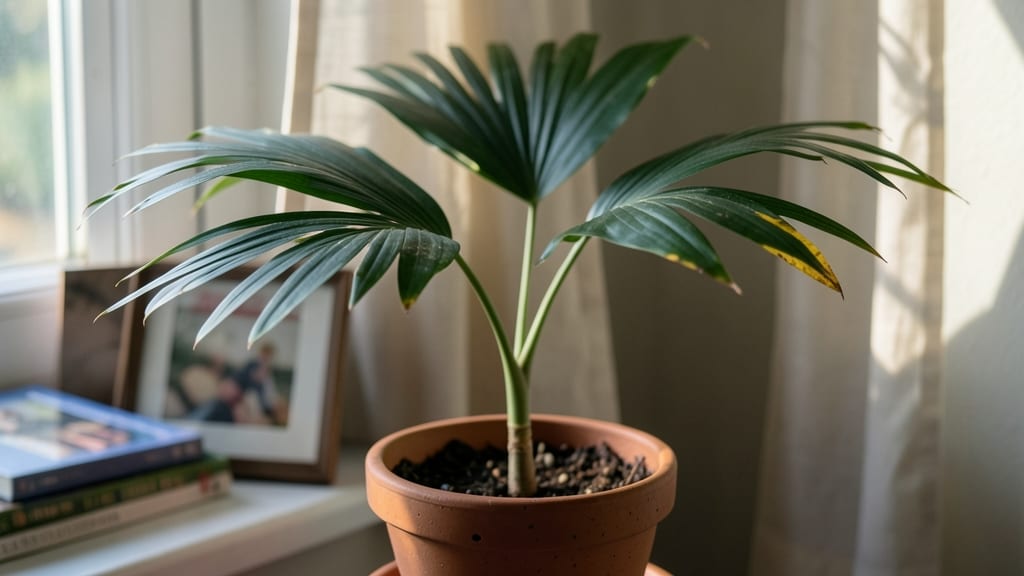
Potted palm trees bring tropical vibes to any space without needing bright sunlight. 🌿 I've kept palms thriving in offices, apartments, and even dimly lit hallways—here's how to pick the right species, pot, and care routine for your home.
The key starts with choosing a palm that matches your light levels, like the low-light-tolerant Areca or the easygoing Parlor Palm.
You'll need a well-draining potting mix (think 50% peat or coconut coir, 30% perlite, and 20% compost) and a container with drainage holes—no fancy pots here, just one size up from your plant's current home.
Watering's the trickiest part: let the top 1-2 inches dry out between drinks, and never let them sit in saucers of water. That's where most beginners go wrong.
With the right setup, you'll see new fronds unfurling every few months and a plant that looks lush year-round. The secret's consistency—palms reward steady care with slow, steady growth and that signature tropical presence.
We'll cover seasonal tweaks (like less water in winter) and how to spot problems before they spread.
Whether you're fixing a struggling palm or starting fresh, these tips work for indoor or shaded outdoor spaces. Let's get that plant looking like it belongs in a jungle instead of your living room.
📚 In This Guide
- What you need
- Instructions
- Tips and common mistakes
- Wrapping up and next steps
What you need
- ● Potted palm tree: Choose a variety like Areca palm (Dypsis lutescens), Parlor palm (Chamaedorea elegans), or Bamboo palm (Chamaedorea seifrizii). Start with a 12–18" plant for manageable care.
- ● Pot: A container 2–4 inches larger in diameter than the root ball with drainage holes. Terracotta or ceramic pots work best.
- ● Well-draining potting mix: A blend of 50% peat moss or coconut coir, 30% perlite or pumice, and 20% sand or orchid bark (avoid garden soil—it compacts!).
- ● Watering can: With a narrow spout for precise watering (1–2 gallons capacity).
- ○ Humidity tray or pebble tray: Optional but helpful for low-humidity areas.
- ● Fertilizer: A balanced liquid fertilizer (10-10-10 or 20-20-20) diluted to half-strength. Organic options like fish emulsion also work.
- ● Pruning shears: Sharp, clean pair for trimming dead fronds (sterilize with rubbing alcohol).
- ○ Gloves: Protect your hands from rough fronds (optional but recommended).
- ● Spray bottle: For misting leaves if humidity drops below 40%.
- ○ Grow lights (optional): LED full-spectrum bulbs (12–16 hours/day) if natural light is below 100–200 foot-candles.
- ● Pot saucer: To catch excess water and protect surfaces.
- ○ Soil moisture meter: Helps avoid over/under-watering (optional but handy).
Step-by-Step guide for growing potted palm trees indoors
Here's how to keep your tropical palm thriving in low-light spaces.
🪴 Step 1: Select the Right Container and Drainage
Choose a pot with drainage holes—palms hate soggy roots. I recommend a container that's 2-3 inches wider than your palm's root ball to allow room for growth. Terra cotta pots work well because they breathe, but plastic holds moisture longer if you tend to forget watering.
If your chosen pot lacks drainage, drill holes in the bottom and place a layer of 1-2 inch gravel or broken pottery at the base. This creates an air gap that prevents root rot, which is the #1 killer of potted palms. I always add a saucer underneath to catch excess water—never let the palm sit in standing water.
🌱 Step 2: Prepare the Soil Mix for Optimal Growth
Use a well-draining mix that mimics tropical forest soil. I blend 60% peat moss or coconut coir with 30% perlite or pumice and 10% compost for nutrients. This lightweight mix prevents compaction and allows excess water to drain quickly.
Fill the pot about 1/3 full with your mix, then place the palm's root ball on top. Gently spread the remaining soil around the roots, pressing lightly to eliminate air pockets. The soil surface should sit about 1 inch below the pot's rim—this prevents water from spilling over when you water.
☀️ Step 3: Position for Light and Humidity Balance
Palms tolerate low light but grow best with bright, indirect light—think east or north-facing windows. If your space is dim, supplement with a grow light 12-18 inches away for 12-14 hours daily. Avoid harsh direct sun, which can scorch fronds.
Increase humidity by misting the palm 2-3 times weekly or placing the pot on a tray filled with pebbles and water. The pebble method creates a natural humid microclimate without waterlogging roots. Watch for brown leaf tips—this usually signals low humidity or fluoride buildup from tap water.
💧 Step 4: Water with Precision to Prevent Root Stress
Water when the top 2-3 inches of soil feel dry. Stick your finger in—if it comes out clean, it's time to water. I use room-temperature water to avoid shocking the roots, and I always water until it drains freely from the bottom holes. Empty the saucer after 10 minutes to prevent root rot.
Palms store water in their trunks, so they prefer deep but infrequent watering over frequent shallow drinks. Overwatering causes yellowing fronds, while underwatering leads to crispy leaf edges. Find your palm's rhythm—some varieties need water every 5-7 days, while others stretch to 10.
✂️ Step 5: Prune and Fertilize for Long-Term Health
Remove yellow or brown fronds at the base using clean, sharp pruners. Cut just above the point where the frond meets the trunk—never leave stubs. This encourages new growth and prevents pests from nesting in dead fronds. I sterilize my pruners with rubbing alcohol between cuts to prevent disease spread.
Fertilize every 2-3 months during spring and summer with a balanced liquid fertilizer (10-10-10 or 20-20-20). Reduce feeding in fall and winter when growth slows. Always follow package instructions—over-fertilizing burns roots and causes leaf tip burn.
Tips & tricks for perfect potted palm trees
Took me years of trial and error to perfect these simple tricks that'll keep your indoor palm thriving year-round.
Container Selection: Always choose a pot that's only 2-3 inches wider than your palm's root ball. Larger pots hold too much moisture, creating the perfect conditions for root rot. I've learned the hard way that palms in oversized containers struggle to dry out properly between waterings. For added insurance, select pots with feet—this prevents water from pooling against the pot's base, which can lead to fungal issues.
Soil Mixing Strategy: When combining your 60% peat moss or coconut coir with 30% perlite and 10% compost, I recommend adding a handful of orchid bark to the mix. This extra ingredient improves aeration without altering the moisture retention. The key is to mix thoroughly—uneven distribution can create pockets where water pools, leading to root stress. Remember to press the soil lightly around the roots to eliminate air pockets, but don't compact it too tightly.
Light Positioning: The 12-14 hours of grow light mentioned in Step 3 should be positioned at the height where your palm's fronds naturally reach. This ensures even light distribution across all leaves. I've found that moving the grow light slightly every few days helps prevent the palm from growing toward one side. For maximum benefit, use a timer to automate the light cycle—consistency is more important than exact hours.
Watering Wisdom: The 10-minute drainage rule in Step 4 is non-negotiable. After watering, always wait until the saucer is completely empty before returning the palm to its decorative tray. I've noticed that some decorative saucers have raised edges that trap water—if yours does, consider upgrading to one with a flat base. Also, avoid watering during the evening, as damp foliage overnight can promote fungal growth.
Pro Tips for Potted Palm Trees
- Took me years of trial and error to perfect these simple tricks that'll keep your indoor palm thriving year-round.
- Container Selection: Always choose a pot that's only 2-3 inches wider than your palm's root ball.
- Soil Mixing Strategy: When combining your 60% peat moss or coconut coir with 30% perlite and 10% compost, I recommend adding a handful of orchid bark to the mix.
Frequently asked questions
Got questions about keeping your potted palm trees thriving indoors? You’re not alone! Here are some of the most common concerns—and their simple solutions—to help you care for your leafy green companion with confidence.
How much light do potted palm trees really need?
Most potted palms thrive in bright, indirect light—think near a north- or east-facing window. Avoid harsh direct sun (like a south window), which can scorch fronds. If your space is dim, a grow light for 12–14 hours daily works wonders. Pro tip: Rotate the pot monthly for even growth!
How often should I water my potted palm?
Water when the top 1–2 inches of soil feel dry—usually every 1–2 weeks, depending on humidity and pot size. Overwatering is the #1 killer! Use a well-draining pot with drainage holes, and let excess water drain away. Yellow fronds? Likely overwatering; brown tips? Probably underwatering or dry air.
What’s the ideal temperature for indoor palm trees?
Palms love 65–85°F during the day and 55–65°F at night. Keep them away from drafts (like AC vents or heaters), cold windows, or sudden temperature swings. If your home dips below 50°F, move the plant to a warmer spot or use a space heater nearby.
Can I keep a potted palm tree in a small apartment?
Many palms (like the Parlor Palm or Areca Palm) adapt well to small spaces. Choose a compact variety and place it in a corner with indirect light. Just monitor humidity—apartment air can be dry. A pebble tray or occasional misting helps mimic tropical conditions.
Why are my palm tree’s fronds turning brown or yellow?
| Issue | Likely Cause | Fix It! |
|---|---|---|
| Brown tips | Low humidity or fluoride in tap water | Mist leaves, use distilled water, or add a humidifier. |
| Yellow fronds | Overwatering or poor drainage | Let soil dry out between waterings; check drainage holes. |
| Brown patches on fronds | Sunburn or pests (like spider mites) | Move to indirect light; wipe leaves with soapy water. |
Need more help?
Snap a photo of your palm’s symptoms and compare it to online guides—most issues have quick fixes!
Wrapping up and next steps
Bringing the tropics indoors has never been easier—or more rewarding! Potted palm trees are the perfect low-light heroes for your home, offering lush greenery with minimal fuss. Whether you’re a seasoned plant parent or just starting your green journey, these resilient beauties thrive with basic care and a little love.
Ready to elevate your space? Start small—pick your favorite palm, grab your supplies, and give it a try! With the right setup, you’ll soon enjoy the serene, tropical vibes of a potted palm in your own home. 🌿✨