
Pruning
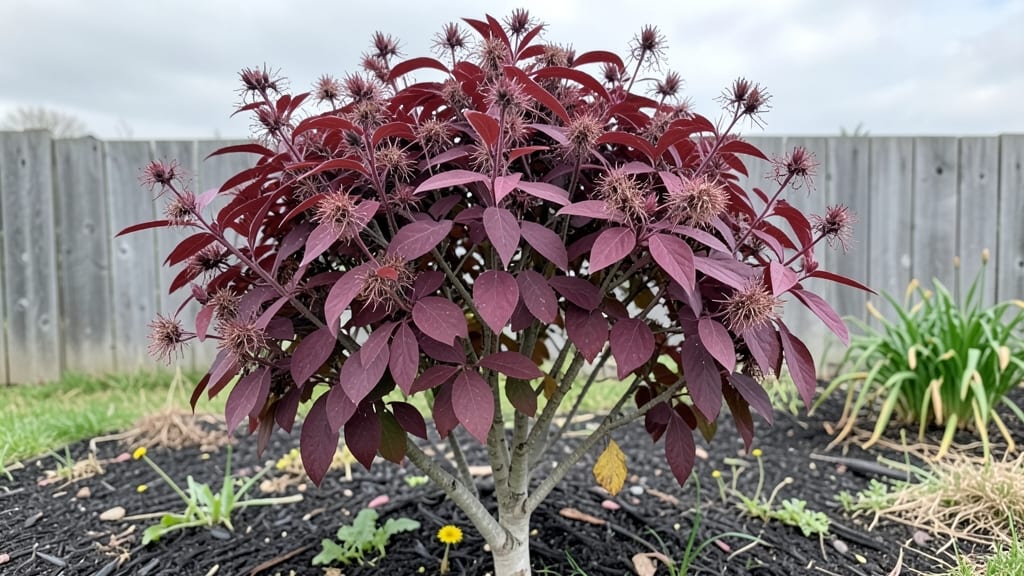
The PrairieFire crab tree delivers four-season drama with fiery fall foliage, white spring blooms, and glossy red fruit—all while demanding less fuss than most ornamentals. 🌟 I planted mine last spring after years of admiring neighbors' vibrant canopies, and it's now the showstopper of my front yard with almost no pruning required.
This disease-resistant beauty thrives in full sun to partial shade and tolerates everything from clay soil to urban pollution. The secret to its low-maintenance reputation? A single pruning session every 2-3 years to shape growth, plus occasional cleanup of dead branches.
Even in harsh winters, its branches hold onto color until late fall.
You'll end up with a tree that feeds birds, attracts pollinators, and stays healthy for decades with minimal effort. The glossy red berries persist through winter, creating a striking contrast against snow or evergreens. Best of all, it matures at a manageable 20-25 feet tall—perfect for small yards.
Whether you're replacing an old maple or adding year-round interest to a new landscape, this crab apple delivers professional results with beginner-level care. Let's get yours planted right from the start.
📚 In This Guide
- What you need
- Instructions
- Tips and common mistakes
- Wrapping up and next steps
What you need
- ● Pruning shears: Sharp, bypass-style shears (rated for branches up to ½ inch thick). Pro tip: 💡 Test sharpness on a small branch—if it crushes instead of cuts, it’s time to sharpen!
- ● Loppers: For thicker branches (½ to 1½ inches). Look for ratcheting or bypass models with ergonomic grips.
- ● Pruning saw: Curved-tooth saw for branches over 1½ inches. A foldable version saves space!
- ● Gloves: Heavy-duty, cut-resistant gloves (e.g., mechanics’ or pruning gloves) to protect hands from thorns and splinters.
- ○ Disposable pruning bags: 2–3 heavy-duty bags (15–20 gallon capacity) for debris. Optional: A wheelbarrow for hauling larger loads.
- ● Rubbing alcohol (70%+) or bleach solution: 1 part bleach to 9 parts water in a spray bottle to sterilize tools between cuts.
- ● Ladder or step stool: Extendable fiberglass ladder (rated for your height + 3 feet) or a stable stool for safety.
- ● Marking twine or paint: Colored twine or non-toxic paint to tag branches for removal (if needed).
- ● Hand saw or pruning knife: For precision cuts on stubborn branches.
- ● Tree wound dressing: Controversial but useful for large cuts (e.g., Tanglefoot Tree Wound Pruning Sealer).
- ● Work gloves with wrist straps: Prevents tools from slipping mid-cut.
- ● Extension pole pruners: For high branches (if you skip the ladder).
- ● Camera or phone: Snap before/after pics to track progress!
Step-by-step guide to planting and maintaining a PrairieFire crab tree
This striking tree thrives with minimal fuss—just follow these key steps for vibrant foliage year-round.
🌱 Step 1: Select and Prepare the Planting Site
The PrairieFire crab apple (Malus 'PrairieFire') loves full sun to partial shade but delivers its signature red-purple foliage best with at least 6 hours of direct sunlight daily. Choose a spot with well-draining soil—this tree hates soggy roots. If your soil is heavy clay, amend with 2-3 inches of compost mixed into the top 12 inches of soil before planting.
Dig a hole twice as wide as the tree's root ball but only as deep as the container it came in. Loosen the roots gently if they're circling the pot—this prevents girdling later. Place a 1-inch layer of gravel at the bottom of the hole to improve drainage if your site floods easily.
🪴 Step 2: Plant with Proper Spacing and Mulch
Position the tree so the top of the root ball sits 1-2 inches above ground level—this prevents waterlogging. Backfill with native soil, tamping lightly every 6 inches to remove air pockets. Space mature trees 20-25 feet apart to allow for their 20-25 foot spread and upright growth habit.
Apply 3 inches of mulch (wood chips or shredded bark) in a 3-foot diameter ring around the base, keeping it 6 inches away from the trunk. Mulch conserves moisture and regulates soil temperature, but never pile it against the trunk—this invites rot. Water deeply after planting to settle the soil around roots.
☀️ Step 3: Water and Fertilize for Establishment
Water deeply once a week for the first two months, ensuring moisture reaches 12 inches down. After that, water every 10-14 days unless rainfall provides 1 inch of moisture. The PrairieFire crab apple is drought-tolerant once established, but young trees need consistent moisture to develop strong roots.
Fertilize lightly in early spring with a balanced 10-10-10 formula, applying ½ cup per inch of trunk diameter. Skip fertilizer in the first year—newly planted trees need to focus on root growth, not foliage. Over-fertilizing can burn roots and reduce the tree's natural cold hardiness.
✂️ Step 4: Prune for Structure and Health
Prune only in late winter or early spring before new growth begins. Remove dead, diseased, or crossing branches first—these compete with healthy growth. Thin out 20-30% of the canopy to improve airflow, which prevents fungal issues like apple scab that can discolor leaves.
Shape the tree by selective pruning—cut back last year's growth by ⅓ to encourage bushier growth. Avoid heavy pruning; this tree thrives with minimal intervention. Sterilize pruning tools with 70% rubbing alcohol between cuts to prevent spreading disease.
🌿 Step 5: Monitor for Pests and Seasonal Care
Watch for aphids or spider mites in hot, dry summers—they suck sap and weaken leaves. Spray with neem oil (mix 1 tablespoon per gallon of water) if you spot sticky residue on foliage. The PrairieFire's dense canopy deters most pests, but early intervention keeps it looking its best.
In fall, remove any fallen fruit or leaves to reduce disease risk. The tree's red-purple foliage persists into winter, so avoid pruning then—you'll lose that seasonal color. Apply a 2-inch layer of mulch in late fall to insulate roots against freezing temperatures.
Tips & tricks for perfect PrairieFire crab tree planting
Here's what nobody tells you about getting that vibrant red-purple foliage your PrairieFire deserves.
Sunlight Strategy: That crucial 6 hours of direct sunlight isn't just about full sun exposure—it's about consistent morning sunlight. Position your tree to catch those first rays, which help dry dew quickly and prevent fungal issues. If your site gets afternoon shade, the foliage will still develop color but may be slightly less intense.
Soil Prep Secret: When amending heavy clay with 2-3 inches of compost in the top 12 inches, mix in a handful of sand too—just ½ cup per square foot. This improves drainage without altering the soil's natural structure. I learned this the hard way after watching roots struggle in compacted clay, even with compost.
Mulch Placement: That 3-foot diameter ring of mulch should extend beyond the tree's eventual spread. As the canopy grows, the drip line (where water falls from leaves) will expand—keep mulch there to protect roots. And yes, that 6-inch gap from the trunk is non-negotiable; I've seen too many cases of trunk rot from piled mulch.
Pruning Timing: Late winter pruning (just before buds swell) is ideal, but if you miss that window, early spring works too. The key is to prune before new growth begins—this prevents stress when the tree is most vulnerable. I always sterilize my tools with 70% rubbing alcohol between cuts; it's a small step that prevents disease spread between branches.
Pro Tips for Prairiefire Crab Tree
- Here's what nobody tells you about getting that vibrant red-purple foliage your PrairieFire deserves.
- Sunlight Strategy: That crucial 6 hours of direct sunlight isn't just about full sun exposure—it's about consistent morning sunlight.
- Soil Prep Secret: When amending heavy clay with 2-3 inches of compost in the top 12 inches, mix in a handful of sand too—just ½ cup per square foot.
Frequently asked questions
Got questions about the stunning PrairieFire™ Crab Tree and its low-maintenance beauty? Here are answers to the most common queries—from planting to pruning and beyond!
When is the best time to plant a PrairieFire Crab Tree?
The ideal time to plant is early spring or fall (3–4 weeks before the first frost). This gives roots time to establish before extreme temperatures. Avoid planting in summer heat or winter cold, as stress can hinder growth. Choose a spot with full sun (6+ hours daily) and well-drained soil for optimal performance.
How often should I prune a PrairieFire Crab Tree?
One of its biggest perks? Minimal pruning is needed! Lightly shape it in late winter or early spring (before buds swell) to remove dead or crossing branches. Avoid heavy pruning—this tree thrives on its natural, layered form. Never prune in fall, as it can stimulate late-season growth vulnerable to frost damage.
Why aren’t my PrairieFire Crab Tree leaves turning the expected colors?
If the vibrant reds, oranges, and purples aren’t showing up, check these factors:
- Sunlight: Too much shade dulls colors—ensure 6+ hours of direct sun daily.
- Soil pH: Slightly acidic to neutral (6.0–7.0) supports best foliage.
- Watering: Drought stress can fade colors; water deeply 1–2 times weekly in dry spells.
- Fertilizer: Avoid high-nitrogen feeds—these promote leafy growth over fall color.
If issues persist, test your soil or consult a local arborist.
Can I grow a PrairieFire Crab Tree in a container?
While possible, it’s not ideal for long-term growth. These trees can reach 20–25 feet tall and need deep, expansive roots. If container-grown, use a large (20+ gallon) pot with drainage holes and repot every 2–3 years. Expect slower growth and potential root-bound stress. For best results, plant in the ground!
Are PrairieFire Crab Trees good for wildlife?
Their spring blooms attract pollinators like bees and butterflies, while berries (if female trees are present) feed birds. The dense canopy also provides shelter for small animals. Plus, their low-maintenance nature makes them an eco-friendly choice for sustainable landscapes.
Wrapping up and next steps
The PrairieFire crab tree is a stunning, low-maintenance choice for year-round beauty—its fiery foliage, delicate blooms, and minimal pruning needs make it a dream for gardeners of all levels.
Whether you're drawn to its vibrant colors or its resilience, this tree is a game-changer for adding drama to any landscape with ease.
Ready to transform your outdoor space? Start by planting your PrairieFire crab tree in the right spot—then sit back and enjoy the show! 🌿✨ For extra tips, check out our FAQ section or dive into pruning best practices to keep it thriving for decades.