Pruning
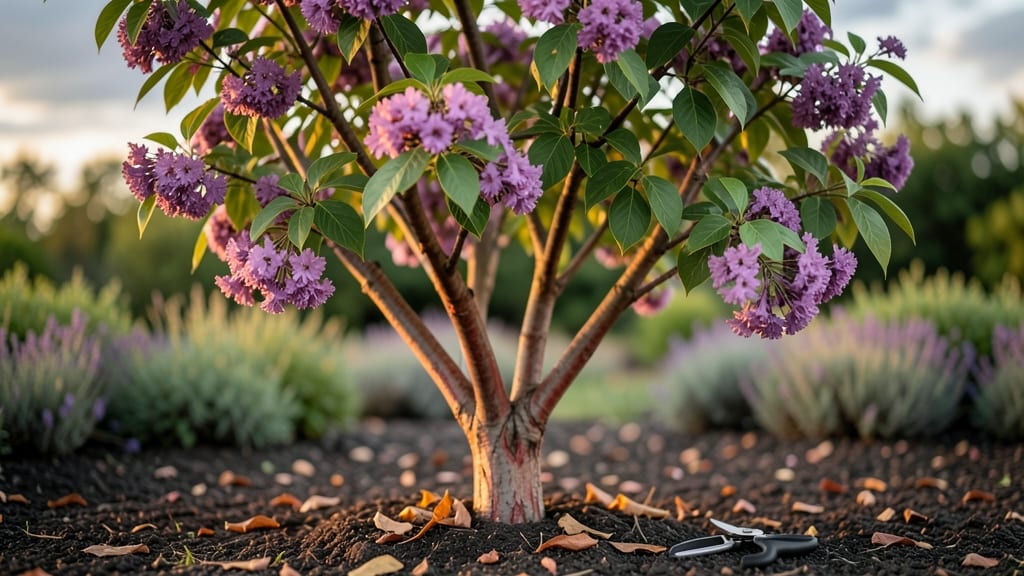
The purple pink tree transforms your Pacific Northwest garden into a frost-proof masterpiece with its bold foliage and year-round drama. 🌿 I planted mine last spring, and by summer, it became the centerpiece of my backyard—its deep purple leaves contrasting beautifully against the evergreen backdrop.
This isn’t just another shade tree; it’s a vertical statement piece that thrives in our damp, chilly climate.
These trees aren’t picky about soil or sunlight, making them perfect for both urban yards and wooded lots. The Purple Leaf Plum or Crape Myrtle varieties, for example, handle our wet winters and hot summers with ease.
Their spring blooms add a splash of pink, while their autumn leaves turn fiery shades of red and orange—seasonal interest built right in.
Imagine it anchoring your patio, framing a garden bed, or standing alone as a dramatic focal point. The foliage’s rich hues create stunning contrasts with silver foliage plants like Lavender or Artemisia, while their height adds vertical interest to small spaces.
Even in winter, the sturdy branches hold their color longer than most trees.
Best of all, they’re low-maintenance once established—just a little pruning in early spring to shape them. Pair yours with Heuchera for textured contrast or Salvia for a pop of purple blooms at the base. Your garden will look like a curated botanical display without the fuss.
📚 In This Guide
- What you need
- Instructions
- Tips and common mistakes
- Wrapping up and next steps
What you need
- ● Pruning shears: Bypass-style (for clean cuts), sharp (test on a twig—if it crushes, sharpen it!). Recommended: Felco F-2 or Corona Tools.
- ● Loppers: 16- to 24-inch (for thicker branches, up to 2 inches in diameter). Look for: Ratchet-style for leverage.
- ● Pruning saw: Curved-tooth (for branches over 2 inches). Pro tip: 💡 A folding saw saves space!
- ● Gloves: Heavy-duty, cut-resistant (e.g., Mechanix or Wagner). Bonus: Thick cuffs to protect against thorns.
- ● Disinfectant: 70% isopropyl alcohol or rubbing alcohol (1 bottle, 8 oz). Why? Prevents spreading disease between cuts.
- ○ Sealing wax: Pruning sealant (e.g., TreeHelp T33). Optional but helpful: For cuts larger than ½ inch.
- ● Ladder: Sturdy, extendable (12–20 ft, depending on tree height). Safety first: Use a ladder with non-slip feet.
- ● Work boots: Steel-toe or composite-toe (for protection and grip).
- ● Trash bags: 2–3 heavy-duty (for debris). Pro tip: 💡 Tie them before they overflow!
- ● Hand pruners: Compact, ergonomic (for precision work). Example: Fiskars Ergo.
- ● Pole saw: Extensible (for high branches without a ladder).
- ● Tree tie straps: 1–2 rolls (if you’re grafting or supporting new growth).
- ● Safety glasses: ANSI-rated (to shield from debris).
- ● Notebook & pen: To sketch your pruning plan or track growth.
- ● Weather: Calm, dry day (avoid pruning when wet or windy). Best time: Late winter or early spring (before new growth).
- ● Tree health: Ensure your tree is not stressed (no wilting, pests, or disease). Signs of trouble: Yellow leaves, oozing sap, or dead branches.
- ● Local regulations: Check if your area requires a permit for large-scale pruning (common in urban PNW areas).
How to plant and care for a purple pink tree in the Pacific Northwest
Here's the straightforward approach I've used to establish these stunning trees in cooler climates.
🌱 Step 1: Select the Right Location and Prepare the Soil
The purple pink tree thrives in partial shade to full sun but handles the Pacific Northwest's mild winters beautifully. Choose a spot with at least 6 hours of morning sun—afternoon shade helps prevent leaf scorch in hotter summers. I always test the soil first using a simple pH kit; these trees prefer slightly acidic to neutral soil (pH 6.0-7.0).
Amend the native soil with 3 inches of compost mixed into the top 12 inches of soil. The Pacific Northwest's heavy clay can be improved by adding 1 part perlite to 3 parts soil for better drainage. Work the amendments in gently—you don't want to disturb the tree's root zone once planted.
🪴 Step 2: Plant at the Correct Depth and Stake for Support
Dig a hole twice as wide as the tree's root ball but no deeper. The top of the root ball should sit 1 inch above ground level—this prevents water from pooling around the trunk. Gently remove the tree from its container and loosen any circling roots with your fingers. I tap the sides of the container to encourage roots to spread naturally.
Place the tree in the hole and backfill with native soil mixed with compost. Water deeply to settle the soil, then add 2 inches of mulch (keeping it 6 inches away from the trunk) to retain moisture and regulate soil temperature. Install two stakes on opposite sides of the tree, securing it with soft tree ties—this prevents wind damage during the first growing season.
☀️ Step 3: Water Deeply and Establish a Consistent Schedule
Water the tree deeply once a week for the first two months, ensuring the soil is moist 6 inches down. The Pacific Northwest's frequent rain can make overwatering a risk, so I check moisture by inserting a screwdriver into the soil—if it goes in easily, hold off on watering. These trees are drought-tolerant once established, but young plants need consistent moisture.
After the first two months, reduce watering to every 10-14 days unless the weather is unusually dry or hot. You'll know the tree is thriving when new growth appears in spring and early summer. Avoid wetting the foliage when watering to prevent fungal diseases, which are more common in the damp Pacific Northwest climate.
✂️ Step 4: Prune for Shape and Health in Late Winter
The best time to prune is late winter or early spring, just before new growth begins. Remove any dead, diseased, or crossing branches first—this keeps the tree healthy and encourages airflow. I also trim back any suckers (shoots growing from the base) to direct energy into the main trunk and canopy.
Shape the tree by thinning out 10-15% of the foliage to open up the center. This prevents a dense, shaded interior where pests and diseases can hide. Use clean, sharp pruners and make cuts just outside the branch collar. After pruning, apply a balanced fertilizer (10-10-10) to support new growth—this is especially important in the Pacific Northwest, where soil nutrients can be depleted.
Tips & tricks for perfect purple pink tree planting
These key insights will help you establish a thriving purple pink tree that thrives in the Pacific Northwest's unique climate.
Soil Preparation: When amending the soil with the 3 inches of compost and 1 part perlite, I recommend adding a handful of worm castings to the mix. These natural fertilizers provide beneficial microbes that help the tree's roots establish more quickly in the heavy clay soils common to the region. The worms also improve soil structure, which is especially important for young trees still developing their root systems.
Planting Depth: The 1-inch elevation above ground level for the root ball is critical—it prevents water from pooling at the base, which can lead to root rot. To ensure proper depth, use a level to check the height before backfilling. I also recommend creating a slight berm (small mound) around the outer edge of the planting hole to help direct water away from the trunk during those heavy Pacific Northwest rains.
Watering Strategy: For the first two months, when you're watering deeply once a week, consider using a moisture meter to verify that the soil is truly moist 6 inches down. The Pacific Northwest's frequent cloud cover can make it easy to overlook proper hydration, especially during cooler months. I've found that early morning watering (before 9 AM) minimizes evaporation and fungal risks, which is particularly important in our damp climate.
Pruning Technique: When thinning out 10-15% of the foliage in Step 4, focus on removing branches that cross or rub against each other—these are prime spots for disease entry. I always sterilize my pruners with rubbing alcohol between cuts to prevent spreading any potential pathogens. The late winter timing you've chosen is perfect because the tree is dormant, so it will heal more quickly from pruning wounds.
Pro Tips for Purple Pink Tree
- These key insights will help you establish a thriving purple pink tree that thrives in the Pacific Northwest's unique...
- Soil Preparation: When amending the soil with the 3 inches of compost and 1 part perlite, I recommend adding a handfu...
- Planting Depth: The 1-inch elevation above ground level for the root ball is critical—it prevents water from pooling ...
Frequently asked questions
Got questions about the stunning purple pink tree? You’re not alone! Here are some of the most common queries—plus expert answers to help you grow this frost-resistant showstopper with confidence.
What’s the best time to plant a purple pink tree in the Pacific Northwest?
The ideal window is late fall to early spring (October–March), when the ground is cool and moist but not frozen. This gives roots time to establish before summer heat. Avoid planting in extreme heat or drought—your tree will thank you with vibrant blooms!
How cold can a purple pink tree (like Cercis canadensis ‘Alba’) handle?
These trees are highly frost-resistant, thriving in USDA zones 4–9. They can survive temps as low as -30°F (-34°C) once established. Young saplings may need winter mulch for extra protection, but mature trees are tough as nails!
When and how should I prune for optimal blooms?
Prune right after flowering (late spring) to shape the tree without cutting off next year’s buds. Use clean, sharp tools to make angled cuts just above a bud or branch collar. Avoid heavy pruning in fall—it can stress the tree before winter.
Are there non-invasive alternatives if I’m worried about spread?
Yes! Opt for dwarf varieties like Cercis canadensis ‘Lavender Twist’ (compact, 10–15 ft tall) or Cercis ‘Hearts of Gold’, which stay smaller. These still deliver those showy pink-purple blooms without aggressive root systems.
Why are my purple pink tree’s leaves yellowing or dropping?
Yellow leaves often signal overwatering, nutrient deficiency, or fungal issues. Check soil moisture (it should be evenly damp, not soggy) and test for pests like spider mites. If it’s late summer, it might just be natural leaf drop—but adjust care if the problem persists!
Still stumped? Drop a comment below—we’re happy to help your purple pink tree thrive!
Wrapping up and next steps
The purple pink tree is more than just a stunning addition to your Pacific Northwest garden—it’s a resilient, low-maintenance showstopper that thrives in frost and adds year-round charm.
Whether you’re a seasoned pruner or just starting, this tree’s adaptability and vibrant hues make it a dream for any outdoor space. 🌿✨
Ready to elevate your landscape? Start by assessing your tree’s needs—grab your tools, follow the pruning tips shared, and watch your purple pink tree flourish into a breathtaking centerpiece. Happy gardening!