
Blooming
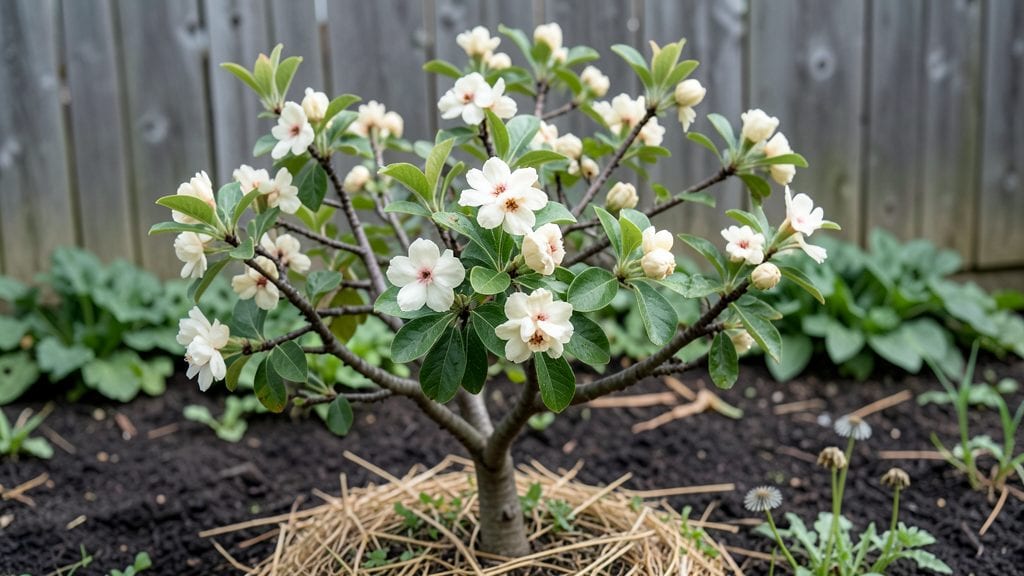
The quince tree in bloom is the Pacific Northwest's understated showstopper—its rosy-pink starburst flowers lighting up spring gardens when most trees are still dormant. 🌸 I've watched mine transform a shady corner into a fragrant cloud of blossoms, and the way it pairs with native ferns and rhododendrons turns ordinary borders into storybook scenes.
What makes it special? Unlike delicate spring bloomers, quince thrives in our damp, cool climate, handling frost better than many ornamentals. The flowers last weeks, their honey-scented petals attracting bees while keeping deer and rabbits away.
Plant it where you want color without fuss—along pathways, mixed with shrubs, or as a focal point near seating areas.
By late summer, those flowers give way to golden, lantern-like fruit, adding autumn interest. The tree's glossy leaves stay vibrant all season, and its arching branches create natural movement in the garden.
It's the kind of plant that makes neighbors pause and ask, "What is that?"—then never forget the answer.
Perfect for small gardens, cottage-style plantings, or as a low-maintenance alternative to roses. Once established, it needs little more than pruning to shape its graceful form. Let's make your garden the talk of the neighborhood with this PNW favorite.
📚 In This Guide
- What you need
- Instructions
- Tips and common mistakes
- Wrapping up and next steps
What you need
- ● Quince tree (Cydonia oblonga): 1–3 bare-root or container-grown saplings (choose hardy varieties like ‘Champion’ or ‘Issai’ for PNW climates).
- ● Size: 1–3 feet tall (smaller for easier handling).
- ● Planting site: Full sun (6+ hours/day) or partial shade (mornings sun, afternoons dappled shade).
- ● Well-draining soil (amend with compost if clay-heavy).
- ● Space: 15–20 feet apart (or 10 feet for dwarf varieties).
- ● Tools: Shovel or trowel (for digging).
- ● Garden gloves (to protect hands from thorns!).
- ● Watering can or hose (with gentle spray nozzle).
- ● Mulch (2–3 inches of wood chips or straw).
- ● Soil amendments: Compost or aged manure (1–2 gallons per tree).
- ● Fertilizer: Balanced 10-10-10 or citrus-specific fertilizer (spring/fall).
- ● Pruning shears (for shaping or removing dead branches).
- ● Tree stakes & ties (if planting in windy areas).
- ● Drip irrigation system (for consistent moisture).
- ● Thorn-resistant gloves (if handling branches frequently).
Step-by-step guide to cultivating a thriving quince tree in the Pacific Northwest
Here’s how I’ve learned to coax these frost-tolerant beauties into full, fragrant bloom—season after season.
🌱 Step 1: Select the Perfect Planting Site for Frost Resistance
Quince trees thrive in the Pacific Northwest’s mild winters but need protection from late frosts. Choose a spot with full sun exposure (6-8 hours daily) and well-draining soil—these trees hate soggy roots. I always test drainage by digging a 12-inch deep hole and filling it with water; if it drains within an hour, the site is ideal.
In coastal areas, a south-facing slope captures warmth, while inland sites benefit from a microclimate near structures that absorb daytime heat. Avoid low spots where cold air pools—quince flowers are delicate until fully hardened off. If your garden has heavy clay soil, amend it with 3-4 inches of compost to improve aeration without altering the natural pH balance.
☀️ Step 2: Plant at the Right Time and Depth for Pacific Northwest Conditions
Plant bare-root quince in early spring (March-April), before buds swell, or in fall (October-November), allowing roots to establish before winter. Dig a hole twice as wide as the root ball but no deeper—quince roots are shallow and sensitive to burial. The top of the root flare should sit 1-2 inches above ground level to prevent rot.
Backfill with native soil mixed with a 5-10-10 fertilizer (1 cup per hole) to encourage strong root growth. Water deeply immediately after planting—5 gallons for small trees, 10 gallons for mature specimens—to eliminate air pockets. Mulch with 3-4 inches of wood chips (keep mulch 6 inches away from the trunk) to insulate roots during winter and conserve moisture in summer.
💧 Step 3: Water Strategically to Support Frost-Resistant Growth
Quince trees are drought-tolerant once established, but young trees need 1-2 inches of water weekly during the first two growing seasons. Water at the base, not overhead—this prevents fungal diseases like powdery mildew, which thrives in the Pacific Northwest’s humid summers. I always water early in the morning to reduce evaporation and allow foliage to dry quickly.
In winter, reduce watering to once every 3-4 weeks unless the ground is frozen. Overwatering in cold months can lead to root rot, and quince trees are particularly vulnerable when stressed. You’ll know moisture is right when the top 2-3 inches of soil feel dry to touch—stick your finger in to check before watering.
✂️ Step 4: Prune for Optimal Bloom and Frost Hardiness
Prune quince in late winter (February-March), just before buds break, to shape the tree and encourage abundant flowering. Remove dead, crossing, or weak branches first, then thin out interior growth to improve air circulation—a critical defense against fungal diseases in the Pacific Northwest’s damp climate. Cut back to an outward-facing bud to promote upright growth.
Never prune in fall, as new growth won’t harden off before winter. After pruning, apply a dormant oil spray to protect against overwintering pests like scale insects. Quince trees bloom on old wood, so avoid heavy pruning—limit cuts to 20% of the canopy per year. You’ll see the most dramatic blooms when the tree’s structure is open and sunlight reaches all branches.
🌿 Step 5: Protect Flowers from Late Frosts Without Sacrificing Beauty
The Pacific Northwest’s unpredictable late frosts can devastate quince blooms, but a few simple tricks help. Cover trees with frost cloth when temperatures dip below 28°F, securing edges tightly to prevent wind damage. Remove covers by 10 AM to allow sunlight to reach the flowers—quince blooms need full sun to open properly.
If frost hits after buds form but before opening, the tree will often rebloom later in the season. Avoid using plastic sheeting, which traps heat and can scorch delicate blossoms. Instead, opt for breathable frost cloth that allows airflow while retaining warmth. With this protection, you’ll enjoy 3-4 weeks of fragrant, starburst blooms—a true Pacific Northwest standout.
Tips & tricks for perfect quince tree blooms in the Pacific Northwest
Here's what I've learned after years of nurturing these delicate beauties through our region's tricky climate.
Site Selection Insight: Step 1's drainage test is non-negotiable—soggy roots lead to root rot, which can kill your tree before it even blooms. I've seen quince trees planted in low spots drown during our wet winters, even with "well-draining" soil. For clay-heavy areas, mix that 3-4 inches of compost right into the backfill soil, not just on top. The goal is to create a sponge-like texture that mimics the tree's native Mediterranean conditions while adapting to our Pacific Northwest moisture.
Planting Depth Precision: That 1-2 inches above ground level for the root flare is critical—any deeper and you'll smother the tree's natural growth pattern. I use a small stake marked at the correct depth as a guide when planting. For larger trees, consider building a small berm around the base to prevent water pooling during our heavy winter rains. The wood chips should be spread in a donut shape, keeping that 6-inch clearance to prevent moisture buildup against the trunk.
Watering Strategy: The 1-2 inches weekly guideline works perfectly when your soil is well-draining, but in our coastal foggy summers, I've found quince trees actually prefer slightly less water—about 3/4 inch weekly. Check that soil moisture by feeling the top 2-3 inches with your fingers before watering. In winter, I've had success with a single deep watering every 6 weeks instead of the suggested 3-4 week interval, which prevents winter heaving when the ground freezes and thaws repeatedly.
Pruning Technique: When pruning in late winter, focus on creating an open vase shape rather than a rounded canopy. This allows sunlight to penetrate all the way to the center where many quince flowers develop. I've found that cutting back to outward-facing buds creates stronger growth—look for buds that point slightly away from the center of the tree. For established trees, I limit pruning to just 10-15% of the canopy annually to maintain that old wood blooming capacity mentioned in Step 4.
Pro Tips for Quince Tree In Bloom
- Here's what I've learned after years of nurturing these delicate beauties through our region's tricky climate.
- Site Selection Insight: Step 1's drainage test is non-negotiable—soggy roots lead to root rot, which can kill your tree before it even blooms.
- Planting Depth Precision: That 1-2 inches above ground level for the root flare is critical—any deeper and you'll smother the tree's natural growth pattern.
Frequently asked questions
When is the best time to plant a quince tree in the PNW?
The ideal window is late fall to early spring (October–March), when the soil is cool but workable. This gives roots time to establish before summer heat. Avoid planting in extreme heat or drought—quince trees hate soggy roots but thrive with consistent moisture in their first year. Pro tip: Mulch heavily after planting to retain moisture and protect roots from winter frost.
How long does a quince tree take to bloom?
Patience pays off! Most quince trees (like Chaenomeles speciosa) take 2–3 years to produce their first blooms after planting. Some dwarf varieties may flower sooner, but expect springtime bursts of color (March–April in the PNW) once established. Fun fact: Their fragrant, rosy-pink blossoms often appear before leaves!
Can I eat the fruit from a flowering quince tree?
Yes—but only after cooking! The fruit from Chaenomeles (ornamental quince) is extremely tart and astringent raw. However, it’s prized for jams, jellies, and baked goods once softened and sweetened. For edible quince (like Cydonia oblonga), choose a separate variety if fruit is your goal. Warning: Ornamental quince fruit is toxic to pets in large quantities.
Are quince trees really frost-resistant in the PNW?
Quince trees are hardy to USDA Zones 4–9, making them perfect for the PNW’s chilly winters. Their woody stems can survive temps down to -25°F (-32°C), and their spring blooms often precede last frost dates. Tip: Young trees may need winter mulch (3–4 inches) to shield roots from extreme cold snaps.
What if my quince tree isn’t blooming? Troubleshooting tips.
No flowers? Check these fixes:
- Age: Young trees (under 2 years) may need time.
- Sunlight: Quince craves 6+ hours of sun daily—shady spots = fewer blooms.
- Pruning: Over-pruning can reduce flowers. Trim after blooming (late spring) to encourage next year’s blossoms.
- Fertilizer: A balanced 10-10-10 in early spring can boost blooms.
- Pests/Disease: Check for aphids or fungal spots (like powdery mildew) that stress the tree.
Still stumped? Try a soil test—quince prefers slightly acidic to neutral pH (6.0–7.0).
Wrapping up and next steps
Witnessing a quince tree in bloom in the Pacific Northwest is like discovering a hidden treasure—fragrant, resilient, and utterly breathtaking. 🌸 These frost-resistant beauties aren’t just stunning; they’re low-maintenance, pollinator magnets, and a delicious reward for patient gardeners.
Whether you’re drawn to their floral charm or the promise of future harvests, now’s the perfect time to plant one and let nature work its magic.
Ready to bring this starburst beauty to your garden? Start small—research local nurseries, pick the right variety, and take that first step toward a fragrant, fruitful future! 🌱