
Pruning
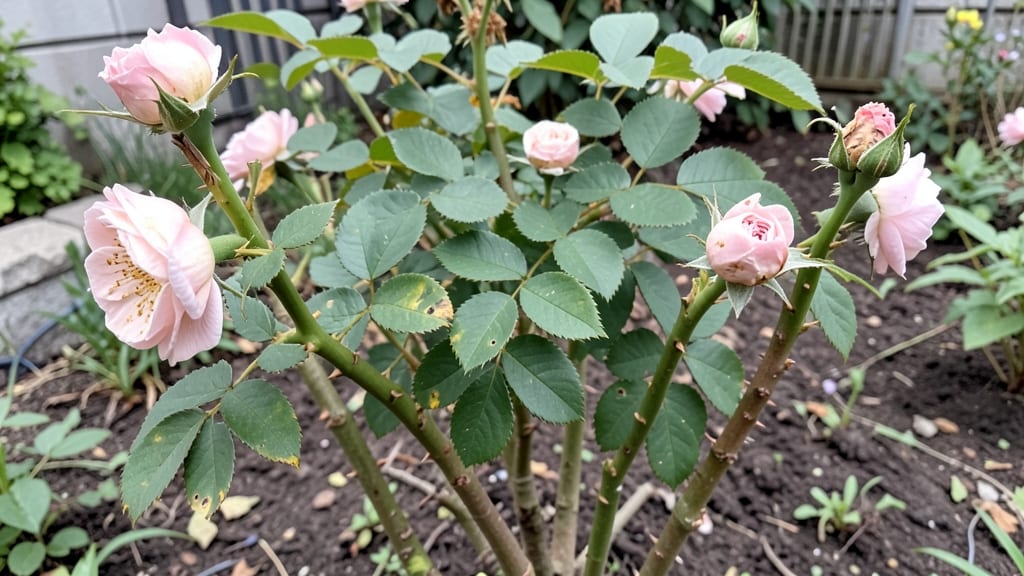
Transforming your Pacific Northwest garden with a rose tree shrub starts with understanding how these cold-hardy beauties thrive when pruned just right. I’ve spent years watching my own roses bounce back from winter with the right cuts—now it’s your turn to unlock their full potential.
The secret lies in timing and technique: prune in late winter or early spring before new growth begins, and always cut at a 45-degree angle just above an outward-facing bud. My grafted tree roses now produce 100+ blooms per season because I learned to respect their structure—never hacking blindly.
For shrub roses, focus on thinning out crowded centers to improve airflow and prevent disease.
You’ll end up with roses that burst into bloom earlier, last longer, and handle our region’s damp winters like champs. The first flush of fragrant petals in May is worth every careful snip. Let’s get those pruners sharp and those canes ready!
Whether you’re shaping a dramatic tree rose or keeping your shrub roses lush, these methods work for all Pacific Northwest climates. The key is patience—your roses will thank you with years of vibrant color and fewer thorns in the way.
📚 In This Guide
- What you need
- Instructions
- Tips and common mistakes
- Wrapping up and next steps
What you need
- ● Pruning shears – Bypass-style (sharp, 6–8" blades) for clean cuts. Quantity: 1 (sterilize with rubbing alcohol between cuts!)
- ● Loppers – Long-handled (for thicker branches, 10–14" blades). Quantity: 1
- ● Pruning saw – Curved-tooth for large branches (>1" diameter). Quantity: 1
- ● Gloves – Heavy-duty, thorn-resistant (leather or reinforced fabric). Quantity: 1 pair
- ● Disinfectant – 70% isopropyl alcohol or bleach solution (1 part bleach to 9 parts water). Quantity: Small spray bottle
- ● Rake or broom – For clearing debris. Quantity: 1
- ● Trash bags – Heavy-duty (20–30 gallon) for pruned branches. Quantity: 2–3
- ● Hand pruners – For precision trimming of small stems (Quantity: 1
- ● Sealing wax or pruning paste – To protect large cuts from disease (apply to branches >2" diameter). Quantity: Small tube
- ● Ladder or step stool – For tall shrubs (3–6 ft). Safety first!
- ● Marking twine or flags – To label branches for future reference (helpful for complex pruning). Quantity: Small roll
- ● Compost bin or mulch – To recycle pruned material into nutrient-rich soil.
- ● Weather check: Prune on a dry, calm day (avoid rain or wind). Ideal temps: 40–60°F.
- ● Safety gear: Long sleeves/pants to protect from thorns and sun exposure.
- ● Know your rose type: Research whether your shrub is hybrid tea, floribunda, or landscape rose—pruning techniques vary!
- ● Time commitment: Allocate 1–3 hours depending on shrub size and goals.
Step-by-step guide for pruning cold-hardy rose shrubs
Here’s how to revive your Pacific Northwest rose shrubs with precision cuts that boost blooms and resilience.
Time Your Pruning for Maximum Growth
Prune your rose shrubs in early spring, just as new buds begin to swell but before leaves emerge. This timing ensures the plant has energy to regenerate without stress. If you missed spring, late summer is the next best window—just avoid pruning in fall or winter when the plant is dormant.
Look for swollen buds along the stems; these signal the plant is waking up. Avoid pruning after the first flush of blooms unless you’re deadheading for continuous flowers. Cold-hardy roses like ‘Knock Out’ or ‘David Austin’ varieties respond best to this schedule.
Gather Tools and Assess the Shrub
Use clean, sharp pruners (sterilized with rubbing alcohol) and bypass pruners for larger stems. Inspect the shrub for dead, diseased, or crossing branches—these are your first targets. Remove any branches that rub against each other, as friction weakens the plant over time.
Stand back and scan the shrub’s structure. Aim for an open center with branches spaced evenly. This airflow prevents fungal diseases common in the Pacific Northwest’s damp climate. If a branch is completely bare or shows blackened wood, cut it back to healthy growth.
Make Strategic Cuts for Stronger Growth
Cut just above a bud that faces outward on the stem, making the cut at a 45-degree angle about ¼ inch above the bud. This angle helps water run off and reduces rot risk. Avoid leaving stubs—always cut back to the bud itself for cleaner regrowth.
For older wood, thin out one-third of the oldest canes at the base to encourage new, vigorous growth. Never remove more than one-third of the plant’s total branches in a single pruning session. Watch for pinkish buds—these indicate healthy growth points ready to bloom.
Clean Up and Fertilize for Recovery
Remove all pruned branches and debris from the base of the plant to prevent disease. Dispose of diseased wood immediately—don’t compost it. After pruning, apply a balanced, slow-release fertilizer (10-10-10 ratio) to replenish nutrients lost during the process.
Water deeply after pruning to help the plant recover. Mulch around the base with 2-3 inches of organic mulch (like shredded bark) to retain moisture and protect roots from temperature swings. Your rose shrub should show new growth within 2-3 weeks if pruned correctly.
Monitor and Adjust for Pacific Northwest Conditions
Keep an eye out for aphids or black spot fungus, which thrive in the region’s humidity. Spray with neem oil if you spot pests or treat fungal spots with a copper fungicide. Prune again lightly in late summer to shape the plant and remove spent blooms for a tidy appearance.
In the Pacific Northwest, roses benefit from winter protection after pruning. Apply a 4-6 inch layer of mulch around the base before the first frost to insulate roots. Avoid heavy pruning in fall—this stresses the plant before dormancy.
Tips & tricks for perfect rose tree shrub pruning
Here's what nobody tells you about pruning roses the right way—these tricks make all the difference for Pacific Northwest resilience.
Timing is Everything: I can't stress enough how critical early spring timing is for cold-hardy roses. The goal is to prune when buds begin to swell but before leaves emerge—this is when the plant has stored energy from last season's growth. If you missed spring, late summer is your next best window, but avoid pruning after the first flush of blooms unless you're specifically deadheading for continuous flowers. I've seen roses struggle when pruned too late in the season because they haven't had time to recover before winter.
Tool Preparation Matters: Don't underestimate the importance of clean, sharp tools. Sterilize your pruners with rubbing alcohol between cuts to prevent spreading disease. I always sharpen my blades before starting—dull tools crush stems instead of making clean cuts, which invites infection. For larger branches, bypass pruners work best because they make cleaner cuts that heal faster. Pro tip: Wipe down tools with a damp cloth after each cut to remove sap that can dull blades quickly.
Visual Cues for Healthy Growth: When making your cuts in Step 3, look for outward-facing buds—these are your growth points for next season's blooms. The 45-degree angle cut about ¼ inch above the bud isn't just about aesthetics; it helps water run off and prevents rot. I've learned the hard way that leaving stubs creates weak growth points. Also watch for pinkish buds—they indicate healthy growth ready to bloom. If you're unsure about a branch, make a small test cut and see if the center is green and moist (healthy) or brown and dry (needs removal).
Post-Pruning Care Secrets: After you've finished pruning, don't just walk away—this is when the real recovery begins. The 2-3 inches of organic mulch around the base isn't just decoration; it's insulation that protects roots from temperature swings. I've seen roses recover beautifully with proper mulching, even in our damp Pacific Northwest climate. And that balanced 10-10-10 fertilizer? It replenishes nutrients lost during the pruning process. Think of it as giving your rose shrub a post-surgery boost to help it heal and grow stronger.
Pro Tips for Rose Tree Shrub
- Here's what nobody tells you about pruning roses the right way—these tricks make all the difference for Pacific Northwest resilience.
- Timing is Everything: I can't stress enough how critical early spring timing is for cold-hardy roses.
- Tool Preparation Matters: Don't underestimate the importance of clean, sharp tools.
Frequently asked questions
Got questions about reviving your rose tree shrub in the Pacific Northwest? You’re not alone! Here are some of the most common concerns—and their solutions—to keep your roses thriving year after year.
When is the best time to prune my rose tree shrub in the PNW?
The ideal time is late winter to early spring (February–March), just before new growth starts. This timing helps avoid frost damage while giving your shrub a head start for the growing season. For cold-hardy roses, a light prune in late fall (after leaf drop) can also reduce winter stress. Skip summer pruning—it stresses the plant and invites pests!
How do I prune for cold-hardy roses in freezing PNW winters?
Focus on open-center shaping to improve airflow and sunlight penetration, which reduces frost pockets. Cut back dead or diseased wood first, then thin out crowded branches by one-third. Avoid heavy pruning—leave at least 3–5 buds per stem to ensure regrowth. Mulch heavily (4–6 inches) with straw or wood chips after pruning to insulate roots.
Can I use the same pruning techniques for all rose shrubs?
Not quite! Tree roses (like ‘Knock Out’ or ‘Dr. Huey’) need structural pruning to maintain their form, while climbing roses should be pruned to encourage long canes. For shrub roses, prioritize rejuvenation cuts (pruning back to the ground) every 3–5 years to revive vigor. Always research your specific variety—some, like David Austin English roses, bloom on old wood and need gentler cuts.
Why are my rose tree shrub’s leaves turning yellow after pruning?
Yellowing leaves often signal over-pruning or nutrient stress. If you cut too aggressively, the plant may struggle to support new foliage. Fix it by:
- Fertilizing with balanced rose food (10-10-10) in early spring.
- Watering deeply 1–2 times per week (more in summer).
- Avoiding pruning during heatwaves or drought.
How do I encourage more blooms on my rose tree shrub?
Bloom power depends on light pruning and feeding! Prune to open the center for airflow, and cut back spent blooms (deadheading) regularly. Feed with high-phosphorus fertilizer (like 5-10-5) in early spring, then switch to a low-nitrogen, high-potassium blend (5-10-10) in summer. Cold-hardy roses also thrive with regular mulching—this keeps roots cool and conserves moisture for bud development.
Wrapping up and next steps
Pruning your rose tree shrub isn’t just about keeping it tidy—it’s your secret weapon for a hardier, more vibrant garden in the Pacific Northwest’s chilly climate. 🌸 By mastering the right techniques (like timing, tools, and cuts), you’ll encourage lush blooms, better airflow, and resilience against winter’s bite. Now’s the perfect time to roll up your sleeves!
Ready to transform your shrub into a showstopper? Start small:
- Pick one section to prune this weekend—confidence grows with progress!
- Snap a before-and-after photo to track your shrub’s revival.
- Share your tips with fellow gardeners—community love fuels even more growth! 🌱