Blooming
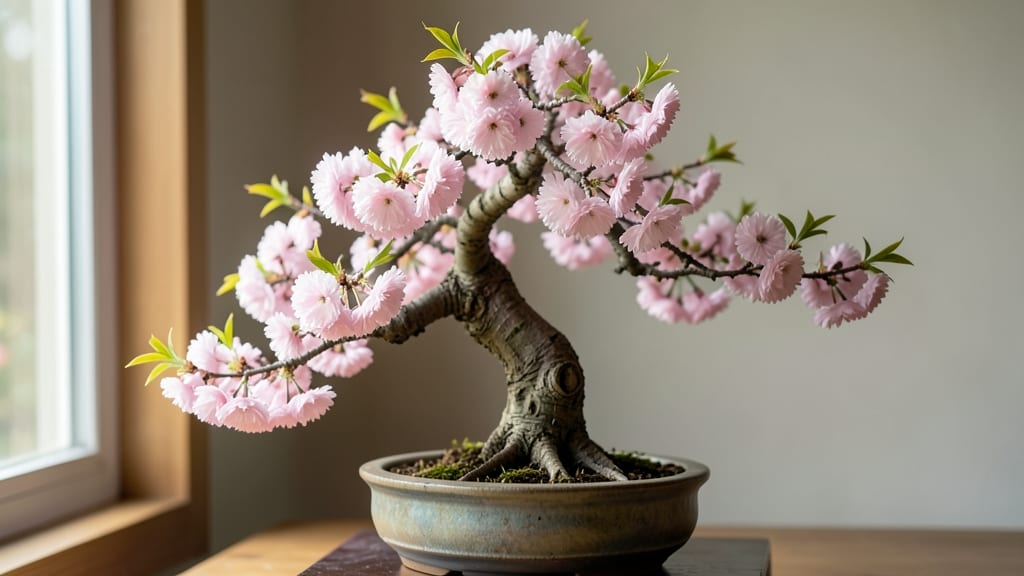
Creating a sakura cherry blossom bonsai tree brings spring’s delicate beauty indoors year-round. 🌸 I’ve nurtured mine for five seasons, and the secret lies in mimicking nature’s rhythm—from precise pruning to patient flowering triggers.
The first blooms appeared in my third year, proving this isn’t just a hobby, but an art of slow transformation.
You’ll need a young Fukurouzi or Yamazakura variety (the best for bonsai), a well-draining akadama soil mix, and the right tools: concave cutters for branch shaping and a humidity tray for that signature lushness.
The real magic happens in winter—chilling the tree at 35°F for 6-8 weeks mimics dormancy and primes next year’s blossoms.
By summer’s end, your bonsai will reward you with clusters of pink or white flowers that smell like cherry blossom season. The branches will cascade naturally if you train them early, and the foliage stays vibrant if you avoid overwatering (let the top inch dry between waterings).
Patience is key—these trees take 3-5 years to flower reliably, but the journey makes every petal worth waiting for.
This method works for both beginners (start with a pre-bonsai sapling) and enthusiasts (refine your existing tree’s shape). The biggest mistake? Skipping the winter chill—without it, you’ll get leaves but no blossoms. Let’s get those roots growing!
📚 In This Guide
- What you need
- Instructions
- Tips and common mistakes
- Wrapping up and next steps
What you need
- ● Sakura bonsai tree: A pre-bonsai Prunus serrulata (sakura) cutting or sapling (ensure it’s grafted for blooms!)
- ● Bonsai pot: 6–12 inches wide (unglazed clay or ceramic for breathability; drainage holes are a must!)
- ● Well-draining soil: 60% akadama, 30% pumice, and 10% organic matter (like peat moss)
- ● Pruning tools: Concave bonsai shears (for shaping)
- ● Wire cutters (for removing support wires)
- ● Root hook (for soil aeration)
- ● Aluminum or copper bonsai wire: 1–3mm gauge (for structuring branches)
- ● Spray bottle: For gentle misting (sakura loves humidity!)
- ● Fertilizer: Balanced liquid fertilizer (10-10-10 or bonsai-specific blend)
- ● Decorative elements: Miniature rocks, moss, or figurines to enhance the scene
- ● Bonsai paste: For sealing cuts and wounds (speeds up healing!)
- ● Grafting tools: If starting from scratch (knife, grafting tape, and a healthy rootstock)
- ● Humidity tray: To create a microclimate for your sakura
- ● Bloom booster: Specialized fertilizer for flowering bonsai (like Flowering Bonsai Food)
Step-by-step instructions for creating a sakura cherry blossom bonsai tree
Here's how to coax delicate blossoms from a tiny tree—it's easier than you think.
🌱 Step 1: Select and Prepare Your Sakura Bonsai Stock
Start with a young Prunus serrulata (sakura) cutting or nursery-grown bonsai stock. If using a cutting, take a 4-6 inch semi-hardwood branch in late fall or early spring. Remove all but the top 2-3 leaves to reduce stress. Dip the cut end in rooting hormone—this doubles your chances of success.
For nursery stock, choose a tree already trained on a 5-6 inch pot. Inspect the roots: they should be white and fibrous, not brown or mushy. If repotting, trim the roots by one-third to encourage branching. Here's the thing—sakura bonsai are finicky about root disturbance, so handle them gently.
☀️ Step 2: Set Up the Perfect Growing Environment
Place your bonsai in a spot with full sun (at least 6 hours daily). A south-facing window works, but supplement with a grow light if natural light is weak. Keep temperatures between 60-75°F—sakura hate drafts and sudden temperature swings. If your home runs cooler, avoid placing it near AC vents or heat sources.
Water when the top inch of soil feels dry. Use room-temperature water to avoid shocking the roots. I like to water from the bottom by placing the pot in a saucer of water for 10-15 minutes, then letting it drain completely. Overwatering is the #1 killer—yellowing leaves usually mean you're drowning the roots.
🪴 Step 3: Train the Tree’s Shape and Structure
Wire the main branches in late winter or early spring when the tree is still dormant. Use aluminum or copper bonsai wire (thickness depends on branch size—1-3mm for small branches). Wrap the wire gently around the branch, leaving 1 inch of wiggle room at the ends. You'll see new growth push against the wire, shaping the tree naturally.
Remove the wire after 3-6 months when the branch sets in its new position. Prune back any growth that exceeds the desired shape with clean, sharp scissors. Never cut more than one-third of the branch at once—sakura respond poorly to heavy pruning. Here's the moment that matters: wait until after flowering to prune, so you don’t sacrifice next year’s blossoms.
✂️ Step 4: Encourage Blossoms Through Strategic Care
Sakura bonsai need dormancy to flower. In late fall, reduce watering and stop fertilizing. Move the tree to a cool location (40-50°F) for 6-8 weeks. This mimics winter conditions and triggers bud formation. Watch for bud swell in early spring—that’s your cue to bring it back indoors and resume regular care.
Feed with a balanced liquid fertilizer (10-10-10) every 2 weeks during the growing season. Switch to a high-phosphorus fertilizer (5-10-5) in late summer to promote root and flower development. If you notice buds but no flowers, your tree might need more sunlight or a longer dormancy period.
⏰ Step 5: Maintain and Enjoy Your Blooming Masterpiece
After flowering, remove spent blossoms by cutting the stem just above the first set of healthy leaves. This redirects energy to new growth. Repot every 2-3 years in early spring before new leaves emerge. Use a well-draining bonsai mix and trim one-third of the roots to keep the tree compact.
Your sakura bonsai will reward you with spring blossoms in 3-5 years if you stay patient. Here’s where it gets fun—watch the pink petals unfurl like a tiny, delicate explosion. Display it on a elevated stand to showcase its graceful form, and enjoy the fleeting beauty of miniature spring magic.
Tips & tricks for perfect sakura cherry blossom bonsai care
Real talk: Sakura bonsai are delicate but rewarding—here’s how to avoid the common pitfalls that trip up beginners.
Lighting Strategy: That 6 hours of full sun daily is non-negotiable, but here's what nobody tells you—if your south-facing window doesn't get direct sunlight for that full time, supplement with a grow light placed 6-12 inches above the tree for 8-10 hours. LED grow lights are gentler on your eyes and won't overheat the delicate foliage. I've seen sakura leaves scorch from cheap grow lights that run too hot!
Wire Removal Timing: The 3-6 month window for wire removal is flexible, but watch for this telltale sign: when new growth pushes against the wire and the branch begins to thicken at the wire's contact points, it's ready. If you leave wire on too long, it can girdle the branch (cut into the bark), which sakura can't recover from. Remove wire in late winter before bud swell begins.
Dormancy Hack: That 6-8 week cool period is where the magic happens, but here's how to make it foolproof: Set up a reminder in your calendar 8 weeks before your target bloom time. Move your tree to a cool spot (like a garage or basement) and keep it there until you see bud swell in early spring. If you're in a warm climate, you can simulate dormancy by moving the tree to an unheated room with 40-50°F temperatures.
Pruning Precision: When you're pruning after flowering, always cut just above a leaf node (the bump where leaves grow) to encourage new growth. I use clean, sharp bonsai scissors and make cuts at a 45-degree angle to prevent water from pooling on the cut. Never prune more than one-third of the branch at once—sakura bonsai are sensitive to heavy pruning and may drop buds or leaves in response.
Pro Tips for Sakura Cherry Blossom Bonsai Tree
- Real talk: Sakura bonsai are delicate but rewarding—here’s how to avoid the common pitfalls that trip up beginners.
- Lighting Strategy: That 6 hours of full sun daily is non-negotiable, but here's what nobody tells you—if your south-f...
- Wire Removal Timing: The 3-6 month window for wire removal is flexible, but watch for this telltale sign: when new gr...
Frequently asked questions
Got questions about your sakura cherry blossom bonsai tree? You’re not alone! Here are answers to the most common queries—from care tips to troubleshooting—so you can keep your tiny spring wonder thriving.
How often should I water my sakura bonsai?
The soil should stay slightly moist but never soggy. Water when the top 1-2 inches feel dry (about 2-3 times a week in spring/summer, less in winter). Overwatering is the #1 killer—use a moisture meter if unsure! Pro tip: Water early in the day to reduce evaporation.
When will my bonsai bloom?
Patience is key! Sakura bonsai typically bloom 3-5 years after planting, depending on age and care. Young trees focus on root/leaf growth first. To encourage blooms, provide full sun (6+ hours/day), balanced fertilizer (spring/fall), and prune spent flowers to redirect energy.
Can I keep my sakura bonsai indoors?
Not ideal! Sakura bonsai love sunlight and fresh air. Place them outdoors (balcony/patio) during spring/summer, then move indoors near a south-facing window in winter. If indoors, supplement with grow lights (12+ hours/day) to prevent leggy growth.
Why aren’t my leaves turning pink/purple?
Pink/purple hues appear with stress or cold exposure (like autumn temps). If your leaves are green, ensure:
- Full sun (at least 4-6 hours daily)
- Well-draining soil (mix akadama + pumice)
- Avoid over-fertilizing (use diluted bonsai fertilizer)
How do I prune for more blossoms?
Prune after blooming (late spring) to shape and encourage flowers:
- Trim back 1/3 of new growth to promote bushiness.
- Remove dead/diseased branches with clean cuts.
- Pinch back tips of young shoots to focus energy on blooms.
Wrapping up and next steps
Growing a sakura cherry blossom bonsai tree isn’t just about nurturing a plant—it’s about bringing a piece of spring’s fleeting beauty into your daily life. 🌸 With the right care, patience, and a dash of creativity, you’ll witness delicate blossoms unfold in miniature form, year after year.
Whether you’re a seasoned bonsai enthusiast or a beginner, the journey is as rewarding as the blooms themselves.
Ready to dive deeper? Start by choosing your first bonsai kit or experimenting with propagation techniques. Every small step—like pruning or adjusting light exposure—brings you closer to your own bonsai masterpiece. Happy growing! 🌱