
Pruning
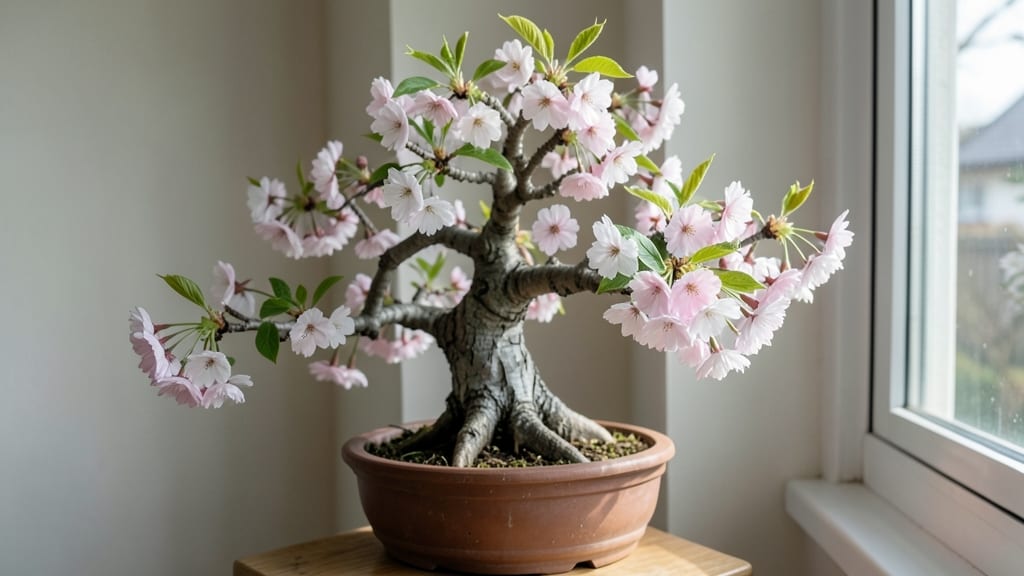
Growing a sakura tree bonsai starts with the right variety—Japanese cherry blossoms like Prunus serrulata or Prunus subhirtella thrive as bonsai, their delicate pink blooms transforming any space into a fleeting spring wonder. 🌸 I remember the first time my bonsai burst into bloom: the scent of cherry blossoms in March, when my neighbors were still shoveling snow.
The key isn’t just pruning or wiring—it’s patience, because these trees take 3-5 years to flower reliably.
Begin with a young tree (3-5 years old) and a shallow bonsai pot with drainage holes—sakura roots need airflow but hate soggy soil. Use a well-draining mix of akadama, pumice, and organic matter to mimic their mountain habitat.
Most beginners struggle with two things: overwatering (let the top inch dry between waterings) and winter care (protect from freezing winds). The first year is all about root establishment—skip heavy pruning until you see new growth in spring.
By year three, you’ll prune to shape and wire branches for that classic bonsai silhouette, but the real magic happens in late winter when you pinch back last year’s growth to encourage next season’s blossoms.
A well-cared-for sakura bonsai becomes a living art piece—its paper-thin petals opening for just a week, then falling like confetti. The trade-off? You’ll need to accept some years with sparse blooms as the tree matures its energy.
This isn’t a quick project—bonsai sakura reward long-term commitment. But when that first cluster of blossoms appears, you’ll understand why generations of Japanese gardeners have cultivated them. The challenge lies in balancing aesthetics with the tree’s natural rhythms. Ready to begin your bonsai journey?
📚 In This Guide
- What you need
- Instructions
- Tips and common mistakes
- Wrapping up and next steps
What you need
- ● Sakura Tree Seedling or Cutting: 1 Japanese cherry tree (Prunus serrulata) seedling or pre-bonsai cutting (3–5 years old for best results).
- ○ Optional: A 5–10-year-old nursery-grown bonsai for instant styling.
- ● Bonsai Pot: 1 shallow, well-draining pot (6–12 inches wide, with drainage holes).
- ● Recommended: Unglazed clay or ceramic (e.g., Round or oval shapes for aesthetic appeal).
- ● Soil Mix: 1 bag akadama, pumice, and lava rock mix (ratio: 50% akadama, 30% pumice, 20% lava rock).
- ○ Optional: Add 10% organic compost for extra nutrients.
- ● Pruning Tools: 1 concave bonsai shears (for clean cuts).
- ● 1 sharp bypass pruners (for thicker branches).
- ● 1 root hook (for soil aeration and root pruning).
- ● Wiring Supplies: 1 roll aluminum or copper bonsai wire (1–3mm gauge, depending on branch thickness).
- ● Mulch: 1 bag fine bark mulch or pine needles (to retain moisture).
- ● Bonsai fertilizer: Slow-release or liquid (e.g., Flowering Bonsai Fertilizer for blooms).
- ● Humidity tray: For tropical-like conditions (especially in dry climates).
- ● Spray bottle: For misting leaves (sakura loves humidity!).
- ● Grafting tools: If you’re grafting a new variety onto your tree.
- ● Bonsai display stand: To showcase your masterpiece!
Step-by-Step instructions for cultivating a sakura tree bonsai
Here’s how to nurture a delicate cherry blossom into a living work of art—with precision and patience.
🌱 Step 1: Select and Prepare the Rootstock
Begin with a young Prunus serrulata seedling or pre-bonsai rootstock—avoid mature trees, as their roots are too established for shaping. I always choose a 4-6 inch tall specimen with a strong central trunk and branching structure. The key is finding a plant with a natural S-curve in the trunk, which bonsai artists emphasize for visual harmony.
Trim the roots aggressively to encourage a dense, fibrous network. Use sterilized scissors to cut back one-third of the root mass, focusing on long, straggly roots. This shock forces the plant to redirect energy toward smaller, more manageable roots—essential for bonsai growth. Water the rootstock immediately after pruning to reduce stress.
☀️ Step 2: Pot and Train the Structure
Choose a shallow, wide bonsai pot (no deeper than 6 inches) with drainage holes to mimic rocky mountain slopes where sakura thrive. Fill the pot with a well-draining mix of 50% akadama, 30% pumice, and 20% organic matter—this blend prevents root rot while allowing airflow. Place the rootstock at a slight angle (about 15-20 degrees) to create natural asymmetry.
Secure the tree with wire (copper or aluminum, 1-2 mm thick) to guide branch growth. Wrap the wire around the main trunk and primary branches, bending them gently into your desired shape. Avoid over-tightening—you’ll see leaves yellow if the wire cuts into the bark. Leave the wire in place for 3-6 months or until new growth hardens around it.
✂️ Step 3: Refine Growth and Bloom Timing
During the growing season (spring to early fall), prune new shoots to 2-3 leaves to maintain miniature proportions. Pinch back tips regularly—this encourages bushier growth and prevents leggy stems. In late summer, reduce watering slightly to stress the plant (but never let it wilt), which triggers dormancy and prepares it for flowering.
To coax blossoms, expose the bonsai to chill temperatures (35-45°F) for 6-8 weeks in winter—this mimics sakura’s natural dormancy cycle. Place it near a cool, bright window or outdoors (if temperatures permit). Once buds form, move it to a sunny spot (6+ hours of light daily) and maintain 60-70% humidity to prevent bud drop.
Here’s the thing—sakura bonsai take 3-5 years to bloom reliably. Patience is everything. I’ve seen growers rush the process with excessive pruning or fertilizer, only to delay flowering for years. Let the tree set its own pace.
Tips & tricks for perfect sakura tree bonsai cultivation
Mastering sakura bonsai reveals the art of patience—and these insights will help you avoid the pitfalls I learned the hard way.
Rootstock Selection Insight: Look beyond the height when choosing your 4-6 inch seedling. The trunk's natural S-curve is non-negotiable for visual harmony in bonsai. I've seen growers overlook this, only to struggle with awkward shapes later. Run your fingers along the trunk—it should have gentle curves, not straight segments. The branching pattern should already show potential for your design vision, even if it's just a hint of what's to come.
Pruning Precision: When trimming that one-third of root mass in Step 1, focus on the longest roots first—they're the most aggressive growers. Use sterilized scissors to make clean cuts at 45-degree angles about ¼ inch above the root collar. This technique prevents rot while encouraging a dense root network. I learned this the hard way after losing two rootstocks to fungal infections from jagged cuts. Water immediately after pruning to reduce stress shock.
Wire Training Technique: The 3-6 month wire duration is critical—too short and branches won't hold shape, too long and you'll scar the bark. I recommend checking wire every 4-6 weeks: gently wiggle it. If it moves freely, the branch has hardened enough to remove it. Never leave wire on longer than necessary, especially on young sakura—they're sensitive to metal pressure. Copper wire is my preference as it's more flexible than aluminum for delicate branches.
Bloom Timing Strategy: That 6-8 week chill period at 35-45°F is your secret weapon for spring blossoms. I place my bonsai on a seedling heat mat set to 40°F during winter nights to maintain consistent temperatures. The key is gradual—don't shock the plant with sudden cold. Once buds form, move to a sunny spot immediately to prevent bud drop. I've seen growers keep trees too cool after budding, and the flowers simply fall off without opening.
Pro Tips for Sakura Tree Bonsai
- Mastering sakura bonsai reveals the art of patience—and these insights will help you avoid the pitfalls I learned the hard way.
- Rootstock Selection Insight: Look beyond the height when choosing your 4-6 inch seedling.
- Pruning Precision: When trimming that one-third of root mass in Step 1, focus on the longest roots first—they're the most aggressive growers.
Frequently asked questions
Got questions about growing your own sakura tree bonsai?
Here are answers to the most common ones—because even experts start somewhere!
How long does it take for a sakura bonsai to bloom?
A sakura bonsai typically takes 3–5 years to produce its first blossoms, depending on age, care, and species. Patience is key—young trees focus on root and trunk development before flowering. Pro tip: Prune lightly during early growth to encourage stronger blooms later!
Can I grow a sakura bonsai indoors?
Sakura bonsai thrive outdoors year-round in USDA Zones 5–8, but you can try indoor growth in bright, cool spaces (like a sunroom) during mild winters. Avoid drafts or direct heat—60–70°F is ideal. For blooms, they still need winter chilling (30–40°F for 6–8 weeks) to trigger flowers.
What’s the best time to prune my sakura bonsai?
Prune right after flowering (late spring) to shape the tree and encourage new growth. Avoid heavy pruning in fall/winter—this is when the tree rests. For root pruning, do it in early spring (before buds swell). Warning: Never prune during bloom season—it’ll reduce next year’s flowers!
Why are my sakura bonsai leaves turning yellow?
Yellow leaves often signal overwatering, nutrient deficiency, or pests. Check soil moisture (it should dry slightly between waterings) and inspect for aphids or spider mites. Adjust fertilizer in early spring (use a balanced 10-10-10 mix) and repot every 2–3 years for fresh soil.
Are there sakura bonsai alternatives for fast blooms?
If you’re impatient, try Japanese maple (Acer palmatum) or dwarf flowering cherry (Prunus ‘Shirotae’)—both bloom faster (1–2 years) and tolerate bonsai styling. For year-round color, consider juniper or ficus, though they lack sakura’s iconic blossoms.
Wrapping up and next steps
Cultivating a sakura tree bonsai is a rewarding journey that blends patience, creativity, and care—transforming a tiny sapling into a breathtaking miniature masterpiece. 🌸 Whether you’re drawn to the delicate pink blooms or the artistry of shaping nature, every pruning snip and watering session brings you closer to your vision.
Now that you’re armed with the right tools, techniques, and troubleshooting tips, it’s time to roll up your sleeves and get growing!
Your next step? Start with a healthy sakura bonsai and begin refining your skills—one season at a time. Happy pruning, and may your bonsai bloom with beauty and resilience! 🌱✨