
Pruning
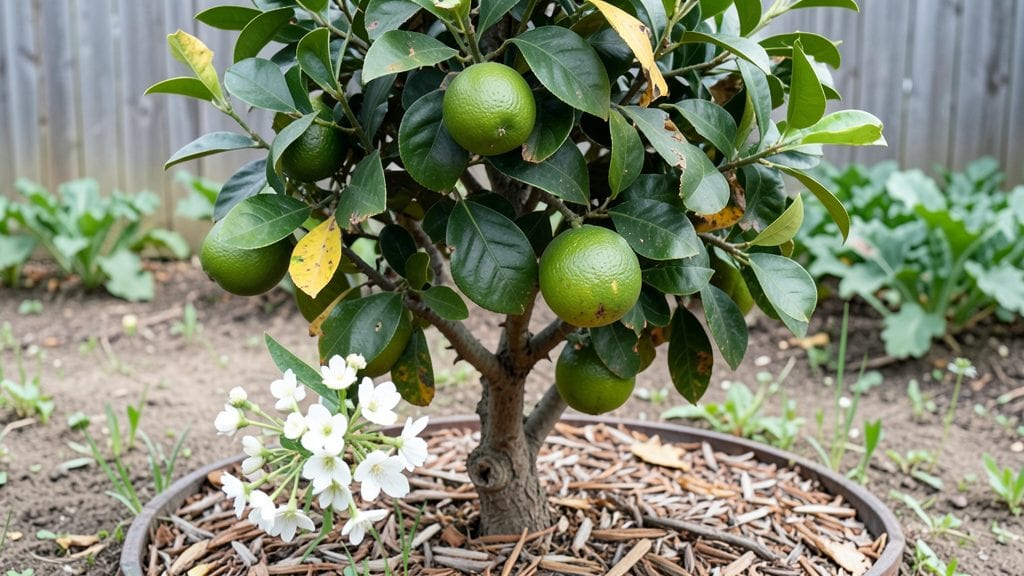
Growing a Seville orange tree in your Pacific Northwest yard feels like stealing Mediterranean sunshine—if you know the tricks. 🌿 I’ve wrestled with these trees through damp winters and gray skies, and the key isn’t forcing them to thrive but helping them adapt.
The secret lies in mimicking their natural climate: bright light, well-draining soil, and protection from winter’s chill.
You’ll need a large container or sheltered spot for outdoor planting, since these trees crave warmth but can’t handle frost. In colder zones, overwintering indoors near a sunny window keeps them alive until spring.
The payoff? Fragrant white blossoms in spring and tart, aromatic fruit by fall—perfect for marmalade or ornamental displays.
Pruning is where most people stumble, but it’s simple once you understand the goal: open the canopy for airflow and shape the tree to fit your space. Feed them citrus-specific fertilizer in spring, and watch as glossy leaves and sweet-sour fruit transform your yard into a taste of the Mediterranean.
Even in rainy climates, these trees reward patience. With the right care, you’ll harvest fruit in just a few years—and the scent of blossoms alone makes every effort worthwhile.
📚 In This Guide
- What you need
- Instructions
- Tips and common mistakes
- Wrapping up and next steps
What you need
- ● Seville orange tree: 1 bare-root sapling (3-5 years old, cold-hardy variety like Citrus × aurantium)
- ● OR seeds from a ripe Seville orange (germination takes 4-6 weeks)
- ● Soil: 1 bag (50 lbs) of well-draining citrus-specific potting mix (or amend garden soil with 50% perlite/sand)
- ● Container (if potted): 1 15-20 gallon pot with drainage holes (terracotta or fabric preferred)
- ● Fertilizer: 1 lb balanced citrus fertilizer (6-6-6 or 8-3-9 NPK ratio)
- ● 1 lb slow-release organic fertilizer (e.g., citrus-specific pellets)
- ● Pruning tools: 1 pair bypass pruners (sharp, clean, and sterilized)
- ● 1 pruning saw (for thicker branches, if needed)
- ● Mulch: 1 bag organic mulch (straw or wood chips) to retain moisture
- ● Support: 1 stake or trellis (for young trees in windy PNW areas)
- ● Grafting supplies: 1 grafting knife, grafting tape, and a compatible rootstock (if propagating)
- ● Drip irrigation system: For consistent moisture (especially in dry PNW summers)
- ● Greenhouse or cold frame: To protect seedlings from frost (Seville oranges hate cold!)
- ● Citrus food: Monthly liquid feed (e.g., fish emulsion) for a nutrient boost
- ● Pest control: Neem oil or insecticidal soap (to fend off aphids/spider mites)
Step-by-step guide to planting and caring for a Seville orange tree
Here's how to bring Mediterranean citrus vibrancy to your Pacific Northwest yard—with key adaptations for our cooler climate.
🪴 Step 1: Select the Right Container and Soil Mix
Start with a 24-inch diameter pot—large enough to support the tree's root system while allowing drainage. Seville orange trees need well-draining, slightly acidic soil (pH 6.0-7.0). Mix 3 parts potting soil with 1 part perlite and 1 part sand to replicate their Mediterranean native conditions. I always add a handful of orange tree fertilizer (high in nitrogen for young trees) to the bottom of the pot before filling with soil.
Place a 3-inch layer of gravel at the bottom for drainage—this prevents root rot, which is the #1 killer of citrus trees in containers. The gravel should occupy about 10% of the pot's depth. Fill the remaining space with your soil mix, leaving 2 inches at the top for watering. Press down lightly to remove air pockets but don't compact it—citrus roots need oxygen.
☀️ Step 2: Plant the Tree and Position for Maximum Sunlight
Remove the Seville orange tree from its nursery pot and gently loosen the roots if they're circling. Place it in the center of your prepared container, ensuring the root flare (where roots meet the trunk) sits just above soil level. This prevents suffocation and encourages strong growth. Fill around the roots with your soil mix, pressing lightly to eliminate gaps.
Here's the thing—Seville oranges need full sun (6-8 hours daily), but Pacific Northwest summers can be intense. Start with morning sun only for the first week, then gradually introduce afternoon sun over 10-14 days. Watch for leaves curling or yellowing—this signals too much direct sun. In winter, move the pot to a south-facing window or under a grow light for 12 hours daily to prevent dormancy.
💧 Step 3: Water and Fertilize for Optimal Growth
Water deeply once a week in summer, allowing the top 2 inches of soil to dry out between waterings. Overwatering is deadly—citrus trees hate soggy roots. In winter, reduce to every 2-3 weeks, checking that the soil is completely dry before watering again. I use a moisture meter to avoid guesswork, especially in our unpredictable PNW climate.
Fertilize every 4-6 weeks during growing season (spring through fall) with a citrus-specific fertilizer (look for 10-10-10 or 6-6-6 NPK ratio). In winter, cut back to monthly applications of half-strength fertilizer. The key is consistency—don't skip months, and always water 24 hours before and after fertilizing to prevent root burn. You'll see new growth within 2-3 weeks of proper fertilization.
✂️ Step 4: Prune and Protect for Year-Round Health
Prune in late winter or early spring before new growth begins. Remove any dead, diseased, or crossing branches, cutting back to the nearest outward-facing bud. Thin out overcrowded branches to improve airflow—this prevents fungal diseases like citrus greening, which is common in our region. I never remove more than 25% of the canopy in one pruning session to avoid shocking the tree.
Watch for aphids or scale insects, which love citrus trees. Spray with neem oil at the first sign of pests—it's organic and effective. In winter, wrap the pot in burlap and move it to a garage or sheltered patio if temperatures drop below 20°F. Seville oranges are semi-hardy, but young trees need protection from sudden cold snaps. A space heater (set to 55°F) near the tree works in emergencies.
Tips & tricks for thriving Seville orange trees in the Pacific Northwest
Bringing Mediterranean sunshine to your PNW yard takes some strategic adjustments—here's how to give your Seville orange tree the perfect conditions without common pitfalls.
Soil Mix Precision: When creating your 3:1:1 potting soil mix, sift the perlite and sand through a fine mesh screen first. This removes any large particles that could disrupt the soil's air-to-moisture balance. I've found that adding a handful of coconut coir (optional) to the potting soil helps retain moisture during our dry PNW summers while still maintaining that critical drainage. The key is replicating the Mediterranean's well-draining yet moisture-retentive conditions—just without the rocky subsoil.
Sunlight Transition Strategy: That gradual 10-14 day introduction to afternoon sun is crucial, but here's what nobody tells you: use a sheer white curtain during the transition period. Drape it over half the pot when moving to afternoon sun—this diffuses the intensity while still allowing light penetration. Watch for leaves that develop a bronze tint rather than curl; this indicates gradual acclimation rather than shock. In winter, position your grow light just 12-18 inches above the tree for those 12 hours of daily light—closer than most people realize for proper intensity.
Watering Technique: The "top 2 inches dry" rule works, but here's the secret: use your finger to check moisture at the 3-inch level as well. Citrus roots extend deeper than you might think, and surface moisture can mask deeper dryness. I've ruined trees by assuming "top 2 inches dry" meant everything was fine when the lower roots were still soggy. Also, water in the morning—this gives any excess moisture time to evaporate before evening, preventing fungal issues that thrive in our damp PNW climate.
Fertilizer Application: When you're fertilizing every 4-6 weeks, here's the trick: mix your citrus fertilizer with water first, then let it sit for 10 minutes before applying. This allows the granules to fully dissolve, preventing salt buildup that can occur in our acidic soils. I've also found that adding a 1/4 teaspoon of Epsom salt (optional) to each fertilizer application boosts magnesium levels—something our PNW soils often lack. Always water thoroughly before and after to prevent root burn, especially important given our unpredictable rainfall patterns.
Pro Tips for Seville Orange Tree
- Bringing Mediterranean sunshine to your PNW yard takes some strategic adjustments—here's how to give your Seville orange tree the perfect conditions without common pitfalls.
- Soil Mix Precision: When creating your 3:1:1 potting soil mix, sift the perlite and sand through a fine mesh screen first.
- Sunlight Transition Strategy: That gradual 10-14 day introduction to afternoon sun is crucial, but here's what nobody tells you: use a sheer white curtain during the transition period.
Frequently asked questions
Got questions about growing and caring for your Seville orange tree in the Pacific Northwest? You’re not alone! Here are some common concerns—and their answers—to help you nurture this sun-loving citrus beauty with confidence.
Can a Seville orange tree survive winter in the PNW?
A mature Seville orange tree (Citrus × aurantium) is not hardy to PNW winters, but with protection, it can thrive! Keep it in a large container and move it indoors (or under a covered patio) when temps drop below 30°F (-1°C). Use frost cloth or a greenhouse for extra insulation. Young trees are especially vulnerable—wait until spring to plant outdoors permanently.
How long does it take for a Seville orange tree to bear fruit?
Patience is key! A healthy Seville orange tree typically takes 3–5 years to produce fruit after planting, assuming it’s well-cared-for. Factors like sunlight (6+ hours daily), soil pH (6.0–7.0), and proper pruning speed up fruiting. Bonus: These trees are self-pollinating, so you won’t need another tree for pollination.
When and how should I prune my Seville orange tree?
Prune in late winter or early spring (before new growth starts) to shape the tree and improve airflow. Focus on:
- Removing dead, diseased, or crossing branches (use sterilized pruners).
- Thinning out overcrowded growth to let sunlight reach the center.
- Avoid heavy pruning—citrus trees are sensitive to aggressive cuts.
Are Seville oranges edible raw, or just for marmalade?
Here’s the twist: Seville oranges (Bigarade) are bitter when raw—they’re prized for marmalade, preserves, and cocktails (like Sherry or Sangria)! However, you can reduce bitterness by:
- Peeling and soaking slices in sugar syrup for 24 hours.
- Using them in savory dishes (e.g., glazes for pork or salads).
What pests should I watch for on my Seville orange tree?
PNW’s mild climate can attract pests like:
- Aphids (sap-sucking insects): Spray with soapy water or introduce ladybugs.
- Scale insects (bumpy brown spots): Scrape off manually or use neem oil.
- Spider mites (tiny webs): Increase humidity and mist leaves.
What’s a good alternative if I can’t grow a Seville orange tree outdoors?
If outdoor growing feels risky, try these PNW-friendly citrus alternatives:
- Calamondin orange (hardier, sweet-tart fruit, great for cocktails).
- Meyer lemon (thrives in containers, cold-tolerant to 20°F (-7°C)).
- Kumquat (tiny, edible peel, survives 15°F (-9°C) with protection).
Wrapping up and next steps
The Seville orange tree brings a taste of the Mediterranean to your Pacific Northwest garden, offering fragrant blossoms and tart, versatile fruit—even in cooler climates! With the right pruning techniques, soil prep, and a little patience, you can nurture a thriving tree that rewards you for years. 🌱
Ready to take the next step? Start by planting your sapling in early spring or grafting a branch onto a hardy rootstock for better cold tolerance. Then, stay consistent with pruning and watch your tree flourish—your future harvest (and neighbors’ envy) await!