
Trees
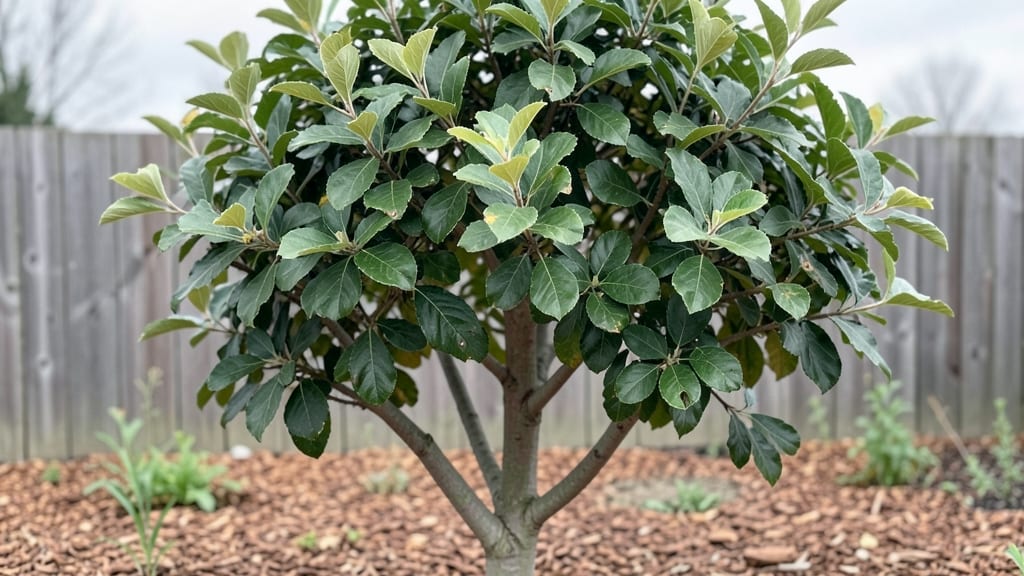
Small trees for Zone 3 don’t just survive the brutal winters—they come back stronger every spring. 🌲 After years of watching my neighbor’s delicate shrubs freeze back to the ground, I finally found the cold-hardy varieties that make my yard look lush even in February.
The key is choosing trees that handle subzero temperatures and dry winds without flinching. Dwarf conifers like ‘Emerald Green’ arborvitae, fruit trees like Honeycrisp apple (on a dwarf rootstock), and ornamental serviceberry all thrive where others fail.
These trees need well-draining soil and a spot with full sun, but they’ll reward you with decades of low-maintenance growth—and fewer headaches in winter.
You’ll end up with a landscape that stays green and vibrant through snowstorms, blooms reliably each spring, and even produces fruit in harsh climates. The best part? These trees grow slowly enough to fit in small spaces but mature into sturdy, long-lived anchors for your yard.
Once planted, they’ll outlast most of your other garden experiments.
Whether you’re dealing with rocky soil, strong winds, or short growing seasons, these varieties adapt—with the right planting and winter care. Let’s get you started with the foolproof approach that’s worked for my Zone 3 garden for over a decade.
📚 In This Guide
- What you need
- Instructions
- Tips and common mistakes
- Wrapping up and next steps
What you need
- ● Small Trees (Zone 3 Hardy Varieties): 1–3 trees (e.g., Amelanchier canadensis [Serviceberry], Malus ‘Red Sentinel’ [Dwarf Crabapple], or Cotoneaster dammeri) – Choose 1–3 gallon containers for easy handling.
- ● Rootstock: Bare-root or container-grown (ensure roots aren’t circling in pots).
- ● Soil Amendments: 5–10 lbs of compost or well-rotted manure (improves drainage and fertility).
- ● 1–2 lbs of balanced fertilizer (10-10-10 or similar) for planting.
- ● Planting Tools: 1 shovel or spade (for digging).
- ● 1 hand trowel (for fine adjustments).
- ● 1 pruning shears (for trimming dead branches).
- ● 1 garden hose or watering can (with a spray nozzle).
- ● Mulch: 2–3 cubic feet of organic mulch (wood chips, straw, or pine needles).
- ● 1 tree stake (if planting in windy areas).
- ● 1 tree guard or wire basket (to protect from small animals).
- ● 1 soil pH tester (to check acidity/alkalinity before planting).
- ● 1 slow-release fertilizer (for long-term care).
Step-by-Step guide to planting and caring for small trees in Zone 3
Here's how to establish cold-hardy trees that'll anchor your landscape for decades.
🌱 Step 1: Choose the Right Species for Zone 3 Resilience
Select trees proven to handle -30°F to -40°F winters like serviceberry (Amelanchier), dwarf Korean lilac (Syringa meyeri), or paper birch (Betula papyrifera). These varieties resist crown scorch and winter desiccation better than tender species. I always check the USDA Cold Hardiness Zone Map for exact varieties suited to my microclimate—some areas in Zone 3 get colder than others.
Look for 1-3 gallon container-grown trees at nurseries—they establish faster than bare-root stock. Avoid trees with circled roots or root-bound root balls; these struggle to adapt. The best time to plant is late spring or early fall when soil temperatures are 50-60°F and trees aren't under heat stress.
🪴 Step 2: Prepare the Planting Site for Cold-Climate Success
Dig a hole twice as wide as the root ball but no deeper—amending the native soil with compost improves drainage without suffocating roots. In heavy clay soils common to Zone 3, I mix in 20% perlite to prevent waterlogging. The hole should be level with the surrounding grade—never mound soil around the base, which can cause girdling roots over time.
Test the soil pH before planting—most small trees prefer 6.0-7.0. If your soil tests acidic, add dolomitic lime according to package directions. Zone 3 soils often lack organic matter, so I always incorporate 3-5 gallons of compost into the backfill soil. Water the hole thoroughly before planting to settle the soil and eliminate air pockets.
☀️ Step 3: Plant and Stake for Wind Protection
Place the tree in the hole so the top of the root ball sits 1-2 inches above ground level—this prevents soil compaction from settling over time. Spread roots gently outward (don't force them) and backfill with native soil mixed with compost. Water as you fill to eliminate air gaps, then firm the soil lightly with your hands.
Stake only if necessary—most small trees need support only in high-wind areas. Use two stakes on opposite sides, tied with soft tree ties (never wire). Position the tree 3-5 feet from sidewalks and 10-15 feet from structures to allow for mature spread. Mulch with 3 inches of wood chips in a 3-foot radius, keeping mulch 6 inches away from the trunk to prevent rot.
💧 Step 4: Water and Monitor for First-Year Establishment
Water deeply every 7-10 days during the first growing season—10-15 gallons per tree—until the soil feels damp 12 inches down. Zone 3's dry winds can desiccate young bark, so I water in late afternoon to reduce evaporation. Overhead watering can spread disease, so use a soaker hose at the base instead.
Watch for leaf scorch or wilting—these are signs of underwatering or transplant shock. If leaves yellow, it's often overwatering or poor drainage. Fertilize lightly with balanced 10-10-10 in early spring only; young trees don't need heavy feeding. By the second year, most Zone 3 small trees establish deep roots and require minimal care.
Tips & tricks for planting hardy small trees in Zone 3
These cold-climate planting secrets will help your small trees thrive for decades in Zone 3's harsh winters.
Species Selection: For the best winter resilience, prioritize trees with exfoliating bark like paper birch or those with flexible branches like serviceberry—these features help trees survive ice loading and temperature swings. I've found that native varieties often have deeper root systems that naturally adapt to Zone 3's freeze-thaw cycles. The USDA Cold Hardiness Zone Map is your best friend here; some microclimates in Zone 3 dip below -40°F, so verify your exact hardiness zone before selecting species.
Soil Preparation Strategy: In Step 2, when amending your native soil, focus on improving drainage without altering the natural soil structure. For clay-heavy soils, mix in 20% perlite by volume—this prevents waterlogging while maintaining the soil's natural microbial balance. I've seen many gardeners overdo the compost, leading to overly rich soil that encourages top-heavy growth vulnerable to winter winds. Stick to the 3-5 gallons of compost specified, and always water the hole thoroughly before planting to eliminate air pockets that could strangle roots.
Planting Depth: The 1-2 inch elevation of the root ball above ground level in Step 3 is critical—this accounts for soil settling over time. I learned this the hard way when a newly planted serviceberry settled too low, creating a water trap at the base that led to root rot. Use a level to verify the hole's depth before planting, and avoid pressing down on the backfill soil; instead, water as you fill to achieve proper compaction without damaging roots.
Winter Protection: While Zone 3 trees are hardy, young bark is vulnerable to sunscald during winter thaws. In the first year, I wrap newly planted trees with tree guards during the coldest months. For extra protection, apply a light coat of white latex paint to the south and west sides of the trunk—this reflects sunlight and prevents temperature fluctuations that cause bark cracking. This is especially important for trees planted in exposed locations where winter winds can desiccate tender bark.
Pro Tips for Small Trees Zone 3
- These cold-climate planting secrets will help your small trees thrive for decades in Zone 3's harsh winters.
- I've found that native varieties often have deeper root systems that naturally adapt to Zone 3's freeze-thaw cycles.
- Soil Preparation Strategy: In Step 2, when amending your native soil, focus on improving drainage without altering the natural soil structure.
Frequently asked questions
Got questions about growing small trees in Zone 3’s chilly climate? You’re not alone! Here are some of the most common concerns—and straightforward answers—to help you pick the perfect cold-hardy trees for your yard.
What are the easiest small trees to grow in Zone 3?
Look for varieties like Dwarf Alberta Spruce, Honeycrisp Crabapple, or Serviceberry. These thrive in cold winters, require minimal care, and offer year-round interest. Start with disease-resistant options to avoid hassles!
When is the best time to plant small trees in Zone 3?
Plant in early spring (April–May) or fall (September–October) when soil is workable but not frozen. Avoid late fall—young roots need time to establish before winter. Mulch well after planting to protect roots!
Can I grow fruit trees in Zone 3?
Try Apple (e.g., ‘Haralson’), Cherry (e.g., ‘Montmorency’), or Plum (e.g., ‘Methley’). Dwarf varieties save space and fruit early. Just plant in full sun and protect blossoms from late frosts with row covers.
Why is my Zone 3 small tree not growing?
Check for poor drainage (Zone 3 soils can be heavy), compacted roots, or pests like borers. Prune dead branches in late winter, and fertilize lightly in spring. If leaves yellow, it might need more iron—try a chelated iron supplement!
What’s a low-maintenance alternative to traditional trees?
Consider Japanese Maple (Acer palmatum ‘Bloodgood’) or Dwarf Korean Lilac. Both handle cold, need minimal pruning, and add color. For evergreens, Dwarf Hinoki Cypress is a tough, slow-growing pick!
Wrapping up and next steps
Choosing the right small trees for Zone 3 can transform your landscape into a resilient, year-round haven—even in freezing temperatures! 🌲 From the sturdy Amelanchier to the elegant Japanese Maple, these hardy varieties offer beauty, shade, and wildlife benefits without the fuss.
Whether you’re a first-time gardener or a seasoned green thumb, these trees prove that cold climates don’t limit your options.
Ready to plant? Start by researching your specific microclimate and soil conditions, then pick a tree that fits your vision—whether it’s a fragrant spring bloomer or a low-maintenance evergreen. Dig in, plant with care, and watch your yard flourish! 🌱