
Pruning
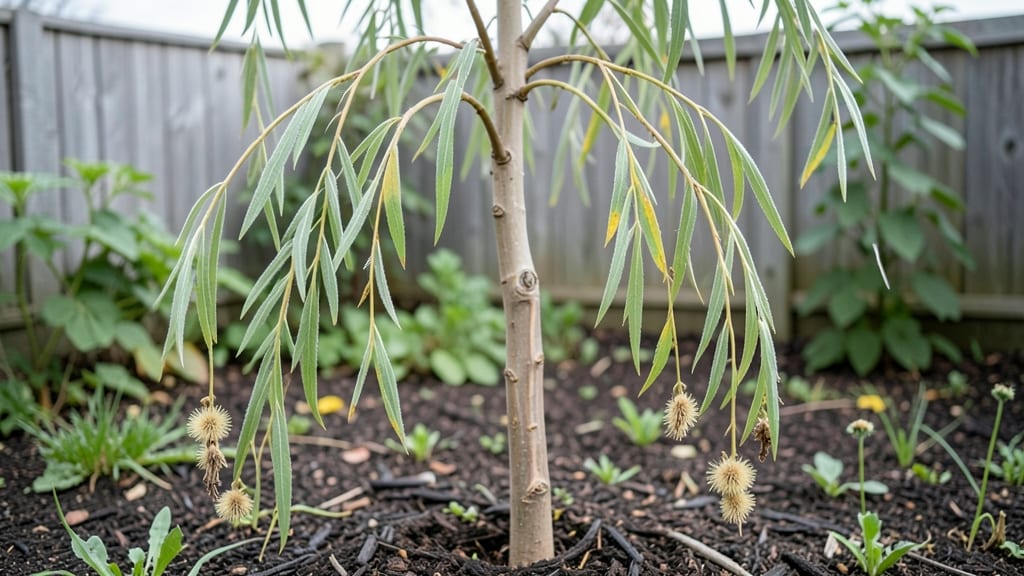
A small weeping willow tree transforms any garden into a serene retreat with its graceful, cascading branches—no pruning skills required. I planted mine near a small pond last spring, and the way its silvery-green leaves shimmer over the water turned a basic backyard into a tranquil scene.
The best part? It stays compact enough for even tight spaces, yet still makes a dramatic statement.
This tree thrives in moist soil and partial shade, making it perfect for rain gardens, pond edges, or as a focal point near patios. Its low-maintenance nature means you’ll spend more time enjoying its beauty than fussing over it.
Pair it with hostas, ferns, or ornamental grasses for a lush, layered look that feels effortlessly polished.
By summer, you’ll have a living waterfall of foliage that sways gently in the breeze, while winter’s bare branches add striking structure to the landscape. The roots stay contained in most soils, so it won’t outgrow its spot like larger willows might.
Even in small yards, it delivers big impact with almost no upkeep.
For extra drama, train it near a mirror or reflective surface to double its visual effect. Just avoid planting too close to foundations or sidewalks—give it 10-15 feet of space to stretch its legs. The result? A garden centerpiece that works year-round with minimal effort on your part.
📚 In This Guide
- What you need
- Instructions
- Tips and common mistakes
- Wrapping up and next steps
What you need
- ● Pruning shears – Bypass-style, sharp, and clean (for small branches).
- ● Loppers – For thicker branches (up to 2 inches in diameter).
- ○ Hand pruners (optional but helpful) – For precision cuts on delicate branches.
- ● Disinfectant (70% isopropyl alcohol or pruning sealant) – To sterilize tools between cuts.
- ● Gloves – Thick, cut-resistant gloves for protection.
- ● Heavy-duty trash bags or bucket – For collecting pruned branches.
- ● Pruning saw (if needed) – For very thick, woody growth (rare in small willows).
- ○ Tree wound dressing (optional) – For large cuts (controversial—some experts say it’s unnecessary!).
- ● Extension pole – For reaching higher branches safely.
- ● Notebook & pen – To track pruning dates and growth patterns.
- ● Mulch or compost – To enrich soil after pruning (if doing a full tree refresh).
How to care for a small weeping willow tree year-round
Here's how to keep your graceful weeping willow thriving with simple, low-maintenance steps.
🌱 Step 1: Plant in the Right Location
Weeping willows need full sun—at least 6-8 hours daily—for their distinctive, cascading branches to develop properly. Avoid planting too close to structures or sidewalks, as their roots spread aggressively and can damage foundations or pavement over time. Dig a hole twice as wide as the root ball but no deeper, then loosen the roots gently if they're circling.
Amend the native soil with 2-3 inches of compost mixed into the bottom of the hole to improve drainage. Place the tree so the top of the root ball sits 1-2 inches above ground level—this prevents water from pooling around the trunk. Backfill with native soil, tamp lightly, and water deeply to settle everything.
☀️ Step 2: Water Deeply and Consistently
Newly planted weeping willows need 1-2 inches of water weekly, delivered deeply rather than in light sprinkles. Water the root zone—not the foliage—to prevent fungal diseases. Stick your finger 2 inches into the soil; if it's dry, water again. Young trees may need twice-weekly watering during hot spells, but avoid soggy soil.
Once established (after 2-3 years), weeping willows tolerate drought better but still prefer consistent moisture. Mulch with 2-3 inches of organic mulch (like shredded bark) around the base, keeping it 6 inches away from the trunk to prevent rot. Replenish mulch annually to protect roots and retain moisture.
✂️ Step 3: Prune for Shape and Health
Weeping willows require minimal pruning—focus on removing dead, crossing, or rubbing branches in late winter or early spring before new growth begins. Use clean, sharp pruners to make cuts just outside the branch collar (the swollen area where the branch meets the trunk). Avoid heavy pruning; these trees develop best with their natural, flowing shape.
If your tree grows too wide for its space, you can lightly thin out some of the lower branches to encourage upward growth, but never cut more than 25% of the foliage in one season. Prune out any suckers or water sprouts that appear at the base—they drain energy from the main tree.
🌿 Step 4: Fertilize Sparingly for Strong Growth
Weeping willows grow well in average soil but benefit from a balanced, slow-release fertilizer applied in early spring (just as new leaves emerge). Use a 10-10-10 or 20-20-20 formula at half the recommended rate—these trees are sensitive to over-fertilization, which can lead to weak, disease-prone growth. Spread the fertilizer 6-12 inches away from the trunk and water it in well.
Skip fertilization in the fall or winter, as new growth then invites winter damage. If your tree looks yellow or stunted, a soil test can help determine if it needs iron (common in alkaline soils) or another nutrient. Avoid organic fertilizers like manure—they can burn tender roots.
⏰ Step 5: Protect in Winter and Monitor Year-Round
Young weeping willows may need winter protection in colder climates (below 10°F). Wrap the trunk with tree wrap or burlap to prevent sunscald, and loosely cover the canopy with burlap or frost cloth if heavy snow or ice is expected. Remove covers in early spring to avoid trapping heat and encouraging pests.
Watch for aphids, scale, or willow leaf beetles, which can defoliate branches. Spray affected areas with neem oil or insecticidal soap in early morning or evening to avoid harming pollinators. If branches die back in winter, prune them out in late spring—new growth will fill in naturally.
Tips & tricks for perfect small weeping willow care
Here's what I learned after years of watching these graceful trees thrive—and how to avoid the mistakes that kill them.
Location is Everything: That 6-8 hours of daily sun is non-negotiable for the cascading branches to develop properly. I planted mine near a southern exposure where it gets full sun from 10 AM to 6 PM. If your yard has afternoon shade, consider a western exposure instead—just make sure it's not blocked by other trees or buildings. The roots will spread aggressively, so give it at least 20 feet of clearance from foundations and sidewalks to prevent damage.
Watering Wisdom: The 1-2 inches of water weekly should go to the root zone, not the leaves. I use a soaker hose buried 2-3 inches deep in the soil to deliver water directly where it's needed. In my first summer, I overwatered and caused root rot—now I check soil moisture by sticking my finger 2 inches deep before watering again. For young trees, twice-weekly watering during heatwaves is better than letting the soil dry out completely.
Pruning Precision: Late winter or early spring is the perfect time to prune, but don't overdo it. I learned this the hard way by removing too many branches at once, which stressed my tree. Focus only on dead, crossing, or rubbing branches—never more than 25% of the foliage in one season. When making cuts, angle them just outside the branch collar to prevent water from pooling and causing disease. For suckers at the base, remove them completely to redirect energy to the main tree.
Fertilizer Finesse: Those 10-10-10 or 20-20-20 formulas work best at half strength—overfertilizing leads to weak growth that's prone to pests. I apply mine in early spring when new leaves first appear, spreading it 6-12 inches from the trunk. In my alkaline soil, I had to add iron supplements after noticing yellowing leaves. Skip fertilization entirely in fall and winter to prevent new growth that could be damaged by cold temperatures.
Pro Tips for Small Weeping Willow Tree
- Here's what I learned after years of watching these graceful trees thrive—and how to avoid the mistakes that kill them.
- Location is Everything: That 6-8 hours of daily sun is non-negotiable for the cascading branches to develop properly.
- Watering Wisdom: The 1-2 inches of water weekly should go to the root zone, not the leaves.
Frequently asked questions
Got questions about keeping your small weeping willow tree thriving with minimal fuss? You’re in the right place! Here are answers to the most common concerns—from planting to pruning—so you can enjoy its elegant droop year-round without the stress.
How fast does a small weeping willow grow, and how big will it get?
A small weeping willow (Salix babylonica) typically grows 3–5 feet per year in ideal conditions, but dwarf varieties (like ‘Tortuosa’) stay under 10–15 feet tall. With regular pruning, you can control its size—just expect it to spread wider than it grows tall!
When is the best time to plant or prune a weeping willow?
Plant in early spring (after frost risk passes) or fall (6 weeks before first frost). Prune in late winter or early spring (before buds swell) to avoid heavy sap flow. Avoid summer pruning—it stresses the tree and invites pests.
Why are the leaves turning yellow/brown, and how do I fix it?
Yellowing leaves often signal overwatering (willows hate soggy roots!) or nutrient deficiency (try a balanced fertilizer in spring). Brown tips? It’s likely dry air or salt buildup—mulch well and water deeply but infrequently. Pro tip: Test soil drainage before planting!
Are there low-maintenance alternatives to weeping willows?
Yes! Try these drought-tolerant, slow-growing options:
- Dwarf Fountain Grass (Pennisetum ‘Little Bunny’) – Soft texture, minimal pruning.
- Japanese Maple (Acer palmatum) – Stunning foliage, compact size.
- Weeping Cherry (Prunus subhirtella ‘Pendula’) – Spring blooms + graceful branches.
How do I prune a weeping willow to keep it small without harming it?
Use sharp bypass pruners to trim 1/3 of new growth in early spring. Focus on:
- Removing dead or crossing branches (never cut >25% of foliage at once!).
- Thinning inner branches to improve airflow.
- Avoid shearing—it encourages weak growth.
Wrapping up and next steps
Incorporating a small weeping willow tree into your landscape is a rewarding choice—it brings elegance, minimal upkeep, and year-round charm with just a little care. Remember, its beauty thrives on light pruning and seasonal attention, ensuring it stays healthy and stunning for decades.
Whether you’re a gardening pro or a beginner, this tree is a low-maintenance dream that pays dividends in curb appeal.
Ready to transform your space? Start small—pick a sunny spot, gather your tools, and give your weeping willow the love it deserves. Watch it grow and enjoy the serene, graceful presence it brings to your yard! 🌿✨