
Planting
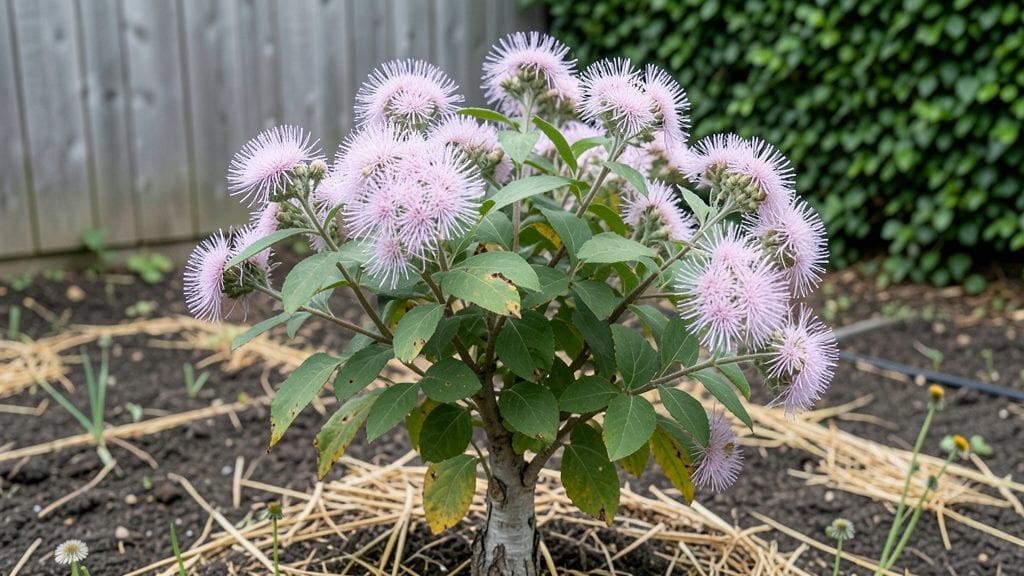
Growing a smoke tree in the Pacific Northwest means embracing a plant that thrives where others struggle—its feathery plumes and vibrant foliage transform winter landscapes into something magical. 🌿 I’ve watched mine stand tall through frost and rain, its deep purple leaves holding their color long after other shrubs have faded.
The key? Choosing the right variety (Cotinus coggygria for classic purple or Cotinus obovatus for golden hues) and giving it well-draining soil to handle the region’s damp winters.
These hardy shrubs demand little beyond good drainage and occasional pruning to maintain their dramatic shape. You’ll need a sunny spot (at least 6 hours of light daily) and soil that isn’t soggy—amend heavy clay with compost if needed.
Once established, smoke trees are drought-tolerant and rarely bothered by pests, making them a low-maintenance star for any garden. My first one took root in just 2 weeks, and now it’s the focal point of my winter borders.
With proper care, your smoke tree will reward you with year-round interest: silvery plumes in summer, fiery fall foliage, and skeletal branches that add texture in winter. Prune in late winter to shape it, and watch as it fills in with lush, velvety leaves by spring.
The best part? It handles the Pacific Northwest’s wet winters better than most shrubs, proving that beauty doesn’t require perfect conditions—just the right plant.
Whether you’re planting a single specimen or creating a mixed border, smoke trees bring drama without drama. They pair well with evergreens for contrast or other deciduous shrubs for layered interest. Start with one—you’ll wonder how you ever lived without its effortless elegance.
📚 In This Guide
- What you need
- Instructions
- Tips and common mistakes
- Wrapping up and next steps
What you need
- ● Smoke Tree Plant: Choose between: 1–3 nursery-grown saplings (1–3 ft tall, hardy varieties like Cotinus coggygria or Cotinus obovatus)
- ● OR seeds (if starting from scratch—germination can be tricky!)
- ● Well-draining soil: 5–10 bags (2–3 cu. ft. each) of garden loam mixed with compost (aim for a pH of 6.0–7.5)
- ● Organic mulch: 2–3 bags (1–2 cu. ft. each) of pine bark or wood chips (helps retain moisture and protect roots)
- ● Fertilizer: 1 bag of balanced, slow-release fertilizer (10-10-10 or similar) OR organic options like fish emulsion
- ● Watering can or hose: With a gentle spray nozzle (smoke trees hate soggy roots!)
- ● Gloves & pruning shears: Heavy-duty gardening gloves and bypass pruners (for shaping and maintenance)
- ● Epsom salt: 1–2 lbs (for magnesium boost in poor soil)
- ● Plant support: 1–2 stakes or cages (if planting in windy areas)
- ● Soil tester kit: To check pH and nutrient levels before planting
- ● Winter protection: Burlap or frost cloth (for young plants in harsh PNW winters)
How to plant and care for a smoke tree in the Pacific Northwest
Here's my battle-tested approach for growing these hardy beauties through rain and frost.
🌱 Step 1: Choose the Right Location and Timing
Smoke trees thrive in full sun to partial shade, making them perfect for Pacific Northwest gardens where direct sun can be limited. I always plant mine in early spring, after the last frost date but before summer heat arrives—typically April to May in most PNW regions.
The key is finding a spot with well-draining soil. Smoke trees hate soggy roots, so avoid low-lying areas where water pools. If your soil drains poorly, amend it with 2-3 inches of compost mixed into the top 12 inches of soil. You'll know you've got it right when water drains through the soil in 1-2 hours after watering.
🪴 Step 2: Dig the Hole and Plant Properly
Dig a hole twice as wide as the root ball but only as deep as the container held the plant. Smoke trees have shallow roots that need room to spread, not depth to sink. Gently remove the plant from its container and loosen any circling roots with your fingers—this prevents root-bound stress.
Place the plant in the hole so the top of the root ball sits 1 inch above ground level. Backfill with native soil, pressing lightly to eliminate air pockets. Water deeply right after planting to settle the soil and remove any air gaps. You'll see the soil surface settle slightly—this confirms good root contact.
☀️ Step 3: Water and Mulch for Winter Protection
Water newly planted smoke trees once a week for the first 4-6 weeks, providing 1-2 gallons per plant each time. After establishment, they're drought-tolerant, but young plants need consistent moisture. Water at the base rather than overhead to prevent fungal diseases common in the PNW's damp climate.
Apply a 3-inch layer of mulch around the base, keeping it 6 inches away from the trunk to prevent rot. I use shredded bark mulch because it breaks down slowly and improves soil structure over time. In winter, add an extra 2 inches of mulch to insulate roots from freezing temperatures—this is crucial for PNW winters where ground temps can drop below 20°F.
✂️ Step 4: Prune for Shape and Health
Prune smoke trees in late winter or early spring, just before new growth begins. Remove any dead, damaged, or crossing branches first—these are easy to spot as they stand out against the healthy foliage. Then shape the plant by cutting back 1/3 of the previous season's growth to encourage bushier growth.
Use clean, sharp pruners to make cuts at a 45-degree angle just above a bud or branch junction. Avoid heavy pruning in fall, as new growth won't harden off before winter. You'll notice new growth emerging within 2-3 weeks of spring pruning—this is your signal that the plant is responding well.
Tips & tricks for perfect smoke tree planting in the Pacific Northwest
Real talk: These little details make all the difference between a struggling smoke tree and one that thrives through PNW winters.
Soil Test First: Before amending your soil, do a simple drainage test in the planting area. Dig a hole about 12 inches deep and fill it with water. If it drains completely within the 1-2 hours mentioned in Step 1, you're good to go. If water remains after 2 hours, you definitely need that 2-3 inches of compost amendment—don't skip this step, as soggy roots are the #1 killer of smoke trees in the PNW.
Root Ball Handling: When removing your smoke tree from its container in Step 2, run your fingers along the outer edge of the root ball to gently separate it from the pot. This prevents root damage that can stress the plant. I've seen gardeners yank plants out by the stems—don't make that mistake! The goal is to preserve those delicate feeder roots that need to establish quickly in their new home.
Winter Mulch Strategy: That extra 2 inches of mulch in winter isn't just about insulation—it's about creating a protective barrier against temperature swings. I like to mound the mulch slightly higher than the surrounding soil to create a thermal blanket. Just remember to keep it 6 inches away from the trunk to prevent rot. In particularly harsh winters (below 20°F), you can even add a layer of straw on top of the bark mulch for extra protection.
Pruning Timing Secret: The 2-3 week window for new growth after spring pruning is your confirmation that you've pruned at the right time. If you don't see new shoots within 3 weeks, your pruning might have been too late or too aggressive. For first-time pruners, I recommend marking the branches you're cutting before making the actual cut—this helps visualize the shape you're creating without over-pruning.
Pro Tips for Smoke Tree Plant
- Real talk: These little details make all the difference between a struggling smoke tree and one that thrives through PNW winters.
- Soil Test First: Before amending your soil, do a simple drainage test in the planting area.
- Root Ball Handling: When removing your smoke tree from its container in Step 2, run your fingers along the outer edge of the root ball to gently separate it from the pot.
Frequently asked questions
Got questions about growing smoke trees (Cotinus spp.) in the Pacific Northwest? Here are some of the most common concerns—and their answers—to help you nurture a thriving plant.
Can smoke trees survive the harsh PNW winters?
Yes! Most Cotinus varieties, like C. coggygria and C. obovatus, are hardy to USDA Zones 4–8. In the PNW’s wet, cold winters, they handle moisture well but may need protection from heavy snow or wind. Mulch the base with 2–3 inches of organic material (like wood chips) to insulate roots. Pro tip: Prune in late winter to avoid frost damage to new growth.
How long does it take for a smoke tree to mature?
Smoke trees grow at a moderate pace—expect 12–18 inches of growth per year. A mature height of 6–15 feet (depending on the variety) typically takes 5–10 years. Patience pays off, though! Young plants develop their signature smoky foliage and vibrant fall colors within 2–3 years.
Do smoke trees need extra care during PNW’s rainy season?
While they tolerate moisture, overly soggy soil can cause root rot. Ensure your planting site has well-draining soil (amend with compost if needed) and avoid planting in low-lying areas where water pools. If your region gets consistent downpours, consider a raised bed or mound for better drainage. Pro tip: Avoid wetting the foliage during watering to prevent fungal issues.
Are there dwarf smoke tree alternatives for small gardens?
If space is limited, opt for Cotinus ‘Royal Purple’ (compact, 6–8 ft tall) or Cotinus ‘Grace’ (dwarf, 3–5 ft tall). These varieties deliver the same stunning foliage and fall hues in a smaller footprint. Just ensure they get at least 4–6 hours of sunlight daily for optimal growth.
Why are my smoke tree leaves turning yellow or brown?
Yellowing leaves often signal overwatering or poor drainage, while brown edges can mean underwatering or salt buildup (from tap water). Check soil moisture—it should be evenly moist but not soggy. If leaves crisp in summer, your plant may need more shade or consistent watering. Pro tip: Use rainwater or filtered water to avoid mineral buildup.
Wrapping up and next steps
Growing a smoke tree plant in the Pacific Northwest is totally doable—even with harsh winters! 🌲❄️ With the right location, soil prep, and care, you’ll be rewarded with stunning foliage and minimal fuss. Remember, patience is key, and soon your yard will be a showstopper.
Ready to take the next step? Start by selecting your spot—whether it’s a sunny garden bed or a cozy container—and get planting! Your future smoke tree awaits.