Pruning
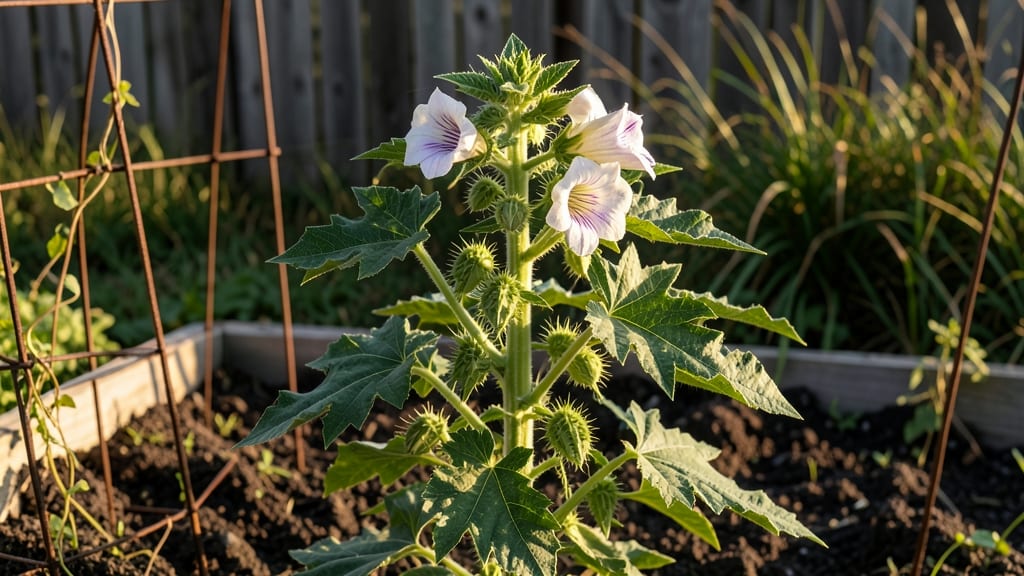
The thorn apple tree (Datura spp.) needs strategic pruning to stay healthy and productive—especially since its toxic blooms can overwhelm a garden if left unchecked. 🌿 I’ve learned the hard way that skipping pruning leads to leggy stems and fewer flowers, but with the right cuts, you’ll encourage bushier growth and more of those striking white or purple blooms.
The key is timing: prune lightly after flowering to shape the plant, and do a heavier cut back in late winter before new growth starts.
This plant thrives in full sun and well-draining soil, but its toxic nature means gloves are a must when handling stems or seeds—even the pollen can irritate skin. Start by removing dead or crossing branches first, then thin out overcrowded stems to improve airflow.
For varieties like Datura stramonium, which can grow 3-5 feet tall, pruning keeps them manageable and encourages more blooms rather than just tall, sparse stems.
You’ll notice a difference almost immediately: pruned thorn apples recover quickly, sending out fresh shoots within weeks. The trade-off? Fewer seeds for next year’s plants, but the trade-in for bushier, more vibrant growth is worth it.
Just remember—never prune into wet wood, as it’s more prone to disease, and always clean your tools between cuts to avoid spreading sap-borne pathogens.
Works for both garden beds and containers, though larger varieties may need staking after pruning. The same principles apply whether you’re shaping a Datura metel for its dramatic blooms or keeping D. stramonium in check. Here’s how to do it right without sacrificing next season’s seeds—or your sanity.
📚 In This Guide
- What you need
- Instructions
- Tips and common mistakes
- Wrapping up and next steps
What you need
- ● Pruning shears: Bypass pruners (for small branches, 4–6 inches long) – sterilize with rubbing alcohol before and after use.
- ● Loppers: 8–12 inch bypass loppers (for thicker branches, ½–1 inch in diameter).
- ● Pruning saw: Curved-tooth saw (for branches 1–3 inches thick).
- ● Gloves: Heavy-duty, chemical-resistant gloves (thorn apple thorns are no joke!).
- ● Safety glasses: Protect your eyes from debris (trust us, this plant is spiky!).
- ● Disinfectant: 70% isopropyl alcohol or a 10% bleach solution (to prevent disease spread).
- ○ Pruning sealant: Optional but helpful for large cuts (e.g., wound dressing for trees).
- ● Ladder or step stool: If your tree is taller than 6 feet (safety first!).
- ● Trash bags or compost bin: For disposing of pruned branches (check local regulations—some areas restrict thorn apple waste!).
- ● Hand saw: For stubborn, oversized branches.
- ● Extension pole pruners: If you’re working with a very tall tree.
- ● Notebook & pen: To sketch a pruning plan or mark cuts.
- ● Mulch: Organic mulch (like wood chips) to protect the base post-pruning.
How to prune a thorn apple tree for year-round vitality
Mastering these cuts keeps your thorn apple thriving—and safe for curious hands.
✂️ Step 1: Time Your Cuts for Seasonal Strength
Prune your thorn apple in late winter or early spring (just before new growth begins) for best results. This timing ensures you remove dead wood while the tree can quickly heal before summer heat. Avoid pruning in fall—new growth won’t harden off before winter, leaving branches vulnerable to cold damage.
If you spot diseased branches anytime, remove them immediately. Use sterilized pruners (clean with rubbing alcohol) to prevent spreading pathogens. Look for branches with blackened, mushy wood or fungal growth—these need urgent attention, regardless of season.
✂️ Step 2: Remove Dead, Diseased, and Crossing Branches First
Start by cutting out dead wood—branches that snap easily or have no green bark underneath. Next, remove any branches rubbing against others (crossing branches) to prevent wounds that attract pests. Use sharp pruners to make clean cuts at a 45-degree angle just outside the branch collar (the swollen area where the branch meets the trunk).
For diseased branches, cut back to 6 inches below visible damage to ensure the infection doesn’t linger. Bag and dispose of infected wood immediately—don’t compost it. Healthy branches should have smooth, green bark and respond to pressure with a slight bend, not a snap.
✂️ Step 3: Thin the Canopy for Better Airflow
Thin the tree’s interior by removing up to 25% of the smallest branches to improve airflow and sunlight penetration. Focus on branches growing inward or downward—they compete with stronger, outward-growing limbs. Cut these back to a lateral branch or the main trunk, always making your cut just outside the branch collar.
Here’s the thing—thorn apples can get wildly dense if neglected. A properly thinned tree produces larger, more vibrant flowers and fewer thorns (yes, really). After thinning, step back and visualize sunlight reaching the center—if you can’t see through, keep cutting until you can.
✂️ Step 4: Shape for Safety and Aesthetics
Use this step to shape the tree for safety and sunlight access. Remove branches growing too close to walkways or structures (leave at least 6 feet of clearance). For aesthetics, encourage an open, vase-like shape by pruning branches that grow straight up—these are prone to breaking under snow or wind.
Never remove more than one-third of the tree’s foliage in a single year. Thorn apples are resilient, but aggressive pruning shocks the tree. If you’re unsure, err on the side of caution—you can always prune more next year. After shaping, water deeply to help the tree recover.
Tips & tricks for perfect thorn apple tree pruning
Here's what nobody tells you about keeping your thorn apple thriving after the initial cuts.
Seasonal Timing Secret: The late winter or early spring window is non-negotiable for healthy recovery. I learned this the hard way after pruning in fall—my tree struggled through winter with weak new growth. If you must prune outside this window, do it on a mild day in early spring rather than risking winter damage. The tree's healing process works best when temperatures are consistently above freezing.
Branch Collar Technique: That swollen area where branches meet the trunk isn't just decoration—it's the tree's natural protection system. Always cut just outside this collar at a 45-degree angle to prevent water from pooling and causing rot. I've seen too many trees develop fungal infections from improper cuts. Use a sharp pruner to make clean cuts that heal faster and look for that distinctive collar before making your cut.
Disease Prevention Strategy: Sterilizing your pruners between cuts isn't just good practice—it's essential. I keep a small bottle of rubbing alcohol in my pruning kit and wipe down blades after every diseased branch. The 6-inch rule for diseased wood is critical too—cutting back this distance ensures you remove all traces of infection. Never compost diseased wood; bag it and dispose of it in yard waste.
Visualization Tip: After thinning, stand back and look through the tree's canopy. You should be able to see light reaching the center—if you can't, keep cutting until you can. I use this trick every year and notice a dramatic difference in flower production. The goal is sunlight penetration, not just removing branches. A properly thinned tree will show you its structure clearly from all angles.
Pro Tips for Thorn Apple Tree
- Here's what nobody tells you about keeping your thorn apple thriving after the initial cuts.
- Seasonal Timing Secret: The late winter or early spring window is non-negotiable for healthy recovery.
- Branch Collar Technique: That swollen area where branches meet the trunk isn't just decoration—it's the tree's natural protection system.
Frequently asked questions
Got questions about pruning your thorn apple tree? You’re not alone! Below are answers to the most common concerns—from timing to tools and everything in between. Keep your tree thriving with these pro tips.
When is the best time to prune a thorn apple tree?
The ideal window is late winter or early spring (just before new growth starts). Avoid pruning in fall—it can stimulate tender growth that won’t survive winter. If you must prune in summer, do so early to minimize stress. Pro tip: Never prune in frost-prone months!
How do I know which branches to cut?
Focus on dead, diseased, or crossing branches first. Next, remove any that rub against each other or grow inward (they’ll compete for sunlight). Thin out crowded areas to improve airflow—aim for an open vase shape to encourage fruit production. Use a 3:1 rule: cut back to a bud or branch that’s ⅓ the size of the branch you’re removing.
Can I prune a thorn apple tree in extreme heat?
Pruning in heatwaves (above 90°F/32°C) stresses the tree, slowing recovery. If you must prune in summer, do it early in the morning or on cloudy days. Water the tree before and after to reduce shock. Wait until temps drop if possible—patience pays off!
What tools do I need for thorn apple tree pruning?
You’ll need:
- Bypass pruners (for small branches, <1-inch thick)
- Loppers (for branches 1–3 inches thick)
- Pruning saw (for thick branches >3 inches)
- Garden gloves (thorn apples are spiky!)
- Disinfectant (rubbing alcohol or bleach solution to sterilize tools between cuts).
Sharp, clean tools prevent disease spread. Sharpen blades yearly for clean cuts!
What if my thorn apple tree isn’t fruiting after pruning?
Lack of fruit could mean:
- Over-pruning (too many cuts reduce energy for fruit production).
- Improper timing (pruning too late in the season).
- Poor nutrition (add compost or a balanced fertilizer in early spring).
- Age or variety (young trees or certain cultivars may take 3–5 years to fruit).
Try light pruning the following year and monitor soil health. If the tree is healthy but still not fruiting, it might need a pollination partner!
Wrapping up and next steps
The thorn apple tree thrives when you give it the right care—especially through smart pruning! By following seasonal strategies, removing deadwood, and shaping growth, you’ll keep this striking tree healthy, productive, and stunning year-round. 🌿✂️
Now that you’re armed with the how-to and answers to common questions, it’s time to grab those pruning shears and get started! Whether you’re trimming for aesthetics, safety, or fruit yield, a little effort now will reward you with a beautiful, resilient thorn apple tree for years to come.
Happy pruning!