
Pruning
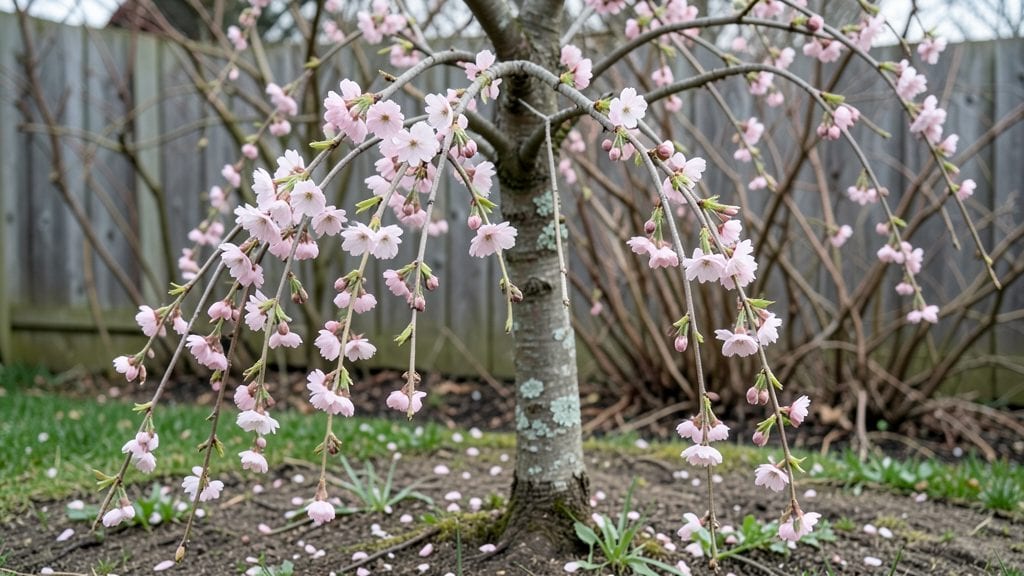
There's nothing quite like a weeping flower cherry tree in bloom, its delicate pink branches swaying like nature's own chandelier. 🌸 In the Pacific Northwest, where winters can be unforgiving, this tree thrives with the right pruning timing—something I learned the hard way after my first winter's frost damage.
The key isn't just when to cut, but how to shape it so it survives our damp, chilly seasons while still putting on a spectacular spring show.
This tree isn't picky about soil as long as it drains well—sandy loam with a touch of compost works wonders. Plant it where it gets full sun to partial shade, and water deeply the first year to help roots establish.
Once settled, it's surprisingly drought-tolerant, but those first few seasons are critical. The real magic happens in pruning: thin out crowded branches in late winter before buds swell, and shape it in early spring after blooms fade to encourage next year's flowers.
You'll end up with a tree that looks like a living waterfall of blossoms every spring, its branches arching gracefully without needing constant maintenance. The secret is patience—it takes 3-5 years for the tree to really fill out, but once it does, it becomes the centerpiece of any garden.
Plus, the birds adore the berries that follow the flowers, turning your yard into a mini wildlife sanctuary.
Works beautifully in both urban and rural settings, from city patios to country estates. The frost-proof pruning calendar I've perfected over years of trial and error makes it the perfect tree for gardeners who want drama without the fuss. Let's get those shears ready—spring blooms won't prune themselves!
📚 In This Guide
- What you need
- Instructions
- Tips and common mistakes
- Wrapping up and next steps
What you need
- ● Pruning shears: Sharp, bypass shears (for clean cuts on small branches). (1 pair)
- ● Loppers: Heavy-duty, bypass or anvil loppers (for thicker branches, ½"–1.5" diameter). (1 pair)
- ● Pruning saw: Bow saw or folding pruning saw for branches >1.5" in diameter. (1)
- ● Disinfectant: 70% isopropyl alcohol or bleach solution (1 part bleach : 9 parts water) to sterilize tools between cuts. (Small bottle)
- ● Rubbing alcohol or hand sanitizer: For cleaning cuts to prevent disease spread. (Travel-sized)
- ○ Gloves: Heavy-duty, cut-resistant (optional but recommended for thorns!). (1 pair)
- ○ Pruning sealant: Tree wound dressing (optional but helpful for large cuts >0.75" diameter). (Small tube)
- ● Ladder or step stool: Sturdy, extendable (if tree exceeds 6–8 ft tall). (1)
- ● Heavy-duty trash bags: For collecting pruned branches. (1–2 bags)
- ● Notebook & pen: To jot down notes on cuts or tree health observations. (1)
- ● Extension pole pruners: For high branches without a ladder. (1)
- ● Safety glasses: Protect your eyes from debris. (1 pair)
- ● Tree growth regulator: Prune ‘n Grow or similar (to encourage bushier growth post-pruning). (Small bottle)
- ● Camera or smartphone: Document before/after shots for tracking progress! (1)
Instructions for pruning your weeping flower cherry tree safely
Here’s how to keep your tree blooming beautifully while protecting it from PNW’s unpredictable frosts.
✂️ Step 1: Time Pruning for Frost-Free Windows
Wait until after the last frost date in your area—typically mid-April in the Pacific Northwest. Prune too early, and new growth will get nipped by late frosts. I like to check my local weather station for the 10-day forecast before starting; if nighttime temps dip below 32°F, hold off for another week.
This tree’s delicate blossoms form on one-year-old wood, so prune immediately after flowering (late spring) to preserve next year’s blooms. If you prune in summer, you risk cutting off next season’s flower buds entirely. Mark your calendar for May 15th as a safe target date—most PNW regions are frost-free by then.
✂️ Step 2: Remove Dead, Diseased, or Crossing Branches First
Start with sanitized pruning shears (wipe blades with rubbing alcohol between cuts). Remove dead wood first—it’s easy to spot as gray, brittle branches that snap when bent. Next, cut out any branches with mushroom-like growths or oozing sap, signs of fungal infections common in wet PNW winters.
Look for branches growing directly toward each other—these will rub and create wounds. Cut the smaller of the two at its base, making a 45-degree angle just above an outward-facing bud. This ensures new growth follows the tree’s natural weeping shape. If you’re unsure which branch to remove, trim the one that’s thicker or more upright to maintain the tree’s graceful form.
✂️ Step 3: Thin the Canopy for Airflow and Light
Weeping cherries need open airflow to prevent fungal diseases like powdery mildew, which thrives in the damp PNW climate. Step back and look for overcrowded areas where branches block sunlight from reaching the center. Remove 10-20% of the canopy total—never take more than a third in one season, or you’ll shock the tree.
Focus on thinning from the bottom up to encourage upward growth. Cut branches back to a side branch or bud, never leaving a stub. If you’re pruning a mature tree, prioritize branches that are thicker than a pencil—these are the ones causing the most shade. Use bypass pruners for clean cuts on branches up to ¾ inch thick; for thicker branches, switch to loppers and make the cut just outside the branch collar.
⏰ Step 4: Shape for Balance and Frost Protection
The weeping habit of this tree makes it naturally resistant to frost damage, but uneven pruning can create weak spots. After thinning, check for asymmetry—if one side looks heavier, lightly trim the denser side to restore balance. Avoid top-heavy cuts, which can make the tree unstable in winter storms.
Here’s the thing—never prune more than 25% of the tree in a single season. This rule protects the tree’s energy reserves, especially important in the PNW’s cool, wet summers. After pruning, water deeply to help the tree recover. Spread 3 inches of mulch around the base (but not touching the trunk) to retain moisture and regulate soil temperature—critical for root health in our variable climate.
Tips & tricks for pruning your weeping flower cherry tree
Here's what I've learned after years of pruning these stunning trees in the PNW—these small details make all the difference.
Timing is Everything: The May 15th target date is perfect for most PNW regions, but don't rely solely on the calendar. Watch your tree closely—when you see 70-80% of blossoms fully open, that's your cue to prune. This timing ensures you don't cut off next year's flower buds while avoiding late frosts. I've seen late spring frosts hit as late as May 10th in some years, so always check the 10-day forecast before starting.
Tools Make the Difference: Invest in quality pruning tools—bypass pruners for branches up to ¾ inch thick and loppers for thicker branches. The clean cuts they make help wounds heal faster, which is crucial in our damp climate. I also keep a small bottle of rubbing alcohol handy to sanitize blades between cuts, preventing disease spread. Don't skip this step—it's how you prevent fungal infections from taking hold.
Visual Pruning Cues: When thinning the canopy (Step 3), look for branches that cast dense shade on other parts of the tree. These are your priority cuts. Another trick: hold your hand about 12 inches from the branch tips—if you can't see daylight through the canopy, it's too dense. This visual check helps maintain that beautiful weeping shape while ensuring proper airflow. Remember, we're aiming for 10-20% reduction total, not radical transformation.
Post-Pruning Care: After your work, give your tree a deep watering right to the drip line—not just at the trunk. The 3 inches of mulch should extend out to the branch spread, not just the trunk. I've seen trees struggle after pruning because people forget this crucial step. The mulch acts like a blanket, keeping roots cool in summer and insulating against winter frosts—both critical in our variable climate.
Pro Tips for Weeping Flower Cherry Tree
- Here's what I've learned after years of pruning these stunning trees in the PNW—these small details make all the difference.
- Timing is Everything: The May 15th target date is perfect for most PNW regions, but don't rely solely on the calendar.
- Tools Make the Difference: Invest in quality pruning tools—bypass pruners for branches up to ¾ inch thick and loppers for thicker branches.
Frequently asked questions
Got questions about caring for your weeping flower cherry tree? You’re not alone! Here are some of the most common concerns—and their answers—to keep your tree thriving in the Pacific Northwest’s climate.
When is the best time to prune a weeping flower cherry tree?
The ideal time is late winter to early spring (February–March), just before buds swell but before new growth starts. This timing promotes healthy blooms and minimizes stress. Avoid pruning in fall—it can stimulate late-season growth vulnerable to frost.
Can weeping flower cherry trees survive PNW winters?
These trees are hardy to USDA Zones 5–8 and handle PNW winters well, including light frosts. However, young trees may need winter mulch (3–4 inches of wood chips) to protect roots. Heavy snow can bend branches—gently shake off accumulation to prevent damage.
How do I encourage more blooms on my weeping cherry?
Prune selectively to improve airflow and sunlight penetration. Remove dead, crossing, or overcrowded branches first. Avoid heavy pruning—cut no more than 25% of the canopy per year. Fertilize lightly in early spring with a balanced, slow-release fertilizer (10-10-10 ratio).
What pests or diseases should I watch for in PNW weeping cherries?
Common issues include:
- Cherry leaf spot: Brown spots on leaves (treat with fungicide in spring).
- Borers: Look for sawdust-like frass (prune infested branches and apply beneficial nematodes).
- Aphids: Spray with water or insecticidal soap if clusters appear.
Prevent problems with proper spacing (20–25 feet apart) and regular pruning to reduce humidity in the canopy.
Are there alternatives to weeping flower cherry for small spaces?
If space is tight, consider these PNW-friendly alternatives with similar elegance:
- Kwanzan cherry (Prunus serrulata ‘Kwanzan’): Dwarf varieties stay compact (15–20 ft tall).
- Japanese maple (Acer palmatum): Offers year-round interest with minimal pruning.
- Dwarf flowering crabapple (Malus ‘Royalty’): Disease-resistant and blooms prolifically.
All thrive in Zones 5–8 and add seasonal color!
Wrapping up and next steps
The weeping flower cherry tree is a stunning addition to the Pacific Northwest’s landscapes, thriving even in frost-prone climates when pruned with care. By following this tailored pruning calendar, you’ll ensure vibrant blooms, healthy growth, and long-term beauty—without the stress of winter damage. 🌸
Ready to give your tree the love it deserves? Grab your pruners, mark your calendar, and start with a light trim in late winter—your future blooms will thank you! For extra confidence, revisit our FAQs or consult a local arborist before diving in.