
Blooming
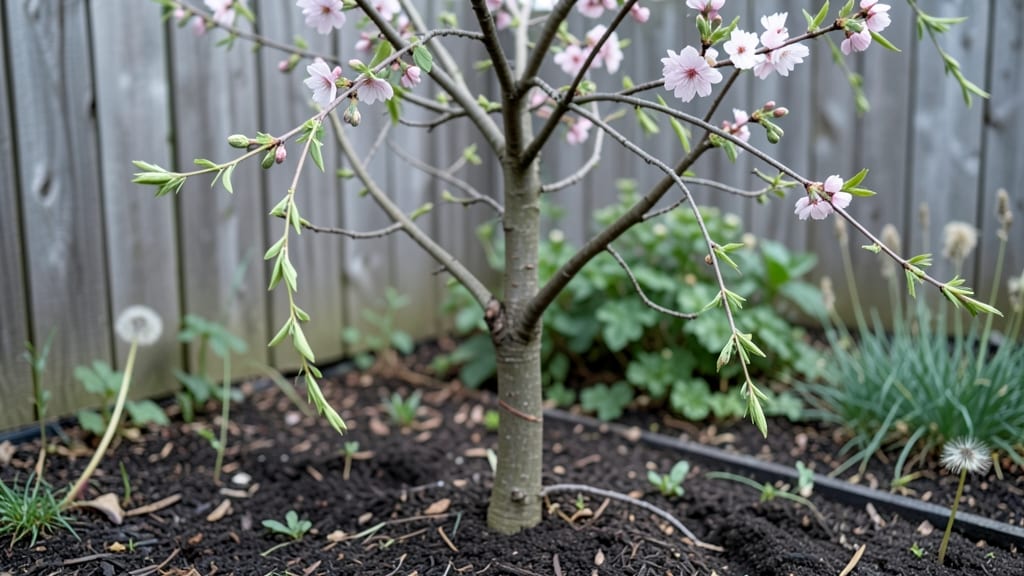
A weeping willow cherry blossom tree transforms any Pacific Northwest garden into a dreamy, frost-proof centerpiece—its cascading branches heavy with delicate pink blooms in spring and golden foliage in fall. 🌸 I planted mine near a small pond after watching how its graceful arcs mirrored perfectly in the water, creating a living postcard that lasts all season long.
The tree’s natural resistance to cold snaps means you can enjoy its ethereal beauty without worrying about winter damage, unlike fussy varieties that struggle with our damp climate.
This isn’t just a tree—it’s a statement piece that works in multiple garden styles. Pair it with hostas for soft contrast, or let it anchor a Japanese-inspired space with moss-covered stones and bamboo fencing.
The key is giving it room: plant it at least 15 feet from structures to accommodate its mature spread, and avoid planting near sidewalks where its roots might compete with foundations.
For maximum drama, position it where its branches can spill over a deck or patio, turning outdoor gatherings into a floral spectacle.
What you’ll love most is how it softens hard edges—concrete driveways become serene pathways, and stark walls dissolve into living tapestries. The blossoms attract pollinators early in the season, while the weeping habit adds movement that no other tree can match.
Even in winter, its silhouette remains striking against snow, proving that this tree isn’t just beautiful—it’s the heart of the garden year-round.
For best results, prune lightly in late winter to shape its growth, but avoid heavy cuts that could disrupt its natural grace. If you’re designing around it, consider adding dwarf conifers or ornamental grasses at its base to highlight its trunk and create layers of texture.
The tree’s adaptability means it thrives in full sun to partial shade, making it perfect for both open meadows and shaded woodland gardens.
📚 In This Guide
- What you need
- Instructions
- Tips and common mistakes
- Wrapping up and next steps
What you need
- ● Tree: A Prunus serrulata ‘Weeping Cherry’ or hybrid weeping willow cherry blossom tree (5–10 gallons, 6–8 ft tall).
- ○ Optional: Bare-root sapling (cheaper but requires extra care during transplanting).
- ● Planting Site: Full sun to partial shade (6+ hours of sunlight daily).
- ● Well-draining, slightly acidic soil (pH 5.5–6.5). Amend heavy clay with compost (2–3 cubic feet per planting hole).
- ● Space: At least 15–20 feet from structures, sidewalks, or other trees (account for mature spread).
- ● Tools: Shovel (round-point for digging, 12–14 inches wide).
- ● Garden trowel (for root adjustments).
- ● Wheelbarrow (for soil/compost mixing).
- ● Pruning shears (sterilized, sharp).
- ● Measuring tape (for spacing/marking).
- ● Soil Additives: Slow-release balanced fertilizer (10-10-10 or 20-20-20, 1 lb per tree).
- ● Mulch: Wood chips or pine bark (3–4 inches deep, keep 6 inches away from trunk).
- ● Tree Support: Stake (if planting in windy areas) + soft tree tie (to avoid trunk damage).
- ● Pest/Disease Prevention: Copper fungicide (for fungal diseases like powdery mildew).
- ● Neem oil spray (organic insect repellent).
- ● Seasonal Care: Drip irrigation kit (for consistent moisture).
- ● Winter wrap (for young trees in harsh PNW winters).
- ● Aesthetic Touches: Decorative stones or edging (to define the planting area).
- ● String lights (for evening ambiance under the blossoms!).
Step-by-step guide to planting and caring for a weeping willow cherry blossom tree
Here's how to bring this stunning Pacific Northwest favorite into your landscape with confidence.
🪴 Step 1: Choose and Prepare the Planting Site
Select a location with full sun to partial shade and well-draining soil—this tree thrives near ponds or moisture-rich areas but won't tolerate soggy roots. The weeping willow cherry blossom loves space, so ensure at least 20 feet of clearance from structures, sidewalks, or other plants. Its graceful branches will spread 15-25 feet wide over time.
Test your soil's drainage by digging a 12-inch deep hole—if water pools after 30 minutes, amend with 2-3 inches of compost or plant on a slight mound. The tree’s roots will thank you for avoiding waterlogged conditions, especially in the PNW’s wet winters. I always check drainage first—skipping this step leads to root rot and stunted growth.
🌱 Step 2: Plant at the Right Time and Depth
Plant in early spring or fall when temperatures are 50-65°F—this gives roots time to establish before summer heat or winter frost. Dig a hole twice as wide as the root ball but no deeper. The top of the root ball should sit 1-2 inches above ground level—burying too deep suffocates the tree and causes stress.
Gently loosen the roots if they’re circling (a common issue with nursery trees) and place the tree in the hole. Fill around the roots with native soil, tamping lightly to remove air pockets. Water deeply until the soil settles—you’ll see the ground level drop slightly. Mulch with 3 inches of organic mulch (like wood chips) in a 3-foot diameter ring, keeping it 6 inches away from the trunk to prevent rot.
☀️ Step 3: Water and Fertilize for Strong Establishment
Water deeply 2-3 times per week for the first 6-8 weeks—this encourages deep root growth. You’ll know you’re doing it right when the soil stays moist 2-3 inches down but not soggy. Overwatering is a common mistake; the PNW’s damp climate can make it easy to overdo it. Reduce watering to once a week after the initial period, adjusting for rain.
Fertilize in early spring with a balanced, slow-release fertilizer (10-10-10 ratio). Apply ½ cup per 100 square feet of root zone—this gives the tree nutrients without overwhelming it. Avoid heavy fertilizers in fall or winter, as new growth won’t harden off before frost. I’ve seen trees struggle when over-fertilized; less is more with these beauties.
✂️ Step 4: Prune and Maintain for Health and Beauty
Prune in late winter or early spring before new growth begins. Remove dead, diseased, or crossing branches first—these compete with the tree’s energy. Thin out 10-20% of the canopy to improve airflow, which reduces fungal issues common in dense willow foliage. Use clean, sharp pruners to make cuts just outside the branch collar.
Watch for suckers (shoots growing from the base) and remove them promptly—they drain energy from the main tree. The weeping willow cherry blossom’s signature branches will develop naturally over time, but you can gently guide them with soft ties if they’re growing too close to structures. Prune lightly in summer only if necessary, as heavy summer cuts stress the tree.
⏰ Step 5: Protect from Frost and Winter Care
The PNW’s frosts are no match for this tree, but young specimens under 3 years old need extra care. Wrap the trunk with tree guard in late fall to prevent rodent damage, and apply 3-4 inches of mulch around the base to insulate roots. Avoid heavy mulch piles against the trunk—this traps moisture and invites rot.
Water sparingly in winter only if the ground is frozen or dry. The tree’s natural resistance shines in cold snaps, but a drought-like winter (like PNW’s occasional dry spells) may require monthly deep watering. Check for ice buildup on branches—if heavy, gently tap it off to prevent breakage. This tree’s frost resilience is legendary, but a little winter prep ensures it thrives for decades.
Tips & tricks for perfect weeping willow cherry blossom planting
These little details make all the difference when bringing home your Pacific Northwest showstopper.
Site Selection Tip: Look for that perfect balance of sun and moisture—this tree loves the PNW's damp climate but needs well-draining soil. If your yard has heavy clay, consider planting on a slight mound or amending with 2-3 inches of compost before planting. I've seen too many beautiful trees fail because of poor drainage, so always test that 12-inch deep hole for water pooling after 30 minutes. The roots will reward you with years of growth if you get this right.
Planting Depth Secret: That 1-2 inch above ground level for the root ball isn't just a suggestion—it's crucial. When you're filling the hole, use a level to check the position before backfilling. I learned this the hard way when a buried root ball led to stress and poor growth. Also, gently loosening any circling roots at planting gives them room to spread naturally into the surrounding soil.
Watering Wisdom: Those first 6-8 weeks of deep watering 2-3 times per week are non-negotiable for establishing strong roots. I recommend using a moisture meter to check 2-3 inches down—it should feel moist but not soggy. The PNW's damp climate can make it tempting to skip watering, but consistent moisture during establishment makes all the difference in long-term health. After the initial period, let the soil dry slightly between waterings to prevent waterlogged conditions.
Frost Protection Strategy: For young trees under 3 years old, don't skip the tree guard and extra mulch in winter. I've seen deer and rodents gnaw through trunks in my neighborhood, and the extra insulation from 3-4 inches of mulch helps protect roots from temperature swings. If you're expecting a particularly cold snap, consider wrapping the trunk with burlap for added protection—this tree's frost resilience is impressive, but young specimens need that extra care.
Pro Tips for Weeping Willow Cherry Blossom Tree
- These little details make all the difference when bringing home your Pacific Northwest showstopper.
- Site Selection Tip: Look for that perfect balance of sun and moisture—this tree loves the PNW's damp climate but needs well-draining soil.
- Planting Depth Secret: That 1-2 inch above ground level for the root ball isn't just a suggestion—it's crucial.
Frequently asked questions
Got questions about growing or caring for a weeping willow cherry blossom tree? You’re not alone—this stunning hybrid has unique needs! Here are answers to the most common queries to help you nurture your Prunus serrulata with confidence.
Can a weeping willow cherry blossom survive harsh Pacific Northwest winters?
This tree thrives in USDA Zones 5–8 and is bred for cold resilience. Just ensure it’s planted in well-draining soil and mulched heavily in late fall to protect roots from freeze-thaw cycles. Young trees may need winter wraps for extra coziness.
When is the best time to plant a weeping willow cherry blossom tree?
Spring (after last frost) or early fall are ideal. Avoid planting in summer heat or winter—roots need time to establish before extreme temperatures. For PNW gardens, aim for March–April or September–October for optimal success.
How often should I water a newly planted weeping willow cherry blossom?
Water deeply 2–3 times per week for the first year, soaking the root zone (12–18 inches down). Once established, reduce to weekly deep waterings during dry spells. Overwatering can suffocate roots—check soil moisture before watering!
Are there dwarf or low-maintenance alternatives to this tree?
If space or upkeep is a concern, consider:
- ‘Kwanzan’ cherry (compact, prolific blooms)
- ‘Snow Fence’ weeping cherry (smaller, cold-hardy)
- ‘Stella Compacta’ (dwarf, disease-resistant)
Why aren’t my weeping willow cherry blossoms blooming?
Common culprits:
- Insufficient chill hours (needs 600–800 hours below 45°F for buds to set).
- Over-fertilizing with nitrogen (promotes leafy growth over flowers).
- Pests/disease (e.g., aphids, powdery mildew).
Wrapping up and next steps
The weeping willow cherry blossom tree isn’t just a stunning addition to your Pacific Northwest garden—it’s a resilient, frost-hardy powerhouse that brings joy with its delicate blooms and graceful form. 🌸 Whether you’re drawn to its ornamental beauty or its adaptability to cooler climates, this tree promises years of seasonal splendor with minimal fuss.
Ready to transform your outdoor space? Start by researching local nurseries or checking soil conditions in your yard—then take the plunge! Planting one is the first step toward creating a serene, blooming haven that wows neighbors and wildlife alike.