
Pruning
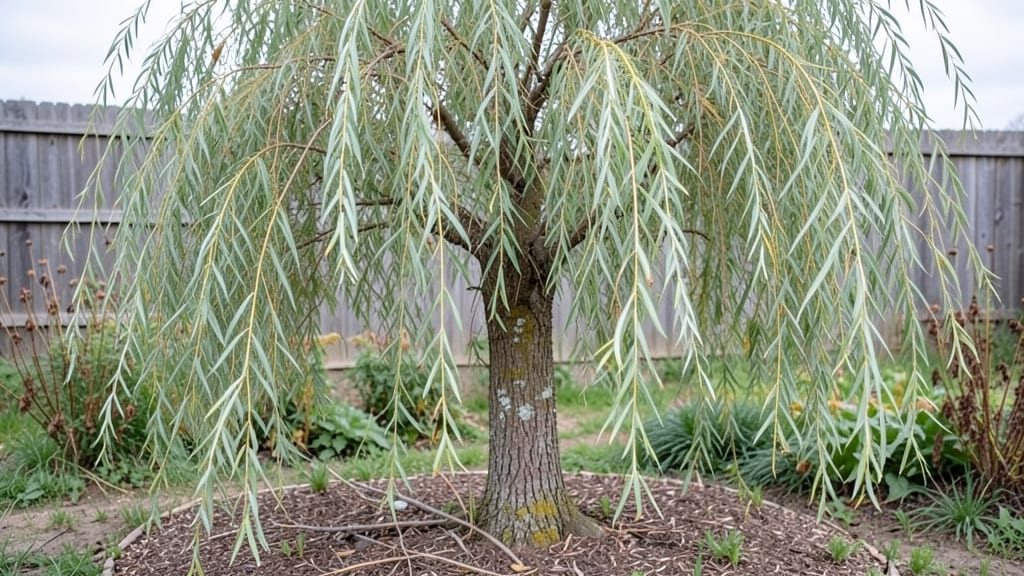
A willow weeping tree’s elegant draping branches already steals the show in the Pacific Northwest’s frosty climate, but proper pruning unlocks its full potential—turning beauty into bounty. I learned the hard way—my first winter nearly stripped my tree bare before I discovered the right timing and cuts.
The secret lies in understanding how this fast-growing tree responds to cold, not just how to wield the shears.
You'll need sharp pruning tools, a ladder for higher branches, and a plan that balances winter protection with summer shape. Most gardeners over-prune in spring, which stresses the tree right when it needs energy for new growth.
Instead, focus on removing dead wood in late winter and shaping in early summer, when the tree can heal quickly. The goal is to maintain that elegant weeping form while keeping it strong enough to handle our region's wet winters.
What you end up with is a tree that stays lush and healthy through frost, with fewer broken branches and more vibrant foliage. The weeping habit becomes even more dramatic after proper pruning, creating that cascading effect that makes it a garden centerpiece.
Plus, you'll save yourself the heartbreak of seeing it struggle through winter—this is how you keep it thriving for decades.
Works equally well in large landscapes or as a striking container specimen, though container-grown willows need extra winter protection. The same principles apply whether you're shaping a mature tree or training a young one—just adjust the scale. Ready to give your willow the care it deserves?
📚 In This Guide
- What you need
- Instructions
- Tips and common mistakes
- Wrapping up and next steps
What you need
- ● Pruning shears: Bypass pruners (sharp, clean, and 5- to 8-inch blades) for small branches.
- ● Loppers: 24-inch bypass loppers for medium-sized branches (up to 2 inches in diameter).
- ● Pruning saw: Curved-tooth saw for thick branches (2+ inches in diameter).
- ● Gloves: Heavy-duty, cut-resistant gloves (e.g., mechanics’ gloves) to protect hands from thorns and sap.
- ○ Disinfectant: 70% isopropyl alcohol or a pruning sealant (optional but recommended to prevent disease spread).
- ● Ladder or step stool: Sturdy, extension ladder (16+ feet) if branches are high; non-slip steps for shorter trees.
- ● Heavy-duty trash bags: 30-gallon capacity for collecting pruned branches and debris.
- ● Safety gear: Safety glasses or goggles (to shield eyes from debris).
- ● Long sleeves and pants (to protect from sap and thorns).
- ● Pole pruner: For high branches (up to 30 feet), extending reach without a ladder.
- ● Tree wound dressing: Pruning paste (controversial but useful for large cuts in wet climates).
- ● String trimmer or hedge shears: For shaping dense foliage (if desired).
- ● Marking spray: Bright-colored paint to mark cuts for future reference.
- ● First-aid kit: In case of minor cuts or sap irritation.
Step-by-step guide for pruning Pacific Northwest weeping willows
Mastering these cuts ensures your tree thrives through cold winters and stays healthy year-round.
Time Your Pruning for Optimal Growth
Prune your weeping willow in late winter or early spring, just before new growth begins. This timing lets you shape the tree without stressing it during dormancy. In the Pacific Northwest, aim for February to March when frost risk has passed but buds haven't swollen yet.
Look for tight, closed buds along the branches—these signal readiness. Avoid pruning in fall, as new growth won’t harden off before winter. If you must prune later, do it in summer after flowering, but expect slower recovery.
Remove Dead or Weak Branches First
Start by cutting out any dead, diseased, or crossing branches—these compete with healthy growth. Use clean, sharp pruners to make 45-degree cuts just outside the branch collar. Never leave stubs; they invite rot and pests.
Weeping willows naturally shed weak growth, so focus on branches that are thinner than a pencil or show brown, brittle wood. If a branch is larger than 2 inches in diameter, use a saw and make the cut 1/8 inch above a bud facing outward.
Thin the Canopy for Airflow and Light
Weeping willows grow dense, so thin the canopy by removing 20-30% of the smallest branches to improve airflow. Start at the outer edges and work inward, cutting branches back to their origin point. This prevents weight stress and reduces snow damage in winter.
Watch for branches growing toward the center—they’ll create a thicket. Remove these first, then step back to assess balance. A well-thinned willow has an open, airy shape with light filtering through the branches.
Shape the Tree for Structure and Safety
Use this step to refine the tree’s natural weeping form. Prune up to 1/3 of the total branch length to encourage bushier growth, but never cut more than 25% in a single season. Focus on branches that spoil the graceful silhouette.
For safety, remove any branches that hang over sidewalks, driveways, or power lines. Use a pole saw for high branches, and wear gloves—willow bark is sharp. After pruning, rake up debris to prevent disease spread.
Clean and Protect the Pruning Wounds
Dip pruners in rubbing alcohol between cuts to prevent spreading disease. For larger cuts, apply a wound sealant (like pruning paint) only if the tree is in a high-moisture area. Most willows seal wounds naturally, but sealants help in rainy Pacific Northwest climates.
Water the base of the tree deeply after pruning to reduce stress. Mulch with 2-3 inches of wood chips (keeping it 6 inches away from the trunk) to retain moisture and protect roots. Avoid heavy mulch piles, which can suffocate the tree.
Tips & tricks for pruning Pacific Northwest weeping willows
Took me years of trial and error to perfect these pruning strategies—here's what actually makes a difference in keeping your weeping willow thriving.
Seasonal Timing Secret: The February to March window isn't just about avoiding frost—it's about catching that perfect moment when buds are still tight but sap flow hasn't kicked into high gear. I've seen willows recover beautifully when pruned at this exact stage, but cutting too early leaves them vulnerable to late frosts, while waiting too long stresses the tree during active growth. Pro tip: Check buds daily during this window—they'll swell visibly when it's time to stop.
Branch Size Matters: Never underestimate the importance of those diameter measurements. That "thinner than a pencil" guideline is non-negotiable—branches below that size are perfect candidates for removal as they won't significantly impact the tree's structure. For branches larger than 2 inches, remember the 1/8-inch rule above the bud: this precise cut ensures new growth emerges in the right direction. I learned this the hard way after seeing multiple willows develop ugly stubs that never healed properly.
Canopy Thinning Strategy: When you're removing 20-30% of those smallest branches, work from the outside in—this creates that beautiful airy shape while preventing weight stress. Here's what nobody tells you: after your first round of cuts, step back and look at your tree from all angles. You'll often spot branches you missed that are creating that thicket effect. I usually make 2-3 passes through the canopy before declaring it properly thinned.
Safety First: That warning about branches over sidewalks isn't just theoretical—willow branches can weigh hundreds of pounds when saturated with rain. I've seen them snap and cause serious damage during winter storms. If you're dealing with branches near power lines, call your utility company first. They have specialized equipment to handle these safely, and attempting it yourself could be deadly. Always wear gloves when working with willow bark—it's sharp enough to draw blood through thin work gloves.
Pro Tips for Willow Weeping Tree
- Took me years of trial and error to perfect these pruning strategies—here's what actually makes a difference in keeping your weeping willow thriving.
- Seasonal Timing Secret: The February to March window isn't just about avoiding frost—it's about catching that perfect moment when buds are still tight but sap flow hasn't kicked into high gear.
- Branch Size Matters: Never underestimate the importance of those diameter measurements.
Frequently asked questions
Got questions about nurturing your willow weeping tree in the Pacific Northwest? We’ve got you covered! From pruning timing to frost resilience, here are answers to the most common queries—so you can keep your tree thriving like a pro.
When is the best time to prune a weeping willow?
The ideal time to prune is late winter or early spring (before new growth starts). This helps avoid heavy sap loss and promotes robust spring regrowth. Avoid pruning in fall—it can stimulate tender growth that’s vulnerable to frost. For light maintenance, you can trim dead branches anytime, but major pruning should stick to the dormant season!
How cold can a weeping willow tolerate?
Weeping willows are surprisingly frost-resistant—they thrive in USDA zones 4-9, handling temps down to -25°F (-32°C) once established. Young trees may need winter protection (like burlap wraps) in harsh microclimates. Pro tip: Mulch the base with 2-3 inches of organic matter to insulate roots!
Can I prune a weeping willow too much?
Yes! Over-pruning weakens the tree and can lead to suckering (excessive new shoots) or even disease. Never remove more than 25% of the canopy in a single session. Weeping willows are fast growers, so focus on shaping rather than aggressive cuts. If you see dieback, it’s often a sign of stress—adjust your approach!
What are some alternatives to weeping willows for PNW gardens?
If you love the dramatic drape but want lower-maintenance options, consider:
- Pacific Dogwood (Cornus nuttallii) – Stunning blooms, frost-hardy, and less messy.
- Oregon Grape (Mahonia aquifolium) – Evergreen, drought-tolerant, and pollinator-friendly.
- Willow Hybrid: ‘Babylon’ Weeping Willow – A hardier, smaller cousin with less aggressive roots.
For fast-growing shade, Douglas fir or Bigleaf maple are also excellent PNW picks!
Why are my willow branches turning yellow or brown?
Yellowing leaves often signal nutrient deficiency (common in fast-growing willows). Brown branches could mean fungal disease (like Verticillium wilt) or root stress. Troubleshoot:
If issues persist, consult a local arborist—PNW’s damp climate can exacerbate fungal issues.
Wrapping up and next steps
The willow weeping tree isn’t just a stunning addition to the Pacific Northwest’s landscapes—it’s a resilient, low-maintenance beauty that thrives with the right pruning care. 🌿 By mastering its frost-resistant techniques, you’ll not only preserve its graceful form but also encourage healthier growth and vibrant foliage year after year.
Ready to take your pruning skills to the next level? Grab your tools, roll up your sleeves, and give your weeping willow the love it deserves—your garden will thank you!
For extra inspiration, explore seasonal pruning guides or connect with local horticulture groups to share tips with fellow green thumbs.