
Pruning
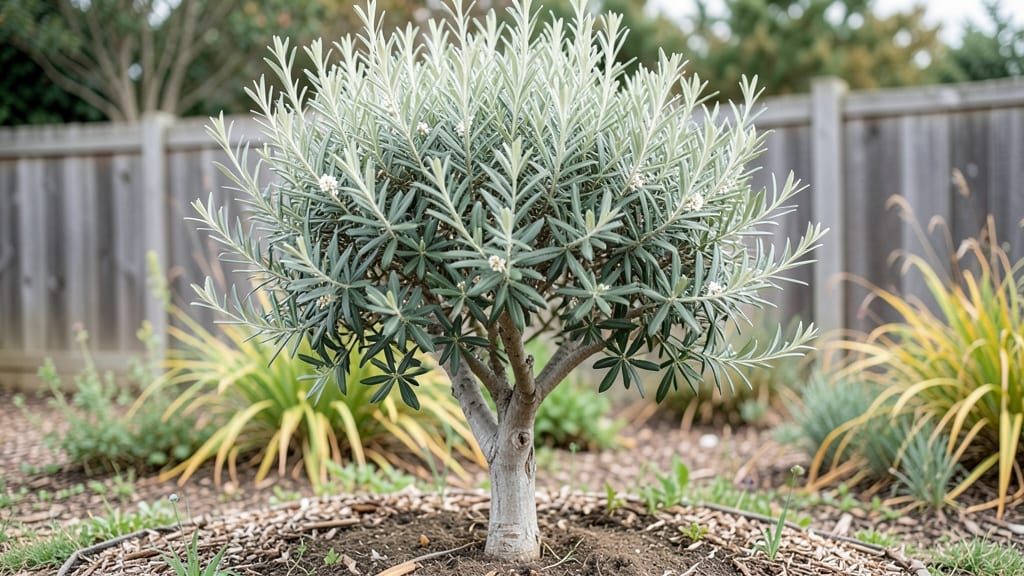
The Wilson fruitless olive tree thrives in Pacific Northwest winters—something I learned the hard way after my first one nearly died from over-pruning. This cold-hardy variety keeps its silvery leaves year-round, making it the perfect evergreen for coastal climates where frost lingers.
The key isn’t just cutting back; it’s understanding when and how to shape it so it bounces back stronger than ever.
What makes this tree special is its ability to handle 10-15°F dips without losing leaves, unlike its Mediterranean cousins. You’ll need well-draining soil, full sun, and a strategic pruning schedule that starts in late winter—just as buds swell but before new growth pushes.
The right cuts encourage dense, bushy growth while keeping it manageable for small yards.
By summer, you’ll have a textured, silvery-green specimen that stays lush even in drought. The branches develop a gnarled, artistic shape over time, perfect for dry landscapes or as a striking focal point. Plus, no messy fruit means no cleanup—just low-maintenance beauty that pays off in just a few seasons.
Whether you’re shaping it into a hedge or letting it grow naturally, the Wilson olive adapts beautifully to urban gardens and rural landscapes alike. The real magic happens in how it recovers from pruning—something I’ve perfected after years of trial and error. Let’s get those shears ready!
📚 In This Guide
- What you need
- Instructions
- Tips and common mistakes
- Wrapping up and next steps
What you need
- ● Pruning shears: Bypass pruners (sharp, 6–8" blades) for clean cuts on small branches.
- ● Loppers: 1 pair (18–24" handles) for thicker branches (½–1.5" diameter).
- ● Pruning saw: 1 handheld saw (8–10" blade) for stubborn, larger limbs.
- ● Disinfectant: 70% isopropyl alcohol or a 10% bleach solution (1 part bleach to 9 parts water) to sterilize tools between cuts.
- ● Gloves: Heavy-duty, cut-resistant gloves (e.g., Mechanix or leather) to protect hands.
- ● Ladder: Extendable aluminum ladder (16–20 ft) for tall trees (safety first!)
- ○ Pruning sealant: Optional but helpful for sealing large cuts (>1" diameter) to prevent disease (e.g., Tanglefoot Tree Wound Pruning Seal).
- ● Trash bags: 2–3 heavy-duty bags (13-gallon) for debris disposal.
- ● Work apron: With pockets to hold tools and small supplies.
- ● Timing: Prune in late winter or early spring (Feb–March in PNW) before new growth starts. Avoid pruning during frost or wet conditions.
- ● Weather: Choose a dry, calm day (humidity <60%) to minimize disease risk.
- ● Tree health: Inspect the tree for signs of peacock spot (a fungal disease common in olives) or pest damage before pruning.
- ● Safety gear: Safety glasses (for debris) and ear protection (if using a chainsaw for large limbs—though not recommended for olives).
- ● Local regulations: Check if your area requires permits for tree pruning (especially if near power lines).
Step-by-Step pruning guide for Pacific Northwest Wilson fruitless olive trees
Here’s how to shape your olive tree for resilience against PNW winters while keeping it lush all year.
Identify and Remove Dead or Diseased Wood
Start by inspecting your tree for branches with no leaves, brown or blackened bark, or soft, oozing spots—these are dead or diseased. Use sharp pruning shears to cut just beyond the branch collar where it meets the trunk, making a clean, angled cut. This prevents tears and promotes faster healing.
I always work from the bottom up to avoid dropping debris onto healthy branches. If a branch is larger than ½ inch thick, use a pruning saw instead. Remove any branches growing directly inward toward the center of the tree—they’ll compete for light and weaken the structure.
Thin the Canopy for Better Airflow and Light Penetration
Olive trees thrive with good airflow to prevent fungal issues, especially in the damp PNW climate. Look for branches that cross or rub against each other—these are prime candidates for removal. Cut back to a lateral branch or bud that faces outward to encourage an open, airy shape.
Focus on the lower third of the tree first. If you see dense clusters of leaves blocking sunlight from reaching the interior, thin those areas by removing up to 25% of the foliage in one session. You’ll notice new shoots forming within 4-6 weeks as the tree responds to improved light exposure.
Shape for Frost Resistance and Structural Strength
In the Pacific Northwest, where frost can damage tender new growth, prune to create a rounded, dome-like shape. This allows snow to slide off easily rather than accumulating and breaking branches. Start by shortening overly long branches by ⅓ to ⅕ of their length, cutting just above an outward-facing bud.
For younger trees, I often leave a few strong branches slightly longer to encourage upward growth. For mature trees, avoid heavy pruning in late winter—wait until early spring when new growth begins. If you prune too late, the tree may produce tender shoots that won’t survive frost.
Clean Up and Apply Protective Measures
After pruning, sterilize your tools with rubbing alcohol to prevent spreading disease. Collect all clippings and dispose of them in the trash—not the compost—since olive wood can harbor pathogens. Rake up any fallen leaves or debris around the base of the tree to reduce moisture retention.
For added frost protection, apply a thin layer of mulch (like wood chips) around the base, keeping it 3-4 inches away from the trunk. This insulates roots without smothering them. Water deeply before the first frost to help the tree store moisture for winter.
Tips & tricks for pruning Pacific Northwest Wilson fruitless olive trees
Pruning your Wilson fruitless olive tree properly can transform it from a struggling winter casualty to a resilient, year-round beauty. Here’s what I’ve learned after years of shaping these trees in the PNW’s challenging climate.
Timing is Everything: In Step 3, when the instructions mention avoiding late winter pruning, I can’t emphasize this enough. Late winter pruning—especially in January or February—can stimulate tender new growth that won’t survive our unpredictable PNW frosts. Instead, aim for early spring when temperatures consistently stay above freezing. This gives new shoots time to harden off before winter returns. For mature trees, a light pruning in late summer (after harvest) can also help shape growth without risking frost damage.
Branch Selection Strategy: When thinning the canopy in Step 2, focus on removing branches that grow directly downward or inward. These are the ones that create dense shade and trap moisture, creating ideal conditions for fungal diseases like peacock spot. Always cut back to a lateral branch or bud that faces outward—this encourages the tree to grow in a more open, airy structure. I’ve found that removing just 20-25% of the foliage in one session (as mentioned) gives the tree enough light exposure to stimulate new growth without shocking it.
Tool Preparation Matters: Before you begin pruning in Step 1, take 5 minutes to sharpen your pruning shears and sterilize them with rubbing alcohol. Dull tools crush branches instead of making clean cuts, which can damage the tree’s vascular system. For branches larger than ½ inch, use a pruning saw—don’t try to force shears through thick wood. I keep a small bottle of rubbing alcohol in my tool bag specifically for this purpose, and it’s saved me from spreading disease between trees.
Mulching Technique: In Step 4, when applying mulch, remember that less is more. A thin layer (about 2-3 inches) is sufficient—any thicker, and you risk suffocating the roots. Keep the mulch 3-4 inches away from the trunk to prevent moisture buildup that can lead to rot. I’ve seen many gardeners overdo it with mulch, thinking more equals better protection, but this can actually harm the tree. For added frost protection, consider wrapping the trunk with burlap in extreme winters, especially for younger trees.
Pro Tips for Wilson Fruitless Olive Tree
- Pruning your Wilson fruitless olive tree properly can transform it from a struggling winter casualty to a resilient, year-round beauty.
- Timing is Everything: In Step 3, when the instructions mention avoiding late winter pruning, I can’t emphasize this enough.
- Branch Selection Strategy: When thinning the canopy in Step 2, focus on removing branches that grow directly downward or inward.
Frequently asked questions
Got questions about keeping your Wilson Fruitless Olive Tree thriving in the Pacific Northwest? Here are some of the most common ones—and their answers—to help you prune with confidence!
Why does my Wilson Fruitless Olive Tree need pruning in winter?
Winter pruning (especially in mild PNW climates) removes dead or weak branches, improves airflow to prevent disease, and encourages denser, frost-resistant growth. Since this variety is sterile, pruning also shapes the tree for aesthetics and structural integrity. Aim for late winter to early spring before new growth starts.
How much can I prune off without harming the tree?
For established trees, you can safely remove up to 25-30% of the canopy per year. Avoid over-pruning—this can stress the tree and reduce its frost hardiness. Focus on thinning out crowded branches first, then shape the tree gradually. Pro tip: Never remove more than 1/3 of a branch in one cut to prevent dieback.
Will pruning help my tree survive PNW frosts better?
Yes! Strategic pruning reduces frost damage by improving light penetration and airflow, which helps ice melt faster. Avoid heavy pruning right before hard freezes—wait until after the worst cold snaps. Also, prune to open the canopy, letting sunlight warm the center where frost lingers.
Can I use the same tools for pruning as I do for fruit-bearing olives?
While you can use similar tools (bypass pruners, loppers, saws), sterilize them between cuts to prevent disease spread. Since Wilson Fruitless Olives are sterile, you don’t need specialized tools—but keep blades sharp for clean cuts. Bonus: A disinfectant spray (like 70% alcohol) works great for shared tools.
What if my tree looks sad after pruning?
Don’t panic! A "sad" look is often temporary. If you see yellowing leaves or wilting, check for over-pruning or pest damage. Water deeply after pruning, and avoid fertilizing until new growth appears. If branches aren’t sprouting by spring, they may be dead—trim them back to healthy wood.
Are there alternatives to pruning for shaping my tree?
If pruning feels overwhelming, try topiary training or selective branch removal to guide growth naturally. For young trees, use soft ties to shape branches as they grow. Just remember: Pruning is key for frost resistance—alternatives won’t replace it entirely!
Wrapping up and next steps
Growing a Wilson Fruitless Olive Tree in the Pacific Northwest isn’t just about pruning—it’s about embracing a resilient, low-maintenance plant that thrives year-round. With the right techniques, you’ll enjoy its silvery foliage, frost-resistant branches, and effortless care, making it a standout addition to your landscape. 🌿
Ready to transform your outdoor space? Start by assessing your tree’s needs—whether it’s shaping for aesthetics or protecting against winter chill. Then, grab your pruners and get to work! Your future self (and your tree) will thank you.