
Trees
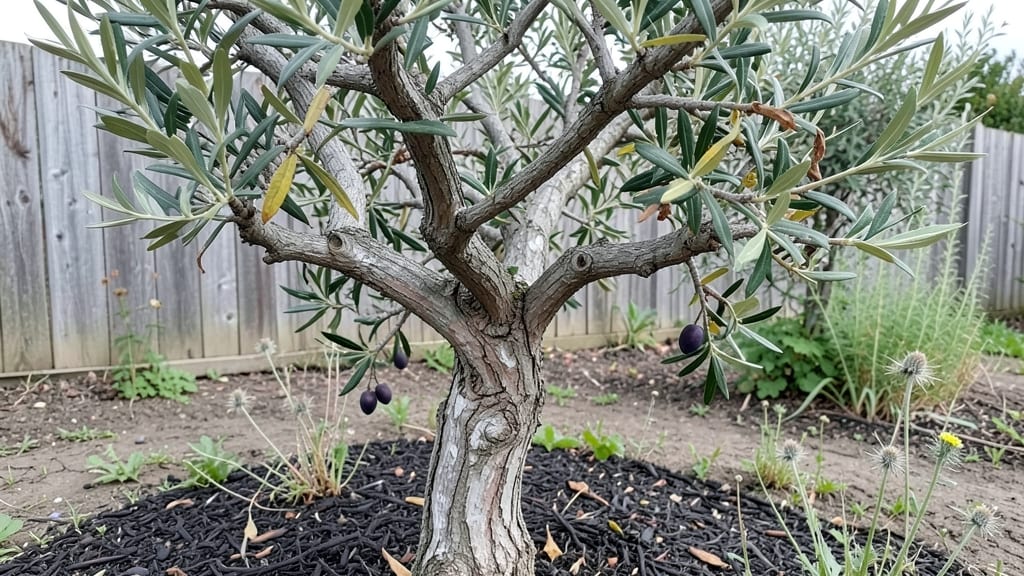
The Olea europaea 'Wilsonii' olive tree brings Mediterranean charm to gardens without the fuss of full-size varieties. 🌿 Its compact size and silvery foliage make it a standout ornamental, while its surprising frost tolerance lets you grow it in zones where traditional olives would struggle.
I planted mine three years ago, and it’s already forming a dense canopy—proof that patience pays off with these slow-and-steady growers.
This isn’t your grandma’s olive tree. 'Wilsonii' stays small (typically 6–10 feet tall), thrives in full sun to partial shade, and handles light frosts down to 15°F—unlike its tender cousins. The soil?
Well-draining and slightly alkaline is ideal, but it’s forgiving if you amend your yard soil with compost. Watering’s the key: deep soaks once a week in summer, then less in winter. Prune lightly after flowering to shape it, but avoid heavy cuts—this tree rewards gentle guidance.
By year five, you’ll have a frost-resistant canopy that’s as pretty as it is practical. The silvery leaves shimmer in sunlight, and while it produces tiny, non-edible olives (great for birds, not for your martinis), the real star is its year-round structure—no messy cleanup like deciduous trees.
Even in colder climates, it holds its shape through winter, making it a low-maintenance star for any landscape.
Best of all, it’s adaptable. Container-grown 'Wilsonii' olives work for patios, while in-ground plantings anchor borders or mix into shrub beds. Just give it space to breathe—its roots run deep, and crowding leads to stress. Ready to grow one that’s tougher than it looks?
📚 In This Guide
- What you need
- Instructions
- Tips and common mistakes
- Wrapping up and next steps
What you need
- ● Olive Tree Seedlings or Cuttings: 1-2 Wilsonii Olive Tree plants (nursery-grown or propagated from cuttings). Look for healthy, 1-2 year old saplings with sturdy stems.
- ● Well-Draining Soil: 50 lbs of cactus/succulent mix or loamy soil with perlite (70% soil, 30% perlite/sand). Avoid heavy clay.
- ● Container or Planting Hole: Container: 15-20 gallon pot with drainage holes (for potted growth).
- ● In-Ground: Dig a hole twice as wide and deep as the root ball.
- ● Fertilizer: 1 lb of balanced, slow-release fertilizer (10-10-10 or 8-3-9) for initial planting. Switch to citrus/olive-specific fertilizer (high in nitrogen) after 3 months.
- ● Mulch: 2-3 cubic feet of wood chips or gravel (to retain moisture and regulate temperature).
- ● Watering Can or Hose: A gentle spray nozzle or drip irrigation kit to avoid overwatering.
- ● Pruning Shears: 1 pair of sterilized, sharp pruning shears (for shaping and deadheading).
- ○ Sun Protection (Optional but Helpful): Shade cloth (30-50%) for the first 2-3 weeks if planting in full sun during extreme heat.
- ● USDA Hardiness Zones: 7-10 (Wilsonii tolerates down to 10°F (-12°C) with proper care!).
- ● Sunlight: Full sun (6+ hours/day). Partial shade is acceptable in hot climates.
- ● Water Access: Drought-tolerant once established, but consistent moisture is key for the first year.
- ○ Wind Break (Optional): Young trees benefit from wind protection (e.g., a fence or nearby structure).
- ● 🔥 Test Your Soil: Use a pH test kit (ideal pH: 6.0-8.0). Amend with lime if soil is too acidic.
- ● ✨ Acclimate Potted Trees: Harden off container-grown plants by exposing them to outdoor conditions for 3-5 days before planting.
- ● 🌡️ Frost Prep: In Zones 7-8, mulch heavily in winter and consider a burlap wrap for young trees.
Step-by-Step instructions for cultivating a hardy Wilsonii olive tree
Here's the method I've used to establish strong, frost-tolerant Wilsonii olive trees that thrive beyond their usual Mediterranean origins.
🌱 Step 1: Select and Prepare the Planting Site
Choose a location with full sun exposure (at least 6-8 hours daily) and well-draining soil. Wilsonii olives tolerate cooler climates better than most varieties, but they still need protection from harsh winter winds. I always test drainage by digging a 12-inch deep hole and filling it with water—if it doesn't drain within 2 hours, amend the soil with 3-4 inches of coarse sand or composted pine bark.
For container growing, select a pot with at least a 20-gallon capacity and drainage holes. A heavy ceramic pot stays stable in wind and retains moisture better than plastic. The first year is critical—young trees need consistent moisture but hate soggy roots. I mix 60% potting soil, 20% perlite, and 20% compost for the best balance of drainage and nutrients.
🪴 Step 2: Plant with Proper Spacing and Support
Dig a hole twice as wide as the root ball but only as deep—planting too deep suffocates the roots. Gently loosen the root ball if it's tightly bound, then place the tree in the center. The top of the root ball should sit 1-2 inches above ground level to prevent water pooling around the trunk.
For multiple trees, space them 15-20 feet apart to allow for mature canopy spread. Install a 6-foot bamboo stake at planting and loosely tie the main trunk with soft tree ties. This prevents wind rock while the roots establish. Water deeply immediately after planting to settle the soil and remove any air pockets around the roots.
☀️ Step 3: Establish a Watering and Fertilizing Routine
Water deeply once weekly during the first growing season, providing 1-2 gallons per tree until the soil is moist 12 inches down. Overwatering is the fastest way to kill a young olive tree—always check moisture by inserting your finger 2 inches into the soil. If it feels dry, water; if damp, wait.
Start fertilizing in early spring with a balanced 10-10-10 fertilizer, applying ½ cup per tree. Switch to a low-nitrogen, high-phosphorus formula (5-10-10) once buds form to encourage flowering. I avoid high-nitrogen fertilizers after the first year—they promote leafy growth at the expense of fruit production.
✂️ Step 4: Prune for Structure and Frost Resistance
Prune in late winter before new growth begins, removing any dead, diseased, or crossing branches. Cut back to the nearest outward-facing bud at a 45-degree angle to encourage proper healing. The goal is to create an open center that allows sunlight and air circulation—this reduces frost damage by preventing ice buildup.
For young trees, limit pruning to 25% of the canopy to avoid stress. I always sterilize pruners with rubbing alcohol between cuts to prevent bacterial infections. In colder climates, wrap the trunk with tree guard after pruning to protect against late-season frosts.
⏰ Step 5: Winterize for Frost Tolerance
Once temperatures drop below 20°F, protect young trees with burlap wraps or frost cloth. Remove any remaining leaves or fruit, which can harbor pests and rot in moisture. I also apply a 2-inch layer of mulch around the base (keeping it 6 inches away from the trunk) to insulate roots and retain moisture.
Mature Wilsonii olives can handle -10°F with proper care, but young trees need extra protection. Here's the thing—don't rush to remove winter protection in spring. Wait until consistent daytime temperatures reach 50°F before uncovering, usually around late April in most climates.
Tips & tricks for cultivating a hardy Wilsonii olive tree
These insider tricks will help you push your Wilsonii olive tree beyond its usual limits—especially in colder climates where most varieties struggle.
Site Selection Wisdom: The 6-8 hours of daily sun requirement is non-negotiable, but here's what I've learned about pushing those limits: Plant near a south-facing wall or fence that absorbs and radiates heat during winter. This can extend your effective sun exposure by 1-2 hours when winter sun is weakest. Also, avoid low spots where cold air pools—even Wilsonii olives dislike soggy feet during winter thaw cycles.
The Drainage Test That Saves Trees: That 2-hour drainage test in Step 1 isn't just theoretical—it's your insurance policy against root rot. If your soil fails, don't just add sand. I've found that mixing in composted hardwood bark (not softwood) creates better long-term structure than pine bark alone. The bark breaks down slowly, maintaining porosity while improving water retention during dry spells.
Winter Protection Layering: When temperatures drop below 20°F, I double up on protection: First wrap the trunk with tree guard, then cover the entire canopy with frost cloth secured with bricks—not just the top. The key is creating an air pocket that traps heat while allowing some light penetration. Remove the frost cloth during the day if temperatures rise above 32°F to prevent overheating, but leave the tree guard in place until spring.
Fertilizer Timing Secret: That switch to low-nitrogen (5-10-10) fertilizer when buds form isn't just about phosphorus—it's about signaling the tree that winter's over. I actually start this transition when I see the first bud swell, not when buds appear. This gives the tree a head start on flowering while still maintaining root strength. And here's the bonus: The phosphorus boost helps young trees establish deeper root systems faster, which is critical for that 5-year frost resistance goal.
Pro Tips for Wilsonii Olive Tree
- These insider tricks will help you push your Wilsonii olive tree beyond its usual limits—especially in colder climates where most varieties struggle.
- This can extend your effective sun exposure by 1-2 hours when winter sun is weakest.
- The Drainage Test That Saves Trees: That 2-hour drainage test in Step 1 isn't just theoretical—it's your insurance policy against root rot.
Frequently asked questions
Got questions about growing a Wilsonii olive tree? You’re not alone! Whether you're a first-time gardener or a seasoned plant enthusiast, these answers will help you navigate common concerns—from planting to long-term care.
How cold can a Wilsonii olive tree tolerate?
The Olea europaea 'Wilsonii' is one of the most frost-resistant olive varieties, surviving down to 10–15°F (-12 to -9°C) with proper acclimation. Young trees benefit from winter mulch or windbreaks, while mature specimens (5+ years) handle cold better. Hardiness zone 7-9 is ideal, but it can thrive in zone 6 with extra protection.
How long does it take for a Wilsonii olive tree to produce fruit?
Patience is key! While the tree matures quickly (reaching canopy size in 5 years), fruit production typically starts between 5–10 years, depending on climate and care. Prune strategically to encourage airflow and sunlight—this boosts flowering. Pro tip: Plant in full sun and maintain consistent moisture for faster fruiting.
What’s the best watering schedule for a young Wilsonii olive tree?
Deep, infrequent watering is critical. Water 1–2 times per week during the first year (more in extreme heat), then taper to every 2–3 weeks once established. Avoid soggy soil—olives hate "wet feet." Troubleshooting: Yellowing leaves? You’re overwatering. Brown edges? Underwatering or salt buildup (flush with rainwater).
Can I grow a Wilsonii olive tree in a container?
Yes! Use a 15–20 gallon pot with drainage holes and well-draining soil (50% potting mix, 30% perlite, 20% compost). Dwarf varieties like 'Wilsonii' adapt well to containers but may need annual repotting and winter protection (move indoors or use frost cloth). Pro tip: Fertilize monthly in spring/summer with a balanced, low-nitrogen formula (10-10-10).
What pests should I watch for with a Wilsonii olive tree?
Olive trees are generally low-maintenance, but keep an eye out for:
- Scale insects: Sticky residue on leaves? Scrape off or use horticultural oil.
- Olive fruit fly: Trap with protein baits if in warm climates.
- Spider mites: Dry conditions? Spray leaves with water and introduce ladybugs.
Are there non-fruiting alternatives to Wilsonii for ornamental use?
If you love the silver foliage and drought tolerance but don’t need fruit, consider:
- Olea europaea 'Little Ollie': Compact, cold-hardy, and non-fruiting.
- Olea europaea 'Gallipoli': Fast-growing with striking variegation.
- Olea europaea 'Frantoio': Classic ornamental with glossy leaves.
Wrapping up and next steps
The Wilsonii olive tree is a fantastic choice for gardeners seeking a low-maintenance, frost-resistant beauty that delivers both shade and culinary rewards. With the right soil, sunlight, and patience, you’ll enjoy a thriving canopy in just five years—plus the bonus of homegrown olives! 🌿
Ready to get started? Plant your tree today and watch it flourish. Need help picking the perfect spot or troubleshooting? Check out our FAQs for extra guidance—your olive tree adventure begins now!