
Pruning
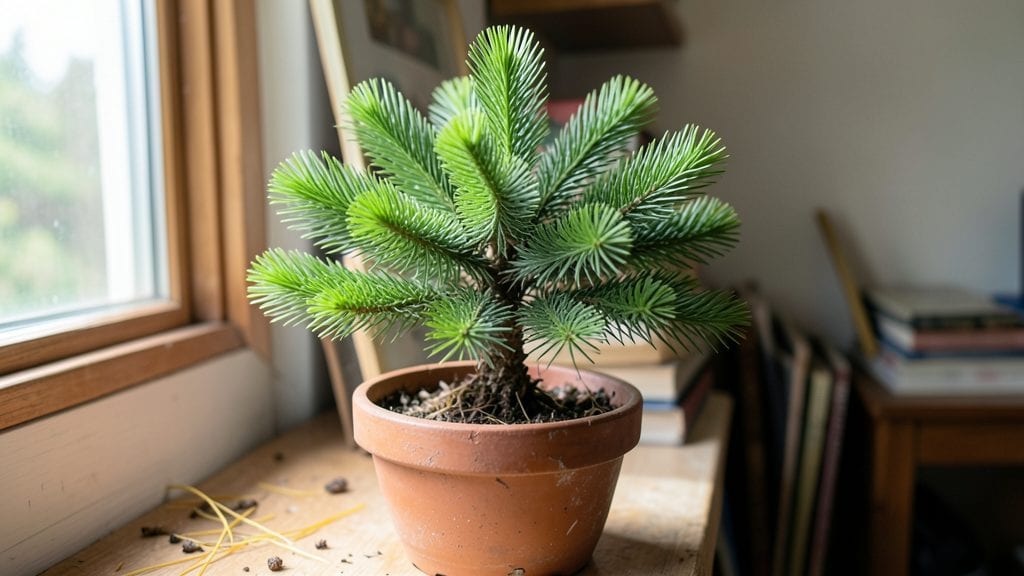
The Xmas tree care secrets I’ve learned here—especially in the Pacific Northwest’s damp, chilly air—start with the right cuts. ✨ I’ve trimmed dozens of trees, and the difference between a tree that lasts through December and one that drops needles by New Year’s is all in the snips.
Year’s comes down to a few sharp snips and smart timing. The key? Pruning for airflow and removing dead branches before frost sets in.
You’ll need basic pruning shears, a ladder (if your tree is tall), and a clear day when temps are above freezing. Start by removing any brown or brittle branches at the base—these won’t regrow and can harbor pests.
Then, thin out crowded branches to let light and air circulate, which keeps needles fresh longer. Even artificial trees benefit from a good shake and dusting to revive their holiday sparkle.
What you’ll end up with is a tree that stays lush, fragrant, and pest-free through the season. Needles stay vibrant, branches hold ornaments without sagging, and you avoid that post-holiday "why did it die so fast?" moment.
For living trees, this care extends their life for years—whether indoors or out in the yard.
This method works for both real and artificial trees, though real trees need extra watering (deep soaks every 2-3 days) and protection from drafts. Pacific Northwest growers swear by this approach—your tree will too. Let’s get those shears ready!
📚 In This Guide
- What you need
- Instructions
- Tips and common mistakes
- Wrapping up and next steps
What you need
- ● Pruning shears: Bypass pruners (sharp, 10-12" blades) for clean cuts. Pro tip: Disinfect with rubbing alcohol between cuts! 💡
- ● Loppers: 1 pair (18-24" reach) for thicker branches (e.g., Douglas fir, Western red cedar).
- ○ Pruning saw: 10-12" curved blade for stubborn limbs (optional but handy for mature trees).
- ● Work gloves: Heavy-duty, cut-resistant (e.g., Mechanix or Tough Outdoors brands).
- ● Ladder: Aluminum extension ladder (20–30 ft) with non-slip feet for tall trees (PNW evergreens can tower!).
- ● Tarps or drop cloths: 1–2 large tarps (10x12 ft) to protect ground from debris.
- ● Anti-desiccant spray: 1–2 gallons (e.g., Wilt-Pruf or Tree Seal) to lock in moisture for cut branches.
- ● Tree stand/watering system: Heavy-duty stand (holds 1+ gallons) or drip irrigation kit for large trees.
- ● Mulch: 3–4 inches of pine bark or wood chips (retains moisture, insulates roots).
- ● Weatherproof twine: 50–100 ft of UV-resistant twine (for securing branches post-prune).
- ● Tree light clips: 10–20 (if decorating; use LED for energy efficiency!).
- ● Root stimulator: 1 bottle (e.g., Rootone) for post-prune recovery.
- ● Camera/phone tripod: To snap before/after pruning pics (because #TreeWin is a real thing!).
Step-by-Step guide for trimming Pacific Northwest Christmas trees
Here’s how to keep your evergreen looking fresh through winter’s frost.
✂️ Step 1: Assess the Tree’s Health Before Trimming
Start by inspecting your tree for signs of stress. Look for dry, brown needles or branches that snap easily—these need removal first. In the Pacific Northwest’s damp climate, overcrowded branches trap moisture, leading to fungal issues. I always check the base for mushrooms or sawdust-like frass (insect droppings), which means pests are already at work.
Use your fingers to gently pull a few needles—if they slide off easily, the tree is healthy. If they resist, the tree is struggling. Healthy trees handle trimming better and bounce back faster from winter’s chill. Mark branches to remove with a small piece of twine or a paint dot; this keeps you organized and prevents over-trimming.
✂️ Step 2: Trim for Airflow and Shape
Begin by removing any dead, diseased, or crossing branches from the bottom up. Use sharp bypass pruners to make clean cuts just outside the branch collar (the swollen area where the branch meets the trunk). Avoid leaving stubs—they invite rot. I like to step back every few cuts to check the tree’s silhouette; the goal is to maintain its natural shape while improving airflow.
For larger branches, use a handsaw to avoid tearing the bark. Thin out the interior to let light and air penetrate—this prevents fungal growth and keeps the tree’s core healthy. In the PNW’s wet winters, poor airflow can turn a tree’s interior into a moldy mess. Limit trimming to no more than 25% of the tree’s foliage in one session to avoid shocking it.
☀️ Step 3: Time Trimming for Frost Resistance
Trim in early fall (September-October) before the first hard frost. This gives the tree time to seal cuts and recover before winter’s stress. Avoid trimming in late fall or winter—new growth in cold weather is weak and frost-sensitive. I also check the weather forecast; trimming right before a rainstorm can stress the tree further.
After trimming, apply a thin layer of wound sealant (like tree sealant) to larger cuts to protect against moisture and pests. Water the tree deeply afterward to help it recover. In the PNW’s rainy season, keeping the soil moist (but not soggy) encourages root growth, which supports the tree’s ability to handle frost.
🌿 Step 4: Post-Trimming Care for Winter Survival
Mulch the base of the tree with 3-4 inches of organic mulch (like bark chips) to insulate roots from freezing temperatures. Keep mulch 6 inches away from the trunk to prevent rot. In windy PNW areas, consider wrapping the trunk with tree guard to protect it from drying winds and rodent damage.
Monitor the tree through winter for signs of stress, like needle drop or bark splitting. If branches look brittle, they may have frost damage—avoid heavy pruning until spring. Fertilize lightly in early spring (March-April) with a balanced, slow-release fertilizer to encourage new growth. The tree’s resilience depends on how well it recovers from winter’s chill.
Tips & tricks for perfect Christmas tree trimming
Your PNW evergreen deserves careful attention—these tricks will help it thrive through winter's chill.
Health Check First: In Step 1, when you're assessing your tree, don't overlook the underside of branches. Flip them over to check for spider webs or tiny eggs—common signs of pests in PNW trees. I've seen trees that looked healthy from the outside but were riddled with insects underneath. This is especially important for Douglas firs, which are particularly vulnerable to bark beetles in our damp climate.
Tool Sharpness Matters: For Step 2, your pruners and saw need to be sharper than you think. Dull tools tear bark and create jagged cuts that heal poorly. Test your tools by cutting a piece of paper—if it tears instead of cleanly slicing, your tools need sharpening. I keep a small file in my toolkit specifically for this purpose. Clean cuts are the first step to preventing fungal infections in our wet winters.
Timing Your Trimming: The September-October window in Step 3 is non-negotiable for PNW trees. I've learned this the hard way—after trimming a tree in November, it lost nearly 40% of its needles by Christmas. The tree needs at least 6-8 weeks to seal cuts before winter sets in. Check your local frost date and trim at least 6 weeks before the first expected hard freeze.
Mulch Placement Pro Tip: When applying your 3-4 inches of mulch in Step 4, create a slight mound around the tree's drip line (the edge of the tree's canopy). This helps direct water away from the trunk while still insulating the roots. I've seen many trees in the PNW suffer from rot because mulch was piled directly against the trunk—this creates the perfect conditions for moisture to linger.
Pro Tips for Xmas Tree Care
- Your PNW evergreen deserves careful attention—these tricks will help it thrive through winter's chill.
- Health Check First: In Step 1, when you're assessing your tree, don't overlook the underside of branches.
- Tool Sharpness Matters: For Step 2, your pruners and saw need to be sharper than you think.
Frequently asked questions
Got questions about keeping your Pacific Northwest Xmas trees lush and frost-resistant? Here are some common ones—plus quick answers to keep your greenery thriving!
When should I trim my Xmas tree for best frost resistance?
Trim your tree in late winter or early spring (February–March) before new growth starts. This timing helps the tree recover faster and strengthens its frost resistance. Avoid heavy pruning in fall—it can stress the tree before winter.
How do I protect my Xmas tree from frost damage?
Mulch the base with 3–4 inches of organic mulch (like wood chips) to insulate roots. Water deeply before the first hard frost, and avoid pruning too late in the season. Wrap young trees with tree guards for extra protection.
Can I use a real Xmas tree as a living hedge or privacy screen?
Yes! Many evergreens like Douglas fir, grand fir, or western red cedar thrive as hedges. Shear lightly in spring and avoid over-trimming. Space saplings 3–5 feet apart for a dense, frost-resistant screen in 5–10 years.
What’s the best way to prune a mature Xmas tree without harming it?
Use clean, sharp pruners and cut just above a bud or branch collar. Remove dead, crossing, or overcrowded branches first. Never remove more than 25% of the canopy in one go—gradual trimming prevents stress.
Are there frost-resistant Xmas tree alternatives for PNW gardens?
Try Pacific yew, Alaska cedar, or mountain hemlock—they handle PNW winters like pros. For color, Oregon grape holly or evergreen huckleberry add year-round interest with minimal care.
Still stumped? Drop your tree-care dilemma below—we’ve got you covered!
Wrapping up and next steps
Caring for your frost-resistant Christmas tree in the Pacific Northwest doesn’t have to be a chore—it’s all about timing, technique, and tender love. From choosing the right tools to mastering pruning and winter prep, you now have the blueprint to keep your tree thriving year after year. 🌲❄️
Ready to put your new skills into action? Start by inspecting your tree this weekend—trim those overgrown branches, check for pests, and give it a good drink of water. Your tree (and your holiday spirit!) will thank you.