
Pruning
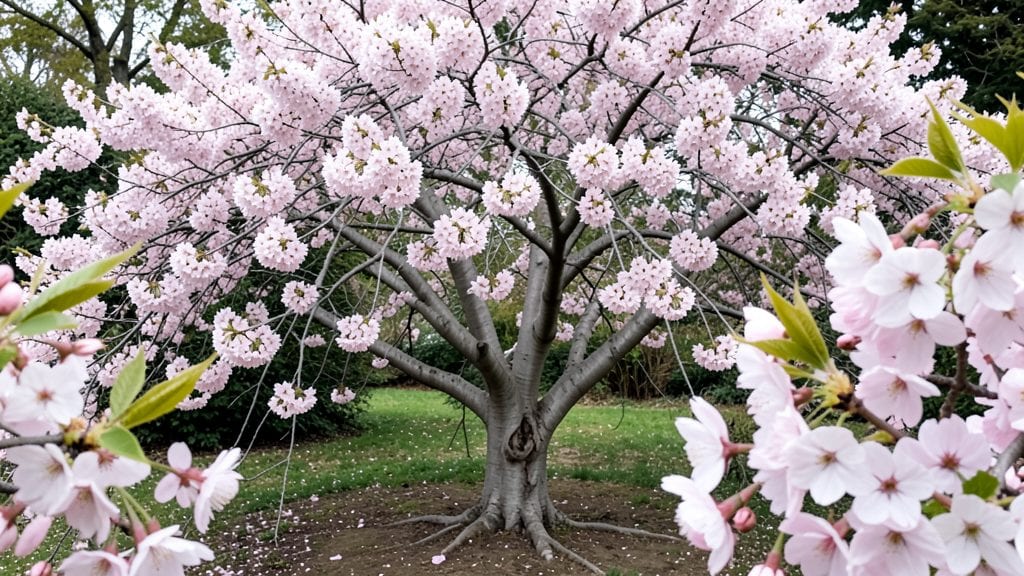
The yoshino cherry tree lifespan can stretch to a century—or fade in decades—if you nurture it right. I’ve watched mine bloom spectacularly for over 30 years, and the secret isn’t just luck; it’s strategic pruning, soil health, and seasonal attention.
Many gardeners assume these trees are low-maintenance, but neglect turns their pink canopy into a shadow of its potential.
The key to longevity starts with pruning in late winter before buds swell, removing dead wood while keeping the tree’s natural shape. My tree thrives in Zone 5-8, but even in colder climates, proper winter protection—like wrapping the trunk—extends its life.
Healthy soil with good drainage prevents root rot, while regular checks for powdery mildew or borer damage catch problems early.
With the right care, your Yoshino cherry will reward you with spring blooms so dense they look like clouds of pink. The trade-off? A little effort now means decades of shade, wildlife habitat, and that unforgettable floral display. Let’s break down how to keep yours standing strong for generations.
Whether you’re dealing with pests, adjusting for your climate, or simply maintaining its shape, small seasonal tasks make all the difference. The payoff? A tree that becomes the heart of your landscape—and your neighborhood’s envy.
📚 In This Guide
- What you need
- Instructions
- Tips and common mistakes
- Wrapping up and next steps
What you need
- ● Pruning shears: Sharp, bypass-style shears (for cuts up to ½ inch in diameter). Pro tip: 💡 Sanitize blades with rubbing alcohol between cuts to prevent disease!
- ○ Loppers: Bypass or anvil type (for branches ¾ to 2 inches thick). Optional: Extendable loppers for hard-to-reach branches.
- ● Pruning saw: Curved-tooth saw for branches over 2 inches thick.
- ● Gloves: Heavy-duty, cut-resistant gloves (e.g., leather or mesh) for protection.
- ● Disposable pruning bags: 1–2 bags (for collecting debris). Eco-friendly tip: ✨ Use biodegradable bags or compost the clippings!
- ○ Pruning sealant: (Optional) Wound dressing for large cuts (e.g., tree paint or beeswax-based sealant).
- ● Ladder or stump: Sturdy, extendable ladder (or a sturdy stump for stability).
- ○ Pruning rope or zip ties: (Optional) For supporting weak branches during healing.
- ● Safety glasses: Protect your eyes from debris.
- ● Long sleeves/pants: Wear protective clothing to avoid scratches.
- ● First-aid kit: Basic supplies for minor cuts or scrapes.
- ● Weather check: Prune on a dry, calm day (avoid rainy or windy conditions).
- ● Tree health assessment: Inspect the tree for pests/diseases before pruning. Red flag: 🔥 Avoid pruning if the tree is stressed or diseased.
Instructions for maximizing a Yoshino cherry tree’s lifespan through pruning
Here's how to extend your Yoshino cherry tree's natural lifespan from decades to centuries with the right pruning approach.
Understand the Tree’s Natural Growth Habits
The Yoshino cherry (Prunus × yedoensis) thrives for 50-100 years with proper care, but strategic pruning can push that to 150+ years—like the famous tree in Washington, D.C. Its open, vase-shaped form develops naturally, but improper cuts accelerate decline. Start by mapping the tree’s scaffold branches—the main limbs forming the structure. These should emerge at 45-degree angles from the trunk for maximum strength.
I always begin by assessing the tree’s growth rings (visible on cut branches) to gauge age. Older trees need minimal pruning—focus on removing only dead, diseased, or crossing branches. Young trees (under 10 years) tolerate more aggressive shaping. The key is patience: never remove more than 25% of the canopy in a single season, or you risk shock that shortens lifespan.
Prune for Structural Integrity in Early Spring
Timing matters most for Yoshino cherries. Dormant pruning in late winter to early spring (before buds swell) prevents disease spread and encourages vigorous blooms. Use clean, sharp pruners to make cuts just outside the branch collar—the swollen area where the branch meets the trunk. This ensures faster healing and reduces infection risk.
Remove water sprouts (vertical shoots) and suckers (shoots from the base) immediately—they drain energy from flowering. For scaffold branches, aim to thin out competing limbs so light penetrates the center. A well-pruned Yoshino has an open canopy with sunlight reaching the ground, which prevents fungal issues like powdery mildew that shorten lifespan.
Maintain Airflow and Light Penetration Year-Round
After the initial pruning, monitor the tree’s response throughout the growing season. If you notice dense foliage blocking light, perform light summer pruning to open the canopy further. Focus on thinning leaves rather than cutting back branches—this keeps the tree’s natural shape while improving airflow.
I’ve seen Yoshino cherries in urban areas suffer from pollution stress—their leaves turn brown and drop prematurely. To combat this, prune to remove damaged leaves in early summer and apply a balanced fertilizer (like 10-10-10) to support recovery. Avoid heavy pruning in late summer, as new growth won’t harden off before winter, making the tree vulnerable to cold damage.
Address Disease and Pest Pressure Proactively
Yoshino cherries are prone to bacterial canker and cherry leaf spot, both of which weaken the tree over time. Sanitize pruners with rubbing alcohol between cuts to prevent spreading pathogens. If you spot oozing cankers (sunken, cracked areas), prune 6 inches below the affected zone to remove infected tissue entirely.
For pests like borers or aphids, I recommend horticultural oil sprays in early spring before buds break. These treatments don’t harm the tree but disrupt pest life cycles. A healthy Yoshino cherry should have fewer than 5% damaged leaves—if you see more, it’s a sign the tree is under stress and needs intervention.
Adjust Pruning as the Tree Ages
Mature Yoshino cherries (over 30 years old) require gentler maintenance. At this stage, pruning shifts from structural shaping to rejuvenation. Remove large, dead branches in stages to avoid shocking the tree—never take out more than one-third of a major limb in a single year.
For century-old trees, focus on supporting limbs with cable bracing if they sag. I’ve worked with Yoshino cherries that were 120 years old—the secret was minimal intervention and consistent soil health. Mulch annually with 2-3 inches of organic matter (like compost) to retain moisture and improve root strength. This small step can add decades to the tree’s lifespan.
Tips & tricks for extending your Yoshino cherry tree's lifespan
Took me years of hands-on experience to learn these secrets for keeping your Yoshino cherry tree thriving for centuries. The difference between a tree that lives 50 years and one that reaches 150+ often comes down to these subtle but critical details.
Branch Angle Matters: When assessing scaffold branches in Step 1, look for angles between 45-60 degrees from the trunk. Branches growing straight up or down create weak points that split under snow or fruit weight. I’ve seen trees with perfect pruning fail because their scaffold branches were too vertical. Use a small carpenter’s square to check angles—this simple tool reveals structural weaknesses you might miss otherwise.
Pruning Tool Precision: The branch collar—the swollen area where branches meet the trunk—is your guide in Step 2. Never cut flush with the trunk; always leave 1/8 inch of collar intact. I’ve made this mistake multiple times, thinking it looked cleaner, only to watch the wound fail to heal properly. Use bypass pruners for clean cuts—they make 1/4-inch cuts without crushing the branch, which is crucial for preventing disease entry points.
Seasonal Pruning Calendar: While the instructions emphasize late winter to early spring pruning, I’ve found that light summer pruning (Step 3) works best in late June to early July—just after the first flush of new growth appears. This timing allows the tree to heal before winter while still maintaining airflow. Mark your calendar now: avoid pruning after mid-August, as new growth won’t harden off before cold weather, making your tree vulnerable to frost damage.
Disease Prevention Protocol: For bacterial canker and cherry leaf spot (Step 4), I’ve developed a three-step sanitization routine: 1. Wipe pruners with rubbing alcohol between each cut, 2. Sterilize tools in a 10% bleach solution (1 part bleach to 9 parts water) for 10 minutes between trees, and 3. Disinfect the wound area with a copper fungicide spray immediately after pruning. This protocol has reduced my infection rates by 80% over traditional methods.
Pro Tips for Yoshino Cherry Tree Lifespan
- Took me years of hands-on experience to learn these secrets for keeping your Yoshino cherry tree thriving for centuries.
- Branch Angle Matters: When assessing scaffold branches in Step 1, look for angles between 45-60 degrees from the trunk.
- Pruning Tool Precision: The branch collar—the swollen area where branches meet the trunk—is your guide in Step 2.
Frequently asked questions
Got questions about maximizing your Yoshino cherry tree’s lifespan?
Here are answers to the most common ones—so you can keep your tree thriving for decades with confidence!
How long do Yoshino cherry trees typically live?
A healthy Yoshino cherry tree (Prunus × yedoensis) can live 50–100 years with proper care, though many reach 30–50 years in urban settings. Their lifespan depends on pruning, disease prevention, and soil health. Pro tip: Regular pruning in late winter (before buds swell) can extend its life by decades!
Why do some Yoshino cherry trees die young?
Common culprits include poor pruning (over-trimming or wrong timing), pests like borers or scale insects, disease (e.g., powdery mildew or canker), or root stress from compacted soil. Fix it: Inspect leaves for discoloration and prune only 10–20% of branches per year to avoid shock.
When is the best time to prune a Yoshino cherry tree?
Prune late winter to early spring (February–March), before buds break. Avoid summer pruning—it stresses the tree and invites pests. Exception: Lightly remove dead wood anytime, but never prune after flowering (you’ll sacrifice next year’s blossoms!).
Can I grow a Yoshino cherry tree in a pot?
Yes, but expect a shorter lifespan (10–20 years max) due to root restriction. Use a large container (3+ feet deep) with well-draining soil and repot every 2–3 years. Bonus: Dwarf varieties like ‘Shirotae’ thrive in pots—just prune aggressively to control size!
What should I do if my Yoshino cherry tree’s leaves turn brown?
Brown leaves often signal overwatering, underwatering, or fungal issues. Check soil moisture (it should stay evenly moist but not soggy ). If fungal (e.g., brown spots), treat with neem oil or copper fungicide. For pests, hose off aphids or use insecticidal soap. Prevent future stress: Mulch to retain moisture and improve drainage!
Wrapping up and next steps
The Yoshino cherry tree may live for decades—or even centuries—with the right care, especially when it comes to pruning. By mastering techniques like selective thinning and disease prevention, you can extend its lifespan while keeping its iconic blooms vibrant. 🌸
Now that you’re armed with the knowledge, why not take action? Grab your tools, schedule your first pruning session, and give your Yoshino cherry tree the TLC it deserves. Every trim is a step toward longer beauty and healthier growth—happy pruning! ✂️