Pruning
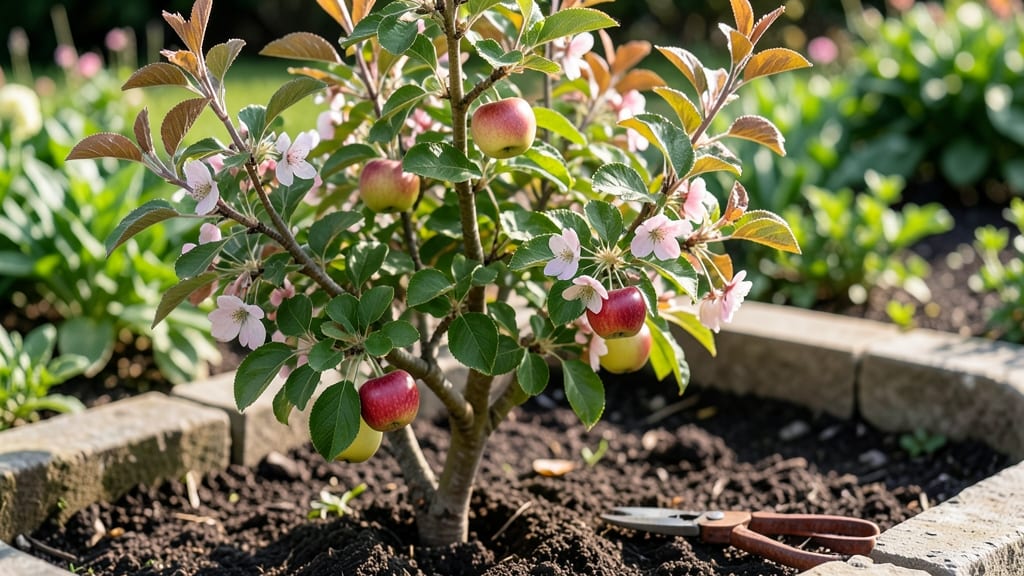
Transforming your backyard into a year-round apple orchard starts with a shrub-form apple tree—compact, productive, and perfect for small spaces. 🌱 I planted my first dwarf apple tree last spring, and within months, I was harvesting apples from a plant that fits in a 5-gallon container.
The secret isn’t just the variety; it’s the pruning that keeps them small, open, and bursting with fruit.
These trees thrive where standard apple trees fail—urban patios, small yards, or even large containers. You’ll need well-draining soil, a sunny spot with at least 6 hours of sunlight daily, and regular pruning to encourage bushy growth.
The payoff? A single tree can produce 50-100 apples per season—enough for fresh eating, baking, or sharing with neighbors.
Pruning isn’t just about shaping; it’s about maximizing fruit production. By removing crowded branches and thinning out excess fruit early, you’ll avoid biennial bearing (that frustrating year of almost no apples).
My tree now yields consistently, and the fruit stays accessible—no ladder required. The key is timing: prune in late winter or early spring before new growth starts.
Even in tight spaces, these trees handle pests and diseases better than their full-sized cousins. With the right care, you’ll enjoy harvests for decades—and the satisfaction of growing apples without the space of a traditional orchard. Ready to start? Let’s get those shears out.
📚 In This Guide
- What you need
- Instructions
- Tips and common mistakes
- Wrapping up and next steps
What you need
- ● Pruning shears: Bypass pruners (sharp, clean, and disinfected with rubbing alcohol or bleach). Quantity: 1 pair (or 2 if working with large branches).
- ● Loppers: For thicker branches (1–2 inches in diameter). Quantity: 1 pair.
- ● Hand saw: Pruning saw with a fine-toothed blade for stubborn branches. Quantity: 1.
- ● Gloves: Heavy-duty, cut-resistant gloves to protect your hands. Quantity: 1 pair.
- ○ Pruning sealant: Optional but helpful for sealing larger cuts (e.g., Tanglefoot Tree Wound Pruning Seal). Quantity: Small bottle.
- ● Disinfectant: 70% isopropyl alcohol or bleach solution (1 part bleach to 9 parts water) to sterilize tools between cuts. Quantity: Small spray bottle or container.
- ● Twine or zip ties: For supporting branches if needed. Quantity: 1 roll.
- ● Knowledge of tree anatomy: Familiarize yourself with terms like leader, scaffold branches, and water sprouts (free resources like Extension.org are great!).
- ● Weather check: Prune on a dry, cloudy day to reduce stress on the tree. Avoid pruning during frost or extreme heat.
- ○ Safety gear (optional): Safety glasses (if working near the ground or with a ladder).
- ● Long sleeves/pants to protect against thorns or sap.
- ● Tree health assessment: Inspect your apple tree for diseases (e.g., fire blight, apple scab) or pests before pruning. Treat issues first if spotted!
- ● Notebook & pen: To jot down notes on cuts made or observations (helpful for tracking progress over years!).
Step-by-step pruning guide for your apple tree shrub
Transform your apple tree shrub into a fruit-bearing powerhouse with these simple pruning techniques.
🌱 Step 1: Understand the Right Time to Prune
Prune your apple tree shrub during late winter or early spring, just before buds begin to swell. This is when the tree is dormant but ready to focus energy on new growth. Avoid pruning in fall—it invites disease and pests that love lingering moisture.
If you must prune in summer, do it immediately after harvest to redirect energy toward next year's fruit. Never prune in extreme heat or cold. I always check the weather forecast first—pruning on a calm, dry day prevents stress on the plant.
✂️ Step 2: Remove Dead, Diseased, or Crossing Branches
Start by cutting out any dead, diseased, or broken branches first—they sap energy from healthy growth. Use clean, sharp pruning shears to make cuts at a 45-degree angle just above a bud or outward-facing branch. This encourages proper healing and directs new growth.
Next, remove branches that cross or rub against each other. Friction creates wounds where disease can enter. Look for branches growing inward—they’ll block light and air circulation. I like to step back occasionally to visualize the shrub’s shape and ensure an open center for sunlight.
☀️ Step 3: Shape for Airflow and Light Penetration
Open the center of the shrub by thinning out crowded branches. Aim for a vase-like shape that allows sunlight to reach all parts of the plant. Remove any branches growing straight up or down—they create weak, shaded spots. Cut just outside the branch collar, where the branch meets the trunk.
For a more compact shrub, shorten the outer branches by about one-third to encourage bushier growth. Avoid heavy pruning—never remove more than 25% of the foliage in one session. You’ll see new shoots emerge within weeks, signaling the tree is responding well.
🌿 Step 4: Encourage Fruit Production with Strategic Cuts
Focus on keeping 3-5 strong, outward-facing branches per main stem. These will bear the most fruit. Prune back any overly vigorous shoots that grow straight up—they compete with fruit-bearing branches. Cut just above a leaf bud or lateral branch to redirect energy.
If your shrub has too many small, weak branches, remove them entirely. Stronger branches will take over and produce better fruit. I always prune just after harvest to give the tree time to recover before winter. This ensures next year’s blossoms get the best start.
Tips & tricks for perfect apple tree shrub pruning
Real talk: Pruning an apple tree shrub feels intimidating at first, but these tricks will help you avoid common mistakes and keep your plant thriving.
Timing is Everything: The late winter/early spring window (just before buds swell) is non-negotiable for best results. I've seen beginners prune in fall and end up with more pests than fruit. If you must prune in summer, do it immediately after harvest—this gives the tree time to recover before winter stress sets in. Always check the weather first; calm, dry days prevent stress on the plant.
Tool Prep Makes All the Difference: Your pruning shears need to be sharper than your focus. Dull blades tear wood, creating larger wounds that invite disease. I like to clean my shears with rubbing alcohol between cuts—this prevents cross-contamination of any potential diseases. Also, make sure your tools are the right size for the job; small bypass pruners work best for branches up to ½-inch thick.
Visualize the Final Shape: Before making any cuts, step back and visualize your shrub's ideal shape. I like to imagine a vase—wider at the top, narrower at the base. This open center allows sunlight to reach all branches, which means more fruit. Mark your cuts with a piece of tape if you're unsure, then remove the tape before cutting to avoid mistakes.
Post-Pruning Care: After you've finished, give your shrub a good watering to help it recover. I've found that applying a thin layer of mulch around the base (but not touching the trunk) helps retain moisture and prevent weeds. Avoid heavy fertilizing right after pruning—let the tree focus on healing first.
Pro Tips for Apple Tree Shrub
- Real talk: Pruning an apple tree shrub feels intimidating at first, but these tricks will help you avoid common mistakes and keep your plant thriving.
- Timing is Everything: The late winter/early spring window (just before buds swell) is non-negotiable for best results.
- Tool Prep Makes All the Difference: Your pruning shears need to be sharper than your focus.
Frequently asked questions
Got questions about growing and maintaining an apple tree shrub? You’re not alone!
Here are some of the most common queries—plus straightforward answers to help you cultivate a thriving, fruitful mini-orchard.
Can I grow an apple tree shrub in a container?
Many dwarf apple tree varieties (like ‘Columnar’ or ‘Semi-Dwarf’) thrive in large containers (15+ gallons). Just ensure it has drainage holes, use well-draining soil, and move it to a sunny spot in winter if temperatures drop below 10°F. Pro tip: Rotate the pot occasionally for even sunlight exposure!
How long does it take for an apple tree shrub to bear fruit?
Patience pays off! Most dwarf apple tree shrubs produce fruit within 2–3 years of planting, though some may take up to 5 years, depending on variety and care. Choose early-bearing cultivars like ‘Anna’ or ‘GoldRush’ for faster rewards. Fun fact: Some shrubs even fruit in their first year!
When’s the best time to prune an apple tree shrub?
Prune during late winter or early spring (before buds swell) to shape the shrub and remove dead wood. Light summer trimming can encourage new growth, but avoid heavy cuts—this stresses the plant. Warning: Never prune when frost is expected; wounds take longer to heal in cold weather.
What pests or diseases should I watch for in apple tree shrubs?
Common issues include aphids, apple scab, and fire blight. Monitor for yellowing leaves, black spots, or oozing cankers. Treat aphids with soapy water; for fungal diseases, use copper fungicide. Prevention tip: Space shrubs properly (6–10 ft apart) to improve airflow and reduce humidity-related problems.
Can I grow multiple apple tree shrubs together for cross-pollination?
Yes! Planting two compatible varieties (e.g., ‘Honeycrisp’ + ‘Gala’) ensures better fruit set. Even a single shrub may produce fruit, but cross-pollination boosts yield and quality. Bonus: Mixing varieties adds diversity to your harvest—imagine fresh apples in summer and fall!