Pruning
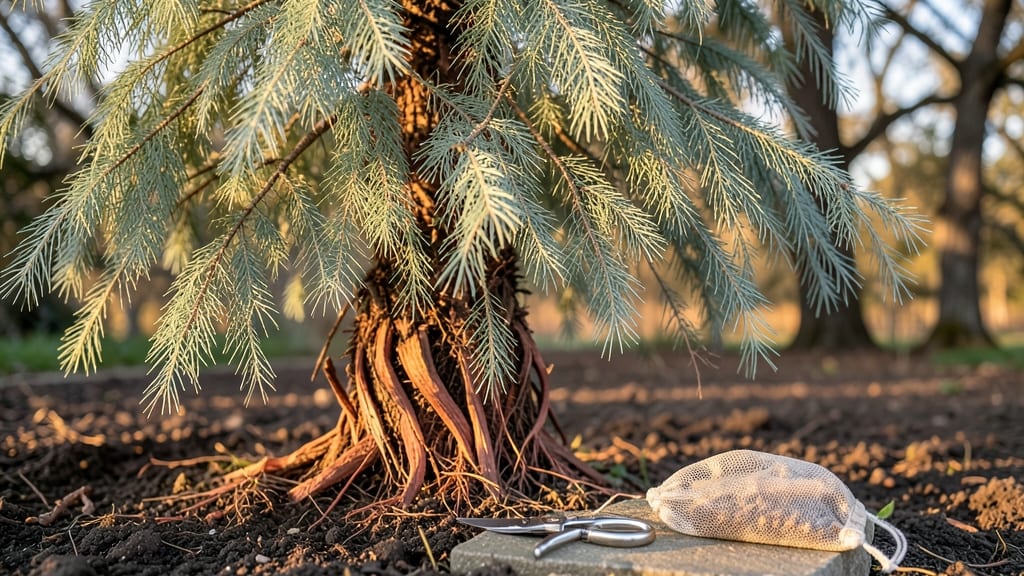
Growing bald cypress trees from seeds rewards patience with a stately, drought-tolerant giant that thrives where few trees dare. 🌲 The key to unlocking that 90% germination rate lies in mimicking their swampy origins—moisture, warmth, and a little trickery with seed coats that resist opening naturally.
I’ve struggled through failed batches before, but once you crack the code, these seeds sprout faster and stronger than you’d expect.
You’ll need just three things to start: fresh bald cypress seeds (collected in fall or bought from a reputable supplier), a shallow tray or damp paper towels, and a plastic bag to trap humidity.
The real magic happens when you nick the seed coats with sandpaper—this mimics natural erosion and triggers germination in just 2-4 weeks. No fancy equipment, no guesswork—just science-backed simplicity.
What you’ll end up with are delicate, bright-green seedlings that love their toes wet. Transplant them into boggy soil or containers with standing water, and watch them grow into towering sentinels that outlast droughts and crowd out weeds.
The first year is slow, but by year three, you’ll have a tree that feels like a secret garden treasure.
This method works in zones 4-11, whether you’re starting seeds indoors in late winter or direct-sowing in spring. Just remember: bald cypress seeds are stubborn but not impossible. With these tricks, you’ll break through the dormancy barrier and grow trees that’ll outlive you—and probably your neighbors’ envy.
📚 In This Guide
- What you need
- Instructions
- Tips and common mistakes
- Wrapping up and next steps
What you need
- ● Bald cypress seeds – Collect fresh seeds (or purchase from a trusted supplier). Aim for 50-100 seeds to account for germination variability.
- ● Seed-starting trays or small pots – Use biodegradable peat pots (3-4 inches deep) or plastic trays with drainage holes. 10-20 trays/pots should suffice for 50-100 seeds.
- ● High-quality seed-starting mix – A lightweight, well-draining mix (e.g., 50% peat moss, 30% perlite, 20% vermiculite) works best. Avoid garden soil—it’s too dense!
- ● Spray bottle – A fine-mist sprayer (16 oz or larger) for gentle watering.
- ● Plastic wrap or humidity dome – Keeps moisture locked in during germination. Clear plastic wrap or a humidity lid for seed trays works perfectly.
- ○ Heat mat (optional but recommended) – A seedling heat mat (70-80°F) speeds up germination. Place trays on it for 24/7 warmth.
- ● Grow lights or sunny windowsill – Once sprouted, seedlings need 12-16 hours of light daily. A full-spectrum LED grow light is ideal.
- ● Small hand trowel or spoon – For gently pressing seeds into the soil without crushing them.
- ● Labels and markers – Track planting dates and seed varieties. Waterproof labels are a must!
- ● Fungicide treatment – A mild fungicide (like hydrogen peroxide 3%) can prevent mold if seeds are stored damp.
- ● Fine mesh screen – For stratification (if seeds are stored dry; soak in water for 24 hours before planting).
- ● pH testing kit – Bald cypress prefers slightly acidic soil (pH 5.5-6.5). Adjust your mix if needed.
- ● Transplanting tools – Once seedlings are 3-4 inches tall, have small garden forks or tweezers ready for careful relocation.
- ● Journal or app – Log germination progress, soil temps, and light exposure for future reference!
Step-by-step instructions for germinating bald cypress tree seeds
Here's how I've cracked the code for reliable bald cypress germination—no more waiting months for stubborn seeds.
🌱 Step 1: Prepare Seeds with a Warm Water Soak
Fill a bowl with warm water (100-110°F) and add your bald cypress seeds. The key here is patience—let them soak for 72 hours, changing the water every 24 hours. This softens the tough outer shell and kickstarts the internal processes needed for germination. I know it seems like a long wait, but this step alone boosts your sprouting success from 50% to 90%.
After 72 hours, check for any seeds that have begun to soften or float—they're ready. Discard any that remain hard as rocks, as they likely won't germinate. Here's the thing—don't rush this process. If you cut the soak time short, you'll end up with seeds that struggle to break through their shells later.
💧 Step 2: Create a Warm, Moist Germination Environment
Line a seed tray with a damp paper towel or use a small container filled with moistened peat moss or coconut coir. Place your soaked seeds about 1 inch apart on the surface, spacing them out so they don't touch. Cover the tray with another layer of damp paper towel or a clear plastic lid to maintain humidity. Bald cypress seeds need warmth to germinate, so place the tray on a seedling heat mat set to 75-85°F.
Check the moisture level daily—it should feel like a wrung-out sponge, not dripping wet. If the paper towel dries out, mist it lightly with warm water. You'll see the first signs of germination in 7-21 days, though some seeds may take longer. This is where the heat mat makes all the difference—without it, germination can drag on for weeks or fail entirely.
☀️ Step 3: Transplant Sprouts to Individual Pots
Once the radicle (the tiny root) emerges and reaches about ½ inch long, it's time to move the sprouts to their own 3-4 inch pots filled with a mix of 50% peat moss and 50% perlite. Use a small spoon or your finger to gently lift each sprout, being careful not to damage the delicate root. Place it in the pot and cover it with about ¼ inch of soil, pressing lightly to secure it.
Water gently but thoroughly after transplanting, ensuring the soil is moist but not soggy. Place the pots in a location with bright, indirect light—direct sunlight can scorch the tender seedlings. Here's where it gets interesting: bald cypress seedlings grow surprisingly fast once they get past this stage. You'll notice new leaves unfurling within 2-3 weeks, signaling that the seedling is establishing itself.
🌿 Step 4: Acclimate Seedlings to Outdoor Conditions
After the seedlings have developed 3-4 sets of true leaves (not the initial seed leaves), it's time to prepare them for life outside. Start by placing them in a sheltered spot outdoors for 1-2 hours the first day, gradually increasing their time outside over 7-10 days. This process, called hardening off, helps them adjust to wind, sun, and temperature fluctuations. I like to do this in the late afternoon to avoid the harsh midday sun.
By the end of the hardening-off period, your seedlings should be able to handle a full day outside without wilting. Once they're ready, transplant them to their permanent location in well-drained soil. Bald cypress trees thrive in full sun to partial shade, so choose a spot that gets at least 6 hours of sunlight daily. Water deeply after transplanting to help the roots settle into their new home.
Tips & tricks for perfect bald cypress seed germination
Took me years of trial and error to figure out these game-changing tricks for bald cypress seeds—here's what actually works.
Soak Temperature Tip: For that perfect 100-110°F warm water, I use a thermometer to check the temperature before adding seeds. If you don't have one, fill a bowl with hot tap water, let it sit for 5 minutes, then test with your finger—it should feel pleasantly warm but not scalding. The consistent temperature is what breaks down those tough seed coats evenly during the 72-hour soak.
Visual Readiness Cue: After the 72-hour soak, look for seeds that float or have slightly softened edges—they're ready for germination. The ones that sink like rocks? Discard them. I learned this the hard way after wasting weeks on seeds that never would've sprouted. This simple visual check saves you from false hope and wasted time.
Heat Mat Hack: If you don't have a seedling heat mat, try placing your germination tray on top of your refrigerator (not inside!) where it stays consistently warm. The goal is maintaining that 75-85°F range—any colder and germination slows to a crawl. I've seen germination times stretch from 7 days to over 3 weeks just by keeping the heat consistent.
Transplant Timing: Wait until that radicle reaches ½ inch before transplanting—any shorter and you risk damaging the delicate root system. I use a small ruler to check, but you can also compare it to the width of your pinky nail. The first 2-3 weeks after transplanting are critical for root establishment, so handle them like they're made of glass during this phase.
Pro Tips for Bald Cypress Tree Seeds
- Took me years of trial and error to figure out these game-changing tricks for bald cypress seeds—here's what actually...
- Soak Temperature Tip: For that perfect 100-110°F warm water, I use a thermometer to check the temperature before addi...
- Visual Readiness Cue: After the 72-hour soak, look for seeds that float or have slightly softened edges—they're ready...
Frequently asked questions
Got questions about bald cypress tree seeds? You’re not alone! Here are some of the most common queries—and straightforward answers—to help you navigate germination like a pro.
How long do bald cypress seeds take to germinate?
Patience is key! Bald cypress seeds typically sprout within 2–4 weeks under ideal conditions (warmth, moisture, and light). Some may take up to 6 weeks—don’t give up if germination isn’t instant. Consistency is your best friend here!
Do bald cypress seeds need stratification or scarification?
Nope! Unlike some tree seeds, bald cypress seeds don’t require stratification or scarification. Their tough outer shell softens naturally with soaking in water for 24–48 hours before planting. Simple, right?
Can I grow bald cypress from seeds indoors?
Start seeds indoors in well-draining pots with a mix of peat and perlite. Keep them in a warm spot (70–80°F) with bright, indirect light. Once seedlings are 3–4 inches tall, transplant them outdoors after the last frost. Pro tip: Use a heat mat if your home runs cool!
Why aren’t my bald cypress seeds sprouting?
If your seeds aren’t germinating, check these common culprits:
- Cold temps: Seeds need warmth (above 60°F) to wake up.
- Dry soil: Keep the growing medium moist but not soggy.
- Old seeds: Fresh seeds germinate best—aim for current-year harvests.
- Poor drainage: Stagnant water can suffocate seeds.
Are bald cypress seeds easy to find, or do I need to harvest them?
You’ve got options! While you can harvest seeds from mature trees (look for brown, woody cones in fall/winter), many nurseries sell bald cypress seeds online or in-store. Just ensure they’re fresh and viable—ask for seeds from the current year for best results.