
Trees
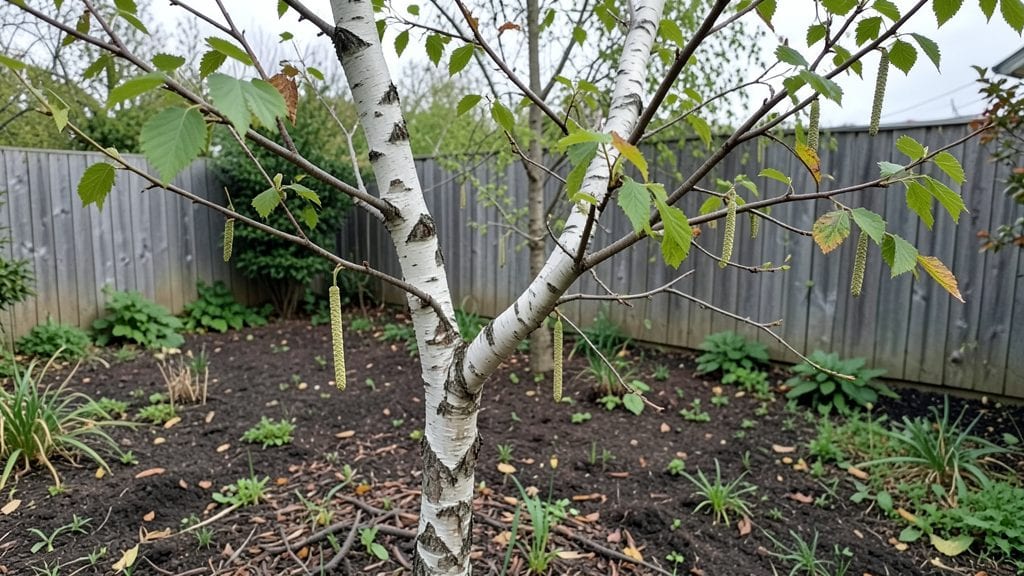
Planting birch trees in the Pacific Northwest gives you a frost-resistant stunner that thrives where others falter. 🌿 The peeling bark and delicate leaves make them stand out, but their shallow roots and pest risks demand special care—once you master those, you’ve got a tree that’s equal parts elegant and tough.
My first birch nearly died from overwatering, but now I’ve got a foolproof routine that keeps them healthy through our wet winters and dry summers.
Start with the right spot: birches love morning sun and afternoon shade, well-draining soil, and space to spread their roots wide. Paper birch and yellow birch are the easiest for beginners, while river birch handles wetter sites.
Saplings establish faster than seeds, but if you’re patient, seeds let you grow rare varieties. Water deeply once a week after planting—birches hate soggy roots but won’t survive drought either.
You’ll see those signature white trunks and lacy leaves within a few years, with minimal pruning needed. Just watch for bronze birch borer (treat early with neem oil) and avoid compacted soil.
These trees become the showstopper of any yard—imagine them framing a garden path or anchoring a shady corner. The key is patience; birches grow slowly but reward you with decades of drama.
Works for city lots, rural acres, or even large containers (with extra care). Once established, they’re nearly maintenance-free—just enjoy the rustling leaves and that iconic bark. Ready to add one to your landscape? Let’s get growing.
📚 In This Guide
- What you need
- Instructions
- Tips and common mistakes
- Wrapping up and next steps
What you need
- ● Birch Tree Saplings: 1–3 Paper Birch (Betula papyrifera) or River Birch (Betula nigra) saplings (native to the PNW and frost-resistant). Choose 1–2 ft tall for faster establishment.
- ○ Optional: Container-grown saplings (easier to transplant) or bare-root seedlings (more affordable).
- ● Planting Site: Sunny to partially shaded area with well-draining soil (birches hate soggy roots!).
- ● Space: 10–15 ft apart for mature trees (they spread!).
- ● Soil Amendments: 5–10 lbs of compost or aged manure per planting hole.
- ● 1 lb of sulfur (if soil is alkaline; birches prefer pH 4.5–6.0).
- ● Mulch: 3–4 inches of wood chips or pine straw (keep 6 inches away from the trunk).
- ● Watering Supplies: Garden hose with soaker hose attachment or a 5-gallon watering can.
- ○ Drip irrigation kit (optional but ideal for consistent moisture).
- ● Digging Tools: Shovel (18-inch round-point for planting holes).
- ● Garden trowel (for delicate root handling).
- ● Safety Gear: Gloves (gardening or work gloves for handling roots).
- ○ Knee pads (optional but comfy!).
- ● Pruning Supplies: Pruning shears (bypass pruners for clean cuts).
- ● Disinfectant spray (to prevent disease between cuts).
- ○ Support (Optional): 3–4 tree stakes (2–3 ft tall) + soft tree ties (for young saplings in windy areas).
- ● Timing: Plant in early spring or fall (avoid PNW’s rainy winter or scorching summer).
- ● Soil Test: Check pH and drainage before planting (PNW soils can be heavy—amend with sand if needed).
- ● Local Regulations: Verify if your area requires permits for large tree planting (some cities have rules!).
- ● Pro Tip: Mulch heavily in winter to protect roots from PNW’s frost heaves! 🌡️
Step-by-step instructions for planting birch trees in the Pacific Northwest
Here's how to give your birch trees the perfect start in our region's cool, damp climate.
🌱 Step 1: Choose the Right Time and Location
Plant your birch trees in early spring or fall when soil temperatures are cool but not frozen. This gives roots time to establish before summer heat or winter freeze. In the Pacific Northwest, October or April are ideal months—avoid planting when temperatures fluctuate wildly.
Birches thrive in full sun to partial shade, but they especially love dappled light where they get morning sun and afternoon shade. In our region, that often means planting them near the edge of forests or along property lines where taller trees provide some afternoon relief. Avoid low spots where cold air settles—birches hate soggy roots.
🪴 Step 2: Prepare the Planting Site
Dig a hole twice as wide as the root ball but only as deep. The top of the root ball should sit 1-2 inches above ground level—this prevents water from pooling around the trunk. In our region's acidic soils, you might want to mix in a small amount of compost or peat moss to improve drainage and acidity levels.
Loosen the soil at the bottom and sides of the hole with a shovel or garden fork. This helps roots spread outward instead of circling. If your soil is particularly compacted, work in some sand or perlite to improve aeration. The goal is to mimic the natural, well-draining conditions birches prefer in their native boreal forests.
☀️ Step 3: Plant and Water Thoroughly
Carefully remove the tree from its container and gently tease apart any circling roots. Place it in the hole so the root flare (where roots meet trunk) is visible above the soil line. Fill the hole with the amended soil, pressing lightly as you go to eliminate air pockets. Water deeply to settle everything into place.
After planting, create a 4-inch-high berm of soil around the outer edge of the planting hole. This helps direct water toward the roots during irrigation. Water deeply once a week during the first growing season, providing about 10-15 gallons per tree. In our region's frequent rain, you might not need to water much after establishment, but young trees still appreciate consistent moisture.
🌿 Step 4: Mulch and Protect
Spread 3-4 inches of mulch (wood chips or bark) over the planting area, keeping it 3-4 inches away from the trunk to prevent rot. In the Pacific Northwest, where winters can be wet, this mulch layer helps regulate soil temperature and retain moisture. Replenish mulch annually as it breaks down.
For the first winter, consider wrapping the trunk with tree guard or burlap to protect young bark from rodent damage. While birches are frost-resistant, they're still vulnerable to sunscald in our region's cold winters. A light layer of burlap also helps prevent windburn on tender new growth in spring.
⏰ Step 5: Monitor and Maintain
Check your birch trees monthly during the first growing season for signs of stress. Yellowing leaves usually indicate either too much water or poor drainage. In our region, this often happens in low-lying areas where water pools. If you notice this, improve drainage by amending the soil with more organic matter.
Prune only to remove dead or crossing branches in late winter or early spring. Birches naturally grow with beautiful exfoliating bark, so avoid heavy pruning that might alter their natural form. In the Pacific Northwest, where humidity is high, always make clean cuts with sterilized tools to prevent fungal infections.
Tips & tricks for perfect birch tree planting in the Pacific Northwest
Here's what I've learned after helping dozens of gardeners get their birch trees off to the right start in our region.
Timing is Everything: Those ideal months of October and April aren't just suggestions—they're critical for root establishment. In our Pacific Northwest climate, planting in summer can stress trees with heat, while winter planting risks freeze damage. I've seen trees planted in May struggle with summer drought, so don't rush the process. The cooler temperatures give roots time to settle before our region's seasonal extremes.
Root Ball Position Matters: When placing your birch tree in the hole, make sure that root flare—the area where roots meet trunk—is clearly visible above the soil line. I've made the mistake of burying this too deep, which can cause rot. Use a small stake or marker if needed to verify the correct position before backfilling. This 1-2 inch elevation above ground level is what prevents water pooling around the trunk.
Soil Amendments for Our Region: Our Pacific Northwest soils can be particularly dense and acidic. The compost or peat moss recommendation isn't just about drainage—it's about mimicking the birch's natural boreal forest habitat. I always mix in about a 5-gallon bucket of compost with the native soil to give those young roots a nutrient boost. For compacted soils, adding perlite creates those tiny air pockets roots need to breathe.
Watering Wisdom: That weekly deep watering with 10-15 gallons might seem like a lot, but birch trees in our region's first year need consistent moisture to establish strong root systems. I've found using a soaker hose for the first month after planting helps maintain even moisture without creating surface puddles. And remember—our frequent rain means you might need to adjust this schedule based on actual rainfall patterns.
Pro Tips for Birch Trees
- Here's what I've learned after helping dozens of gardeners get their birch trees off to the right start in our region.
- Timing is Everything: Those ideal months of October and April aren't just suggestions—they're critical for root establishment.
- Root Ball Position Matters: When placing your birch tree in the hole, make sure that root flare—the area where roots meet trunk—is clearly visible above the soil line.
Frequently asked questions
Got questions about growing birch trees in the Pacific Northwest? You’re not alone! Here are some of the most common queries—and their answers—to help you cultivate these stunning, frost-resistant beauties with confidence.
When is the best time to plant birch trees in the PNW?
The ideal window is late fall or early spring (September–March), when soil is cool and moist but not frozen. This timing lets roots establish before summer heat arrives. Avoid planting in peak summer—drought stress can stunt growth. Pro tip: If planting in spring, water deeply before the first frost to give roots a head start!
How cold can birch trees tolerate in the Pacific Northwest?
Most birch varieties (like Betula papyrifera or Betula pendula) thrive in USDA Zones 2–7, handling temps down to -40°F (-40°C) with ease! However, young saplings may need winter mulch (2–3 inches of straw or wood chips) to protect shallow roots. Bonus: Their white bark acts as natural insulation!
Why are my birch tree leaves turning yellow or brown?
Yellowing leaves often signal nutrient deficiencies (like iron or nitrogen) or overwatering. Brown patches with crispy edges? Likely drought stress or fungal issues (e.g., birch leaf spot). Check soil moisture (birches prefer well-draining, slightly acidic soil) and fertilize in early spring with a balanced 10-10-10 blend. Red flag: If yellowing starts at leaf edges, it’s often chlorosis—amend soil with sulfur or iron chelate.
Can I grow birch trees in containers, or do they need ground planting?
While birches can grow in large containers (15+ gallons), they’re not ideal long-term due to shallow roots and rapid growth. If container-grown, use fast-draining mix (60% soil, 30% perlite, 10% compost) and repot every 2–3 years. Ground planting is best for mature trees—birches spread widely (15–30 feet) and need space to avoid root competition.
Are birch trees prone to pests, and how do I prevent them?
Birches attract bronze birch borers (a wood-boring beetle) and aphids. To deter pests:
- Inspect bark annually for D-shaped holes (borer sign) or sticky sap (aphids).
- Avoid wounding bark (e.g., lawnmower damage)—borers target injured trees.
- Apply systemic insecticide (like imidacloprid) in early spring if infestations occur.
Wrapping up and next steps
Birch trees bring timeless elegance and resilience to the Pacific Northwest’s landscapes—whether you’re drawn to their peeling bark or their ability to thrive in frost.
With the right soil, sunlight, and care, you’ve got everything you need to nurture these stunning trees into thriving additions to your garden. Now’s your chance to roll up your sleeves and plant the future!
🌱 Next steps:
- Pick your spot and prepare the soil—your birch’s new home awaits!
- Monitor moisture and mulch regularly to keep it happy.
- Share your progress (or questions!) with fellow gardeners—community grows together!