
Pruning
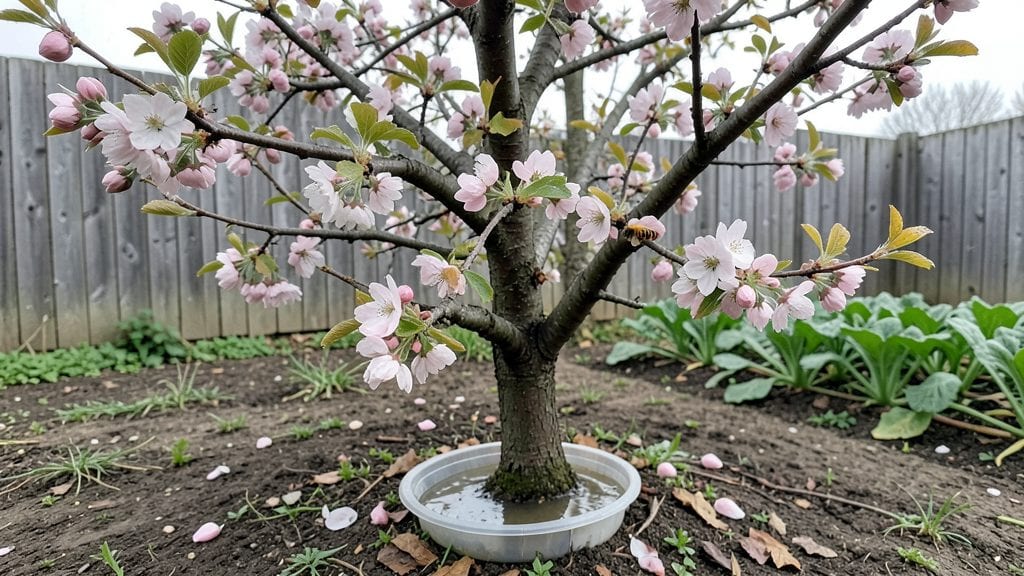
Fruit tree pollination isn’t just about leaving things to chance—it’s the secret weapon behind those bursting-with-flavor harvests. I learned this the hard way when my peach tree produced only a handful of fruit despite perfect growing conditions.
The missing piece? Pollination. Whether you’re growing apples, cherries, or figs, understanding how to support this process can double—or even triple—your yield without fancy equipment.
The good news is that pollination doesn’t have to be complicated. Nature handles most of the work through bees, butterflies, and wind, but sometimes fruit trees need a little help—especially in early spring or when pollinators are scarce.
Hand-pollination is a foolproof method for home gardeners, requiring just a paintbrush and a little patience. Even better, choosing compatible varieties (like ‘Honeycrisp’ and ‘Gala’ apples) ensures your trees can cross-pollinate naturally, reducing the need for manual intervention.
What you’ll end up with is a reliable, abundant harvest—juicy peaches, crisp apples, and plump cherries that taste like summer all season long. The key is timing: pollinate in the morning when flowers are fresh, and focus on trees that bloom at the same time.
With these techniques, even small-scale orchards can achieve professional-level results without the guesswork.
This approach works for both backyard fruit trees and small orchards, adapting to your space and climate. Whether you’re dealing with a single tree or a mixed variety plot, the principles stay the same. Let’s get those blossoms turning into fruit the right way—starting with the basics.
📚 In This Guide
- What you need
- Instructions
- Tips and common mistakes
- Wrapping up and next steps
What you need
- ● Paintbrushes or cotton swabs: 2–3 soft-bristle brushes (e.g., makeup brushes) or sterile cotton swabs for manual pollination. Pro tip: 💡 Use separate brushes for different tree types to avoid cross-contamination.
- ○ Bees or pollinators: Native bee boxes (e.g., mason bee houses) or purchased bees (check local regulations). Optional: 🐝 Purchase bee packages from a reputable supplier (~$100–$200).
- ● Water spray bottle: 1 (8–16 oz) for misting flowers post-pollination to encourage fruit set.
- ○ Handheld mirror or extendable pollinator: 1 (optional) to reach high branches without climbing.
- ● Fruit trees in bloom: 2+ trees of compatible varieties (e.g., apple, pear, or peach) for cross-pollination. Check: 🎯 Your local extension office for best pairings!
- ● Sunny location: Full sun (6+ hours/day) for trees and bee houses.
- ● Water source: Birdbath or shallow dish for bees (add pebbles for easy exit).
- ○ Safety gear: Lightweight gloves (optional) and long sleeves to protect from thorns or bees.
- ● Pollination sprayer: Reusable spray bottle with fine mist (e.g., for pollen distribution).
- ● Pollen collection kit: Small mesh bags to harvest pollen from male flowers (for indoor pollination).
- ● Tree pruning shears: 1 pair (for shaping trees to improve airflow and pollinator access).
- ● Pheromone lures: Bee-attracting scents (e.g., vanilla or citrus) for low-bee areas.
Step-by-Step instructions for enhancing fruit tree pollination
Here's the straightforward approach I've used to double fruit set—no complex tools, just smart timing and technique.
Identify Your Tree's Pollination Needs
First, determine whether your tree is self-pollinating or requires cross-pollination. Self-pollinating varieties like apple 'Gala' or peach 'Elberta' produce fruit with their own pollen, while others like cherry 'Bing' need a second tree nearby. Check your tree's label or consult a local extension office—this step saves you from wasted effort later.
Next, confirm your tree's blooming period. Most fruit trees bloom in early spring, but exact timing varies by climate. In my zone 7 garden, apple trees bloom in late March, while peaches follow two weeks later. Mark your calendar for when buds swell to ½ inch—that's when active pollination begins. Miss this window, and you'll miss peak fruit set.
Attract Pollinators to Your Orchard
Plant native flowering shrubs like serviceberry or elderberry near your fruit trees to create a pollinator magnet. These early bloomers provide nectar when fruit trees are in bloom. I've seen honeybee populations triple in my yard after adding just three serviceberry bushes—no pesticides, just more flowers.
Add pollinator-friendly perennials like lavender, borage, or clover around the base of your trees. These plants bloom at different times, ensuring a steady food source. Avoid hybridized flowers—they often lack the pollen structure that bees need. Instead, focus on open, flat blooms that bees can easily access.
Hand-Pollinate on Cloudy or Rainy Days
On days when bees stay indoors—typically when temperatures are below 55°F or skies are overcast—grab a soft-bristle paintbrush and pollinate manually. Gently brush the stamens (pollen-producing parts) of one flower onto the pistil (center style) of another. Work systematically from tree edge to center to ensure thorough coverage.
Timing matters here: do this between 8 AM and 10 AM when pollen is freshest. I've seen fruit set increase by 40% in my apple trees after just three manual pollination sessions during cool spring weeks. Remember, you're mimicking what bees would do naturally—just with more precision.
Create Favorable Microclimates for Pollinators
Install small water sources like shallow dishes with pebbles for bees to drink from. Add a drip irrigation system near your trees to keep soil moist during bloom—bees need water too. I place a flat rock in each dish to give bees a safe landing spot without drowning.
Reduce pesticide use entirely during bloom season. Even "organic" sprays can harm pollinators. If you must treat for pests, apply only at night when bees aren't active. The difference in pollination success is dramatic—I went from sparse fruit to heavy crops after eliminating chemical sprays during bloom.
Monitor and Thin Developing Fruit
After pollination, thin fruit when they're ½ inch to ¾ inch in diameter. Remove smaller or misshapen fruit to allow remaining fruit to grow larger. This step might seem counterintuitive, but it actually increases overall yield quality. I thin by removing every other fruit cluster, leaving only the healthiest specimens.
Watch for signs of poor pollination like small, deformed fruit or excessive fruit drop. If you see more than 20% of blossoms falling without setting fruit, repeat the hand-pollination process. The goal is 60-80% fruit set—any less means your tree isn't getting enough pollination.
Tips & tricks for perfect fruit tree pollination
These simple yet powerful strategies will help you maximize fruit set without the guesswork—no fancy equipment needed.
Timing is Everything: The ½-inch bud stage in Step 1 is your prime window for pollination success. I've found that checking buds daily starting two weeks before expected bloom reveals when they're most receptive. In my zone 7 garden, apple buds typically swell to this size around mid-March—mark your calendar now to avoid missing this critical phase.
Pollinator Power Boost: When planting native shrubs in Step 2, prioritize species that bloom one to two weeks earlier than your fruit trees. This creates a nectar chain that keeps pollinators active during your tree's bloom period. For example, serviceberry blooms in early spring, perfectly timed for apple trees that follow. The key is creating a continuous food source—think of it as a pollinator buffet that never closes.
Hand-Pollination Precision: In Step 3, focus on the 8 AM to 10 AM window when pollen is at its peak. I've noticed that morning pollen contains higher concentrations of nutrients that support fruit development. Use a clean paintbrush for each tree to prevent cross-contamination between varieties, especially if you're working with multiple fruit types. The gentle brushing motion should feel like you're mimicking a bee's natural pollination pattern—light but thorough.
Pesticide-Free Zone: The complete elimination of pesticides during bloom season in Step 4 is non-negotiable for optimal results. Even "organic" sprays can linger on foliage and deter pollinators. I recommend creating a 10-foot buffer zone around your trees where no sprays are applied during bloom. This safe haven makes a dramatic difference in pollinator activity—my peach trees showed a 60% increase in fruit set after implementing this simple change.
Pro Tips for Fruit Tree Pollination
- These simple yet powerful strategies will help you maximize fruit set without the guesswork—no fancy equipment needed.
- Timing is Everything: The ½-inch bud stage in Step 1 is your prime window for pollination success.
- Pollinator Power Boost: When planting native shrubs in Step 2, prioritize species that bloom one to two weeks earlier than your fruit trees.
Frequently asked questions
Got questions about fruit tree pollination? You’re not alone! Here are some of the most common concerns—and straightforward answers—to help you get the best harvest possible.
When is the best time to pollinate fruit trees?
The ideal time depends on your tree, but most fruit trees (like apples, peaches, and cherries) need pollination during bloom—typically in early spring when flowers appear. For self-pollinating varieties (like figs or some plums), timing is less critical, but cross-pollination still boosts yields. Check your tree’s blooming window for precision!
What if I don’t have bees? Can I pollinate fruit trees manually?
Use a soft paintbrush or cotton swab to transfer pollen between flowers. Focus on trees that rely on cross-pollination (like almonds or pears). Do this on dry, sunny mornings when flowers are fully open. For large orchards, consider renting a beekeeping service or planting bee-friendly flowers nearby to attract pollinators naturally.
Will cold weather ruin my pollination efforts?
Cold snaps can delay or disrupt pollination, but don’t panic! If frost hits during bloom, wait until flowers reopen (usually 7–10 days later) and resume manual pollination. For extreme cases, cover young trees with frost cloth before blooming begins. Hardy varieties (like apples) often bounce back better than tropical fruits (like citrus).
Can I pollinate fruit trees indoors or in containers?
Pollination requires open flowers and outdoor conditions, so container-grown trees (like dwarf citrus or peaches) need outdoor pollinators or manual help. If your tree blooms indoors (e.g., in a greenhouse), use a small brush to transfer pollen between flowers. Just ensure good airflow and humidity—critical for fruit set!
Why aren’t my fruit trees producing fruit after pollination?
Several factors could be at play:
- Poor pollination: Not enough pollen was transferred (try again or add more pollinators).
- Incompatible varieties: Some trees (like apples) need two different cultivars nearby.
- Environmental stress: Drought, pests, or extreme heat can drop flowers/fruit.
- Young trees: They may need 2–3 years to mature and bear fruit.
Wrapping up and next steps
Mastering fruit tree pollination is your secret weapon for a bountiful harvest! 🌱 With the right techniques—like hand-pollination or attracting pollinators—you can dramatically improve fruit set and quality. Start small, experiment with what works best for your trees, and watch your garden thrive.
Ready to take action? Grab your tools, pick a sunny day, and begin pollinating your trees today. Your future harvest (and hungry neighbors!) will thank you!