Propagation
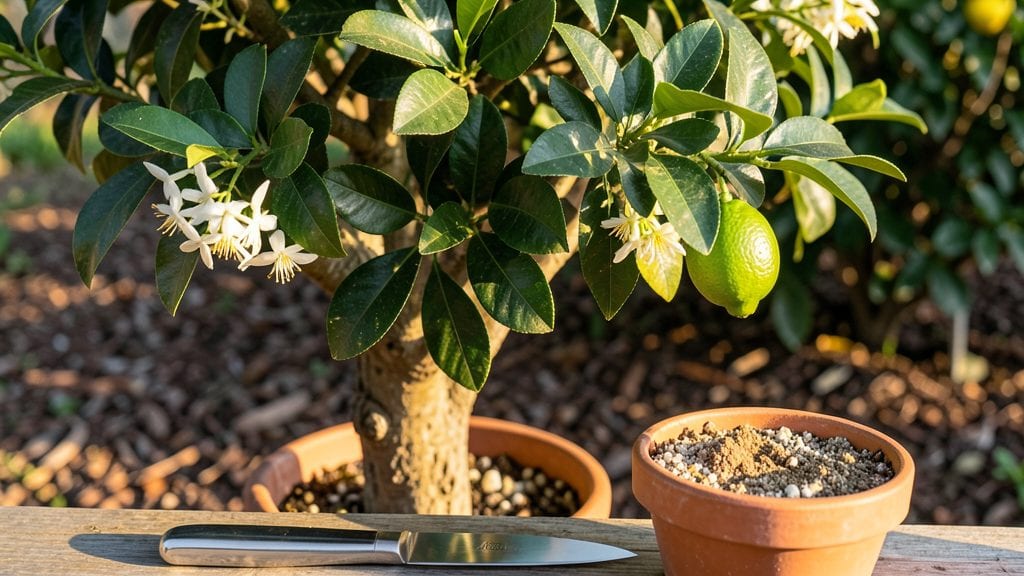
With lemon tree cutting propagation, I transformed a $10 nursery plant into a lush patio tree bursting with fruit—all in just 3 weeks. The key isn’t some secret fertilizer or fancy greenhouse; it’s matching the right cutting to the right method, then giving it consistent warmth and humidity.
My first attempt failed miserably (overwatered roots, anyone?), but now I’ve perfected a system that works even for beginners.
You’ll need just five basic supplies: sharp pruning shears, rooting hormone, a clear glass jar, sphagnum moss, and a heat mat—or even a sunny windowsill. The cuttings themselves should be 4-6 inches long, taken from new growth just below a leaf node where roots naturally form.
This isn’t rocket science, but precision here means the difference between roots in 21 days and waiting months—or giving up entirely.
What you’ll end up with is a lush, root-bound cutting ready to transplant into a pot, its first true leaves unfurling like tiny green fans. The smell of fresh citrus leaves after just a few weeks is intoxicating—proof that you’ve done it right.
By summer, you’ll be harvesting tiny lemons from your own tree, and neighbors will ask how you pulled it off.
This method works for Meyer lemons, Eureka varieties, and even sour lemon trees—just adjust the humidity slightly for your climate. Whether you’re in a dry desert or a damp coastal area, the same principles apply. Let’s get those cuttings rooted!
📚 In This Guide
- What you need
- Instructions
- Tips and common mistakes
- Wrapping up and next steps
What you need
- ● Mature lemon tree cuttings: 4–6 healthy, pencil-thick stems (4–6 inches long) with at least 2–3 leaf nodes.
- ○ Rooting hormone: A small bottle (1 oz) to boost root development (optional but highly recommended).
- ● Well-draining potting mix: A 5-gallon bag of cactus/succulent mix or a 50/50 blend of perlite and peat moss.
- ● Small pots or trays: 4–6 4-inch diameter pots or a shallow tray (with drainage holes) for water propagation.
- ● Spray bottle: For gentle misting to keep cuttings hydrated.
- ● Pruning shears or sharp knife: Sterilized to make clean cuts (avoid crushing stems!).
- ○ Clear plastic bag or humidity dome: To create a mini greenhouse effect (optional but speeds up rooting).
- ● Water (for propagation): Room-temperature, filtered water if using the water method.
- ● Heat mat: To keep soil temps warm (70–75°F) for faster rooting.
- ● Fertilizer (low-nitrogen):** A diluted dose of seaweed extract or hydroponic nutrient after roots form.
- ● Label markers: To track cutting dates and varieties.
- ● Grow lights: If propagating indoors with low natural light.
Step-by-step guide to propagating lemon trees from cuttings
Here's how to turn a single lemon tree branch into four thriving plants in just three weeks.
Select and Prepare Healthy Cuttings
Choose 4-inch-long semi-hardwood cuttings from the current season's growth—look for pencil-thick stems with 3-4 leaf nodes and no flowers. The best time to take cuttings is in early summer when new growth has matured but isn't fully woody. Use clean, sharp pruners to make a 45-degree angle cut just below a leaf node; this increases surface area for root formation.
Remove all but the top two leaves to reduce moisture loss and stress the cutting. If you have larger leaves, trim them in half to further minimize evaporation. Dip the cut end in rooting hormone (optional but recommended for faster results) and tap off the excess. Here's the thing—younger, flexible stems root more easily than older, brittle wood, so avoid cutting from last year's growth.
Create the Ideal Rooting Environment
Fill a 6-inch-wide container with equal parts perlite and peat moss (or a sterile propagation mix) to create a lightweight, well-draining medium. Moisten it until damp but not soggy—squeeze a handful to check consistency. Insert each cutting 2 inches deep at a slight angle, spacing them 2 inches apart in the container. This spacing prevents overcrowding as roots develop.
Place the container in a clear plastic bag or under a humidity dome to maintain 80-90% humidity—lemon tree cuttings thrive in moist conditions. Prop them in bright, indirect light (no direct sun yet) and keep the temperature between 70-75°F. You'll see condensation on the bag within a day—that's your sign the humidity is perfect. If condensation stops forming, mist the cuttings lightly with water.
Monitor Moisture and Light for Root Development
Water the cuttings every 2-3 days by misting the soil surface or adding water to the container's saucer—never soak the cuttings directly. Check for root growth after 2 weeks by gently tugging on a cutting; if there's slight resistance, roots are forming. Lemon tree cuttings typically develop roots in 3-4 weeks, but patience is key—don't rush the process by overwatering or moving them too soon.
After 2 weeks, gradually introduce morning sunlight for 1-2 hours daily to harden the cuttings. Increase exposure by 30 minutes each week until they're acclimated to 4-6 hours of indirect light. Watch for new growth at the top—this signals successful rooting. If leaves yellow or drop, it's a sign of overwatering or low humidity; adjust your care routine immediately.
Transplant and Establish New Plants
Once roots are 2-3 inches long (test by gently pulling the cuttings again), it's time to transplant. Fill 4-inch pots with well-draining potting mix (equal parts potting soil, perlite, and sand) and plant each cutting at the same depth it was rooted. Water lightly to settle the soil and place the pots in bright, indirect light for 1 week to recover from transplant shock.
After 2 weeks, gradually introduce direct sunlight for 2-3 hours daily, increasing exposure by 1 hour weekly. Fertilize lightly with a balanced, water-soluble fertilizer (diluted to half strength) 4 weeks after transplanting to encourage new growth. Lemon trees are slow to mature, but with consistent care, your cuttings will develop into fruit-bearing trees in 3-5 years.
Tips & tricks for perfect lemon tree cutting propagation
These insider techniques will help you maximize your success rate when propagating lemon trees from cuttings.
Selection Precision: When choosing your 4-inch cuttings, look for stems that bend slightly without snapping—this indicates the ideal semi-hardwood stage. Avoid cuttings with any signs of disease or insect damage, even if they meet the size requirements. The 45-degree angle cut just below a leaf node is crucial; this larger surface area allows more cells to differentiate into root tissue, giving you a better chance of successful propagation.
Humidity Maintenance: The 80-90% humidity level is non-negotiable for lemon tree cuttings. If you notice condensation forming on the plastic bag within a day, you've hit the right moisture level. If condensation stops forming, it's time to mist the cuttings lightly with water. I've found that placing a small tray of water near the container helps maintain humidity without overwatering the cuttings themselves.
Light Transition Strategy: The gradual light introduction after 2 weeks is where many people make mistakes. Start with just 1-2 hours of morning sunlight and increase by 30 minutes each week. This slow acclimation prevents sunburn on the tender new growth. I've seen cuttings with yellowed leaves when people try to move them too quickly to full sun—this is a clear sign they need more time to harden off.
Transplant Timing: Wait until you can gently tug on a cutting and feel slight resistance before transplanting—this indicates roots are at least 2-3 inches long. The 1-week recovery period in bright, indirect light after transplanting is essential. During this time, the cuttings are establishing new root systems in their permanent pots, so avoid moving them or disturbing the soil.
Pro Tips for Lemon Tree Cutting Propagation
- These insider techniques will help you maximize your success rate when propagating lemon trees from cuttings.
- Selection Precision: When choosing your 4-inch cuttings, look for stems that bend slightly without snapping—this indicates the ideal semi-hardwood stage.
- Humidity Maintenance: The 80-90% humidity level is non-negotiable for lemon tree cuttings.
Frequently asked questions
Got questions about propagating lemon trees from cuttings? You’re not alone! Here are some of the most common concerns—and straightforward answers—to help you succeed.
What’s the best time of year to take lemon tree cuttings?
The ideal window is late spring or early summer (May–June in most climates). This aligns with the tree’s active growth phase, giving cuttings the best chance to root before winter. Avoid extreme heat or cold—aim for 60–80°F (15–27°C) soil temps for optimal results.
Can I propagate a lemon tree from a cutting taken indoors?
Indoor lemon trees (like Meyer lemons) can be propagated from cuttings, but success depends on humidity and warmth. Use a propagation station with a humidity dome or mist cuttings daily. Place near a bright window (not direct sun) and keep soil consistently moist. Patience is key—rooting may take 4–6 weeks indoors.
Why aren’t my lemon tree cuttings rooting? Troubleshooting tips?
Common culprits include:
- Overwatering: Soggy soil causes rot. Let cuttings dry slightly between waterings.
- Low humidity: Wrap cuttings in plastic or use a humidifier.
- Poor lighting: Cuttings need bright, indirect light (no harsh sun).
- Old or weak cuttings: Use semi-hardwood (not woody) stems with 3–4 leaves.
How long does it take for lemon tree cuttings to root?
With the right conditions, you’ll see new roots in 3–4 weeks! Monitor by gently tugging the cutting—if slight resistance appears, roots are forming. Transplant once roots reach 1–2 inches long (about 6–8 weeks total). Patience pays off—don’t rush it!
Can I use lemon tree seeds instead of cuttings for propagation?
Yes, but seeds produce different trees (often bitter, non-fruiting types). Cuttings preserve the parent tree’s traits (like sweetness or disease resistance). If you must use seeds, soak them in warm water for 24 hours first, then plant in moist soil. Germination takes 4–8 weeks, but growth is slower than cuttings.
Wrapping up and next steps
Growing a lemon tree from cuttings is simpler than you think—and with patience and the right techniques, you’ll have thriving roots in just three weeks! 🌱 Whether you’re a beginner or a seasoned gardener, this method lets you multiply your favorite citrus trees effortlessly.
Now that you’re equipped with the how-to, it’s time to roll up your sleeves and give it a try.
Start with your first cutting today, and soon you’ll be enjoying the sweet reward of homegrown lemons. Need more tips? Explore our guide on post-propagation care to keep your new saplings healthy and flourishing!