
Pruning
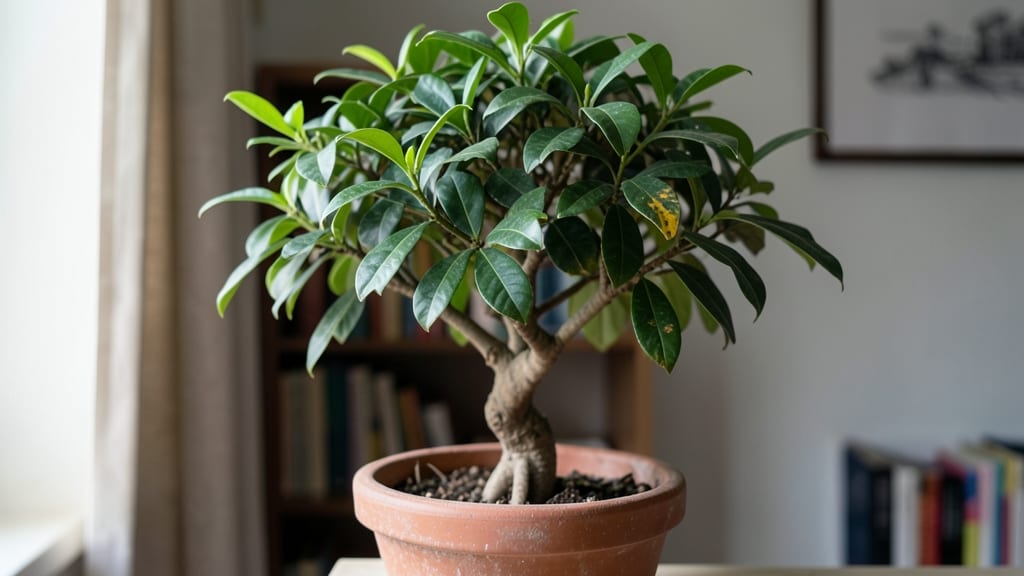
A miniature mango tree in your kitchen could mean fresh fruit year-round—no tropical vacation required. I’ve grown these little powerhouses in containers for five years now, and the secret to their success isn’t complicated.
It’s about light, pruning, and a little patience to coax those sweet, golden fruits from a plant that fits on a windowsill.
The trick starts with the right setup: a 10-15 gallon pot, well-draining soil, and a spot where it gets 6+ hours of sunlight daily.
My tree thrives near a south-facing window, and with 4 simple pruning steps, it stays compact while producing more fruit than I can eat. No green thumb needed—just follow the rhythm of new growth and you’ll be harvesting in under two years.
What you’ll end up with is a thriving, fruit-bearing tree that smells like summer even in winter. The leaves stay glossy, the branches fill out neatly, and those tiny mangoes?
They’re sweeter and more tender than anything you’d find in a grocery store. Best part? You can prune it in 15 minutes while sipping coffee—no heavy tools or complicated techniques.
Works for apartments, patios, or even a sunny office. Whether you’re starting from a cutting or buying a young plant, these steps keep it productive without taking over your space. Let’s get those branches shaped for a harvest you’ll actually use.
📚 In This Guide
- What you need
- Instructions
- Tips and common mistakes
- Wrapping up and next steps
What you need
- ● Miniature mango tree sapling – Choose a dwarf variety (e.g., 'Cogshall,' 'Julie,' or 'Ice Cream') from a reputable nursery. Quantity: 1
- ● Well-draining potting mix – A blend of cactus/succulent soil (60%), perlite (20%), and compost (20%). Quantity: 1 bag (10-15 gallons)
- ● Pot with drainage holes – 12-18 inches in diameter (terracotta or fabric pots work best). Quantity: 1
- ● Pruning shears – Sharp, bypass-style (avoid anvil shears to prevent crushing). Quantity: 1
- ○ Pruning sealant – Optional but helpful for large cuts (e.g., tree wound pruning paste). Quantity: Small tube
- ● Gloves – Heavy-duty gardening gloves to protect from thorns. Quantity: 1 pair
- ● Watering can or hose with gentle spray nozzle – For deep but controlled watering. Quantity: 1
- ● Fertilizer – Balanced citrus/mango fertilizer (e.g., 6-6-6 NPK) or organic options like fish emulsion. Quantity: 1-2 lbs
- ● Rooting hormone – If propagating from cuttings. Quantity: Small jar
- ● Support stakes or trellis – For young trees to encourage upright growth. Quantity: 2-3 stakes
- ● Humidity dome or plastic wrap – To retain moisture during early growth. Quantity: 1
- ● Soil moisture meter – Ensures optimal watering levels. Quantity: 1
- ● Mulch (e.g., bark chips) – Retains moisture and regulates soil temperature. Quantity: 1-2 bags
- ● A sunny location – At least 6-8 hours of direct sunlight daily (south-facing window or outdoor space).
- ● Warmth – Mango trees thrive in 70–90°F (21–32°C) temperatures. Avoid drafts or cold spots.
- ● Patience – Miniature varieties may take 2–5 years to bear fruit, but proper pruning speeds up the process!
How to prune a miniature mango tree for year-round fruit
Here's how I keep my dwarf mango tree producing fruit continuously—no advanced skills required.
Understand the Right Time to Prune
Prune your miniature mango tree in late winter or early spring, just as new growth begins. This timing ensures you remove spent growth while leaving plenty of time for new branches to harden before winter. I always check for small green buds along the branches—those are your signal that it's time to start shaping.
Never prune during flowering or fruiting seasons. Removing branches then stresses the tree and can cause fruit drop. If you're in a warm climate where seasons blend, wait until you see new leaf flush before cutting. This approach keeps your tree healthy and productive year-round.
Remove Dead or Weak Branches First
Start by identifying branches that are dead, diseased, or crossing—these compete with healthy growth and weaken the tree. Use clean, sharp pruning shears to make cuts just outside the branch collar, the swollen area where the branch meets the trunk. This prevents unsightly stubs and promotes faster healing.
If a branch is completely dead, cut it back to the nearest outward-facing bud. For weak branches, remove them entirely if they're smaller than a pencil in diameter. I always work from the bottom up, making the tree easier to assess as I go. This step keeps your tree's energy focused on strong, healthy growth.
Thin Out Crowded Branches for Better Airflow
Look for branches that are growing too close together—they create shaded areas where pests and diseases thrive. Remove one out of every three branches that are competing for space, starting with the smallest or weakest. This opens up the tree's canopy, allowing sunlight to reach all parts of the plant.
Pay special attention to branches growing inward. These can rub against each other, creating wounds that invite infection. Cut these back to a healthy outward-facing bud to encourage new growth in the right direction. Your goal is a tree with an open, airy structure—this makes harvesting fruit easier and keeps the tree thriving.
Shape the Tree for Continuous Harvesting
After removing dead and crowded branches, focus on shaping the tree to encourage year-round fruiting. Mango trees produce fruit on both old and new wood, so I prune to maintain a balance. Cut back some branches by one-third to stimulate new growth, while leaving others longer to bear fruit from older wood.
Step back and visualize the tree's shape. Aim for a rounded, open canopy with branches spaced evenly. This not only looks beautiful but also ensures every part of the tree gets sunlight and air circulation. After pruning, give the tree a light fertilizer application to support new growth—this helps it recover quickly and keeps it productive.
Tips & tricks for pruning your miniature mango tree
Here's what I've learned after keeping my own dwarf mango tree for years—these tricks make all the difference for year-round fruit production.
Timing is Everything: The late winter/early spring window is critical because it lets your tree recover before summer heat. I've found that in warmer climates, waiting for those first tiny green buds is the foolproof way to time it—no guessing about seasons. If you're unsure, just check for new leaf growth starting at the tips of branches. This ensures you're not stressing the tree when it's already busy flowering or fruiting.
Tool Prep Prevents Problems: Before you even start cutting, sanitize your pruning shears with rubbing alcohol. I learned this the hard way after noticing new infections on my tree—clean tools prevent spreading diseases between cuts. Also, always make cuts at a 45-degree angle just outside the branch collar, never leaving a stub. This simple technique helps wounds heal faster and prevents water from pooling where it can cause rot.
Visualize the Final Shape: When shaping your tree in Step 4, I like to sketch a rough outline of what I want the canopy to look like. This helps me make more intentional cuts rather than just removing branches. Aim for that open, rounded shape—it's not just about looks, it ensures sunlight reaches all parts of the tree, which is crucial for fruit development. Think of it like creating a dome that lets light filter through evenly.
Post-Pruning Care: After you're done cutting, don't forget to give your tree a light fertilizer application. I use a balanced 10-10-10 formula right after pruning to help it recover and support new growth. Water deeply but not excessively—your tree needs moisture to heal, but soggy soil can cause other problems. This final step is what helps your tree bounce back stronger than before.
Pro Tips for Miniature Mango Tree
- Here's what I've learned after keeping my own dwarf mango tree for years—these tricks make all the difference for year-round fruit production.
- Timing is Everything: The late winter/early spring window is critical because it lets your tree recover before summer heat.
- Tool Prep Prevents Problems: Before you even start cutting, sanitize your pruning shears with rubbing alcohol.
Frequently asked questions
Got questions about growing and maintaining your miniature mango tree? You’re not alone! Here are some of the most common queries—plus quick, actionable answers to keep your tree thriving year-round.
How often should I prune my miniature mango tree?
Prune your miniature mango tree twice a year: once in late winter (before new growth) to shape the tree and remove dead branches, and again in early summer to encourage fruit production. Light trimming between harvests can also promote airflow and prevent disease. Pro tip: Never prune more than 25% of the tree at once!
When will my miniature mango tree bear fruit?
With proper care, your miniature mango tree can produce fruit in as little as 2–3 years, though dwarf varieties often fruit faster (sometimes within 1–2 years). Patience is key—young trees focus on root and branch growth first. Pollination tip: Hand-pollinate flowers with a small brush if bees are scarce in your area!
Can I grow a miniature mango tree indoors?
Miniature mango trees thrive indoors near a sunny south-facing window or under grow lights (12+ hours/day). Use a well-draining pot (10–15 inches deep) and mimic tropical humidity with a pebble tray or humidifier. Watch for: leggy growth (rotate the pot weekly) and yellow leaves (overwatering!).
Why aren’t my mangoes ripening on the tree?
Miniature mangoes often need a warmth trigger to ripen. Move the tree outdoors in full sun (60°F+ temps) for 4–6 weeks before harvest. If indoors, place it near a heat source (like a sunny window) and avoid drafts. Ripening hack: Pick slightly green fruit and store it in a paper bag with a banana to speed up the process!
What’s the best alternative if my mango tree isn’t thriving?
If your miniature mango struggles with pests, cold, or slow growth, consider these low-maintenance alternatives:
- Dwarf citrus trees (like calamondins)—hardier and faster-fruiting.
- Fig trees (e.g., ‘Chicago Hardy’)—drought-tolerant and cold-resistant.
- Dwarf avocado trees—great for containers and forgiving of pruning.
All three offer fruit in 3–5 years with minimal fuss!
Wrapping up and next steps
Growing a miniature mango tree with a year-round harvest is totally within reach—thanks to smart pruning and a little patience! 🌱 By mastering those 4 simple steps, you’ll keep your tree healthy, productive, and compact while enjoying fresh mangoes (or even flowers!) almost any time of year.
Whether you’re a pruning pro or a beginner, these techniques make it easy to transform your space into a tropical oasis.
Ready to take the next step? Grab your pruners, mark your calendar for seasonal trims, and watch your tiny mango tree thrive. Who knows—you might just inspire your neighbors to start their own! 🍈✨