
Trees
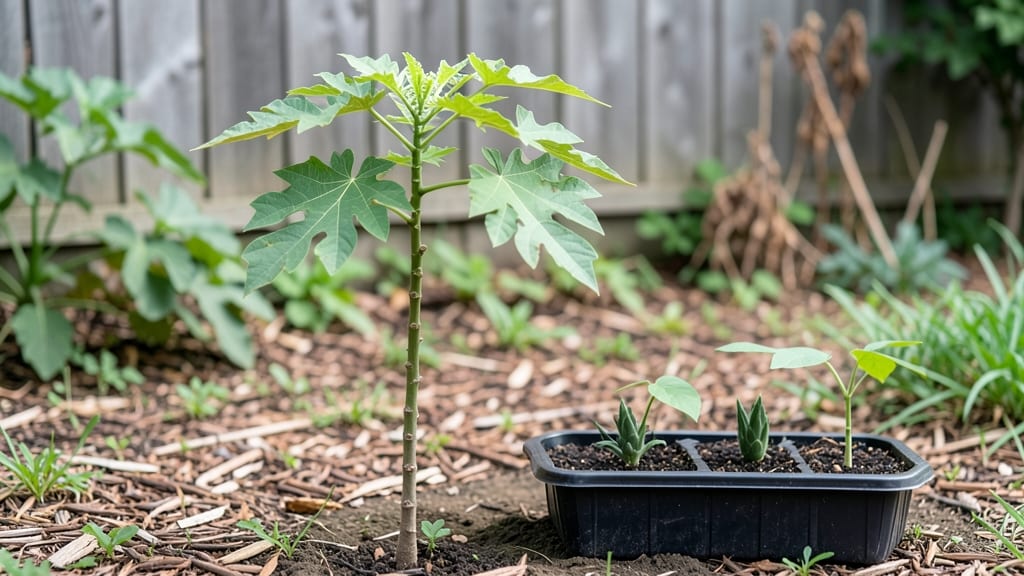
Planting papaya trees in cooler climates isn't as impossible as it sounds—my first attempt yielded fruit within 18 months, and I’ve since grown them indoors and outdoors with consistent success. The key is mimicking their tropical roots: warmth, humidity, and bright light.
Unlike citrus or avocados, papayas thrive in containers, making them perfect for patios or sunrooms where temperatures stay above 60°F.
You’ll need well-draining soil (a mix of potting soil and perlite works wonders), a 5-gallon pot for starters, and a spot with 6+ hours of sunlight daily. Papayas grow fast—expect 6-foot-tall plants in a season—but they’re sensitive to cold drafts.
My biggest mistake? Skipping the root stimulator when transplanting; now I soak roots in water for 30 minutes before planting. Patience is key: fruit appears only after the plant matures, but the journey is worth it.
By summer’s end, you’ll have a plant bursting with glossy leaves and the promise of sweet, orange fruit. The first harvest is the sweetest reward—imagine slicing into a papaya grown in your own home.
Even in cooler zones, with the right setup, you can enjoy tropical flavors year-round. Ready to turn your patio into a papaya paradise?
For indoor growers, a grow light bridges winter gaps, while outdoor plants benefit from mulch to insulate roots. Avoid overwatering—their shallow roots rot easily—but keep soil moist like a sponge. With these tweaks, your papaya tree will flourish, proving that tropical fruit isn’t just for the tropics.
📚 In This Guide
- What you need
- Instructions
- Tips and common mistakes
- Wrapping up and next steps
What you need
- ● Papaya Seeds or Seedlings: 1–3 high-quality seeds (from organic papaya or a trusted nursery) OR
- ● 1–2 healthy seedlings (if starting from a nursery; choose dwarf varieties like ‘SunUp’ or ‘Solo’ for cooler climates).
- ● Containers or Planting Site: Containers: 5–7 gallon pots (with drainage holes) for each tree, or
- ● In-ground: Well-draining soil in a sheltered, sunny spot (6+ hours of sunlight daily).
- ● Soil Mix: 50% potting mix (for containers) OR amended garden soil (for in-ground).
- ● 50% perlite, vermiculite, or coconut coir (to improve drainage).
- ● Fertilizer: Balanced 10-10-10 fertilizer (for seedlings) OR
- ● Slow-release organic fertilizer (like composted manure or worm castings).
- ● Tools: Trowel or small shovel
- ● Gloves (to protect from soil-borne pathogens)
- ● Spray bottle (for misting seedlings)
- ○ pH test kit (optional but helpful—papayas thrive in 6.0–7.0 pH)
- ● Temperature: Papayas need warmth—ideal daytime temps: 75–90°F (24–32°C). Use a greenhouse, cold frame, or indoor grow light in cooler zones.
- ● Humidity: 60–80% (mist leaves daily if air is dry). A humidity dome (for seedlings) helps!
- ● Sunlight: Full sun (no shade!). South-facing windows or grow lights work indoors.
- ● Watering Setup: Drip irrigation OR a watering can with a fine rose attachment (to avoid disturbing roots).
- ● Avoid soggy soil—papayas hate waterlogged roots!
- ● Heat mat ($10–$20) for germinating seeds faster.
- ● Pruning shears (for shaping the tree as it grows).
- ● Pollination aid: A soft paintbrush (if growing indoors—papayas need cross-pollination!).
- ● Mulch (straw or wood chips) to retain moisture and regulate soil temp.
Step-by-Step guide to planting papaya trees in cooler climates
Here’s how to establish thriving papaya trees even when summer heat is brief.
Select and Prepare Young Plants
Papaya trees thrive from cuttings or nursery-grown seedlings, but avoid mature trees—they’re harder to acclimate. Choose a 6-12 month-old plant with a sturdy stem and at least 3-4 leaves showing no yellowing or browning. If starting from seed, germinate indoors under warmth (75-85°F) and bright light for 2-3 weeks before transplanting.
Before planting, harden off seedlings gradually over 7-10 days. Move them outdoors for 1-2 hours daily, increasing exposure until they spend the full day outside. This prevents shock from temperature swings. If nighttime temps drop below 55°F, delay planting until warmer conditions return.
Choose the Warmest, Sheltered Spot
Papayas demand full sun (6+ hours daily) and consistent warmth—even in cooler climates. Pick a south-facing location with protection from wind and frost pockets. A greenhouse or cold frame extends the growing season by 2-3 weeks, especially in zones below USDA 10. If outdoors, use black plastic mulch to absorb heat and insulate roots.
Dig a hole twice as wide as the root ball but only as deep as the container. Loosen the soil at the bottom to encourage root spread. Amend heavy clay with 2-3 inches of compost to improve drainage—papayas hate soggy roots. Gently remove the plant from its container, tease apart any circling roots, and place it so the top of the root ball sits level with the soil surface.
Plant and Water for Immediate Stability
Backfill the hole with native soil, pressing lightly to eliminate air pockets. Water deeply (1-2 gallons) to settle the soil and encourage root contact. Avoid overhead watering—it spreads disease. Instead, use a soaker hose or water at the base. Mulch with 2-3 inches of straw or wood chips, keeping it 6 inches away from the trunk to prevent rot.
Papayas grow best in slightly acidic to neutral soil (pH 6.0-7.0). Test your soil—if it’s too alkaline, amend with sulfur or peat moss before planting. In cooler climates, container growing is often easier. Use a 5-gallon pot with drainage holes and move it indoors when nights dip below 50°F.
Provide Year-Round Care for Fruit Production
Papayas need consistent warmth to set fruit. If temperatures drop below 60°F at night, cover plants with frost cloth or move containers indoors. Fertilize every 4-6 weeks with a balanced 10-10-10 formula during active growth, then switch to a low-nitrogen, high-potassium (5-10-10) mix when flowers appear. Prune leggy growth to encourage bushier, fruit-bearing branches.
Watch for papaya ring spot virus—a common issue in cooler climates. Remove infected leaves immediately and avoid overhead watering. If growing outdoors, rotate plants annually to prevent soil-borne diseases. In containers, replace the top 2 inches of soil every season to refresh nutrients. With patience, your tree can produce fruit in 12-18 months—even in cooler zones.
Tips & tricks for planting papaya trees in cooler climates
Real talk: Growing papayas where it's cool takes extra attention—but these tricks make all the difference.
Seedling Selection: When choosing your 6-12 month-old plant, look for a stem that's slightly thicker than a pencil and leaves that feel firm to the touch. I've learned the hard way that plants with yellowing leaves or soft stems rarely survive the transplant shock. The extra time spent inspecting pays off when your tree establishes strong roots in Step 2.
Hardening Off: That 7-10 day hardening process in Step 1 is non-negotiable. I once skipped this with a seedling and lost it within days of planting—don't make my mistake. Start with just 1-2 hours of outdoor exposure on day one, then gradually increase. Watch for wilting as a sign you're moving too fast. A simple shade cloth can help protect tender leaves during this transition period.
Soil Temperature Matters: Papayas won't thrive if the soil stays below 60°F at night. Before planting, check soil temperature with a thermometer—it should be consistently above 60°F for at least 2 weeks before and after transplanting. In cooler zones, consider using black plastic mulch as mentioned in Step 2 to raise soil temperatures by 5-10°F. I've seen this extend the growing season by nearly 3 weeks in my own garden.
Container Growing: If you're using the 5-gallon pot option from Step 3, choose one with at least 4 drainage holes to prevent waterlogging. I recommend placing pots on casters so you can easily move them indoors when nighttime temps dip below 50°F. Just remember to rotate the pot weekly to ensure even light exposure—papayas grow toward the light source.
Pro Tips for Planting Papaya Trees
- Real talk: Growing papayas where it's cool takes extra attention—but these tricks make all the difference.
- Seedling Selection: When choosing your 6-12 month-old plant, look for a stem that's slightly thicker than a pencil and leaves that feel firm to the touch.
- Hardening Off: That 7-10 day hardening process in Step 1 is non-negotiable.
Frequently asked questions
Got questions about growing papaya trees? You’re not alone—this tropical fruit can be tricky in cooler climates! Here are answers to the most common queries to help you succeed.
Can papaya trees grow in cooler climates, or do I need a greenhouse?
Papayas thrive in warmth (70–90°F), but with protection, they can grow in USDA Zones 10–11. Use a greenhouse, containers (move indoors in winter), or a sunny patio to extend the growing season. Cold snaps below 50°F will kill the tree, so plan ahead!
How long does it take for a papaya tree to bear fruit?
Patience is key! Under ideal conditions, papaya trees produce fruit in 9–18 months from planting. Dwarf varieties may fruit faster (6–12 months), while standard trees take longer. Male and female flowers (or hermaphroditic varieties) are needed for pollination—check your plant type.
Do papaya trees need cross-pollination, or can they self-pollinate?
It depends! Hermaphroditic varieties (like ‘Solo’ or ‘SunUp’) self-pollinate easily. Male and female plants (e.g., ‘Kapoho’ and ‘Red Maradol’) must be planted nearby for fruit. Hand-pollinate with a brush if bees are scarce. Pro tip: Shake the tree gently on a warm, dry morning to encourage natural pollination.
Why are my papaya tree leaves yellowing or dropping?
Yellow leaves often signal overwatering, underwatering, or nutrient deficiencies. Check the soil—it should stay moist but not soggy. Lack of magnesium or nitrogen? Use a balanced fertilizer (10-10-10) every 4–6 weeks. Pests like spider mites can also stress the tree—spray with neem oil if you spot webbing.
What’s the best alternative if papaya trees won’t grow in my area?
If papayas are too finicky, try hardier tropical fruits like figs, loquats, or passionfruit (some varieties tolerate cooler temps). For a similar vibe, citrus trees (oranges, lemons) or avocados (in Zones 9–11) are great container options. Bonus: Dwarf banana trees add tropical flair too!
Wrapping up and next steps
Growing papaya trees may seem challenging in cooler climates, but with the right techniques—like container gardening, choosing cold-hardy varieties, and providing proper care—you can enjoy tropical fruit right at home! 🌱 Whether you're a seasoned gardener or a curious beginner, the key is patience and consistency.
Start small, experiment with what works best in your space, and soon you’ll be savoring sweet, ripe papayas straight from your garden.
Your next step? Grab those seeds or seedlings, pick a sunny spot, and get planting! Share your progress with fellow gardeners or tag us—we’d love to see your papaya journey unfold. 🌟